Surface pattern design shifts with every season, influenced by fashion runways, interior trade shows, and the broader cultural mood. 2026 is shaping up to be a year of contrasts — raw, tactile authenticity on one side, and AI-powered creative exploration on the other. Here are the ten trends defining the year.
1. Tactile Maximalism
Oversized motifs with rich, layered textures. Think huge hand-painted dahlias over rough linen textures, or giant geometric forms with visible brushwork. The key is density and physical presence — these patterns are meant to feel like you could reach out and touch them. Designers are combining multiple render techniques within a single pattern: watercolor backgrounds with ink-drawn details, or digital geometry with hand-torn paper edges.
2. Neo-Folk Revival
Traditional folk art motifs from Eastern Europe, Scandinavia, Mexico, and West Africa are being reinterpreted with modern color palettes and simplified forms. Instead of museum reproductions, designers are extracting the structural DNA of folk patterns — symmetry, repetition, symbolic motifs — and rebuilding them in contemporary palettes. Earthy terracottas meet electric blue. Traditional floral wreaths get paired with minimalist geometry.
3. Quiet Luxury Textures
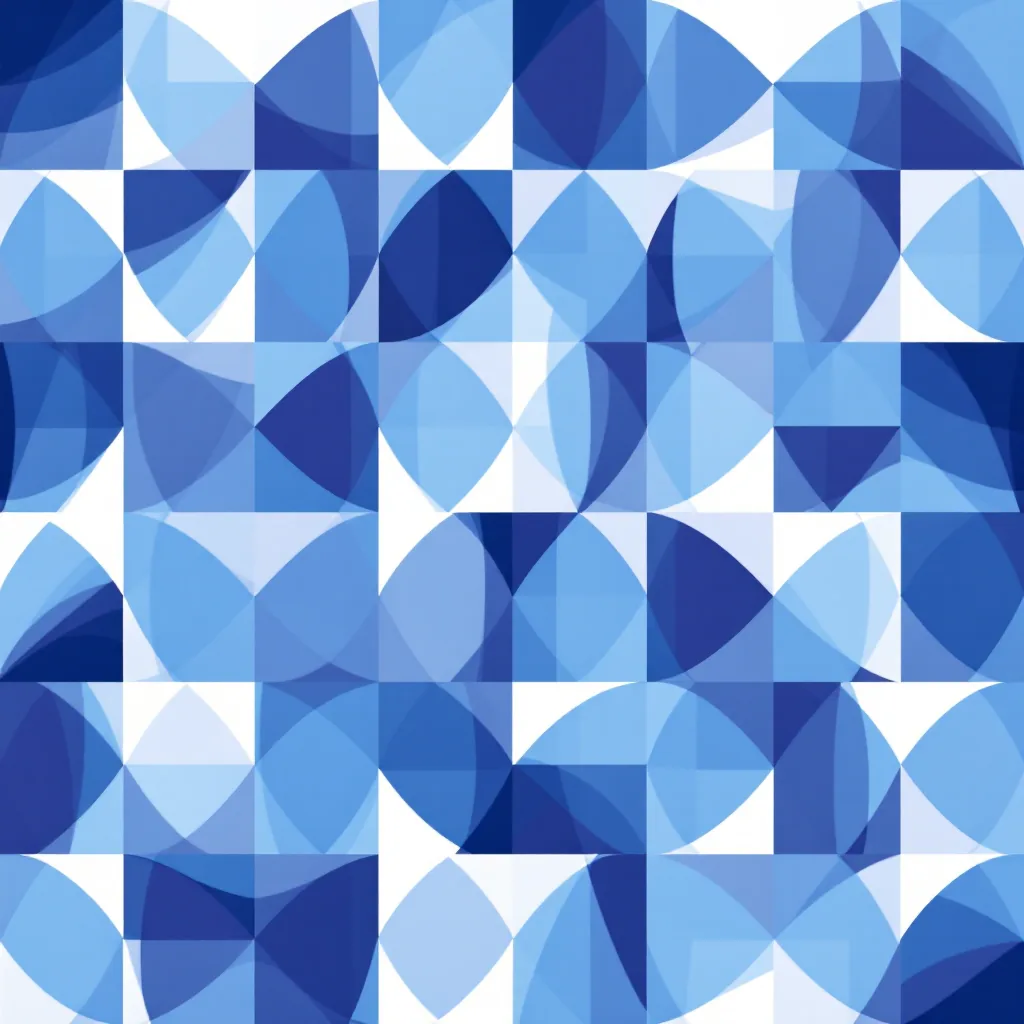
Tone-on-tone patterns with minimal contrast. Cream on cream, charcoal on black, sage on sage. These read as solid color from a distance but reveal subtle pattern up close. Heavily influenced by the "quiet luxury" movement in fashion, they work for premium packaging, luxury home textiles, and high-end branding. The patterns themselves are often geometric — fine grids, subtle herringbone, or micro-ogee.
4. AI-Native Design
2026 is the year AI pattern generation stopped being a novelty and became a standard workflow. Designers are using AI tools not just to generate final tiles but to rapidly explore directions — generating 50 variations in the time it used to take to sketch 3. The aesthetic signature of AI-native design is fearless style mixing: baroque motifs rendered in pixel art, paisley made of tiny circuit boards, art deco geometry filled with botanical watercolors. Combinations that would take days by hand happen in minutes.
5. Biophilic Abstracts
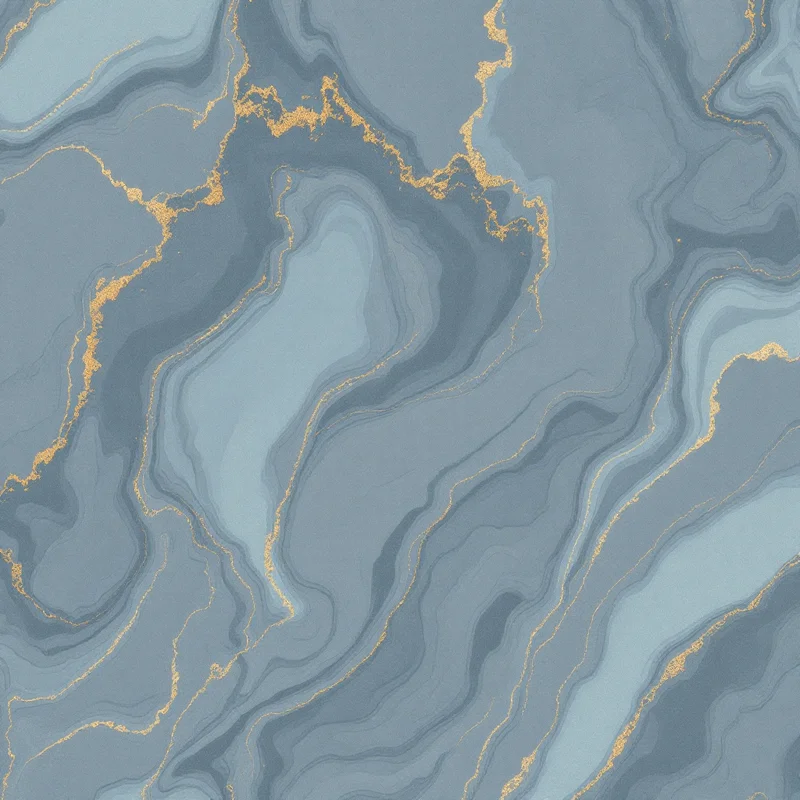
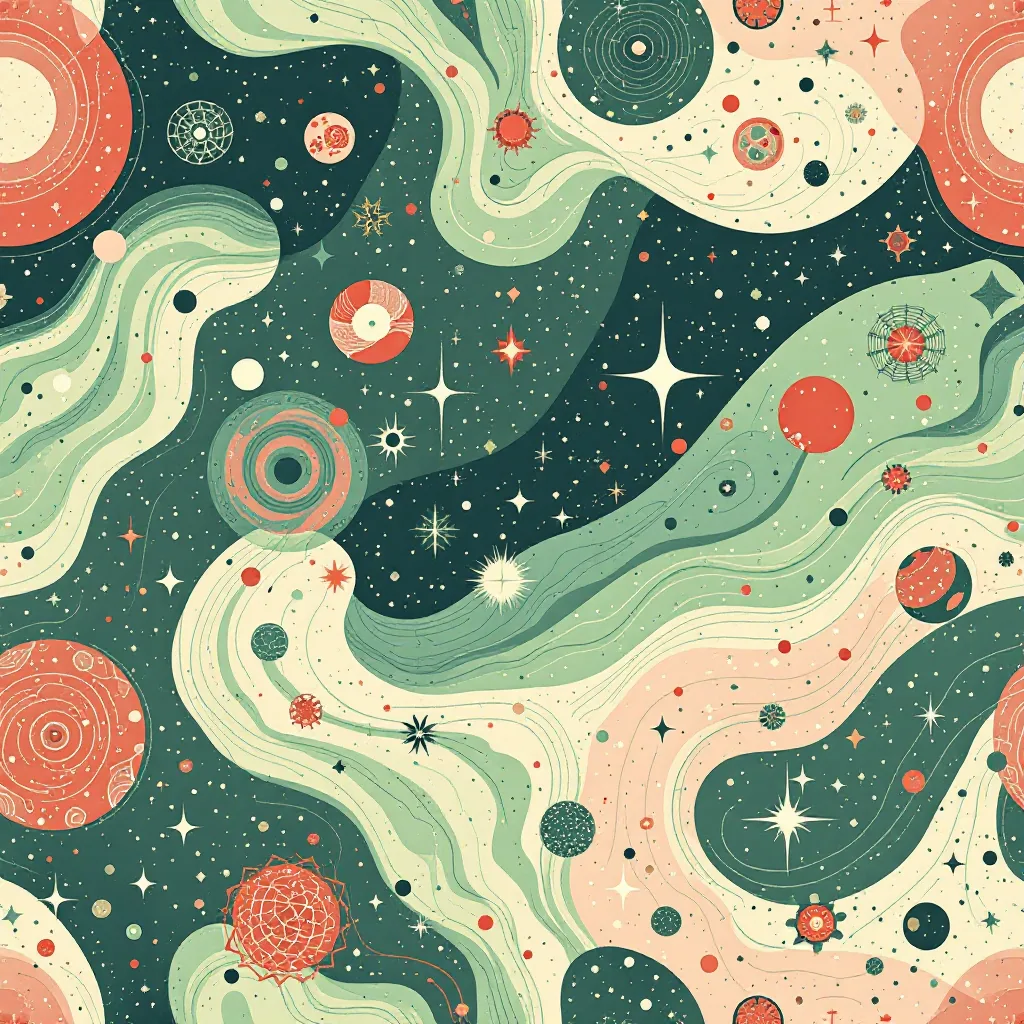
Abstract patterns inspired by natural phenomena — cross-sections of minerals, microscopic cell structures, weather satellite imagery, ocean currents. These are not literal representations but abstract interpretations of organic systems. The color palettes are drawn from nature but often pushed into unexpected territory — bioluminescent greens, deep ocean blues, volcanic oranges.
6. Retro Digital
Y2K and early-internet aesthetics continue to influence pattern design. Pixelated motifs, browser-window frames, glitch effects, and chunky digital typography arranged in seamless repeats. The color palettes are candy-bright — bubblegum pink, electric purple, lime green — or desaturated VHS-era pastels. This trend works primarily for streetwear, accessories, and youth-market products.
7. Hand-Drawn Imperfection
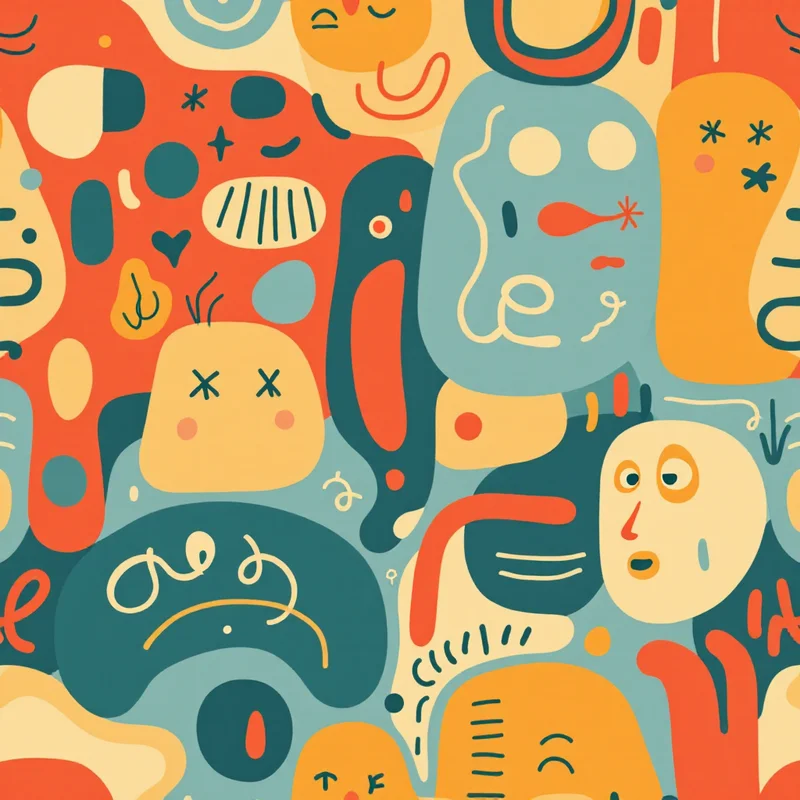
The counter-trend to AI-perfect output. Deliberately wobbly lines, visible pencil marks, ink blots, and uneven fills. Designers are scanning actual handmade artwork — potato prints, linocuts, screen-printed sheets — and converting them to digital repeats. The appeal is warmth and authenticity. Consumers are gravitating toward patterns that feel human-made, especially for home textiles and stationery.
8. Micro Patterns at Scale
Tiny, dense repeats that function as texture from arm's length. Pin dots, seed patterns, mini florals, and fine geometric grids. These are the workhorses of commercial fabric design — versatile, easy to coordinate with bolder prints, and they look good at any garment scale. The 2026 evolution is using higher detail densities than previous years, taking advantage of improved digital printing resolution.
9. Earth and Mineral
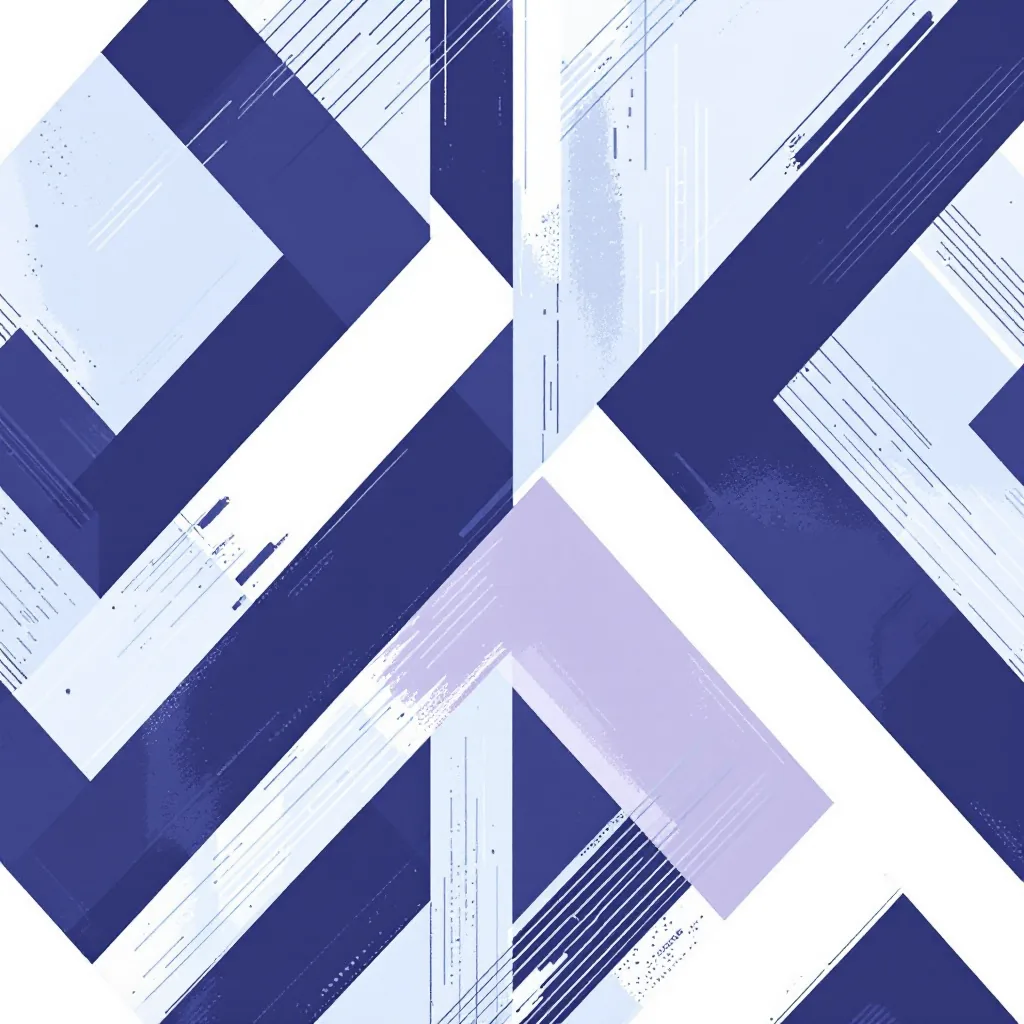
Color palettes pulled directly from geology: sandstone, slate, ochre, rust, clay, limestone, and moss. Patterns that feel grounded and elemental. The motifs are often abstract — layered sediment forms, cracked earth textures, crystalline geometries. This trend connects to broader sustainability and nature-focused design movements and works especially well for ceramics, home textiles, and eco-conscious brands.
10. Collections Over Singles
The biggest shift in how patterns are sold and used. Instead of designing individual patterns, designers are building coordinated collections — 6 to 12 patterns that share a color palette, motif vocabulary, and mood. A collection might include one hero print (large, bold, statement-making), two supporting prints (medium scale, versatile), and three blenders (small scale or textural, meant to coordinate). Brands and manufacturers prefer collections because they can build entire product ranges from a single cohesive set.
How to Use These Trends
Trends are navigation tools, not rules. Use them to inform your design direction, then differentiate through your specific color choices, motif interpretation, and render style. The patterns that sell best are the ones that feel current without being derivative — they borrow the trend's energy but express something original.
Explore related pattern styles
Patterns for