
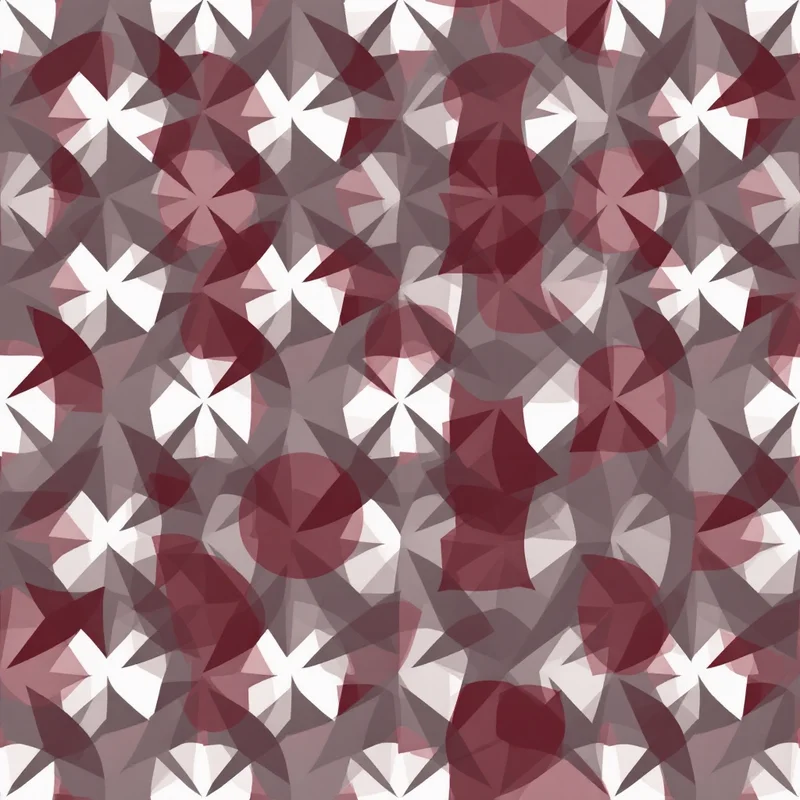
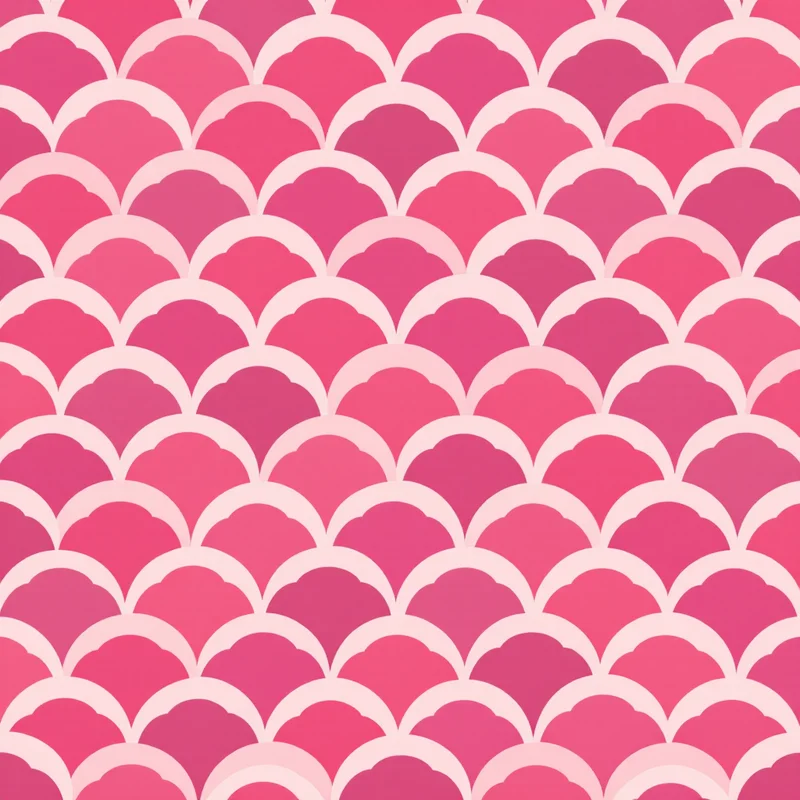
Geometric and botanical are the two dominant families in surface pattern design. They account for the vast majority of commercially printed textiles, wallpapers, and packaging. Each serves different markets, triggers different emotional responses, and comes with different technical considerations. Here is a clear-headed comparison.
Geometric Patterns: Precision and Versatility
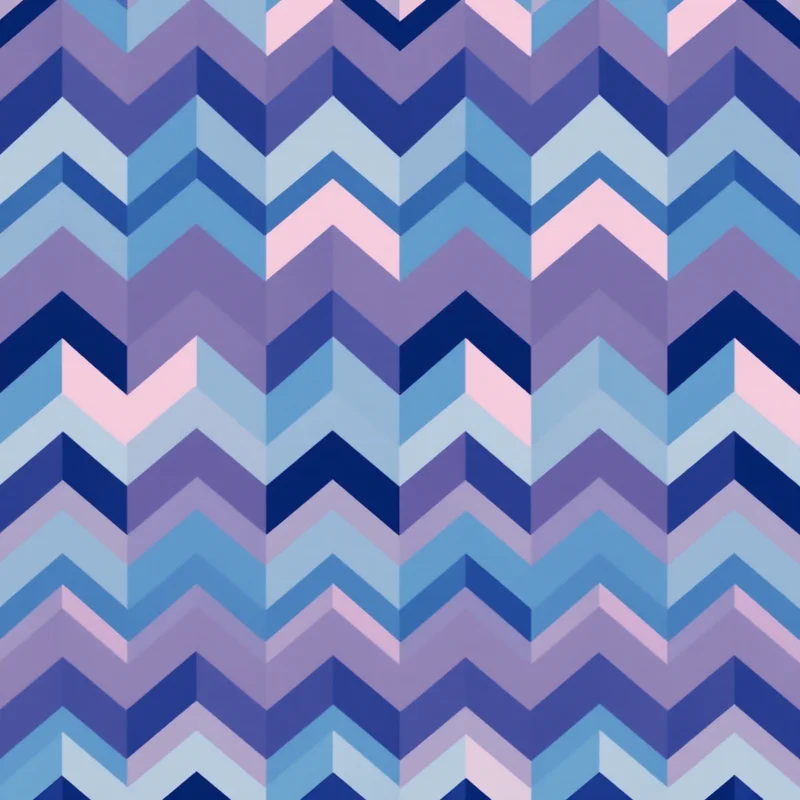
Geometric patterns are built from mathematical shapes — circles, triangles, hexagons, diamonds, chevrons, and grids. They feel structured, clean, and modern. Because the shapes follow predictable rules, they are inherently easy to tile and rarely produce seam problems.
Popular geometric substyles include polka dots, stripes, plaid, herringbone, chevron, ogee, lattice, Greek key, and tessellations. Each has a long commercial history and established customer base.
Where geometric excels:
- Menswear (shirts, ties, pocket squares)
- Corporate and tech branding
- Modern interiors and architectural surfaces
- Premium packaging that needs to feel structured
- Anything targeting a minimalist or contemporary aesthetic
Technical advantages: geometric patterns scale freely. A hexagonal grid looks equally good whether the hexagons are 2mm or 20cm. Color swaps are simple because the shapes are abstract — a chevron works in any palette. These patterns are also the cheapest to print because they tend to use fewer colors.
Botanical Patterns: Emotion and Movement
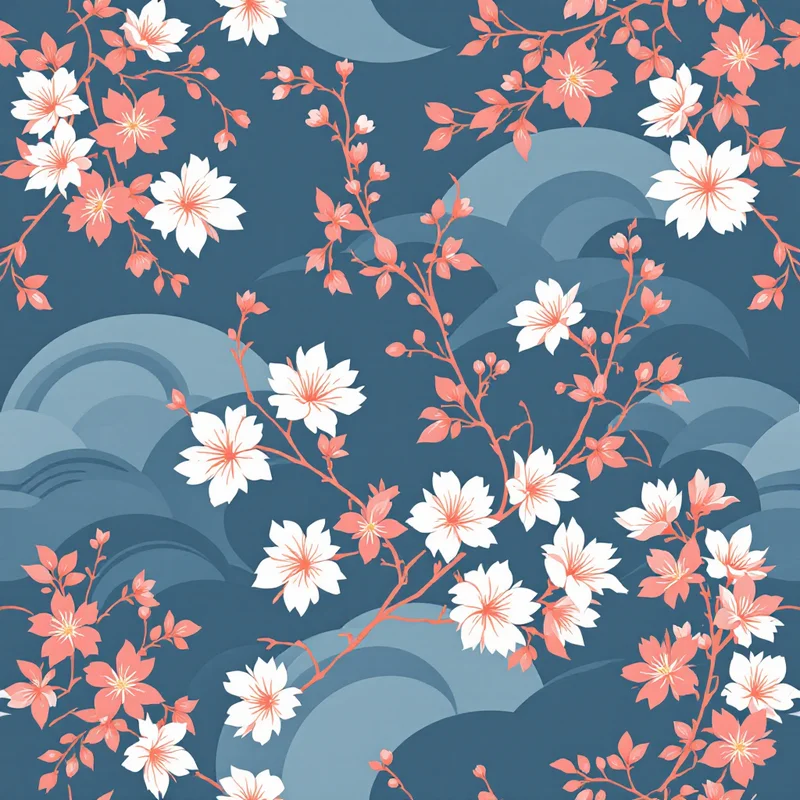
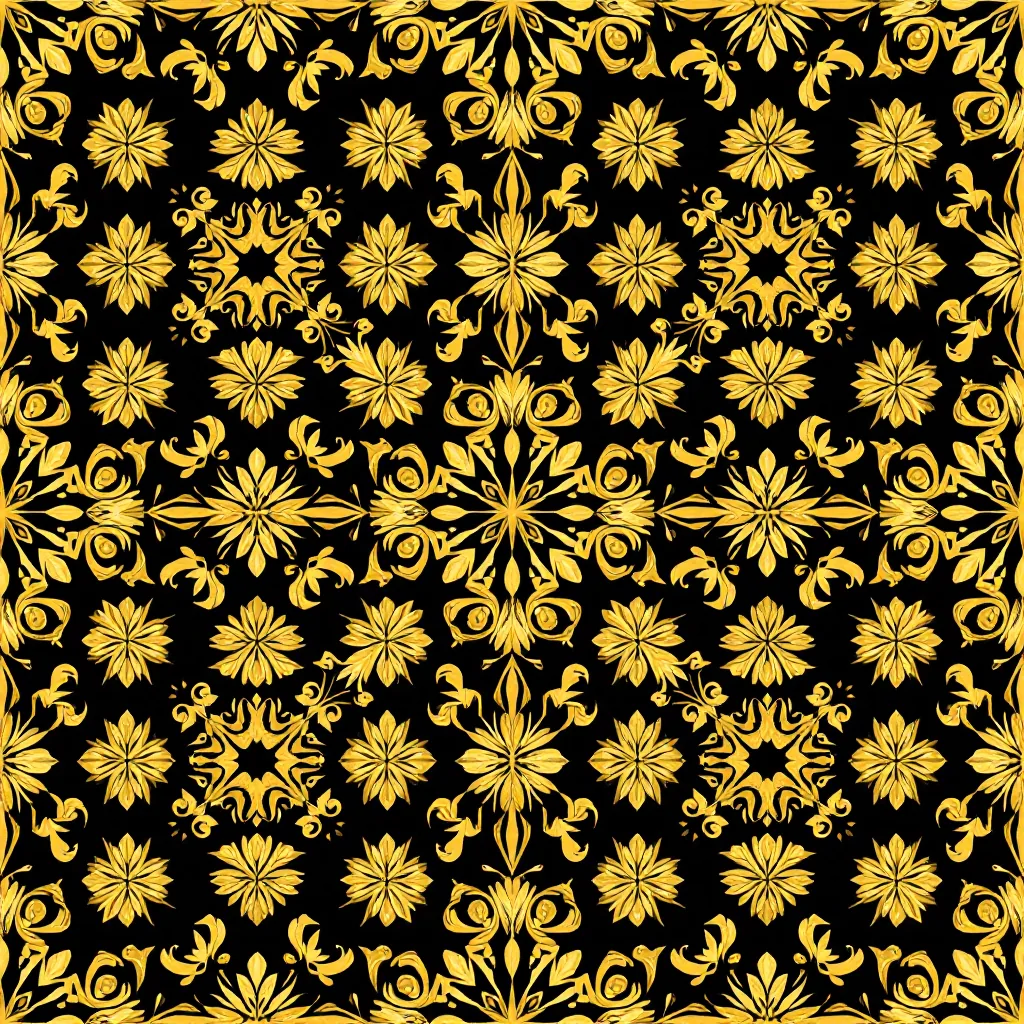
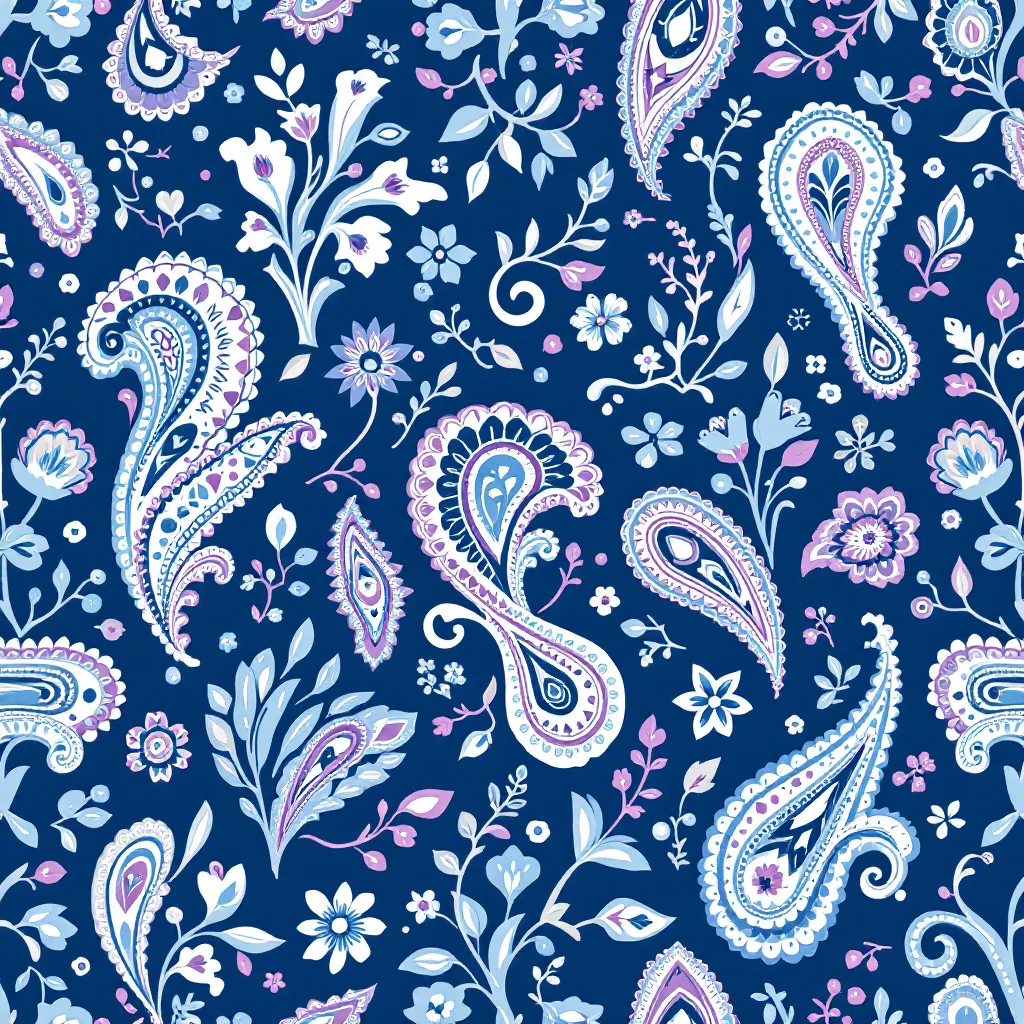
Botanical patterns use organic forms — flowers, leaves, branches, vines, fruits, and seeds. They feel warm, decorative, and emotionally resonant. The range is enormous: from delicate ditsy florals to oversized tropical prints, from precise botanical illustrations to loose watercolor blooms.
Popular botanical substyles include chintz, toile, tropical, wildflower, fern, liberty print, trailing vine, and ditsy. Botanicals have been the single best-selling pattern category in textiles for over 200 years.
Where botanical excels:
- Womenswear and childrenswear
- Home decor (curtains, bedding, cushions, tablecloths)
- Stationery and greeting cards
- Gift wrap and premium packaging
- Wedding materials and event design
Technical challenges: botanical patterns are harder to tile because organic shapes do not naturally align at edges. They are more scale-sensitive — a rose that looks beautiful at 5cm may look odd at 50cm. Color changes require more skill because many botanical motifs carry natural color expectations (roses are red or pink, leaves are green). You can break these conventions, but it takes design confidence.
Key Differences That Matter
Trend resistance. Simple geometric patterns — stripes, dots, grids — are functionally timeless. They never go out of style. Botanical patterns are more trend-sensitive. The specific flowers, the scale, and the rendering style that sells well changes every few seasons. A tropical monstera print that was everywhere in 2022 looks dated now.
Production cost. Geometric patterns typically use fewer colors and simpler separations, making them cheaper to screen-print. Dense botanical prints with many colors and fine gradients require more sophisticated (and expensive) printing processes.
Audience. Geometric patterns skew slightly masculine, modern, and urban. Botanical patterns skew feminine, traditional, and nature-connected. These are generalizations with many exceptions, but they hold broadly across market data.
Coordination. Geometric patterns are natural blenders — they coordinate easily with other patterns in a collection. Botanical patterns tend to be hero prints — statement-making designs that become the focal point of a product.
When to Combine Both
The most commercially successful collections often pair geometric and botanical patterns together. A bold floral hero print gets coordinated with a geometric stripe, a simple dot, and a textural blender. This gives buyers variety within a cohesive palette.
You can also combine them within a single pattern. A grid filled with small flowers. A stripe where the bands alternate between geometric shapes and botanical vines. A hexagonal tile containing a different bloom in each cell. These hybrids get the structural appeal of geometry with the emotional warmth of nature.
The Decision Framework
Choose geometric when: you need maximum versatility, your audience skews modern or masculine, you want easy tiling and color swaps, or you need a blender pattern to coordinate with a bolder print.
Choose botanical when: you want emotional impact and decorative richness, your audience values warmth and natural beauty, you are designing for fashion or home decor, or you need a hero print that carries a product line.
Choose both when: you are building a collection, you want the best of structure and organic warmth, or you are designing for a market that values range and coordination.
Explore related pattern styles
Patterns for