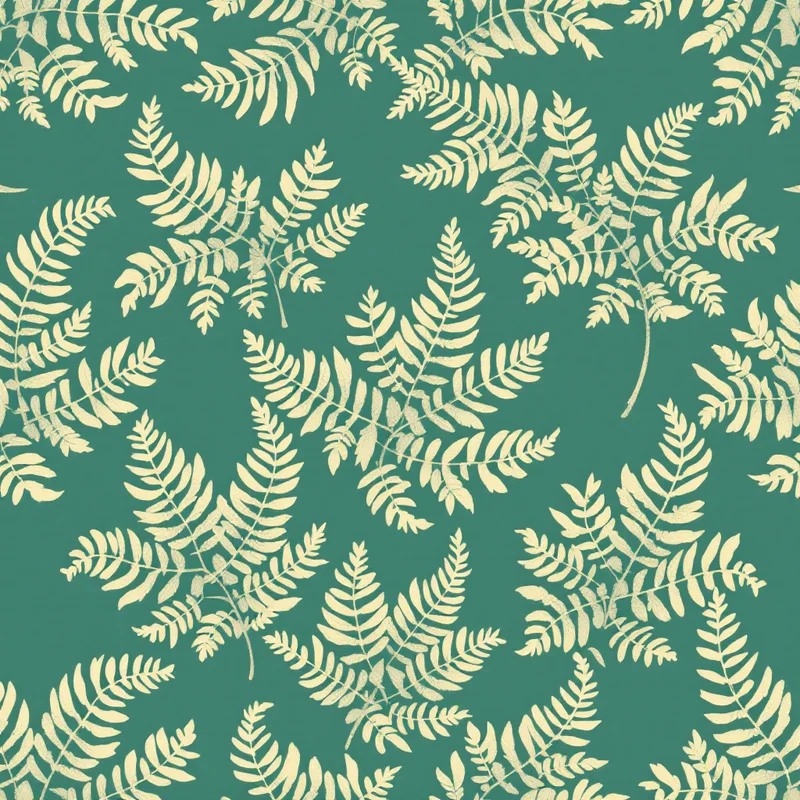
A scrub top is the one garment where a print has to pass three tests before it gets to be pretty: the dress code, the patient in the bed, and the laundry. Designers who understand all three can sell to a buyer who wears the product for twelve hours at a stretch.
Test one: the dress code
Policies vary widely. Many hospitals assign scrub colors by role, and some units, such as operating rooms, supply their own scrubs. That leaves the biggest opening for patterned tops in settings where staff buy their own: outpatient clinics, pediatrics, labor and delivery, dental offices and veterinary practices. If you are designing for a specific employer, ask for the dress code first. If you are designing for the general market, assume the buyer will check policy before checkout, and make that easy by using clear color names in your listing.
Test two: the patient
A scrub print is seen up close by people who may be frightened, in pain or very small. That shapes what to put on it.
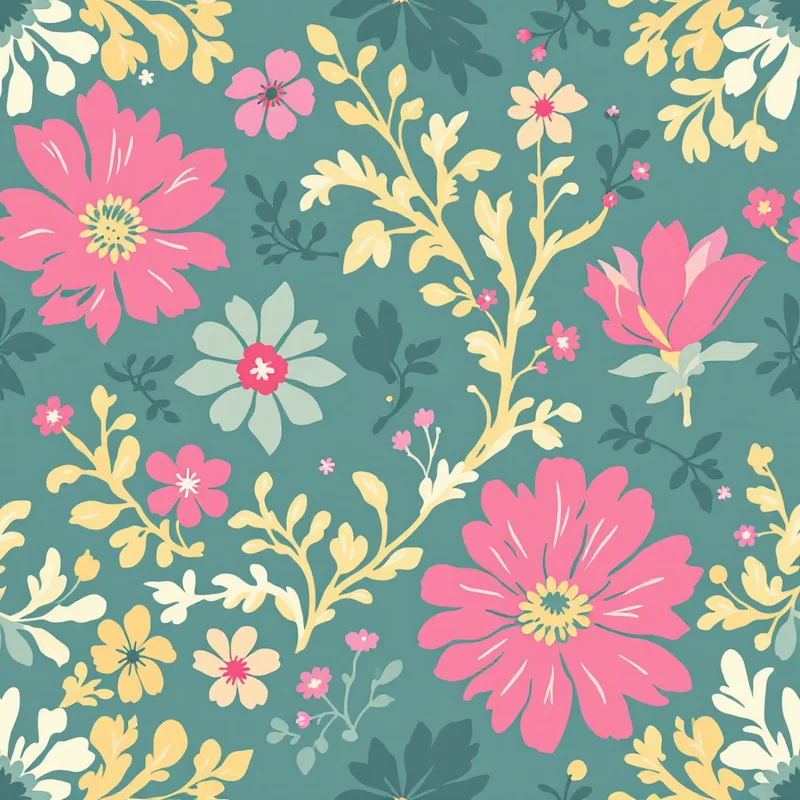
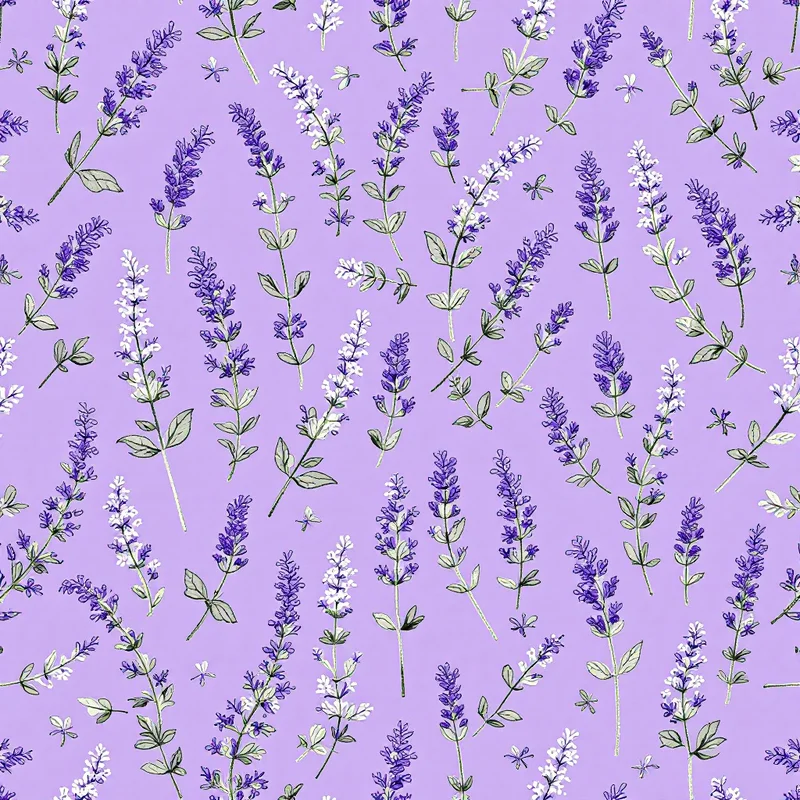
- For adult acute care: keep it quiet. Small botanicals, soft geometrics and tonal textures read calm.
- For children: large friendly motifs, animals and bright color help with trust. Avoid needles, syringes and anything that looks like medical equipment.
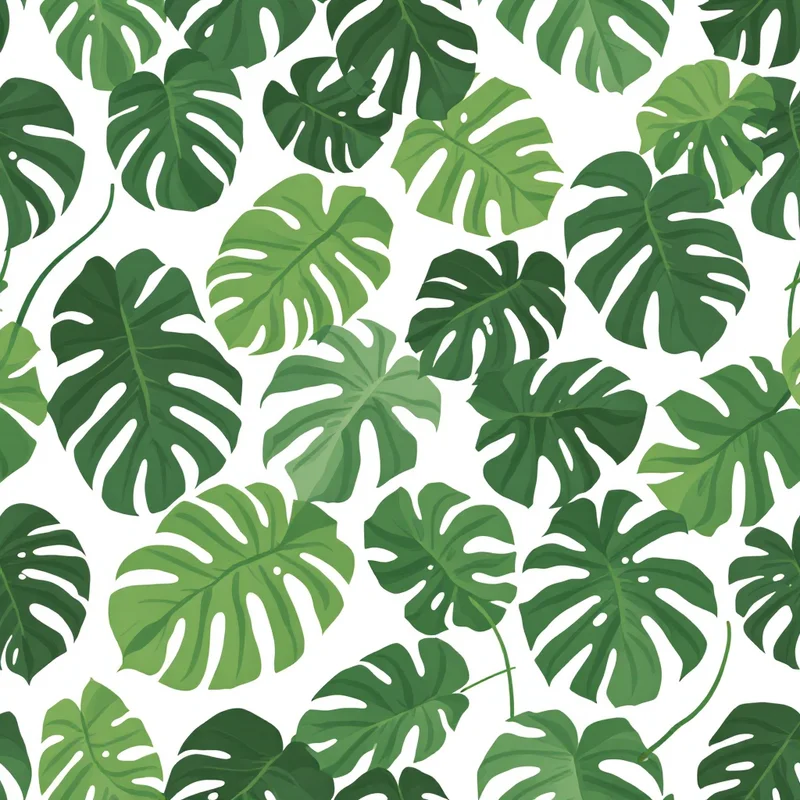
- For long-term care and clinics: warm, familiar motifs such as leaves, birds and gentle stripes feel reassuring.
Professional versus fun
This table is a starting point, not a rulebook.
| Reads professional | Reads fun |
|---|---|
| Tonal ditsy under 1 inch | Medium-scale animals or food at 1.5 to 2.5 inches |
| Muted navy, teal, wine, slate | Pastels, brights, gradients |
| Botanical or geometric | Characters, kawaii faces, cartoons |
| Low contrast between motif and ground | High contrast on white or cream |
A useful middle path is a mid-contrast ditsy with a theme only visible up close, such as tiny stethoscopes tucked among leaves. From across a room it reads as texture. From a foot away it reads as personality.
Scale and placement
Scrub tops are cut, sewn and worn on a moving body, so scale matters more than people expect. Motifs larger than 3 inches can distort across chest and shoulder seams, and a pattern that is too sparse leaves awkward blank patches. A dense or half-drop layout, with motifs 0.75 to 2 inches, hides seams and stays balanced when the wearer bends. A tossed layout also lets one side of the print get cut away without losing the whole effect.
Fabric and wash
Scrubs are commonly made from polyester blends and washed often, sometimes hot. Polyester suits sublimation, which locks color into the fiber, but check fiber content with your printer before you finalize colors. Dark, saturated grounds tend to hide the faint marks of a long shift better than white, and mid-tone prints disguise light wear. Read the sublimation pattern design guide to avoid the white-edge problem at seams.
Seasonal scrub prints
Holiday scrubs are a natural cycle because wearers like to mark the calendar in small ways. Plan tonal and playful versions of each:
- Valentine's Day: hearts in pinks and reds, or in tonal rose
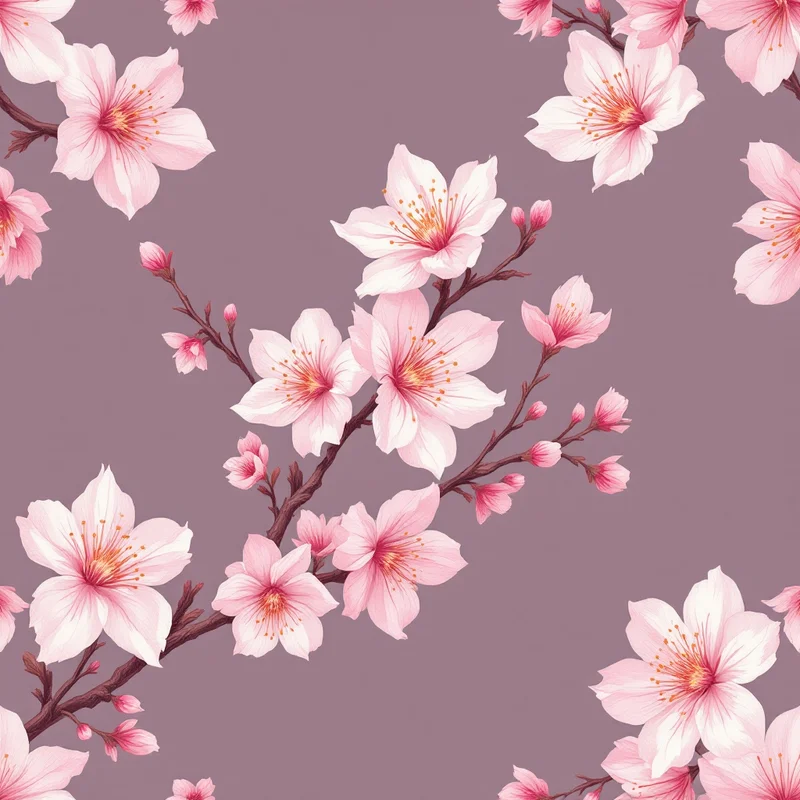
- Spring and Easter: tulips, chicks, and pastel patterns
- Summer: citrus, waves, sunflowers
- Fall and Halloween: leaves, small ghosts, bats, which pair with the ideas in Halloween pattern design
- Winter holidays: snowflakes and pine sprigs, more restrained than gift wrap; see Christmas pattern design ideas
Because scrubs are practical wardrobe pieces, subtle seasonal prints (leaves instead of pumpkins, snowflakes instead of Santa) have the longest wear window.
Themes that resonate
A print can nod to the specialty without being clinical: tiny hearts for cardiology, baby footprints for maternity, paw prints for veterinary, teeth for dental. Browse healthcare patterns to see how those motifs can be abstracted into repeats.
Try writing a prompt in Describe It, such as "tonal teal ditsy leaves, tiny stethoscope hidden among them, 0.75 inch scale". Each pattern is a seamless tile in about 20 seconds, and Restyle changes the finish of a pattern you already like without starting over.
Explore related pattern styles