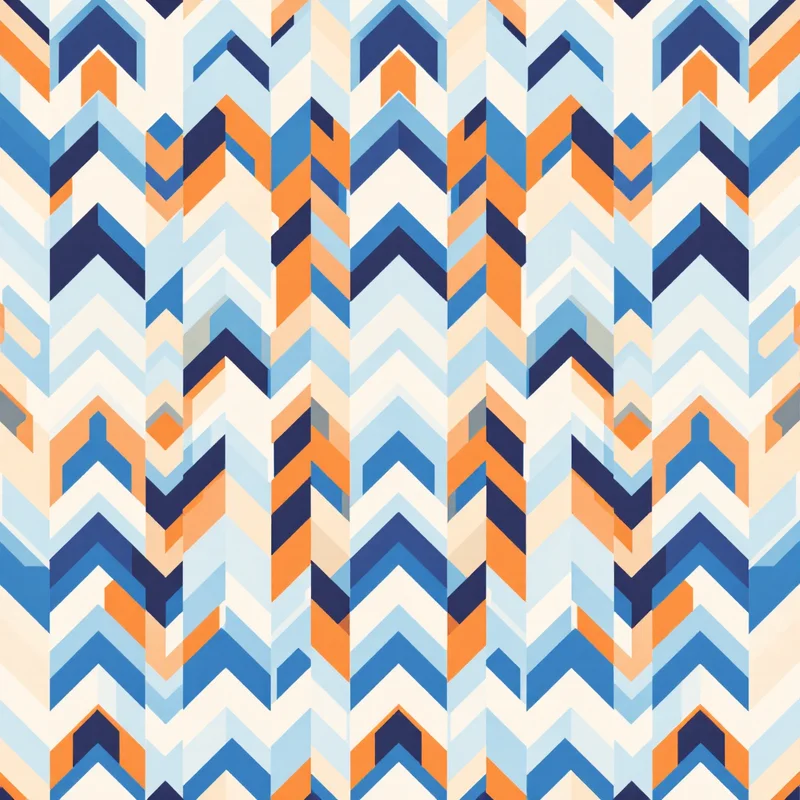
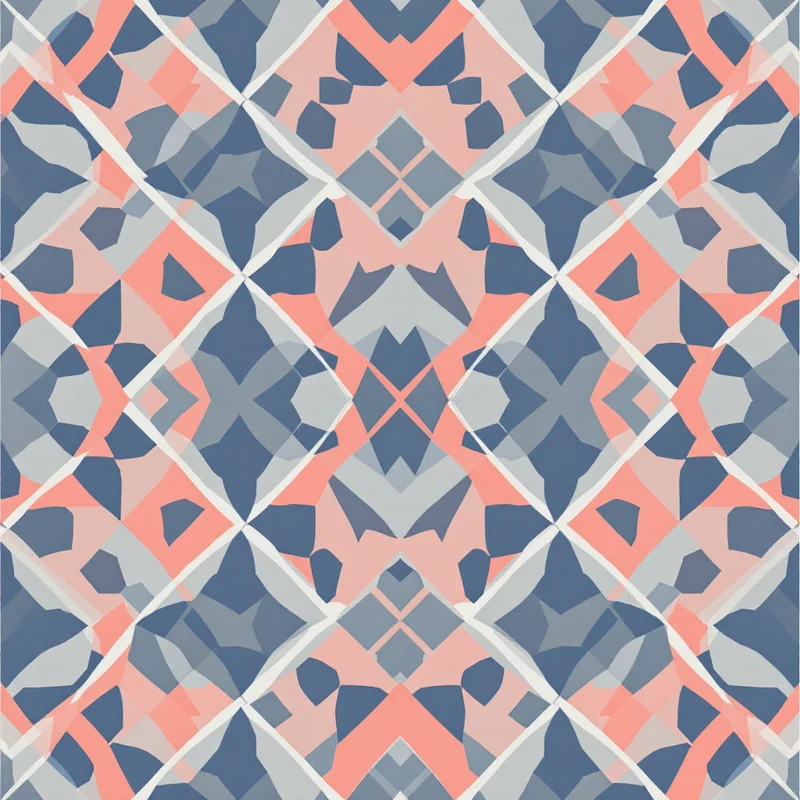
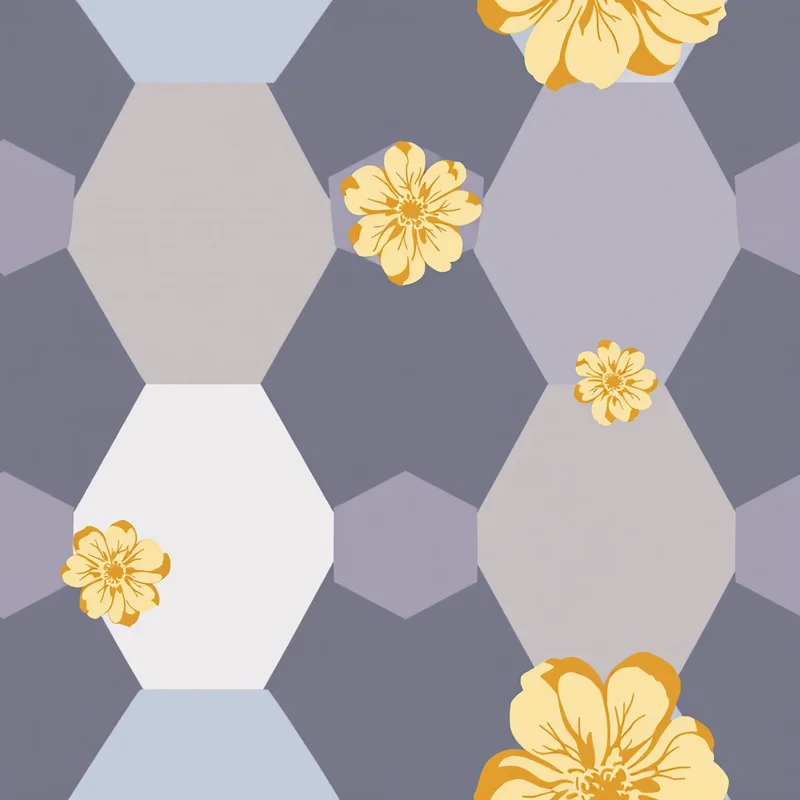
Quilt block pattern design sits at a fascinating intersection of traditional craft and contemporary surface design. For centuries, quilters have built patterns by combining mathematically rigorous blocks — nine-patches, log cabins, flying geese — into larger compositions. Modern quilting has expanded that vocabulary significantly, and AI tools now offer quilt designers rapid fabric-pattern generation for their blocks. This guide walks through traditional quilt block foundations, modern quilting directions, and how AI-generated patterns fit into contemporary quilt design.
Key takeaway: Traditional quilt blocks provide mathematical structure; AI-generated fabric patterns provide print variety. The combination gives modern quilters access to design possibilities neither traditional craft nor pure AI generation could produce alone.
Traditional Quilt Block Foundations
Nine-Patch. The simplest and most foundational quilt block — a 3x3 grid of squares. Serves as the basis for dozens of variations (double nine-patch, disappearing nine-patch, irish chain).
Log Cabin. Strips arranged in concentric squares around a center. Traditionally the center is red (hearth) with light strips on one side and dark on the other. Creates diagonal visual movement when blocks combine.
Flying Geese. Triangle-based blocks where one larger triangle is flanked by two smaller triangles. Directional pattern that creates movement across the quilt.
Star Blocks. Lone Star, Ohio Star, Sawtooth Star, Eight-Pointed Star. Dozens of star variations, each with specific construction and visual character.
Pinwheel. Four triangles arranged to create the visual effect of a spinning pinwheel. Creates rotational movement.
Drunkard's Path. Curved piecing creating pairs of curves across blocks. Visually distinctive and technically challenging.
Bear Paw. Complex block representing stylized bear tracks. Strong graphic motif in traditional quilting.
Modern Quilt Design Directions
Improv quilting. Loose, non-traditional construction without pre-planned patterns. Blocks are built spontaneously. Aesthetic is painterly and organic rather than mathematical.
Negative-space quilts. Large areas of solid fabric (or quilted solid fabric) surrounding smaller pieced elements. Contemporary minimalist aesthetic.
Scrappy quilts. Constructed from many small fabric remnants. Visual interest comes from fabric variety rather than pattern precision.
Gradient quilts. Blocks arranged in color gradients — blues fading to purples to reds, for example. Modern aesthetic that leverages commercially available solid fabrics.
Curves-driven modern. Modern quilts built around curved blocks (drunkard's path variations) rather than strictly geometric block structures.
Fabric Pattern Selection for Quilts
Choosing fabrics for a quilt project is itself a pattern design problem. Most successful quilts combine:
Hero prints. Large-scale statement fabric used as featured block centers or large unpieced areas.
Blenders. Medium-scale patterns that coordinate with hero prints but don't compete. Small florals, subtle geometric prints, and textured solids all work.
Solids or near-solids. Ground fabric that provides visual rest. Modern quilts lean heavily on high-quality solid fabrics.
Coordinating palette. All fabrics in a quilt should work within a single cohesive color palette. 5-7 colors maximum across the whole quilt.
AI-Generated Fabric Patterns for Quilting
The modern quilting market has seen significant growth in custom-printed fabric — services like Spoonflower, Fabric on Demand, and others let quilters order fabric yardage printed with their own custom patterns. AI pattern generators fit directly into this workflow.
The typical process:
- 1Plan the quilt's overall palette and block structure.
- 2Use Pattern Weaver to generate coordinating fabrics — one hero pattern, two or three blenders, and optional solids.
- 3Upload the patterns to Spoonflower or similar fabric printing service.
- 4Order yardage for the quilt project.
- 5Cut and piece traditionally using the custom-printed fabrics.
This workflow lets individual quilters access fabric designs that would never be commercially produced — specific aesthetic combinations, personalized colorways, and hero prints that exactly match a particular quilt vision.
See the Spoonflower design guide for more on custom fabric printing workflow.
Color Theory for Quilts
Quilts are fundamentally collage works — small pieces of many fabrics combining into a unified whole. Color coordination matters more than almost any other design discipline.
Value contrast. Quilts need meaningful contrast between light, medium, and dark fabrics to read as structured patterns rather than muddy combinations. Always include fabrics at three distinct value levels.
Temperature balance. Warm fabrics (reds, oranges, yellows) combined with cool fabrics (blues, greens, purples) create vibrant quilts. All-warm or all-cool quilts work too but produce different moods.
Print scale variety. Mix fabric print scales — some large prints, some medium, some small, some solid. All-same-scale quilts feel flat.
See the pattern color palette guide for broader palette-building principles.
Quilt Block Categories That Work with AI Patterns
Blocks that feature large unpieced "canvases" are ideal for AI-generated statement fabrics:
Courthouse Steps. Rectangular block with solid borders surrounding a center square. The center showcases hero fabric.
Square-in-Square. Nested squares. Inner square is your statement print; outer borders are coordinating blenders.
Broken Dishes. Four-patch with triangles. Good for showing multiple coordinating fabrics.
Charm square quilts. Simple squares in grid arrangement. Entirely about fabric combination. Ideal for showcasing custom-printed AI fabrics.
Quilt Pattern Styles by Tradition
Americana/Traditional — Civil War repro fabrics, Thirties prints, classic red-white-blue palettes. See vintage patterns.
Amish style — saturated solids only, traditional geometric blocks. Bold and graphic.
Modern/Boro-inspired — sashiko stitching, indigo palette, minimalist compositions. Bridges Japanese and modern aesthetics. See the Japanese pattern design guide.
African American quilting traditions — improv piecing, bold color combinations, storytelling quilts. Important tradition with deep cultural lineage.
Scandinavian folk — star blocks, folk florals, muted palettes. See the Scandinavian pattern design guide.
Selling Quilt Patterns
Quilt pattern design has its own market beyond custom quilting itself:
Digital quilt patterns — written pattern instructions with cutting guides and assembly diagrams. Sell on Etsy, Craftsy, and pattern-specific platforms.
Fabric pattern licensing — fabric manufacturers license pattern designs for quilting fabric collections. Higher ceiling but relationship-based.
Block-of-the-month subscriptions — quilt shops and independent designers sell monthly quilt block patterns with coordinating fabric recommendations.
Custom printed quilt fabric on demand — Spoonflower royalties for quilt-friendly patterns.
See the quilting use-case guide.
Getting Started
Open Pattern Weaver's studio and generate a coordinating set of four fabric patterns for a small quilt project. Pick a palette (e.g., sage, cream, dusty rose, and terracotta), then generate:
- A hero print (statement botanical or geometric)
- A medium blender (smaller floral or geometric)
- A small blender (ditsy print or texture)
- A solid-look textured fabric
Order a yard of each through Spoonflower and piece a small lap quilt as your test project. For more on quilting-specific pattern strategy, see the quilting patterns guide.
Explore related pattern styles
Patterns for