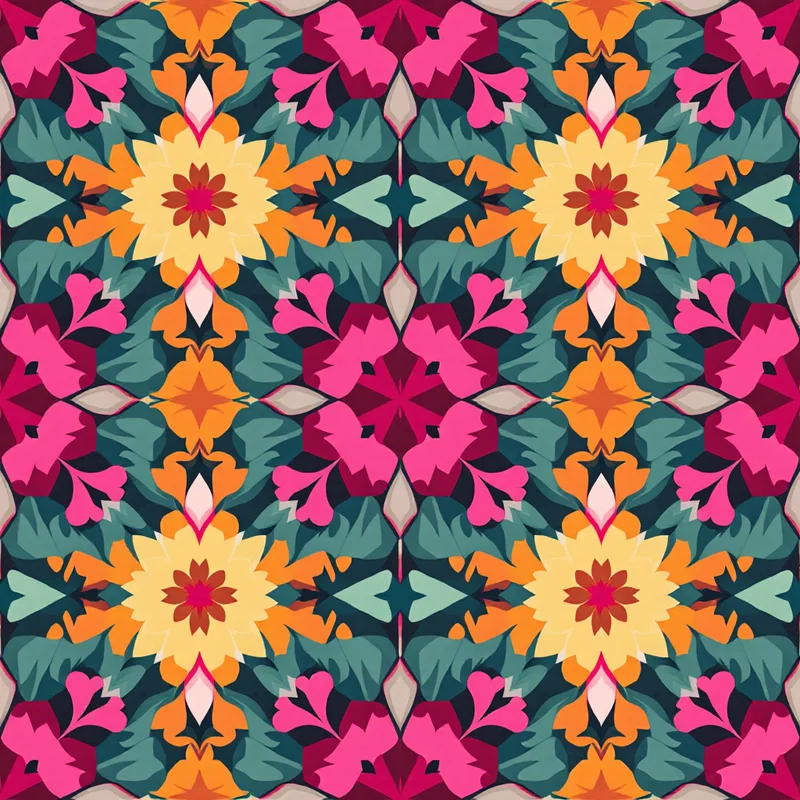
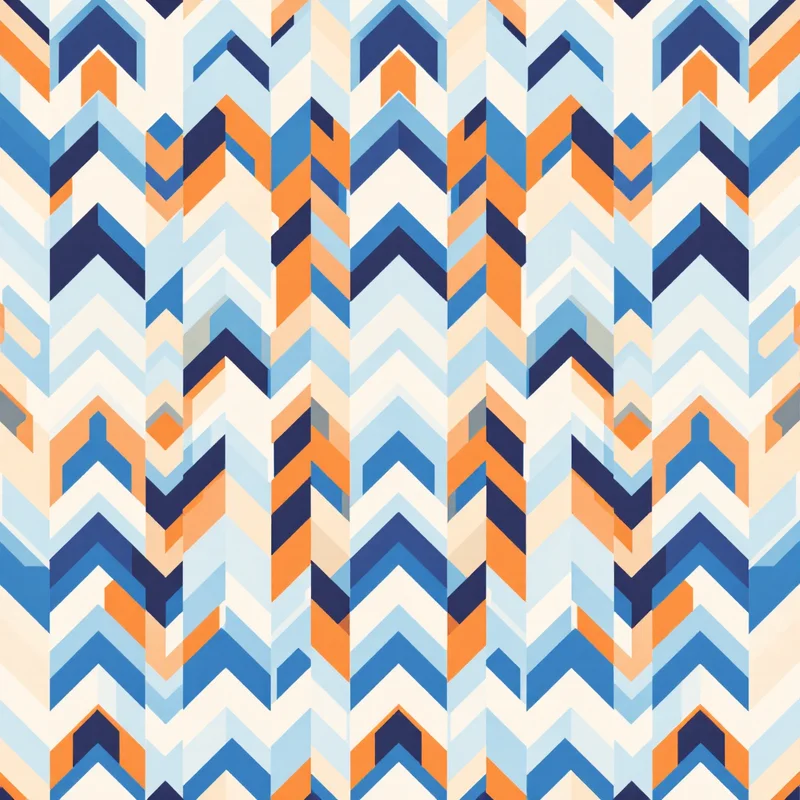
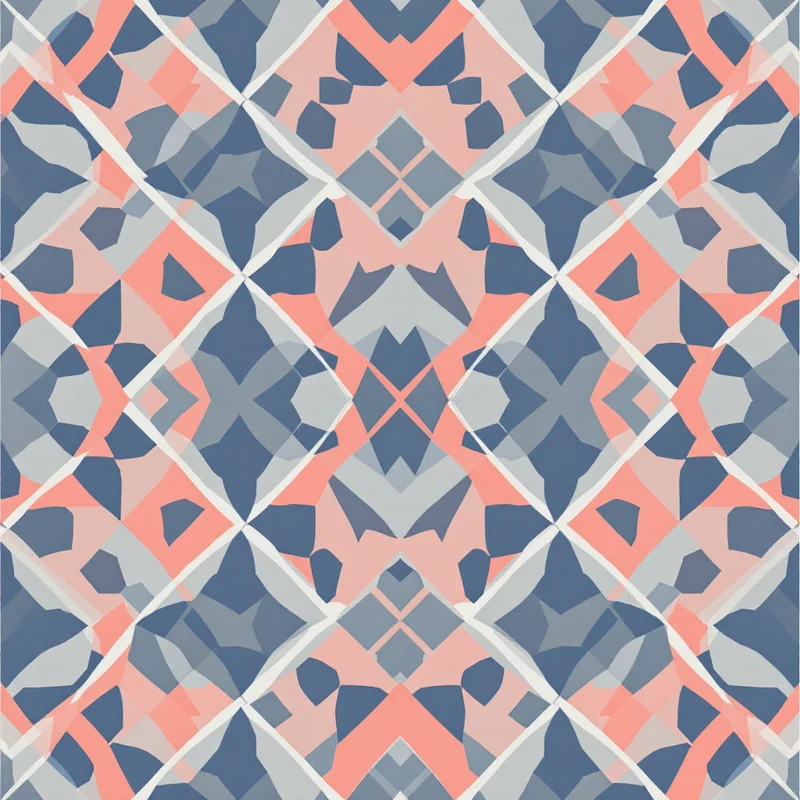
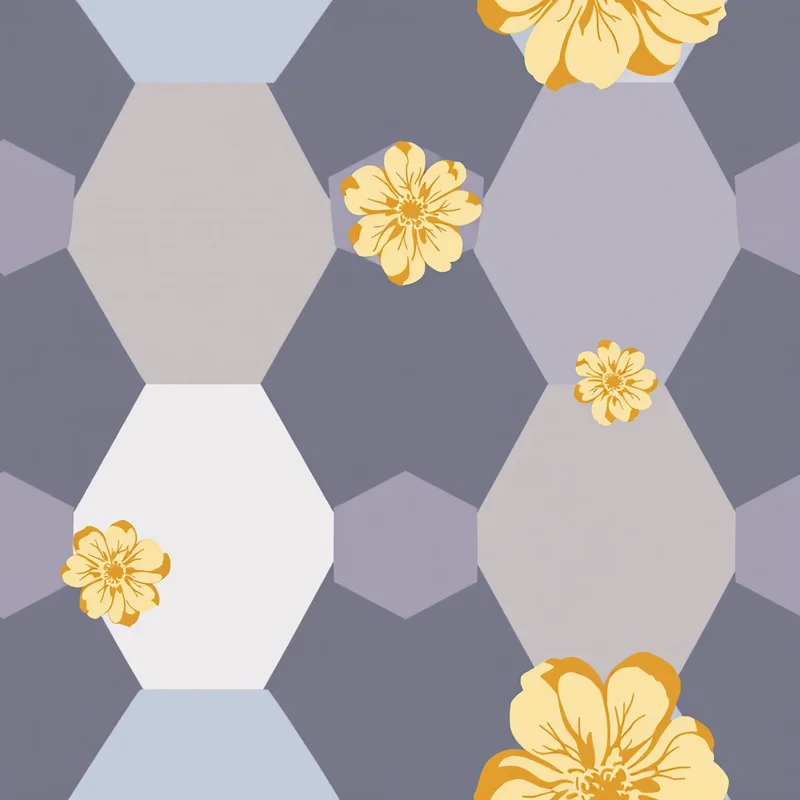
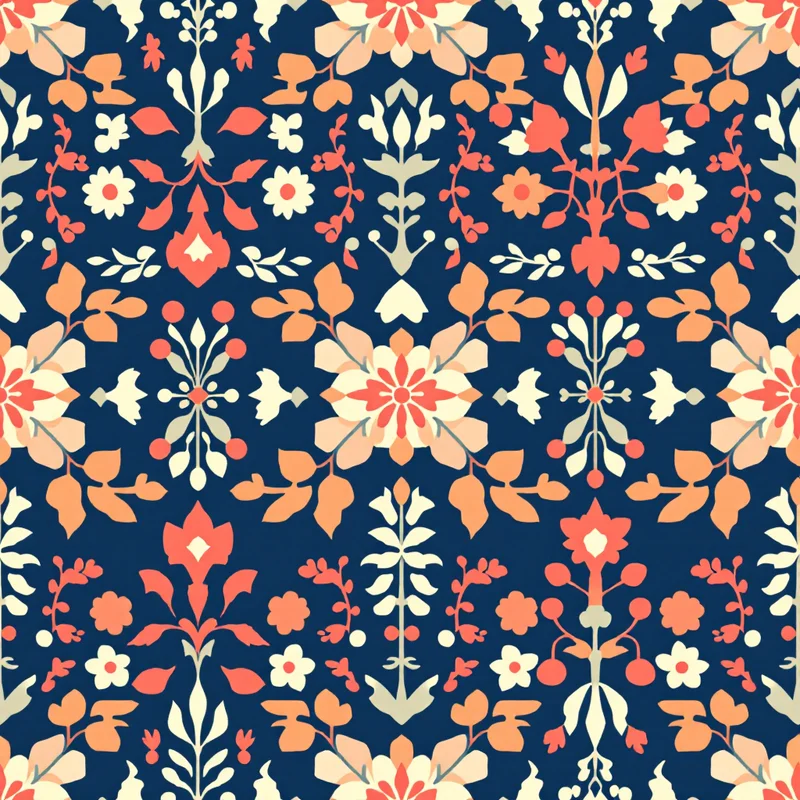
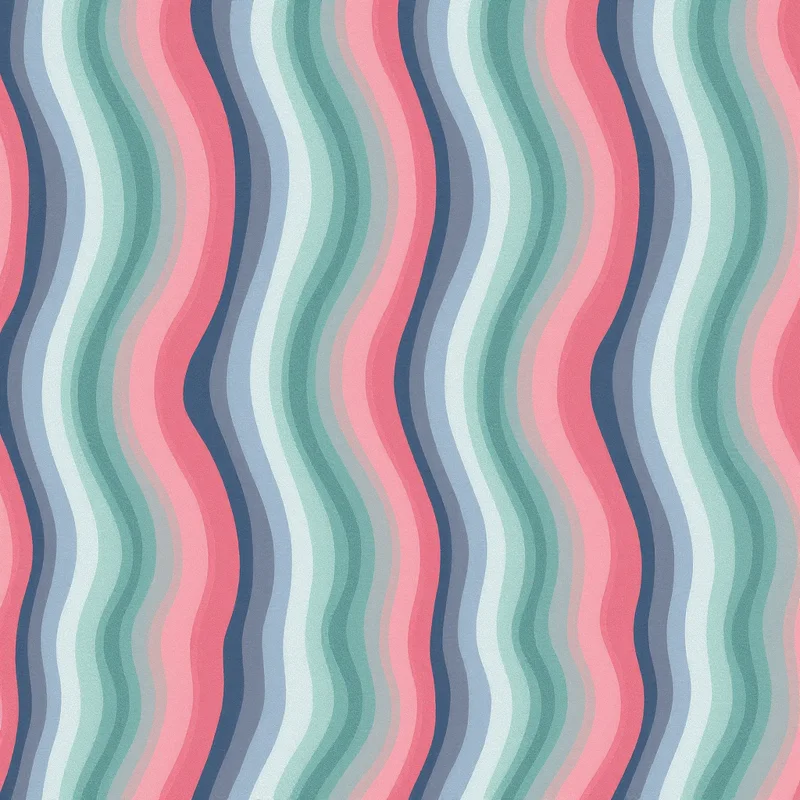
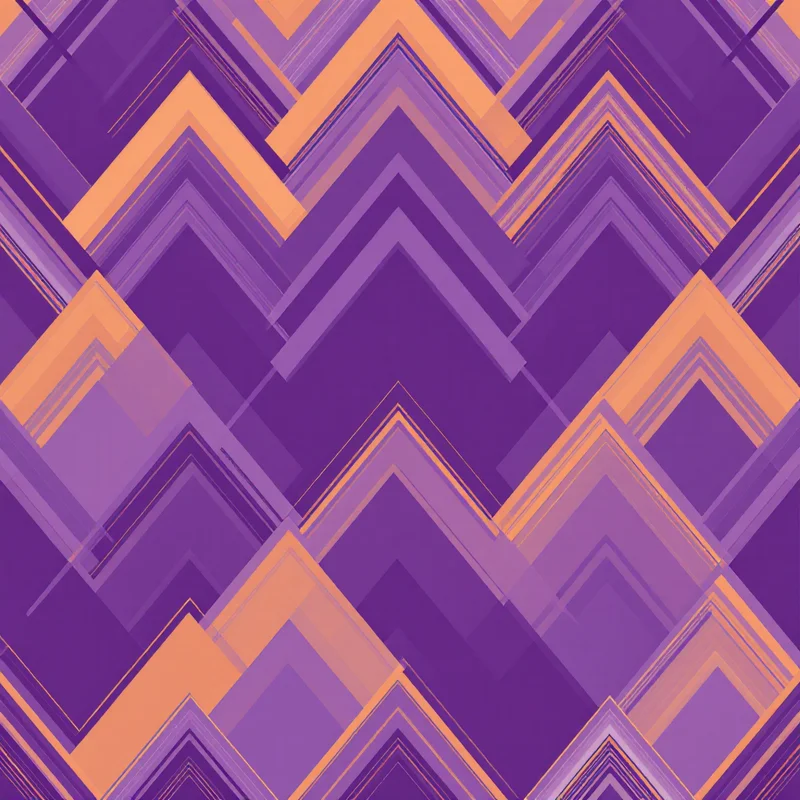
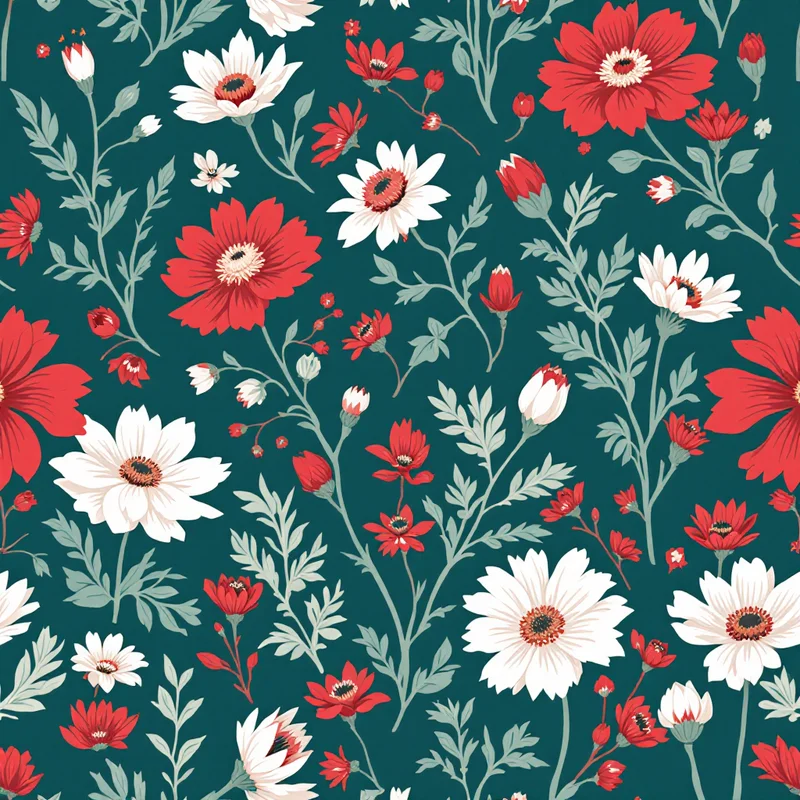
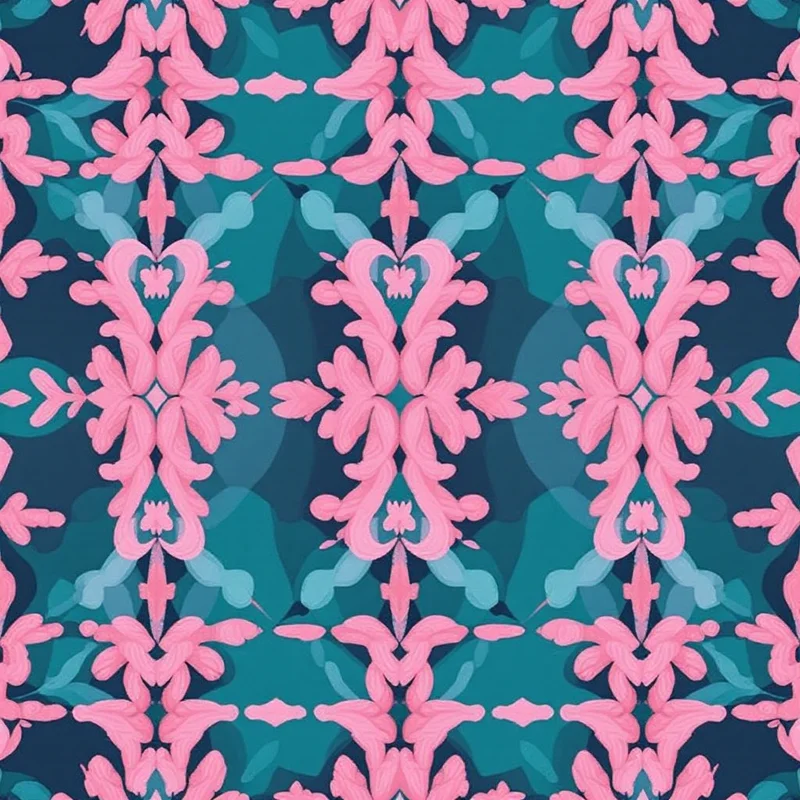

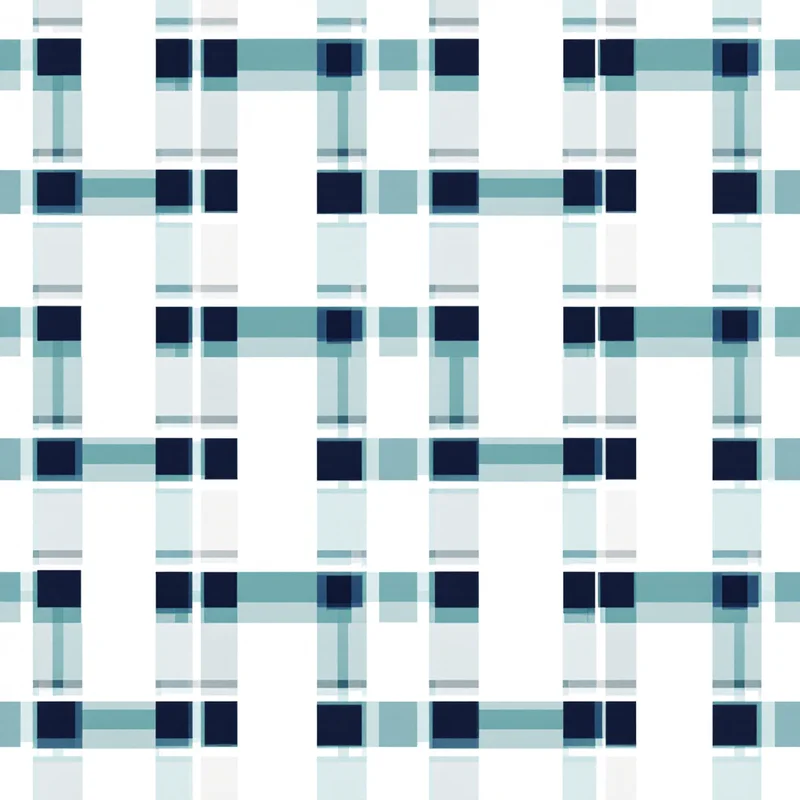
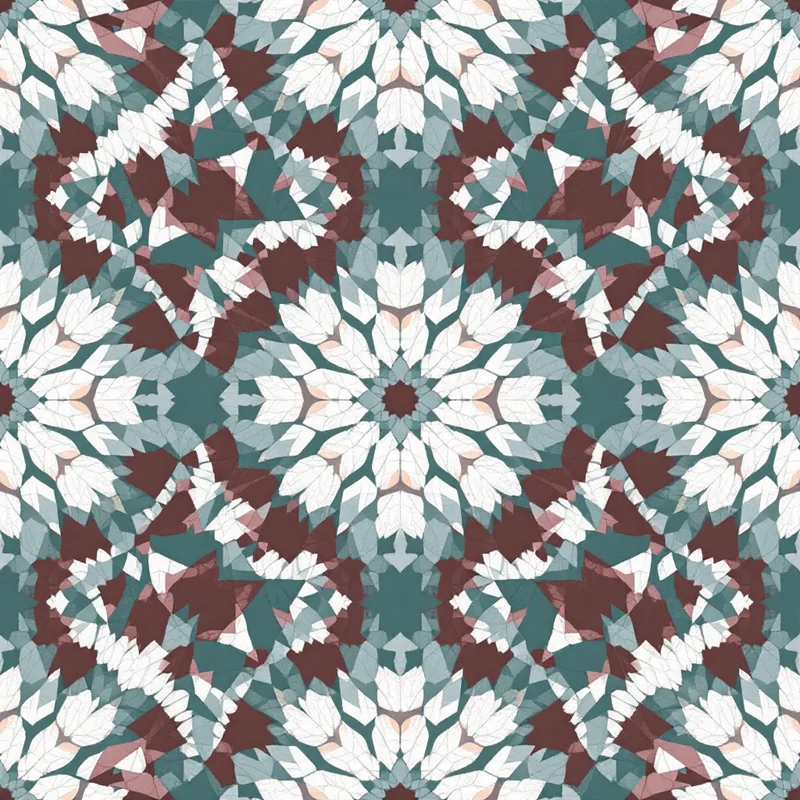
Quilters need something specific that general pattern tools often miss: coordinating fabric collections built for cutting and piecing. A successful quilt fabric line includes hero prints with large-scale focal motifs, mid-scale supporting designs, small-scale blenders, and simple tone-on-tone textures — all sharing a color palette that looks intentional when cut and reassembled into blocks.
You can build complete quilting fabric collections in a single session. Start with a hero botanical or novelty print, then generate coordinating geometrics, stripes, dots, and textured solids in the same palette. The result is a collection that a quilter can combine confidently, knowing every fabric works with every other fabric in the set.
The quilting market is one of the most commercially valuable segments in fabric design. Quilting cotton is a multi-billion dollar industry, and independent fabric designers who sell through Spoonflower, their own shops, or wholesale to quilt shops earn reliable revenue from coordinated collections. Quilters are loyal customers who buy entire collections, not single yards.
For quilting pattern designers selling digital files, the bundle format is essential. Sell sets of 8-12 coordinating patterns as a collection, priced higher than individual files. Quilters expect this format and actively search for coordinating sets rather than individual patterns.
Export at 150 DPI for Spoonflower or 300 DPI for direct-to-fabric printing. Every pattern tiles seamlessly at standard quilting repeat sizes.