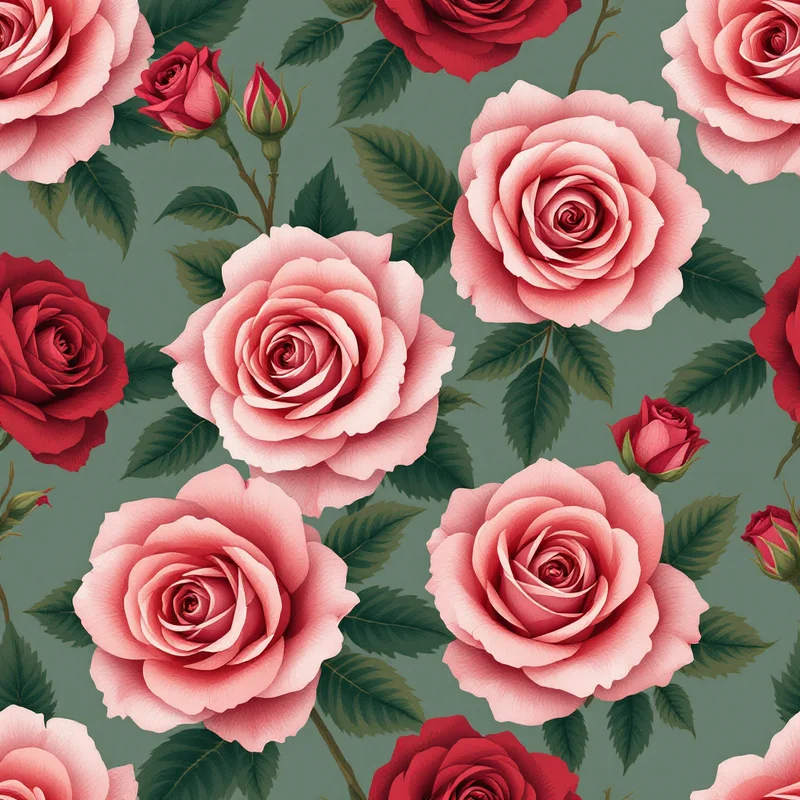
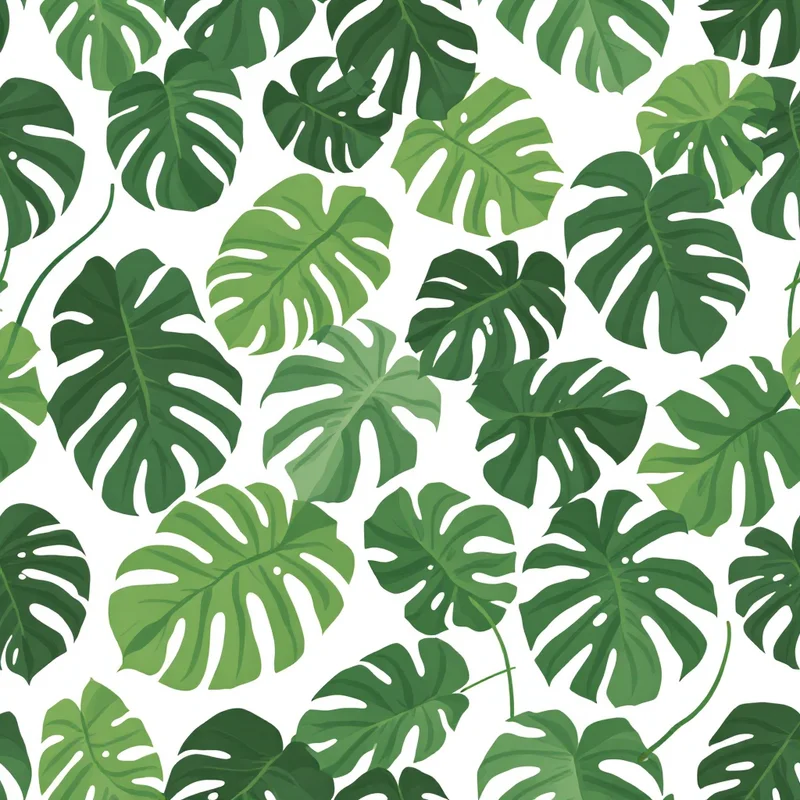
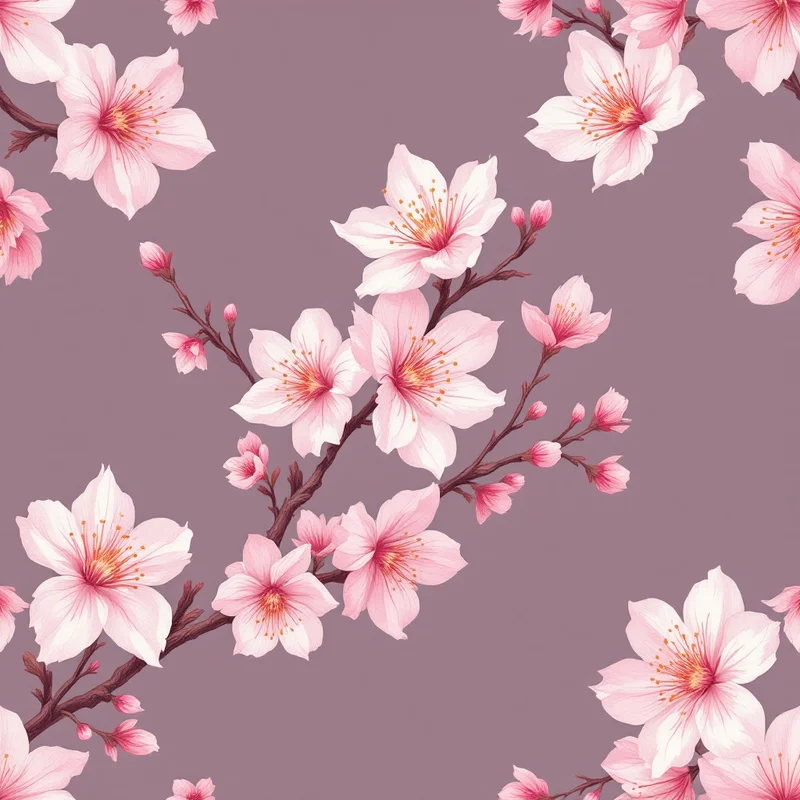
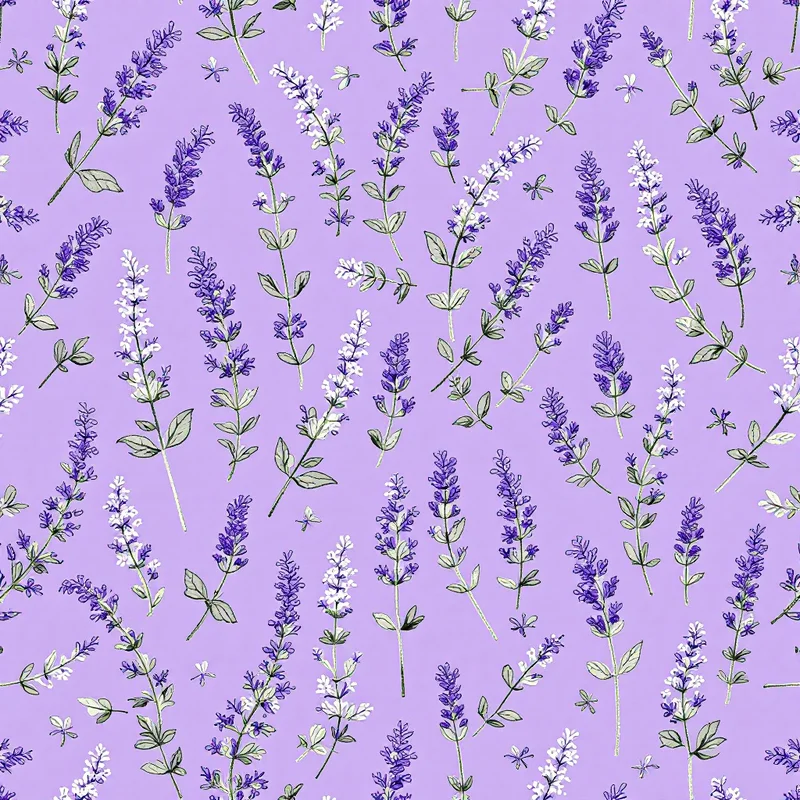
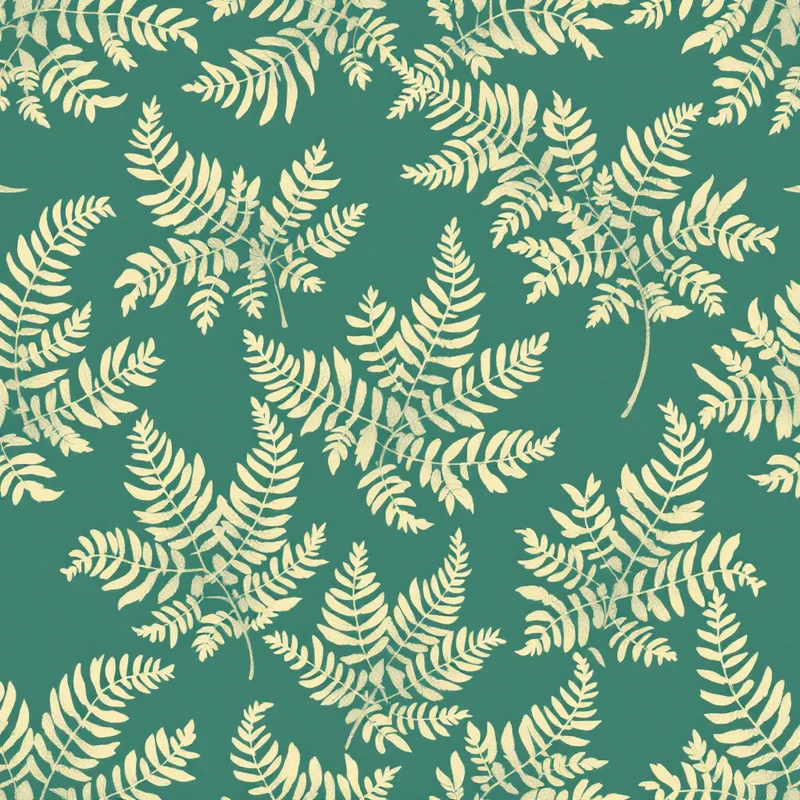
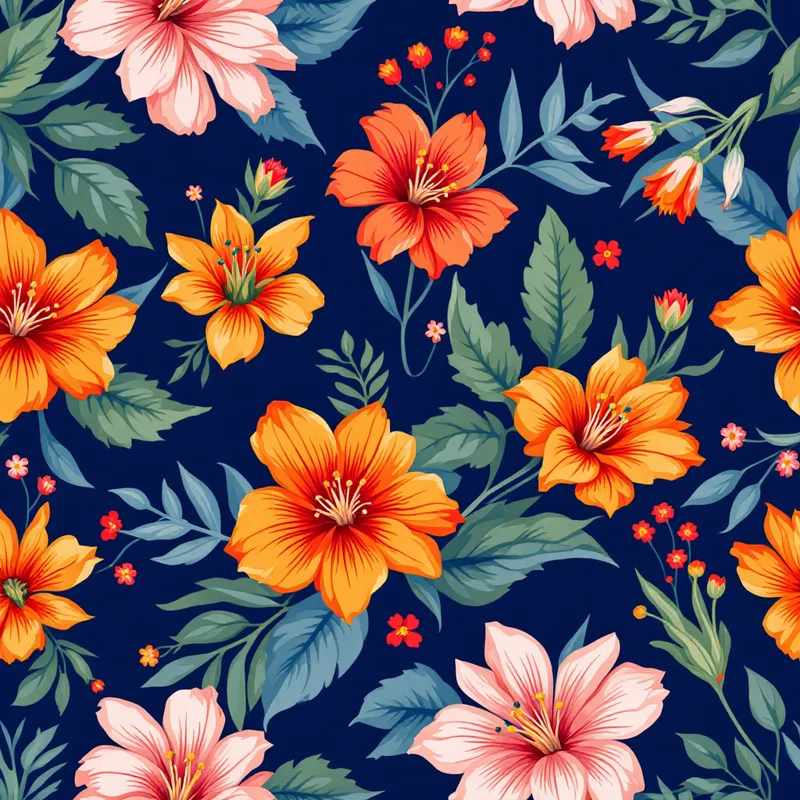
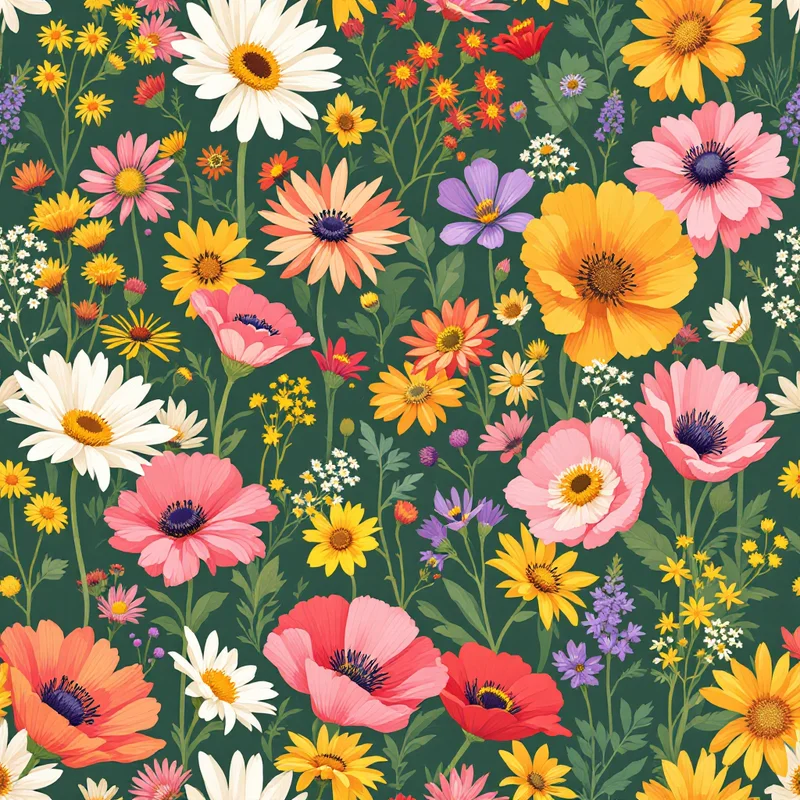
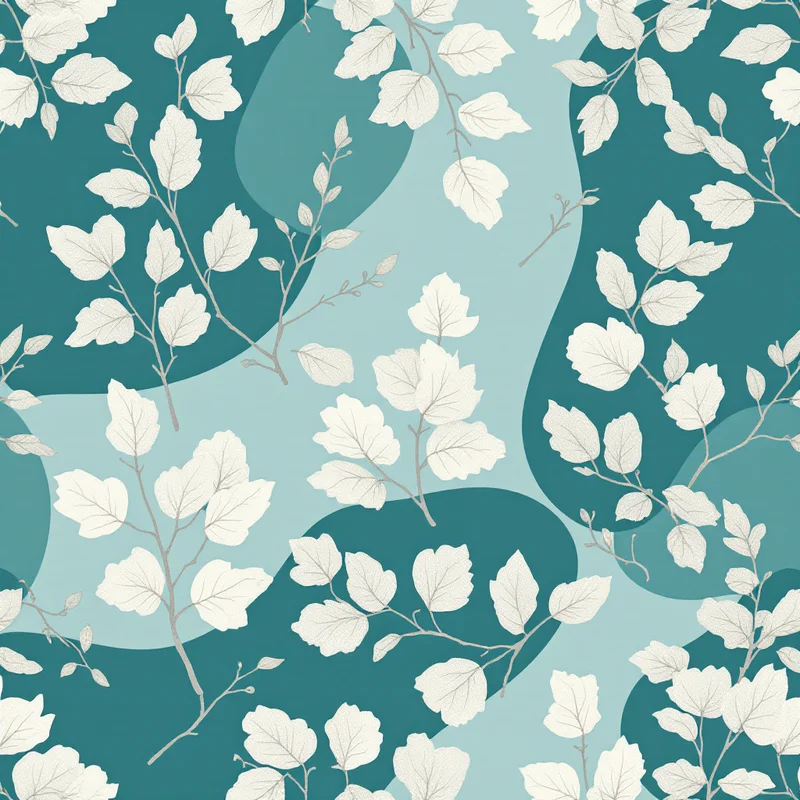
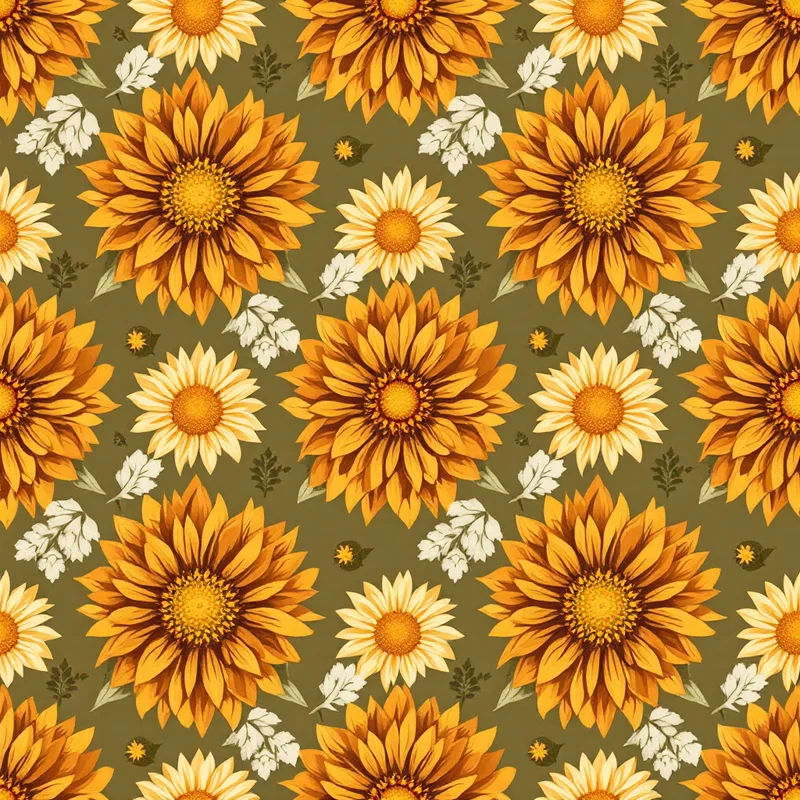
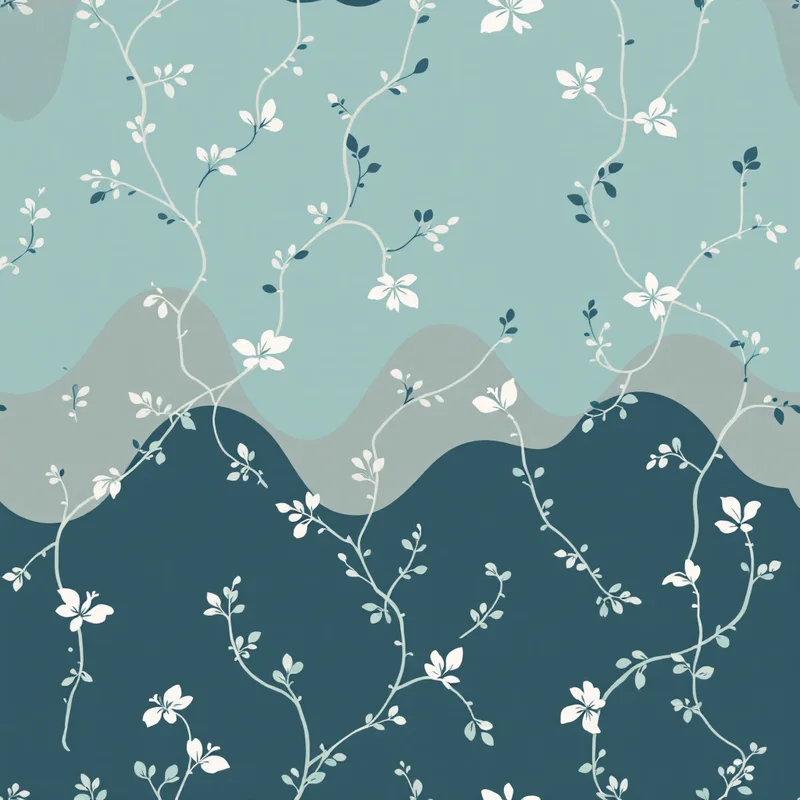
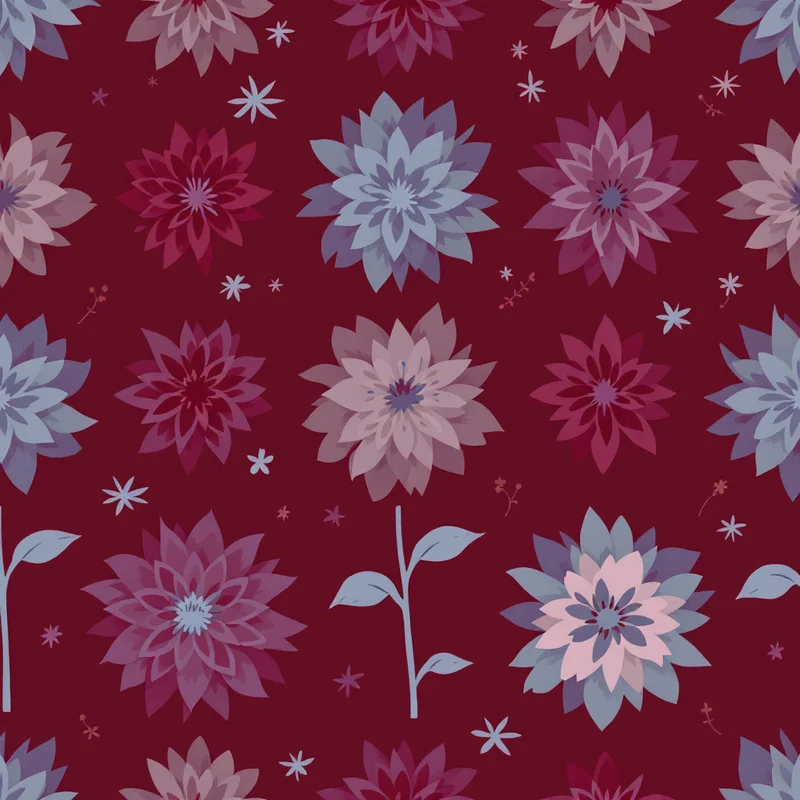
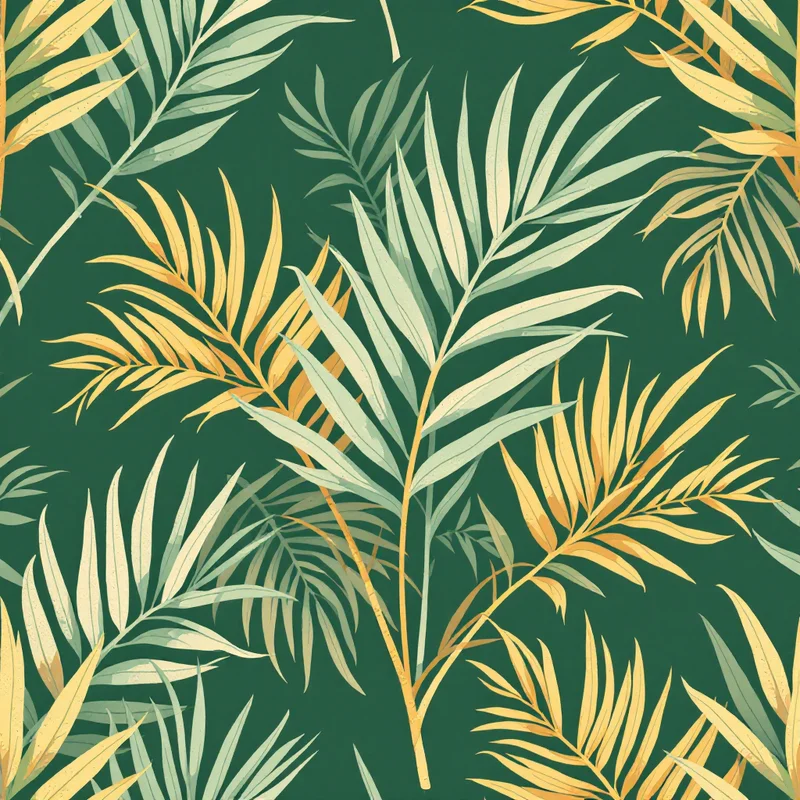
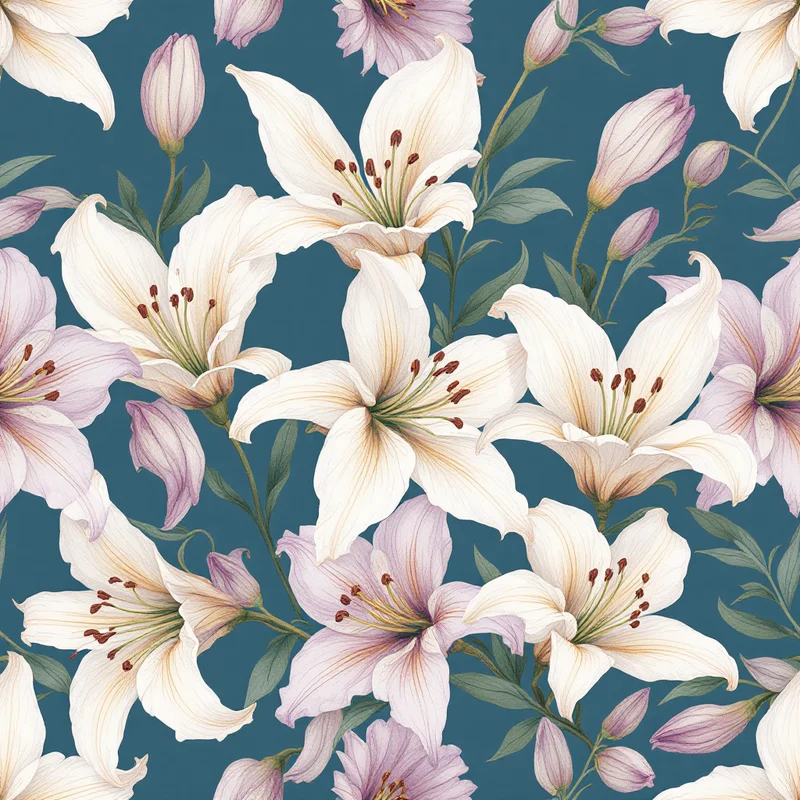
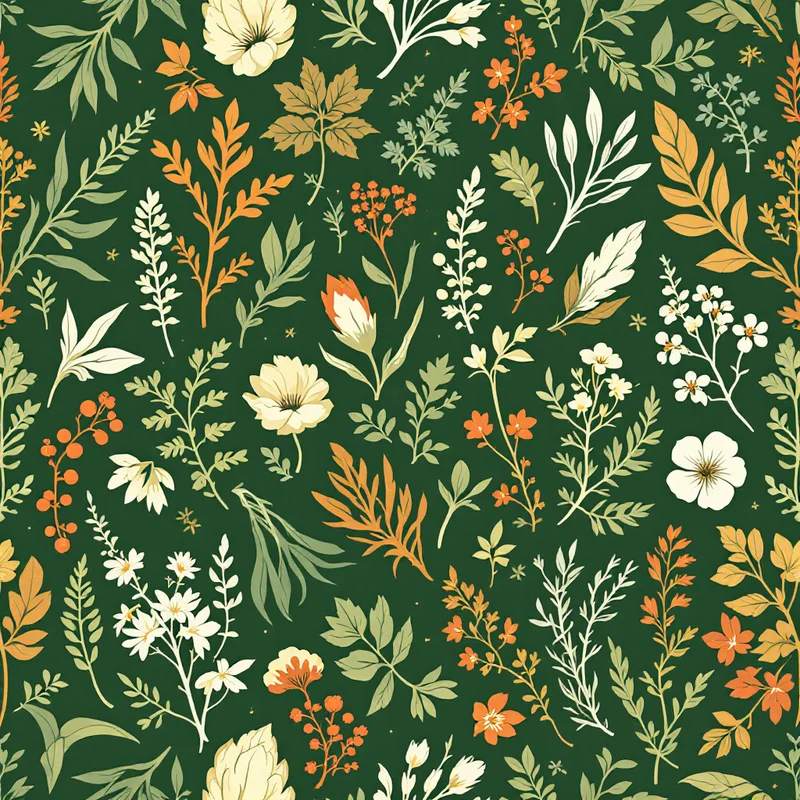
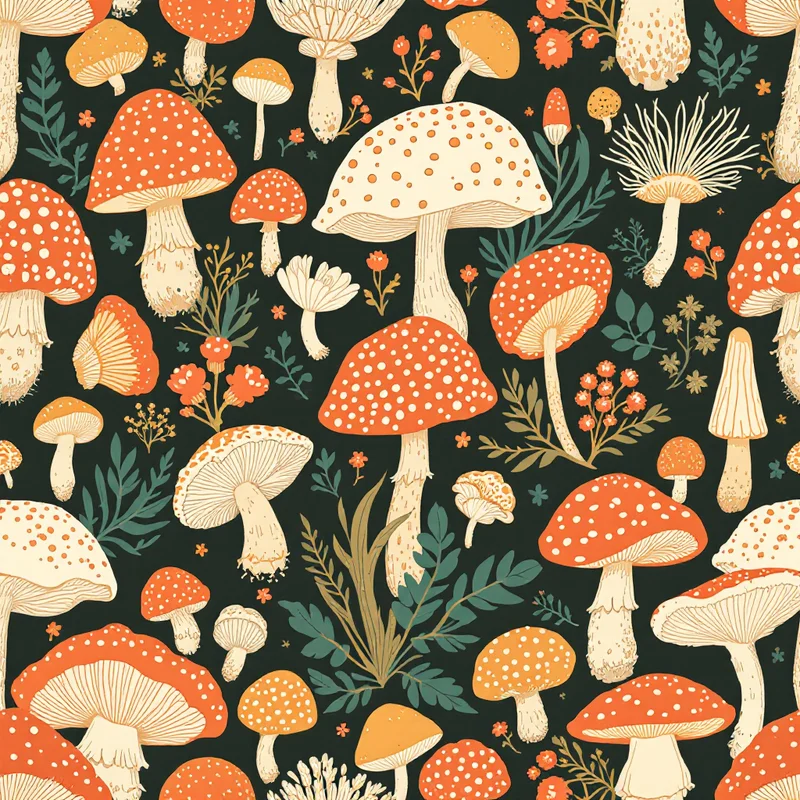
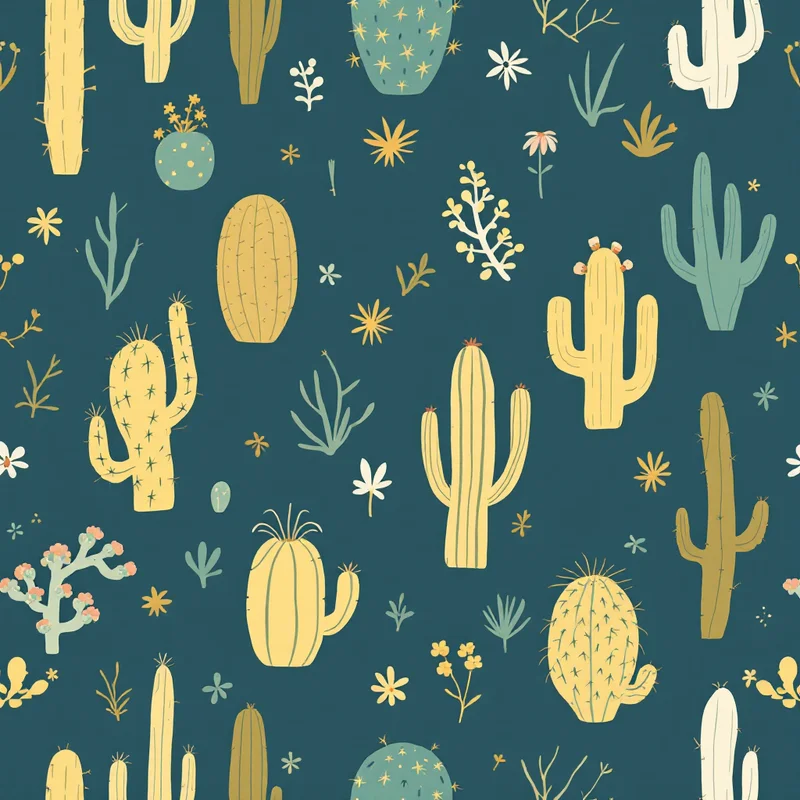
Wobbly lines, organic imperfection, and the unmistakable warmth of something made by a human hand. Your hand-drawn patterns carry the spontaneous energy of real sketchbook work — slight unevenness in line weight, natural asymmetry in repeated motifs, and the kind of charming irregularity that signals a design was drawn, not computed. Pattern Weaver's hand-drawn rendering brings this sketchy authenticity to production-ready seamless tiles.
Hand-drawn rendering transforms every category in the Pattern Weaver library. Apply it to botanicals for loose, expressive florals that feel plucked from a field journal. Use it with geometric motifs for a playful contrast between structure and organic line quality. Render animals with sketchy outlines for whimsical wildlife illustrations. Try it on food and kitchen motifs for the kind of illustrated charm you see on artisan cafe menus and specialty food packaging. The rendering adds personality to any subject.
In fashion, hand-drawn patterns are a proven performer for brands positioning themselves as creative, approachable, and human. Indie fashion labels, children's clothing brands, and contemporary casual wear all lean into the sketched aesthetic because it communicates personality without pretension. Hand-drawn florals on a cotton blouse feel effortless. Sketchy geometrics on a tote bag feel fun and original. The imperfection is the selling point — it tells the customer that a real person designed this.
Home goods and stationery represent a massive market for the hand-drawn look. Illustrated kitchen textiles — tea towels, aprons, oven mitts — with sketchy food motifs are consistent bestsellers at craft fairs and on Etsy. Greeting cards, notebooks, wrapping paper, and journal covers with hand-drawn patterns convey a personal, thoughtful quality that buyers actively seek. The style reads as intimate and heartfelt, which matters when the product is a gift or a personal item.
For packaging, hand-drawn patterns signal artisanal production and small-batch quality. Bakeries, coffee roasters, soap makers, and natural beauty brands use sketchy illustrations to differentiate from mass-market competitors. A hand-drawn pattern on a soap wrapper or a tea box communicates that someone cared enough to draw this by hand — even when the print run is in the thousands. That perceived care translates directly into higher perceived value and willingness to pay.
Print-on-demand sellers do exceptionally well with hand-drawn designs because they stand out in crowded marketplaces. While competitors upload polished, computer-perfect graphics, your sketchy patterns catch the eye precisely because they look different. The organic imperfection creates visual warmth that draws clicks and converts browsers into buyers, especially in categories like nursery decor, kitchen textiles, and stationery.
You control every aspect of the sketch quality. Push the line wobble for a loose, gestural feel, or keep things relatively controlled for a tighter illustrated look. Adjust density to fill the tile with overlapping sketches or leave generous white space for a clean, editorial composition. The hand-drawn quality works in monochrome for a classic sketchbook look, or with full color applied for vibrant illustrated patterns.
Export at up to 8K resolution for large-format applications. The organic line quality scales beautifully — sketchy details that look charming on a phone case feel equally engaging on a wallpaper panel or a tablecloth. Every pattern tiles seamlessly while maintaining the natural, imperfect character that makes hand-drawn designs commercially valuable.