
Spoonflower is the dominant platform for custom fabric, wallpaper, and gift wrap printing. Since its founding in 2008, it has grown from a niche print-on-demand service into a global marketplace where independent designers sell their patterns directly to consumers, interior designers, quilters, and fashion brands. For pattern designers, it represents one of the most direct paths from digital design to physical product — and a genuine revenue stream if you approach it strategically.
What makes Spoonflower different from general marketplaces like Etsy is specificity. Buyers come to Spoonflower specifically to purchase printed materials. They are not browsing casually — they have a project in mind, a fabric type in mind, and often a color scheme in mind. This focus creates an opportunity for designers who understand the platform's technical requirements, audience preferences, and business model.
Spoonflower File Specifications
Spoonflower's upload requirements are specific but not complicated. Getting them right on the first attempt saves you from wasted test prints and frustrated customers.
Resolution: 150 DPI minimum, 300 DPI recommended. Spoonflower accepts files at 150 DPI and above, but patterns uploaded at 300 DPI produce noticeably sharper prints, especially on tightly woven fabrics like Petal Signature Cotton and Performance Pique. For wallpaper and gift wrap, 150 DPI is adequate because these products are typically viewed from a greater distance. If you want your patterns to look their best across all product types, upload at 300 DPI.
Color mode: RGB. Spoonflower's digital printing process uses RGB color profiles. Do not upload CMYK files — they will be converted back to RGB anyway, and the double conversion often shifts colors in unintended ways. Design in RGB from the start.
File format: PNG or JPG. Both are accepted. PNG is preferred for patterns with fine detail, sharp edges, or transparency elements because it avoids compression artifacts. JPG is acceptable for photographic or heavily textured patterns where minor compression is invisible. If in doubt, use PNG.
Tile size: flexible, but 12x12 inches at 300 DPI is the standard. Spoonflower does not mandate a specific tile size — you can upload any dimensions and the platform will tile the image across the full print width. However, 12x12 inches (3600x3600 pixels at 300 DPI) is the community standard and works well for most repeat sizes. Larger tiles (24x24 or 36x36 inches) are useful for patterns with large-scale motifs that need more room to breathe.
Repeat type: basic tile or half-drop. By default, Spoonflower tiles your uploaded image in a simple grid repeat. You can also select half-drop or half-brick repeat in the upload interface. Your pattern file must be designed to tile seamlessly in whichever repeat type you choose.
Understanding Spoonflower's Fabric Types
One of Spoonflower's strengths — and a source of complexity for designers — is its range of printable substrates. Each fabric type has different characteristics that affect how your pattern looks when printed.
Petal Signature Cotton. A medium-weight, tightly woven cotton with a smooth finish. Colors print vibrantly, details render sharply. This is the best all-purpose fabric for showcasing pattern quality and is the most popular choice for home decor projects like curtains, pillows, and table linens.
Cotton Poplin. Lighter weight than Petal Signature, with a slightly textured weave. Good for quilting and lightweight garments. Colors are slightly less saturated than on Petal Signature, but the fabric handles and drapes better for clothing applications.
Organic Cotton Sateen. A soft, slightly lustrous fabric with a satiny finish. Colors appear rich and slightly warm. Popular for baby items, bedding, and projects where a softer hand feel matters. The sateen finish adds a subtle sheen that enhances darker color palettes.
Performance Pique. A moisture-wicking synthetic knit commonly used for activewear and polo shirts. Colors print brightly on the white base, but the knit texture slightly softens fine pattern details. Ideal for geometric patterns and bold abstract designs rather than intricate florals.
Linen Cotton Canvas. A heavier, textured blend suitable for bags, upholstery, and structured home goods. The linen texture is visible through the print, giving patterns a natural, organic appearance. This fabric works particularly well with botanical patterns and earthy color palettes.
Wallpaper. Available in several types including peel-and-stick and traditional pre-pasted. Wallpaper printing is one of Spoonflower's most popular product categories. Patterns designed for wallpaper should work at a larger viewing distance — overly intricate detail can look busy on a full wall.
Gift wrap. Printed on lightweight paper. Good for testing how a pattern looks at scale before committing to a fabric order. Also a solid product category for seasonal sales.
Setting Up Your Spoonflower Shop
Creating a seller account on Spoonflower is free and takes about 15 minutes. Here is what you need to know about the business side.
Commission structure. Spoonflower pays designers a commission on every yard or roll sold. The base commission rate is 10% of the retail price for most products, with the option to set a higher markup. Many experienced sellers set their markup at 15% to 20% to increase per-sale revenue without pricing themselves out of the market.
Proofing. Before making a design available for public sale, Spoonflower encourages you to order a test swatch (typically an 8x8 inch fabric sample) to verify color accuracy and pattern quality. This costs a few dollars but prevents the much larger cost of a dissatisfied customer. Colors on screen never match printed output perfectly — a proof reveals the actual printed result.
Design visibility. New designs appear in Spoonflower's marketplace immediately after upload, but gaining visibility takes time and effort. The platform's search and browse features surface designs based on relevance, recency, and popularity. Designs that receive favorites, orders, and positive reviews rank higher over time.
Design challenges. Spoonflower runs regular design challenges — themed contests where designers submit patterns and the community votes on favorites. Winning or placing well in challenges provides significant visibility and can drive substantial traffic to your shop. These challenges are worth entering even if you do not expect to win, because they expose your work to the Spoonflower community.
Colorway Variations: Multiplying Your Catalog
One of the most effective strategies for Spoonflower sellers is developing colorway variations of each pattern. A single botanical design rendered in 4 to 6 different color palettes effectively becomes 4 to 6 different products, each appealing to a different buyer segment.
Why colorways matter on Spoonflower specifically. Unlike Etsy, where buyers purchase a digital file and can recolor it themselves, Spoonflower buyers are purchasing printed physical products. They cannot change the colors after ordering. If your beautiful floral pattern only comes in pink and green, you lose every buyer who needs it in blue and white, terracotta and cream, or navy and gold.
Colorway strategy. For each pattern you design, generate at minimum three variations:
- 1Neutral/classic — a versatile palette (navy and white, black and cream, sage and linen) that appeals to the broadest audience.
- 2Trend-forward — a palette based on current color trends (for 2026, think warm clay tones, dusty blues, and muted greens).
- 3Bold/saturated — a vibrant palette for buyers who want their patterns to pop.
Additional palettes — pastels for nursery applications, darks for dramatic interiors, seasonals for holiday themes — further expand your reach.
The easiest way to produce colorways is with a tool that lets you lock your style, layout, and density settings while swapping only the color palette. This keeps the structural elements of each pattern consistent while the colors shift, giving you a cohesive colorway family rather than a set of unrelated designs that happen to share a motif.
Popular Pattern Categories on Spoonflower
Spoonflower's audience skews toward quilters, home sewists, interior designers, and small-batch product makers. This influences which pattern styles sell best.
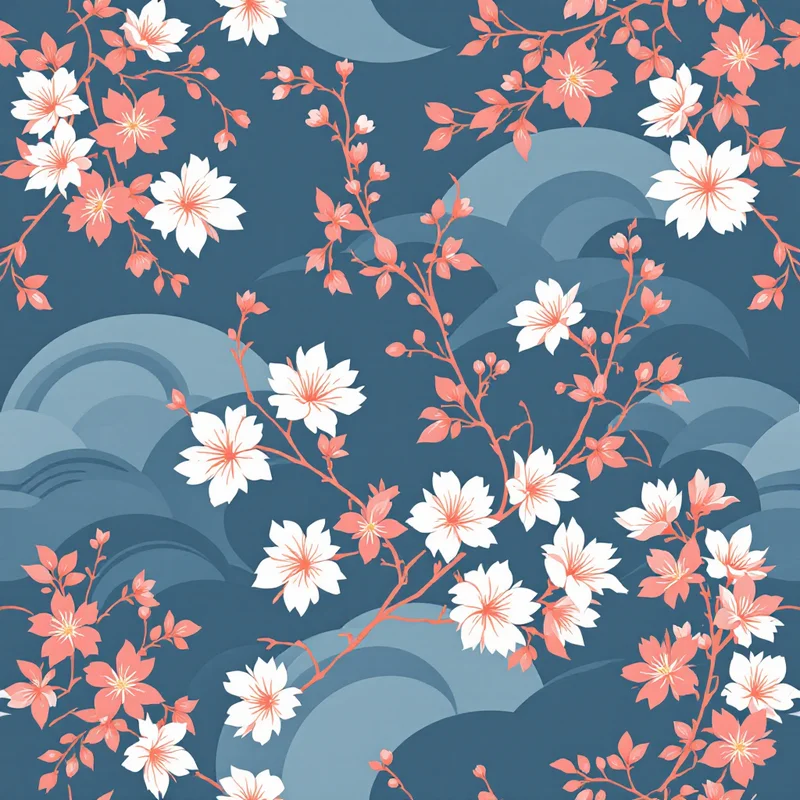
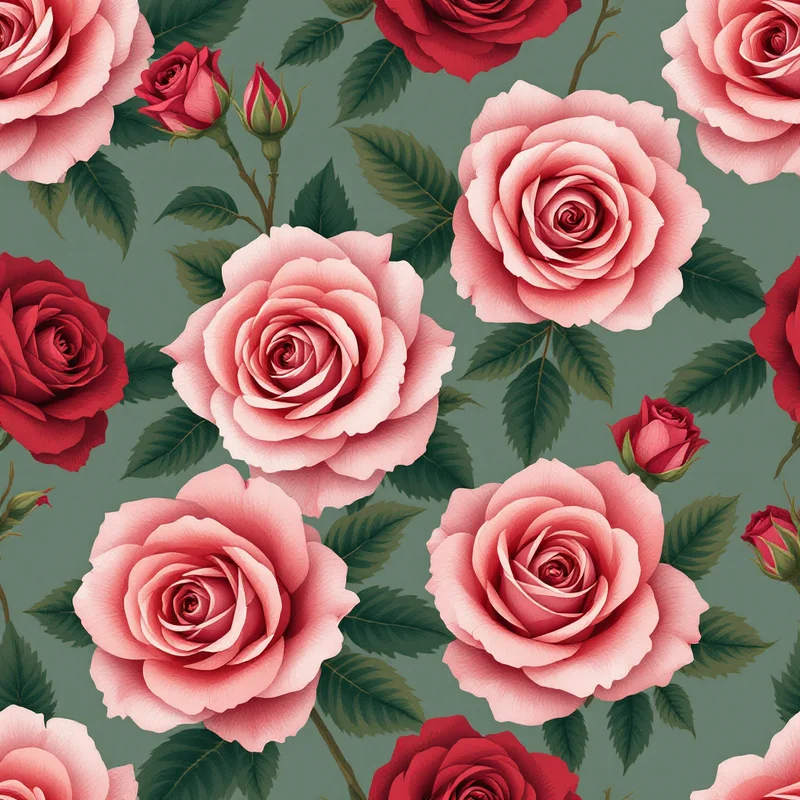
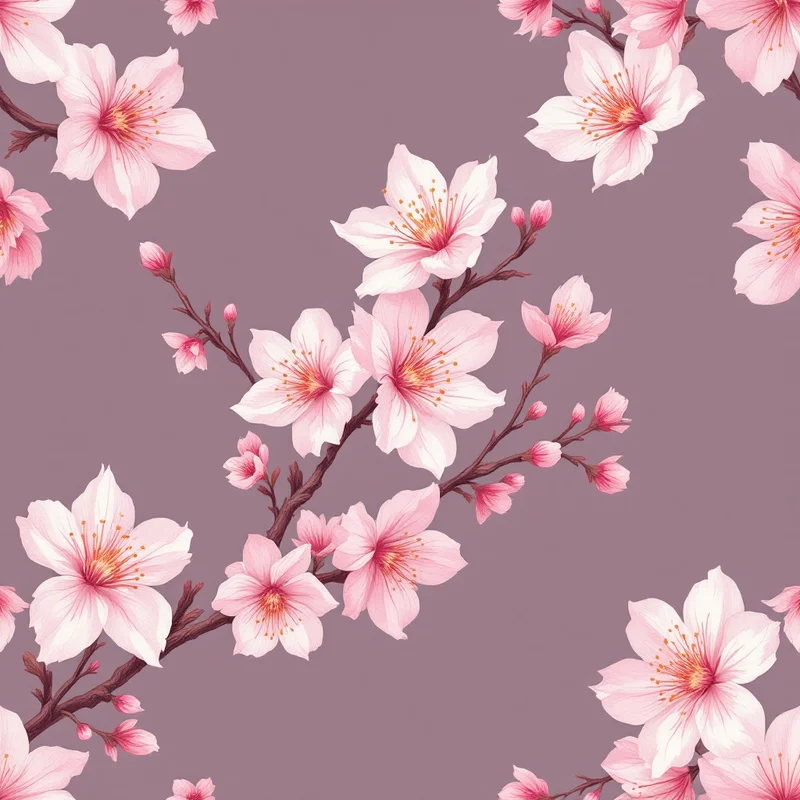
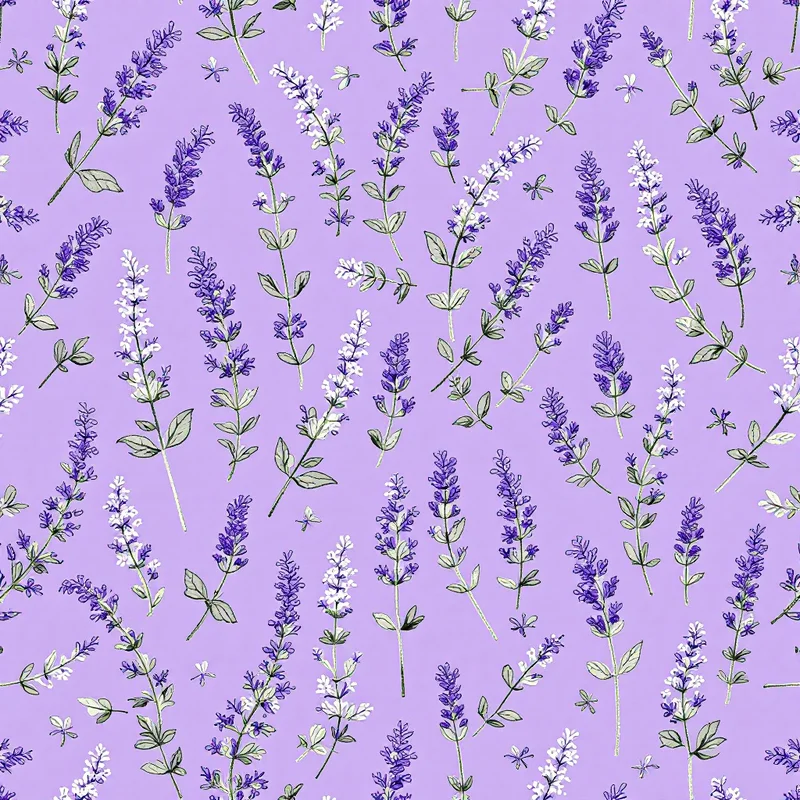
Florals and botanicals. The undisputed top category. Ditsy florals, trailing vines, large-scale blooms, and botanical illustrations all perform well. Watercolor-rendered florals have been consistently popular for several years and show no signs of declining.
Geometric and modern. Clean geometric patterns — particularly mid-century modern inspired designs, art deco motifs, and Scandinavian-style geometrics — appeal to Spoonflower's design-conscious audience. These patterns work especially well for wallpaper and home decor fabric.
Conversational prints. Patterns featuring recognizable objects — animals, food, professions, hobbies — sell particularly well in quilting and children's fabric categories. A pattern with friendly animal motifs for a baby quilt or a whimsical food pattern for kitchen accessories can find a loyal niche audience.
Cultural and heritage. Patterns inspired by textile traditions — Moroccan tile work, Japanese shibori, African wax print geometry, Indian block printing — resonate with Spoonflower's audience, which values craftsmanship and cultural design heritage. These patterns require respectful, informed execution.
Seasonal and holiday. Christmas, autumn harvest, spring florals, and Halloween patterns spike sharply in their respective seasons. Timing is critical — upload seasonal patterns 8 to 12 weeks before the holiday to catch buyers who are planning projects in advance.
A Design-to-Spoonflower Workflow
A structured workflow reduces the time from concept to published design and ensures consistent quality across your catalog. Here is one that works well whether you are using an AI pattern tool, traditional design software, or a combination of both.
1. Trend research (10 minutes). Check Spoonflower's trending designs page, current design challenges, and Pinterest boards related to your target categories. Note what is performing well and identify style or color gaps you can fill.
2. Style direction (5 minutes). Decide on your style family, substyle, render method, density, and scale before you start generating or drawing. For Spoonflower, medium to high density patterns tend to perform well because they look rich and detailed when printed on fabric. Sparse patterns can look unfinished on large yardage.
3. Color palette (5 minutes). Select your primary palette. Consider how the colors will translate to fabric — highly saturated neons and very light pastels are the most likely to shift during printing. Rich mid-tones and well-separated color values reproduce most reliably.
4. Generation and selection (15 minutes). Generate or create 8 to 12 pattern variations. Evaluate each for visual balance, motif clarity, color harmony, and tiling quality. Select the 3 to 5 strongest candidates.
5. Colorway generation (10 minutes per colorway). For each selected pattern, create 2 to 4 additional colorway variations by changing only the color palette. This multiplies your catalog efficiently.
6. Export (5 minutes). Export at 300 DPI, 12x12 inches, PNG format. Make sure your files are Spoonflower-ready before uploading — the right resolution and format save you from rejected uploads or blurry prints.
7. Upload to Spoonflower (5 minutes per design). Upload your PNG, set the repeat type (basic or half-drop), add a descriptive title, relevant tags, and a description. Set your desired commission markup.
8. Order a proof (optional but recommended). For patterns you expect to promote heavily or that use unusual color combinations, order a test swatch to verify the printed result before marketing the design.
Pricing and Revenue Expectations
Spoonflower's commission model means your per-sale revenue depends on the product type, yardage ordered, and your markup percentage.
At the default 10% commission, a yard of Petal Signature Cotton (retail approximately $22 per yard) earns the designer about $2.20. At a 20% markup, that increases to roughly $4.40 per yard. Wallpaper earns more per unit because of higher retail prices.
These numbers might look small on their own, but they add up. A designer with 200 active patterns, each averaging just one yard sold per month, brings in $440 to $880 monthly — and that is largely passive income once the designs are uploaded. Top Spoonflower sellers with deep catalogs and strong brand followings earn significantly more.
The three levers you can pull are catalog depth (more designs mean more chances for buyers to find you), colorway coverage (more colorways per design capture more buyer preferences), and challenge participation (the visibility boost from challenges accelerates everything else).
Tips for Long-Term Success
Maintain visual consistency. Build your shop around 3 to 5 style families rather than scattering across every possible style. Buyers who find one design they like should see a cohesive catalog that invites them to explore further and purchase multiple designs.
Tag thoroughly. Spoonflower's search relies on tags. Use all available tag slots and be specific — "pink watercolor roses on navy" outperforms "floral" in relevant searches.
Engage with the community. Spoonflower has an active community of designers and buyers. Participating in challenges, commenting on other designers' work, and sharing your process builds visibility and relationships that translate to sales.
Design for the product. Always consider how your pattern will look on the actual physical product. A pattern that reads well on screen may not work on a quilting project or a wallpapered room. Think about scale, density, and viewing distance when making design decisions.
Be patient with the catalog build. Spoonflower rewards consistency over time. Designers who upload regularly and build deep, cohesive catalogs outperform those who upload in bursts and then disappear. Set a sustainable pace — even 5 new designs per week adds up to 260 per year — and stick to it.
Spoonflower offers pattern designers something rare: a direct path from digital design to physical product, backed by a marketplace with real buyer traffic and a community that values good design. The technical requirements are straightforward, the setup cost is zero, and the revenue potential scales with the size and quality of your catalog. If you design patterns, Spoonflower should be part of your strategy.
Explore related pattern styles