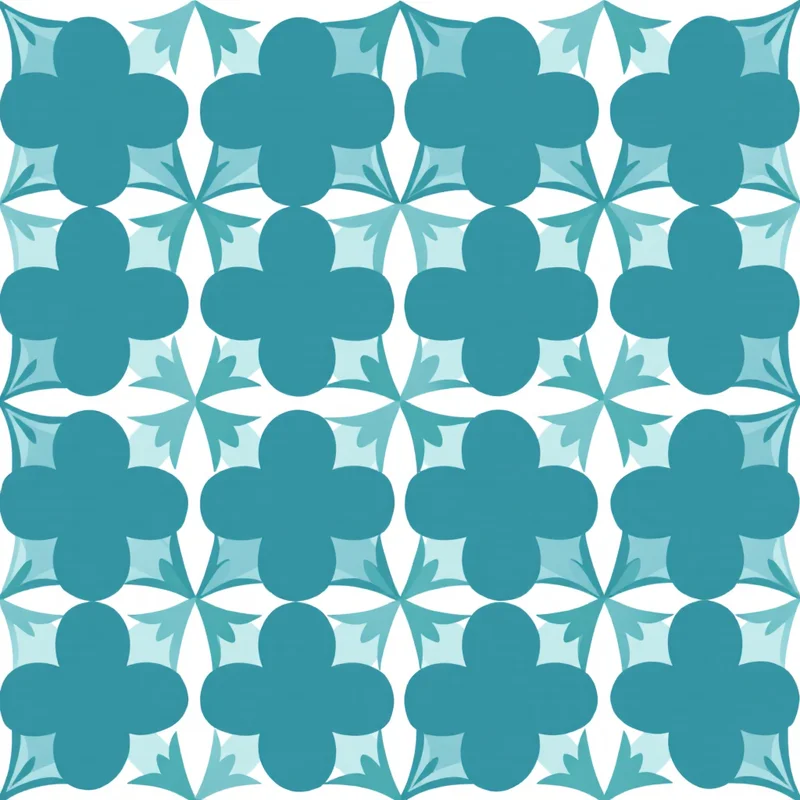

Quatrefoil is a quiet example of an architectural detail becoming a standalone decorative pattern, with a specific enough shape that it's stayed recognizable across centuries of use.
The shape and its Gothic origin
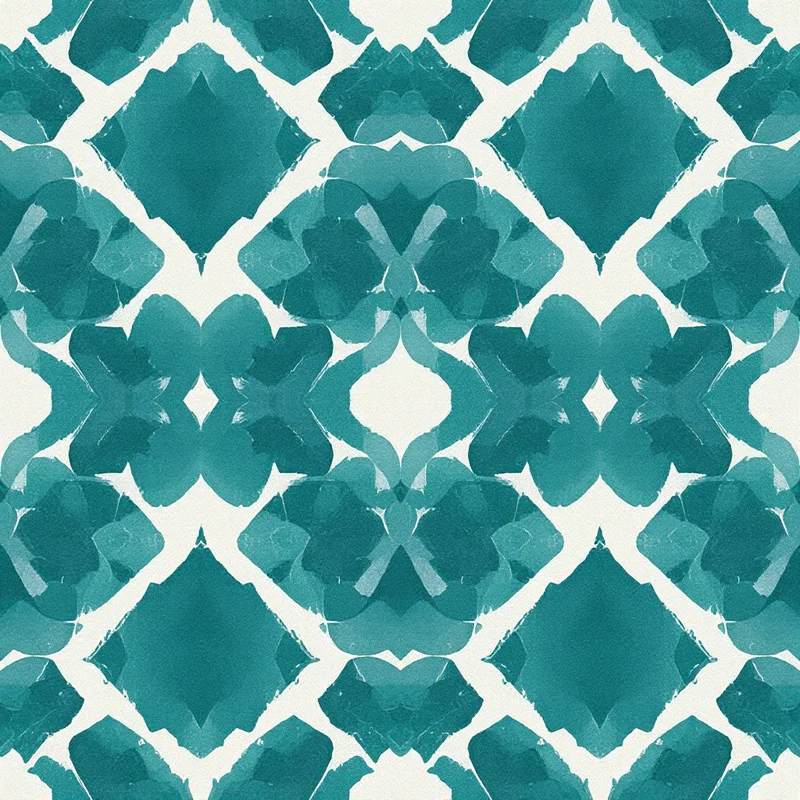
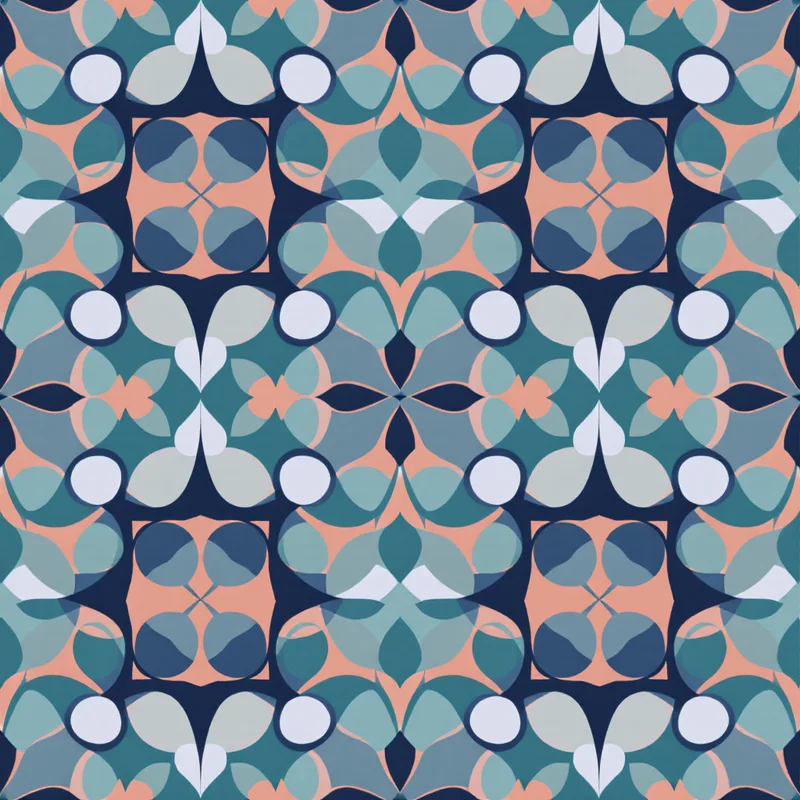
A quatrefoil is formed by four overlapping circles, producing a four-lobed, clover-like shape with a defined point where each lobe meets the center. It originates in Gothic architecture, most visibly in cathedral window tracery, where the shape served both a structural window-design purpose and a decorative one.
Quatrefoil versus a literal clover motif
The two look similar at a glance but read differently. Quatrefoil, with its clean architectural geometry, reads formal and slightly classical. A literal four-leaf clover botanical motif reads casual and nature-themed, even though the underlying four-lobed silhouette is comparable. The distinction matters for tone — reach for quatrefoil when you want structured elegance, and a literal clover when you want something more whimsical.
Quatrefoil in modern decor
Quatrefoil patterns became a genuine preppy home-decor staple well beyond their architectural origin — showing up on rugs, drapery, and decorative hardware in a context that has little to do with Gothic cathedrals. This is a common pattern-history arc: a motif with formal architectural or religious origins gets adopted into secular decorative design and largely sheds its original context along the way, similar to how Greek key migrated from ancient temple friezes to modern rug borders.
Styling quatrefoil
A tightly packed, small-scale quatrefoil grid reads as fine texture, useful as a subtle background. A larger, more widely spaced quatrefoil with strong color contrast reads as a bold standalone geometric statement print, closer to a feature-wall wallpaper than a background texture.
Quatrefoil patterns at any scale and density can be generated as a seamless, production-ready tile. Start in the free pattern maker with 3 free credits, or browse pattern styles for the full range.
Explore related pattern styles