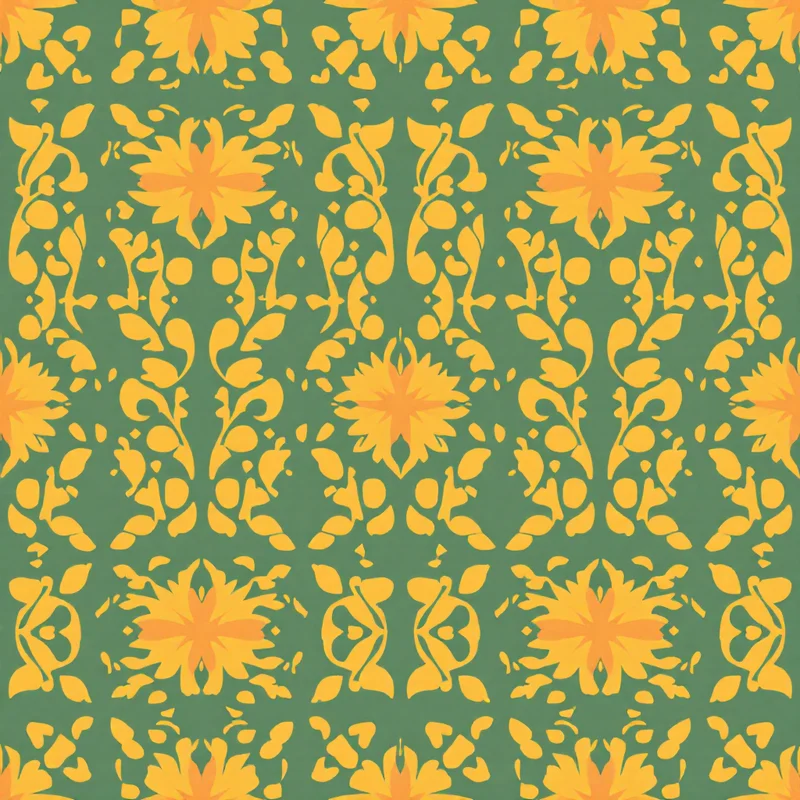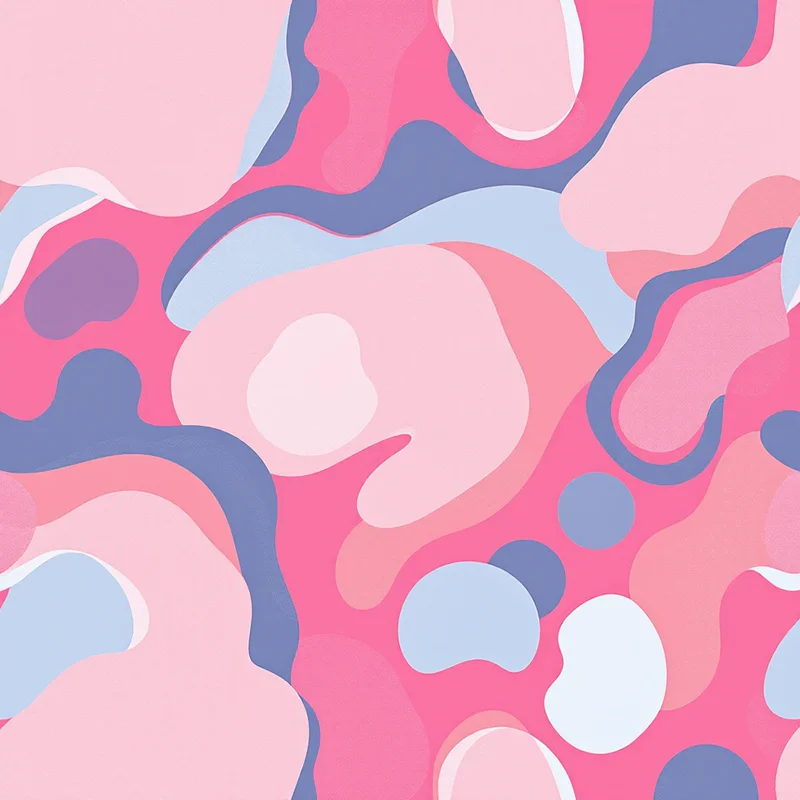

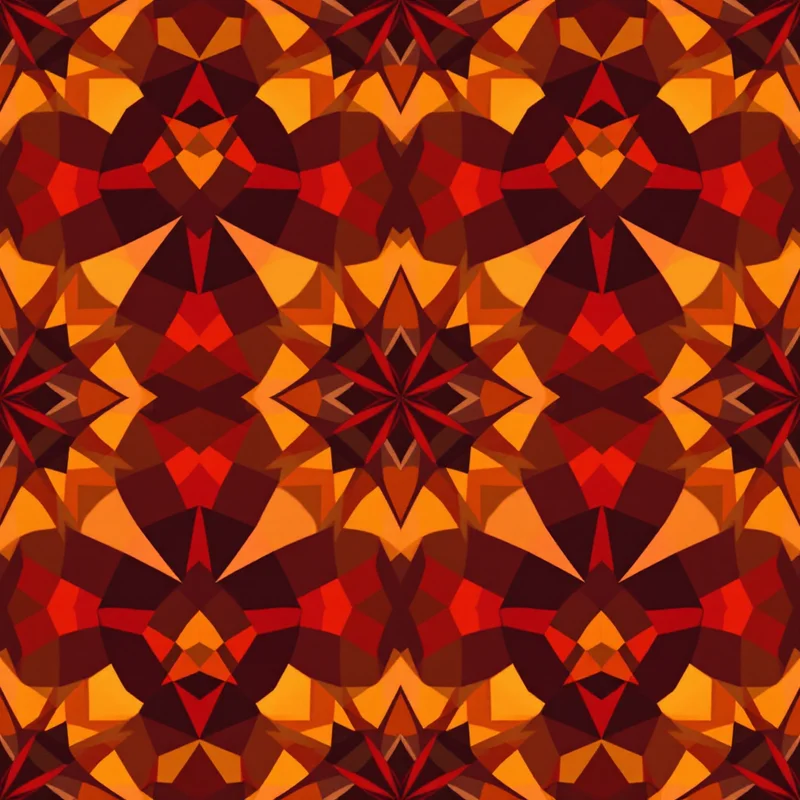

Count the patterns in a maximalist room that works, and you'll find the number matters less than the scales. Four prints can sit together calmly if they are different sizes, and two prints of the same size will fight. The 2027 direction is maximalism with rules.
The scale ladder
The most dependable structure is three steps. Think of them as large, medium and small.
| Step | Role | Example | Size of repeat |
|---|---|---|---|
| Large | The statement, usually wallpaper or curtains | Oversized floral or chinoiserie | 18 inches (45 cm) and up |
| Medium | The supporting layer, usually upholstery or bedding | Stripe, check or mid-scale paisley | 4 to 8 inches (10 to 20 cm) |
| Small | The filler, cushions and trims | Ditsy floral, tiny geometric, dots | Under 2 inches (5 cm) |
Wallpaper, curtains and large upholstery take the large step. The small step is where cushions, trims and lampshades live. If two patterns sit in the same step, make them different in character, one organic and one geometric.
For more on sizing, see our pattern scale guide.
Patterns look related when they share a color. Choose one that appears in every print, even as a minor accent.
For example, a deep green might be:
- the leaf in the large floral
- a stripe in the medium print
- the background of the small geometric
Palette idea: #1F3D36 (green thread), #B5485A (rose), #D9A441 (mustard), #E8DCC4 (parchment), #2B2430 (aubergine-black).
Resting places
Maximalist doesn't mean everything is pattern. A room usually needs plain surfaces: a solid velvet sofa, a woven rug in one color, a painted ceiling or a plain lampshade. These give the eye somewhere to rest and make the patterned items look intentional.
A useful rule is to leave at least one large surface in each room unpatterned.
Heritage motifs, restaged
The prints most associated with the style are older ones, redrawn:
- Chintz: dense florals on a dark ground. The chintz patterns category is a good source for the glazed, blooming look
- Damask and brocade: loose or tonal rather than symmetrical. See the damask wallpaper category and the damask pattern design guide
- Chinoiserie: hand-painted birds and branches, in new colors. Read about chinoiserie
- Toile: modern scenes in unexpected ink colors; see our toile forecast
- Stripes and checks: as the quiet connector between loud prints
The room-by-room guide
| Room | Large | Medium | Small |
|---|---|---|---|
| Living room | Chintz-style curtains | Striped armchair | Ditsy cushion |
| Bedroom | Bird-and-branch wallpaper | Check bedding | Tiny-print pillowcase |
| Dining room | Dark damask wallpaper | Tonal stripe chair seats | Printed napkins |
| Bathroom | Botanical or toile wallpaper | Tile pattern | Small-print towels |
| Hallway | Bold stripe or mural | Runner in a mid-scale pattern | Small framed prints |
For a hospitality view, our hotel and hospitality pattern guide covers how professionals handle layered pattern at scale.
Ceilings, trims and doors
A trend worth watching in this style is pattern beyond the walls. Wallpapered ceilings, patterned door panels, a printed lining inside a bookcase, a bold stripe on a staircase riser. These are good places for a small repeat, since people are close enough to see detail.
Colors: deeper and more saturated
Maximalist palettes lean on deep, saturated grounds: bottle green, aubergine, oxblood, inky blue, and warm mustard accents. Pale rooms can be maximalist too, but a dark ground generally unifies mixed prints better because it quiets the differences between them. For more on colors, see our wallpaper design trends forecast and home textile forecast.
Mistakes to avoid
- 1Matching everything. Pairs of identical curtains and cushions defeat the point
- 2No quiet area. Patterns need a resting surface
- 3Same-size prints. Two 6-inch florals will compete
- 4Too many colors. Five or six across the room is generally enough
- 5Ignoring finish. Mix matte, sheen and texture alongside pattern, as velvet, linen and glazed cotton behave differently
Designing a layered set
If you sell textiles, think in sets of three: a large hero, a medium coordinate and a small filler, sharing a color. The patterns for interior design guide covers scale, repeat types and pattern selection by room.
Testing the combination
Describe It lets you generate each step of the ladder in your own words and keep the shared color constant, for example "large chintz roses on an aubergine-black ground with green leaves". Each pattern is a seamless tile in about 20 seconds, and Product Mockups, free, show a pattern on 20 products. New accounts get 5 free credits.
Explore related pattern styles