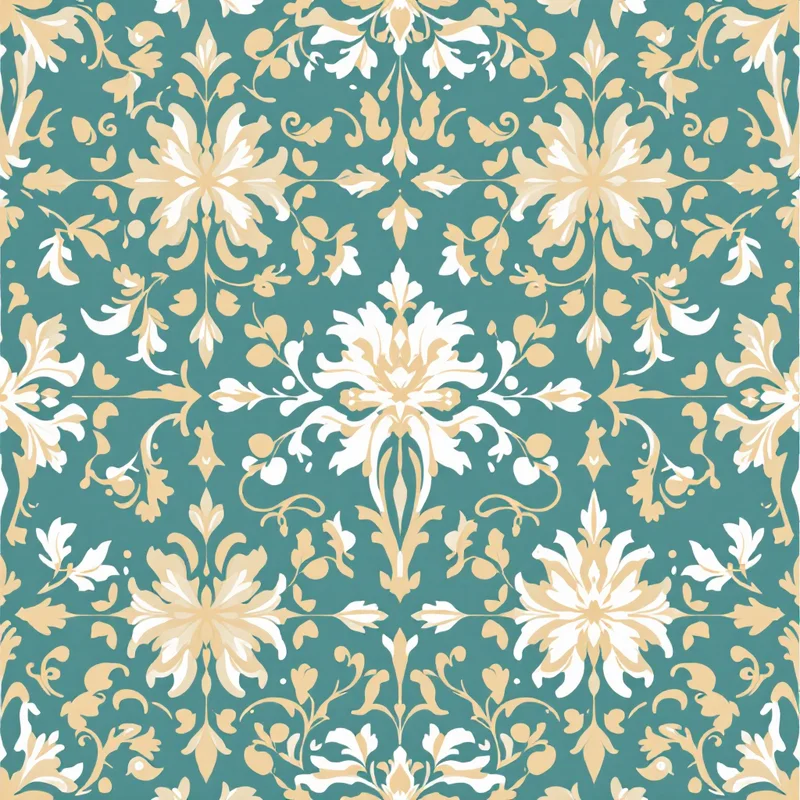
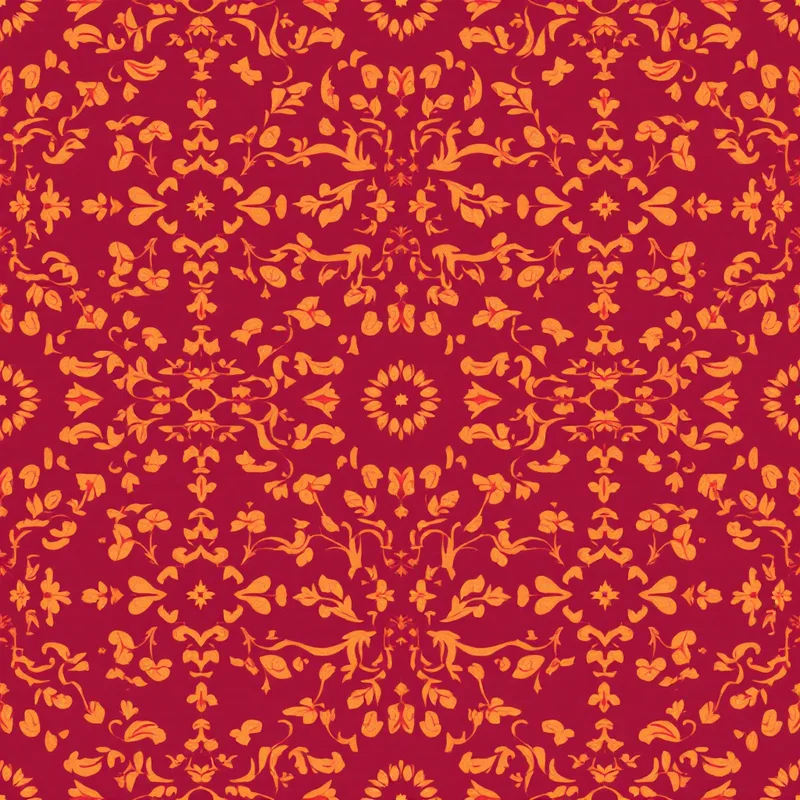
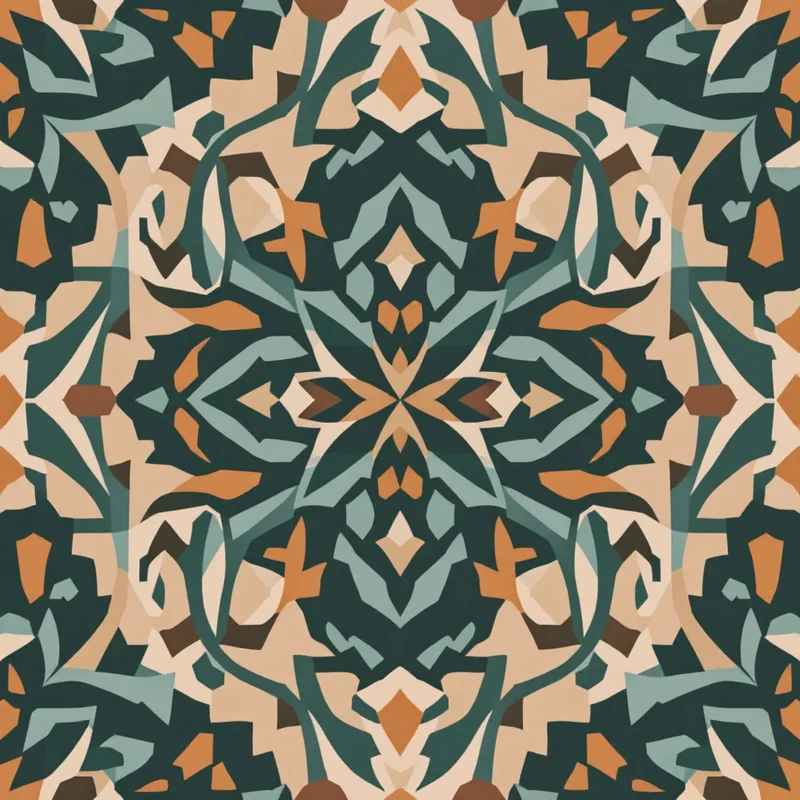
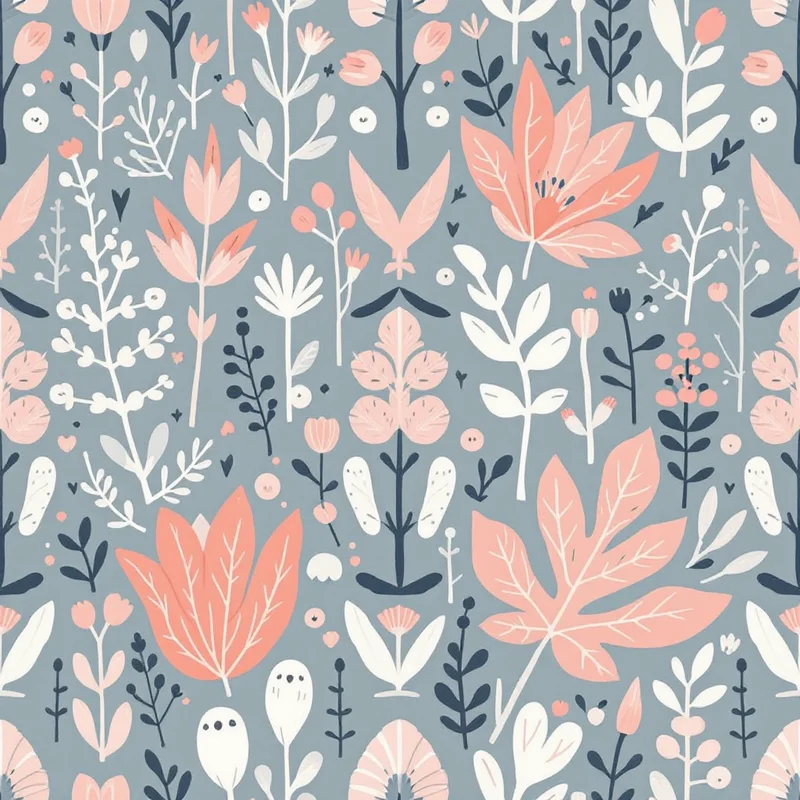
Most dorm rooms hand you the same three things: a narrow bed, a desk, and walls you are told not to touch. Many US residence halls use a twin XL mattress, so a bed that is long and narrow becomes the biggest block of pattern in the room. Everything else has to fit around it.
Pick one loud surface
A small room can carry one statement and a few quiet supporters. Choose which surface leads, then keep the rest calmer:
- Loud bed, calm wall: a bold floral or graphic duvet, with a plain or tone-on-tone wall
- Calm bed, loud wall: a solid or textured duvet and a single feature wall of removable wallpaper
- Everything medium: a small-scale print repeated across pillow, throw and curtain for a soft, layered look
Mixing two statement prints in a room that size usually reads as clutter instead of style.
Bedding: sized for a twin XL
A twin XL duvet cover runs roughly 68 by 90 inches, so check the exact size of whatever product you are designing for. Because a duvet is viewed as one big field from across the room, motifs of 3 to 6 inches look confident there without swallowing the bed. Half-drop layouts help keep florals and tossed motifs from forming obvious columns; the half-drop repeat guide explains the setup. Ideas that translate well:
- Oversized ditsy florals in two or three colors
- Wavy stripes and checks for a casual, playful bed
- Celestial or botanical line art on a dark ground for a calm sleeping nook
If you sell bedding, duvet cover patterns is a quick place to start exploring.
Walls you can't paint
Peel-and-stick wallpaper is the obvious answer, though not every school allows it, so check housing rules before ordering. A few practical points:
- Panels hang edge to edge, so a clean seamless repeat matters. A visible seam line is the first thing people notice.
- Textured cinder-block walls and fresh paint can fight the adhesive. Test a small patch somewhere hidden.
- A half-wall treatment behind the bed, up to about headboard height, gives the effect of a wall mural with a fraction of the material.
If walls are completely off limits, move the pattern to fabric: a tension-rod curtain across a closet, a stretched fabric panel in a lightweight frame, or a pinboard covered with a printed cloth. Browse renter-friendly wallpaper and peel-and-stick wallpaper for pattern directions built for this.
Three palettes to try
| Mood | Palette | Pattern |
|---|---|---|
| Soft and quiet | Sage #A8B5A0, oat #E8DFCF, white | Small botanical sprigs, thin stripes |
| Playful and bold | Cherry #B3262E, blush #F4C9C9, cream | Checkers, bows, big ditsy florals |
| Focused and dark | Navy #1F2A44, tan #C9B79C, rust accent | Geometric grids, vintage maps, lined paper |
Dorm lighting is often flat overhead fluorescent, which can wash out very pale tones and turn dark busy prints heavy. Mid-tone colors with a little contrast tend to hold up best.
If you have a roommate, the easiest approach is one shared accent color, such as the rust above, with each person picking their own pattern. Matching sets look rigid in a double room; coordinated mismatches look planned.
Small accents that carry a lot
Shelf liner on a desk drawer, a patterned laundry bag, a cushion cover, a mouse pad, and a tote hung on the door hook all let you repeat one motif in a few places. Repeat the same palette and vary the scale, so the room feels designed rather than matched.
For sellers, the dorm market opens in summer, so the best moment to publish is the same window as the wider back-to-school print trends for 2027.
You can try these ideas in Browse Styles, which lists 44 categories and 5,700+ styles, including aesthetic wallpaper looks. Then drop a finished tile into Product Mockups, which is free, to see the pattern on 20 different products before you commit.
Explore related pattern styles