Plaid, check, and tartan get used interchangeably in casual conversation, but they describe genuinely different structures with different histories. Here's the real breakdown.
Tartan: the registered Scottish version
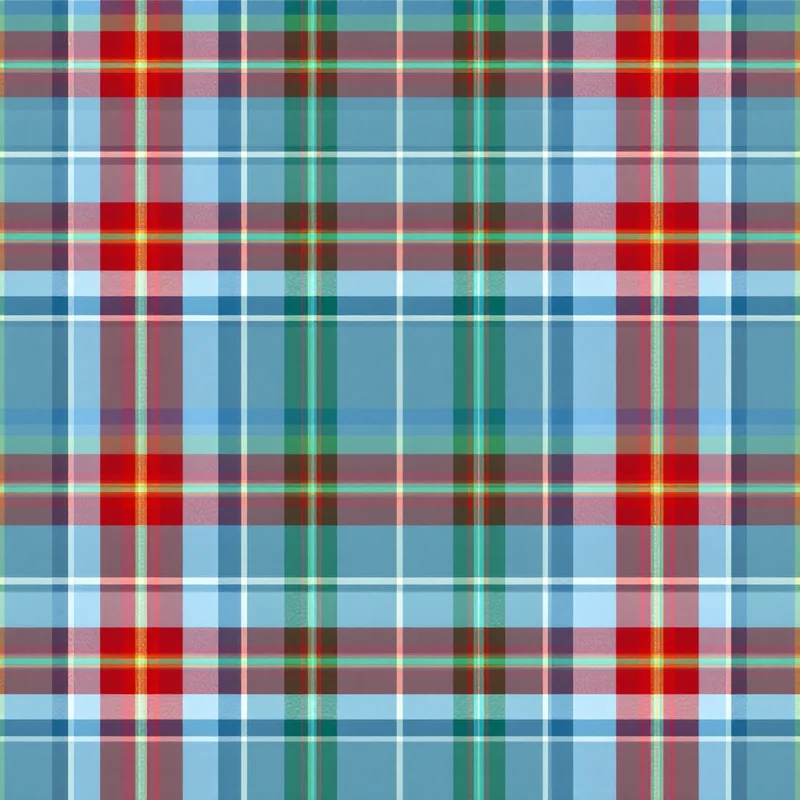
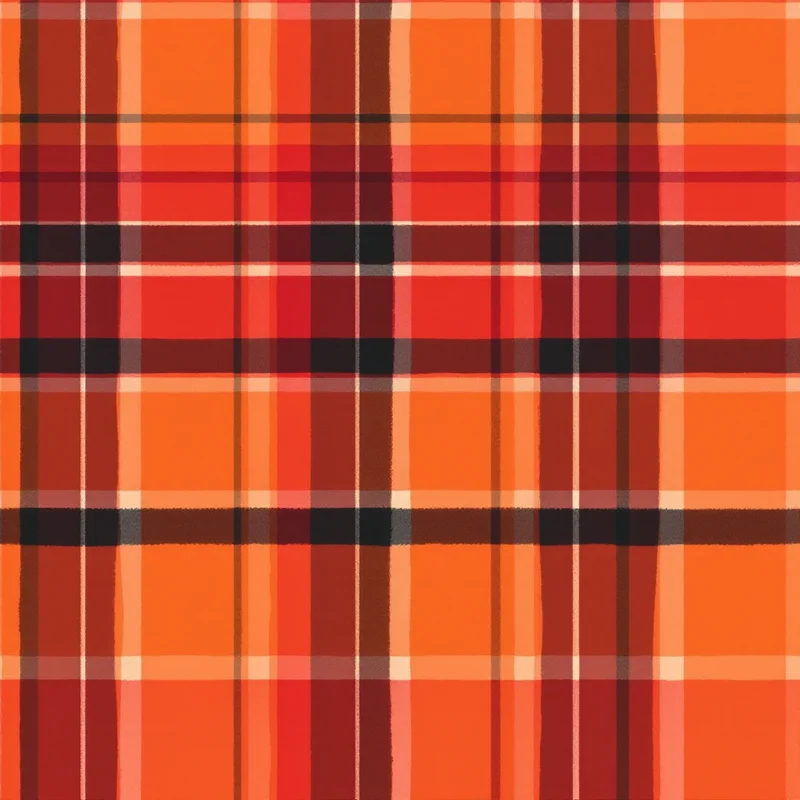
Tartan refers specifically to the registered, named woven patterns historically associated with Scottish clans, built on a specific repeating thread-count structure known as a sett. Every tartan is a plaid; the reverse isn't true — a generic plaid design with no clan registration or specific sett structure isn't technically a tartan, even if it looks similar at a glance.
Plaid: the general term
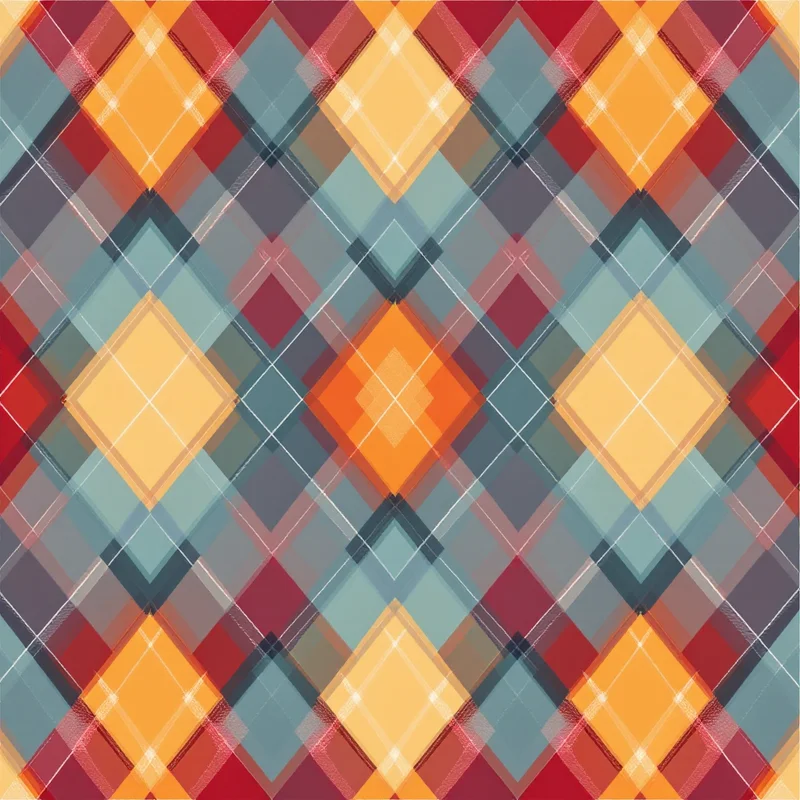
Plaid is the broad umbrella term for any pattern of intersecting horizontal and vertical bands in multiple colors. Every specific style covered in this guide — tartan, buffalo, madras — is technically a plaid; the specific names just describe particular color, scale, and structural variations within that broad category.
Gingham
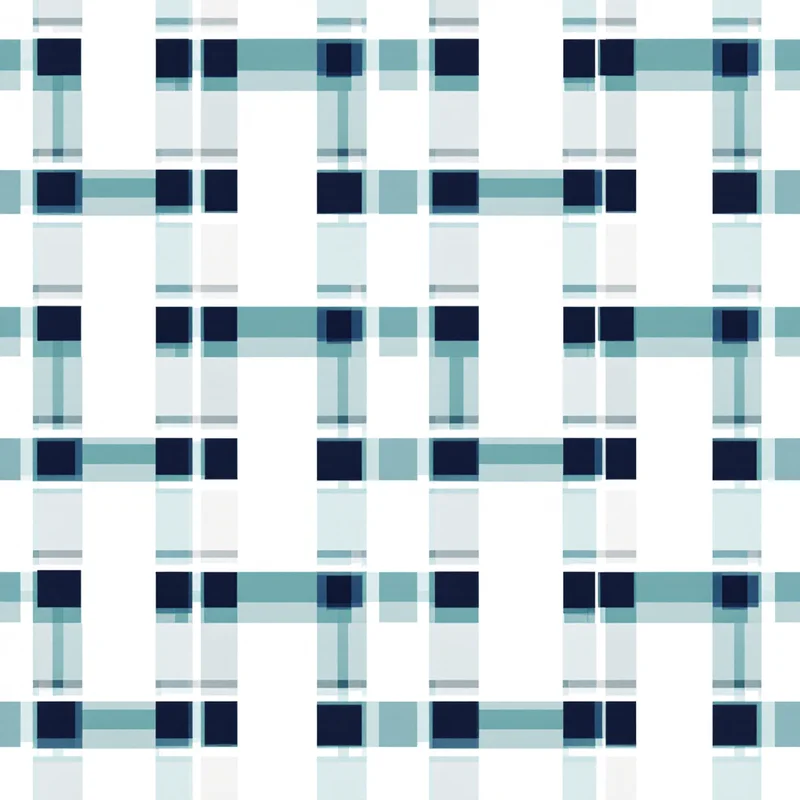
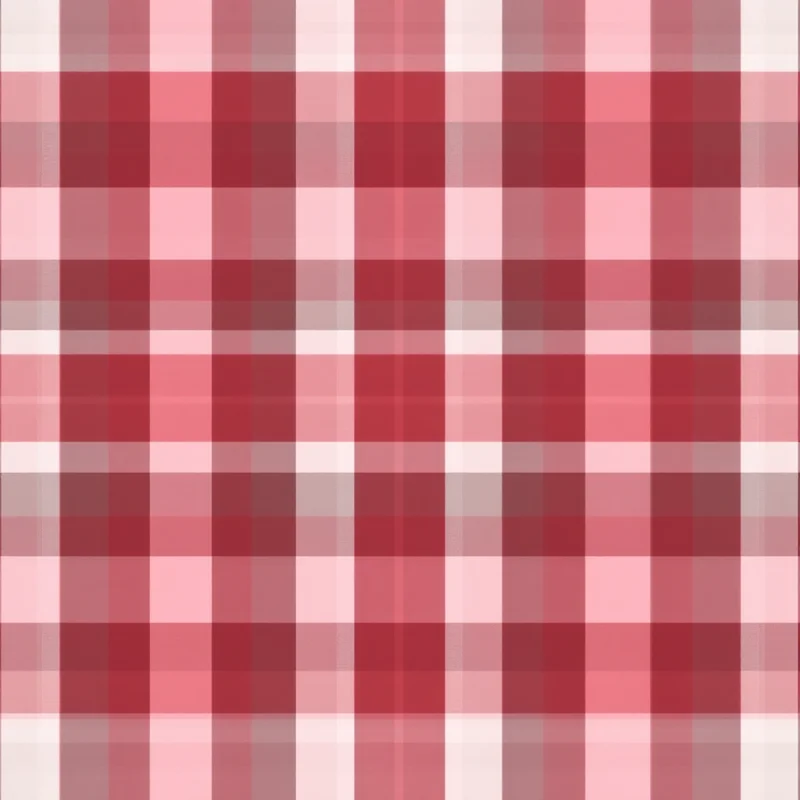
A lightweight, evenly balanced two-color check formed by overlapping stripes of equal width, producing a simple, even grid. Gingham reads light and casual — picnic tables, summer dresses, farmhouse kitchens — and it's structurally simpler than a true plaid, since it uses only two colors in an even, repeating grid rather than multiple colors in varied band widths.
Buffalo plaid
A bold, large-scale two-color check, almost always black and red in its classic form, most associated with winter flannel. Buffalo plaid reads considerably heavier and more rustic than gingham's light, even grid, despite both being simple two-color checks structurally.
Houndstooth
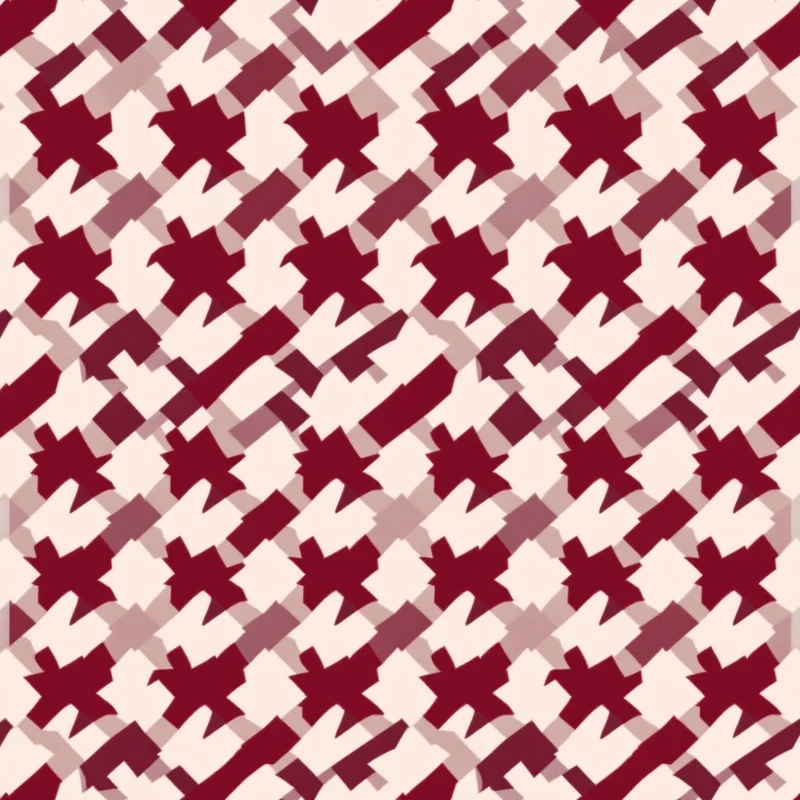
Technically a broken check rather than a true plaid — houndstooth is built from pointed, four-lobed shapes rather than simple intersecting bands, giving it a textured, jagged appearance distinct from the clean grid of plaid or gingham. It originated in Scottish woven wool and remains a menswear and fashion-house staple.
Madras
A lightweight, often irregular multi-color plaid originating in South India, traditionally vegetable-dyed and prone to gentle color bleed with washing. Madras reads more casual and colorful than tartan, and it's a summer-wear staple distinct from tartan's heavier, more formal wool tradition.
Telling them apart quickly
Count the colors and check the scale: two colors in an even, light grid is almost always gingham; two colors in a bold, heavy grid is buffalo plaid; multiple colors in a structured, named repeating sett is tartan; multiple colors in a lighter, less rigid grid is likely madras or a generic plaid.
Every style covered here — tartan, gingham, buffalo, houndstooth, and madras — can be generated as a seamless, production-ready tile in any colorway. Start in the free pattern maker with 3 free credits, or browse pattern styles for the full range.
Explore related pattern styles