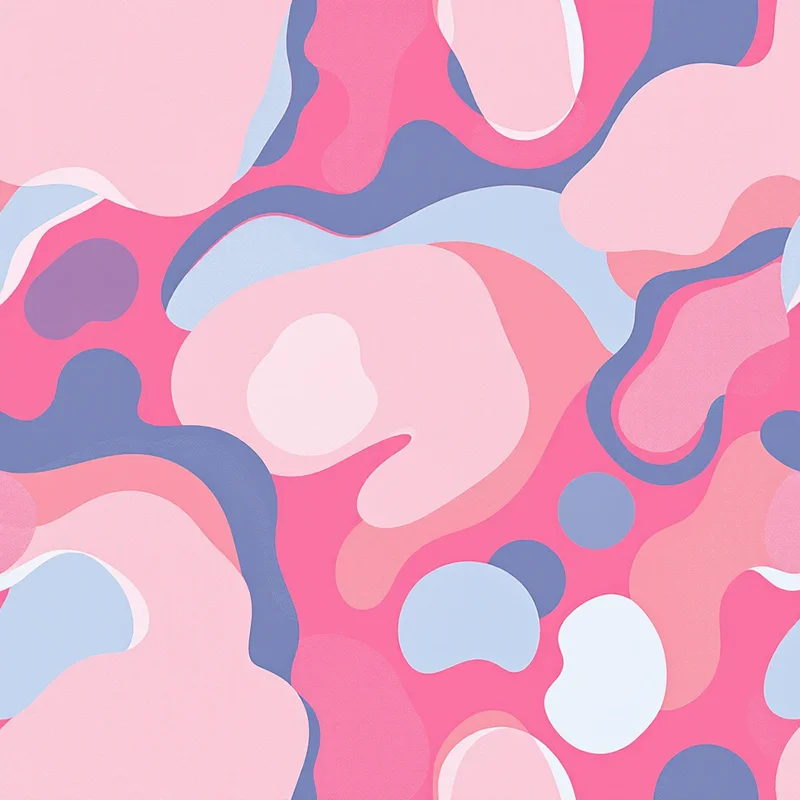
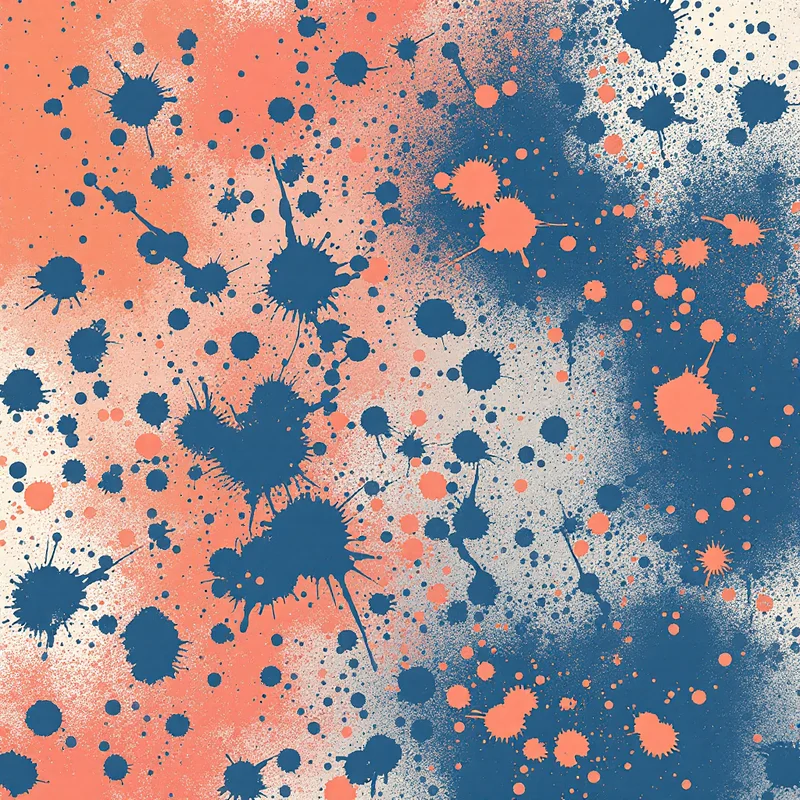


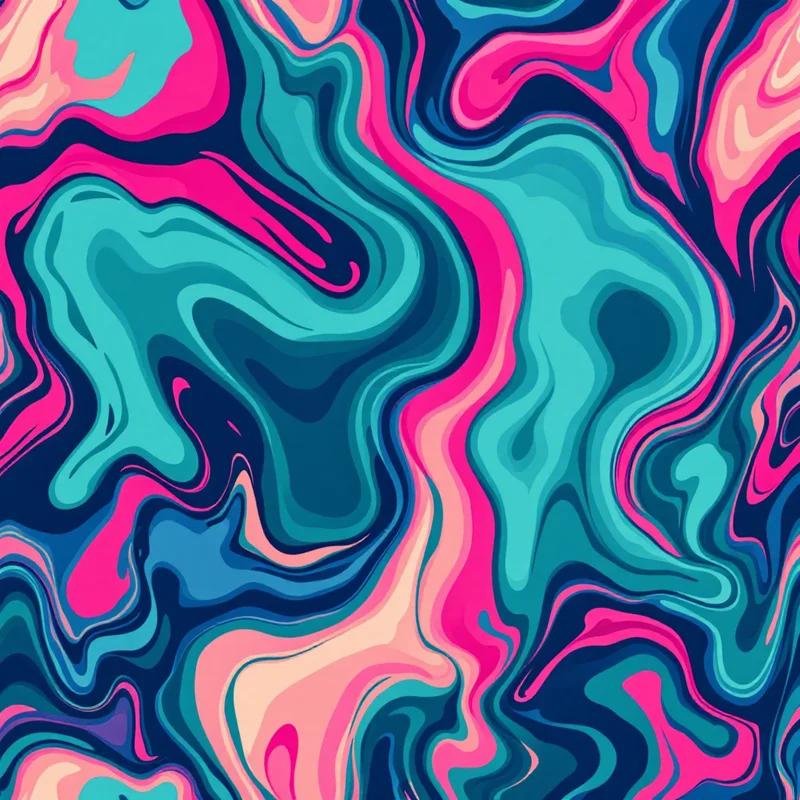
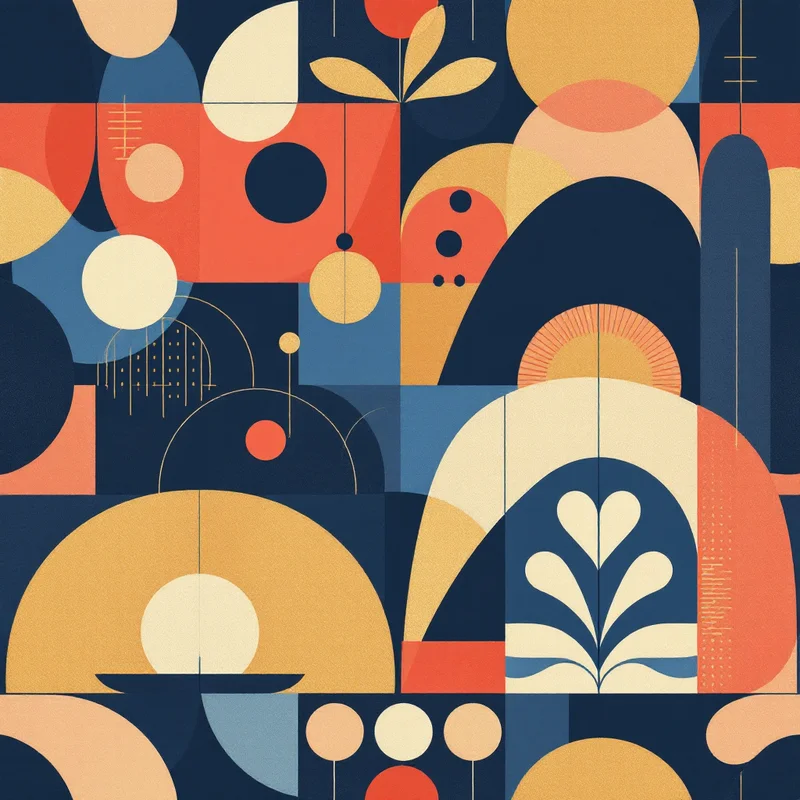

Sample star patterns structures — generate yours in the Mint palette above.
Mint star patterns sit at the intersection of two strong design decisions: the structural identity of the motif family and the emotional weight of the color choice. pale cool green with confectionary sweetness and freshness, which means a star patterns pattern rendered in mint reads very differently than the same motif structure in a softer or louder palette. The result lands in markets like mid-century-inspired decor, baby products, candy/confection packaging, and pastel fashion, where the combination of star patterns structure and mint mood communicates exactly the right brand cue without explaining itself.
When you build a star patterns pattern around Mint, the color does most of the storytelling. Mint pairs with blush pink and gold for retro pastels, or with white and navy for clean coastal looks. Pattern Weaver lets you load a Mint palette directly from the preset list or pull custom hex values from a brand guide, so the generation engine optimizes density, contrast, and motif weight for that exact color story. The output is a true seamless tile — every repeat aligns at the edges, and the mint reads consistently across scale.
Mint star patterns translate well to physical products because the color choice survives substrate change. On fabric, mint reads fresh, retro, and slightly playful; on packaging, it carries the same emotional weight without needing additional copy to explain it. Designers working in mid-century-inspired decor, baby products, candy/confection packaging, and pastel fashion use mint star patterns as a way to anchor a collection — once the palette is set, the motif decisions become editorial rather than foundational. Export at up to 8K resolution with optional CMYK conversion for print-ready output.
Generate mint star patterns in seconds with Pattern Weaver. Load the Mint preset, pick a substyle from the Star Patterns family, set density and scale, and let the Pattern DNA compiler translate your choices into a production-grade prompt. Free to start, no credit card required, and every export is yours to use commercially.
Frequently asked
What makes Mint a good color choice for star patterns?
Pale cool green with confectionary sweetness and freshness. That character pairs naturally with the structural energy of star patterns, which is why the combination shows up frequently in mid-century-inspired decor, baby products, candy/confection packaging, and pastel fashion. The color carries enough weight to ground the motif without overwhelming it.
Can I customize the exact Mint shade?
Yes. Pattern Weaver loads the Mint preset as a starting palette, but every color in it is editable. Paste your brand hex codes directly, sample colors from a moodboard, or shift the palette warm or cool with the built-in palette editor. The generation engine adapts to whatever palette you finalize.
What size and format does Mint star patterns export at?
Every Mint star patterns pattern exports as a true seamless tile up to 8192 × 8192 px at 300 DPI. PNG, JPG, and WEBP for digital use; TIFF with CMYK conversion and PDF with bleed marks for print production. Resolution scales without loss because the patterns are computed, not photographed.
Is the Mint palette editable after generation?
Yes. After generating a mint star patterns pattern, you can recolor it directly in the studio without regenerating. Swap the dominant Mint for a related shade, brighten or mute the supporting palette, or convert to a complete monochrome — all without losing the original motif structure.
Can I sell products made with Mint star patterns patterns?
Yes. All Pattern Weaver paid packs include full commercial rights. Use mint star patterns patterns on fabric, wallpaper, packaging, print-on-demand products, client work, and physical goods you sell. No additional licensing or royalties — your generations are yours.
Mint pairs with blush pink and gold for retro pastels, or with white and navy for clean coastal looks — does the tool handle this automatically?
Mint pairs with blush pink and gold for retro pastels, or with white and navy for clean coastal looks. The palette editor in Pattern Weaver lets you build complete color stories rather than just pick one accent. Save palettes you like as presets and reuse them across multiple star patterns generations to maintain brand consistency.