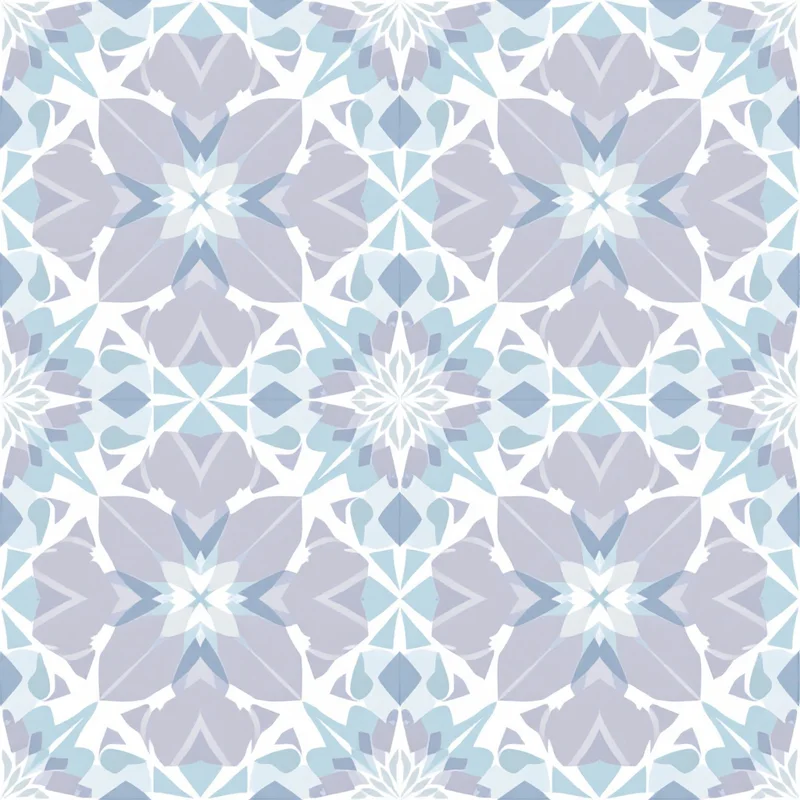
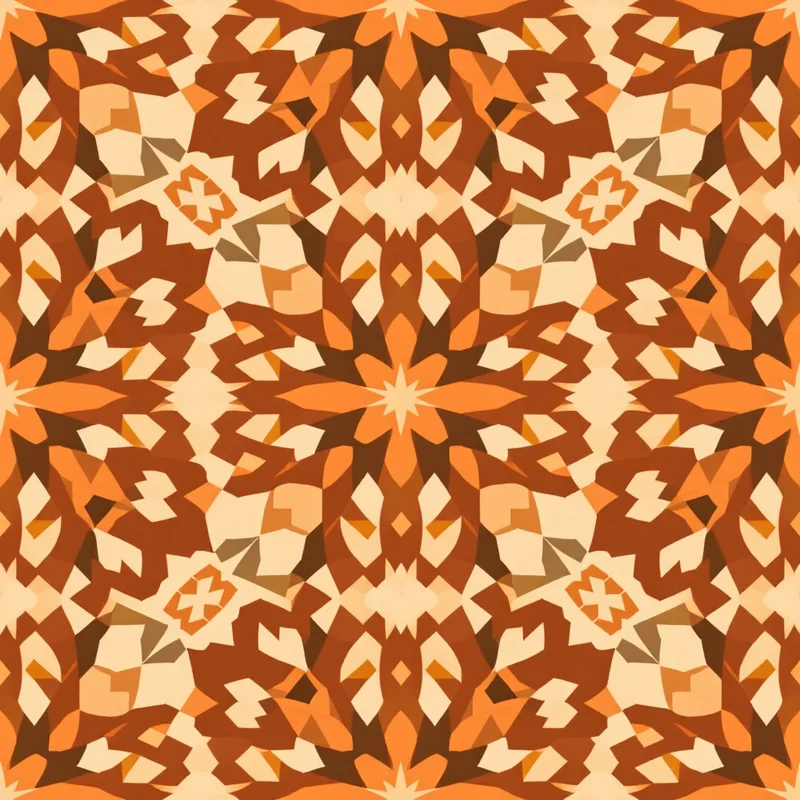
Moroccan pattern design has reached permanent fixture status in global surface design. The combination of intricate geometry, rich color traditions, and architectural heritage gives Moroccan patterns a presence that few other cultural traditions match. For pattern designers, mastering the authentic Moroccan vocabulary unlocks markets in luxury home goods, boutique interiors, custom tile production, and high-end wallpaper — all commanding premium prices.
Key takeaway: Authentic Moroccan patterns respect mathematical precision. Unlike loose boho interpretations, real Moroccan designs like zellige follow strict geometric rules that took centuries to codify. Honor the geometry and your patterns stand out.
The Zellige Tradition
Zellige — the terracotta tilework found throughout historic Moroccan architecture — is the foundation of Moroccan pattern design. The tradition dates to the 10th century and reached full refinement in the 14th. The patterns are mathematically generated, based on polygonal tessellations that fit together without gaps and without overlap.
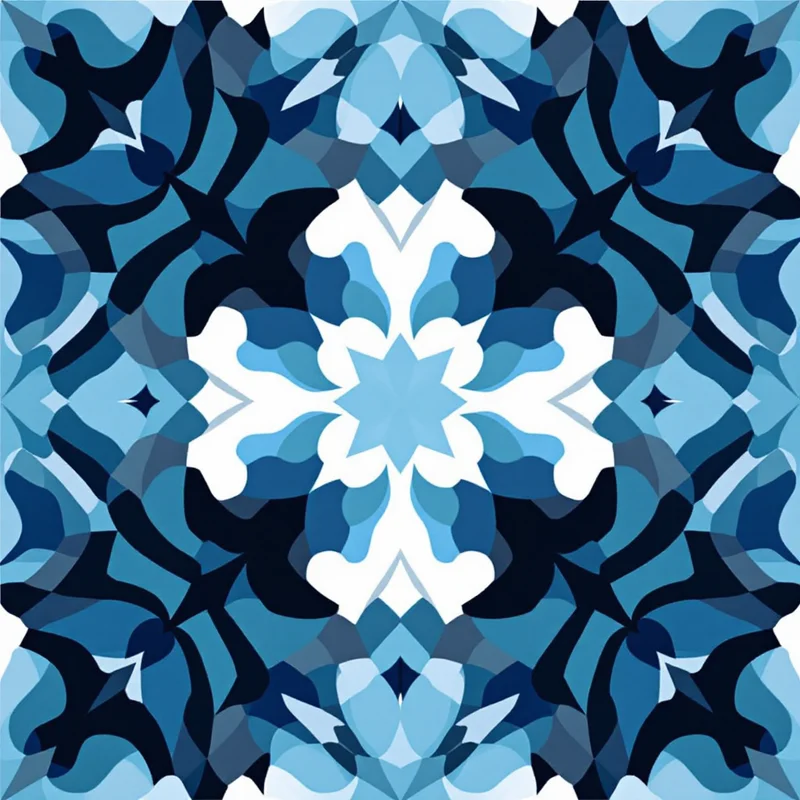
The characteristic zellige motif is the eight-point star, created by overlapping two rotated squares. Variations include twelve-point stars, sixteen-point stars, and composite patterns where multiple star sizes interlock. The geometry is precise — every angle has a reason, every proportion relates to adjacent shapes.
For pattern generation, the geometric patterns category paired with cultural substyles produces zellige-style output. The mosaic render style reinforces the tile-based feeling.
Traditional Color Palettes
Historic Moroccan zellige used a narrow palette determined by available mineral glazes: cobalt blue (from cobalt oxide), terracotta (from clay itself), forest green (from copper), yellow ochre (from iron oxide), and white (from tin glazes). These five colors form the traditional Moroccan palette.
Contemporary Moroccan-inspired patterns have expanded the palette but still benefit from restraint. A 3–4 color palette drawn from the traditional five produces more authentic-feeling patterns than a modern rainbow approach. The one modern addition that reads as Moroccan is deep aubergine purple, which entered the vocabulary in the 20th century.
Motifs Beyond Zellige
Moroccan pattern design extends beyond zellige tiles into several other traditions:
Arched doorway shapes — the keyhole and horseshoe arches characteristic of Moroccan architecture translate into repeating pattern elements. Arches can function as enclosures for smaller motifs or as standalone geometric shapes.
Lantern motifs — Moroccan brass and colored-glass lanterns translate beautifully into pattern elements. Often rendered as silhouettes or simplified geometric forms.
Palm and botanical influences — date palm leaves, orange blossoms, and desert botanicals appear in Moroccan textile traditions alongside the geometric work. These softer motifs balance the precision of zellige.
Calligraphy and script — Arabic calligraphic forms have historically been integrated into Moroccan pattern design. For secular commercial work, decorative script-inspired flourishes work well; avoid literal religious text unless specifically appropriate.
Kilim and Berber rug patterns — the geometric rug traditions of the Atlas Mountains offer a different but related vocabulary. Diamonds, zigzags, and stepped patterns in wool-dyed palettes. See the tribal patterns library.
Texture and Rendering
Moroccan patterns benefit from rendering that evokes the materials of the original tradition — ceramic glazes, hand-woven wool, and hand-pressed metalwork. The mosaic render style, stained-glass render, and linocut all produce convincing results.
For wallpaper and digital applications, slightly textured renders outperform flat colors. A pattern that shows the "imperfections" of handmade ceramic — slight crazing, color variation, edge softness — reads more authentic than a perfectly flat vector version.
Scale and Layout
Moroccan patterns traditionally work at multiple scales simultaneously. A single zellige composition might have a large eight-point star surrounded by smaller star clusters, with smallest tesserae filling the gaps. This multi-scale density is essential to the aesthetic.
For surface pattern work, you can emphasize different scales for different products. Large-scale primary motifs for wallpaper and upholstery. Medium-scale composite patterns for fabric yardage. Small-scale detailed patterns for stationery and packaging.
Product Categories
Wallpaper and feature walls — the biggest Moroccan pattern market. Kitchens, bathrooms, and entryways especially benefit from Moroccan patterns, which handle high-traffic areas well aesthetically. See the wallpaper pattern maker guide.
Tile design — commercial tile manufacturers license pattern designs for reproduction. Moroccan tile patterns are a premium licensing category.
Home textiles — throw pillows, table runners, curtains, and cushion collections. Boutique home decor brands frequently use Moroccan-inspired patterns. See home decor.
Area rugs — kilim-inspired and Moroccan rug patterns are a substantial market. Rug manufacturers actively license new designs in this tradition.
Packaging — luxury beauty, tea, and spice brands frequently use Moroccan-inspired patterns for packaging and labels. See packaging use-case.
Stationery — wedding invitations, journal covers, and greeting cards in Moroccan patterns perform well in both independent and mass-market stationery.
Combining with Adjacent Styles
Moroccan patterns combine well with a few adjacent style traditions:
- Moroccan + Art Deco — both traditions emphasize geometric precision and luxe palettes. See the art-deco patterns library.
- Moroccan + boho — boho styling softens Moroccan geometry for contemporary interiors. See the boho pattern design guide.
- Moroccan + Mediterranean — terracotta, cobalt, and white connect Moroccan and Greek island visual traditions.
Building a Moroccan Collection
A strong Moroccan mini-collection:
- A hero zellige pattern (large-scale eight-point star composition)
- An arched-doorway blender
- A lantern motif print
- A micro-scale tessellation texture
- A solid terracotta or cobalt ground color
All in the traditional palette. Open the pattern studio to start building.
Explore related pattern styles
Patterns for