Design characteristics
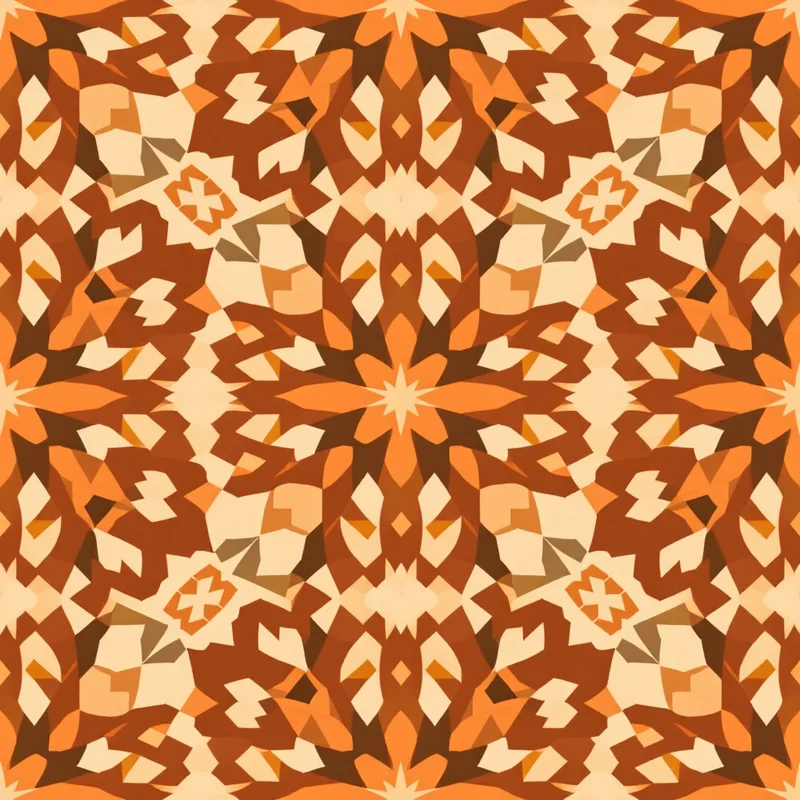
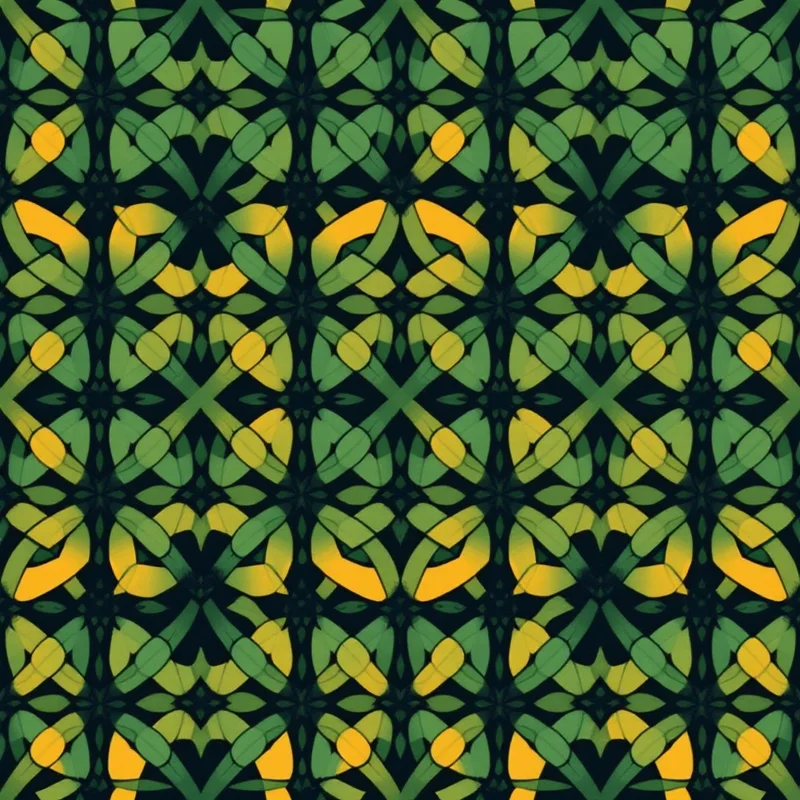
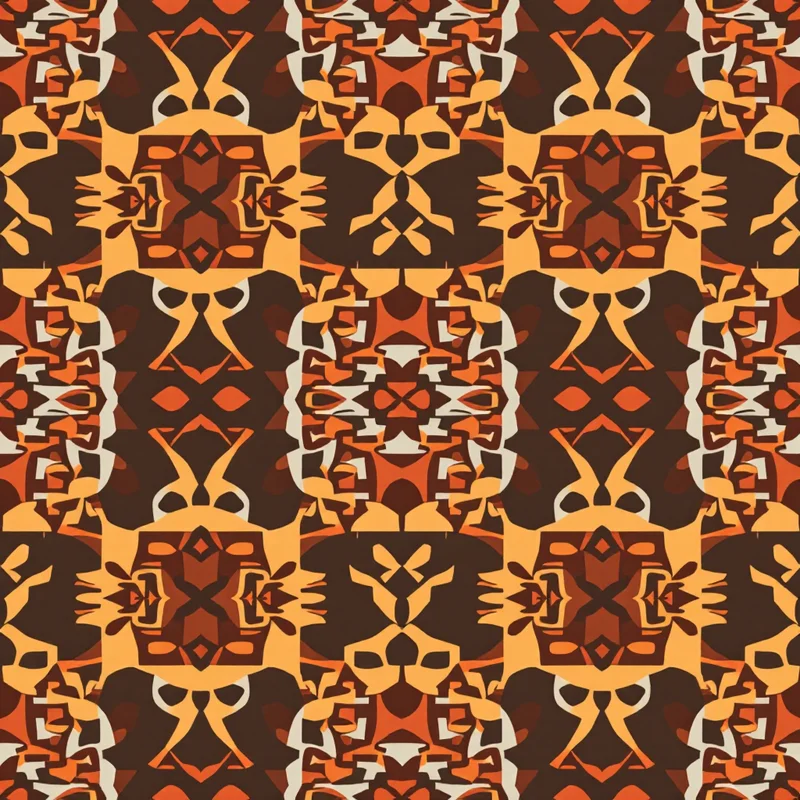
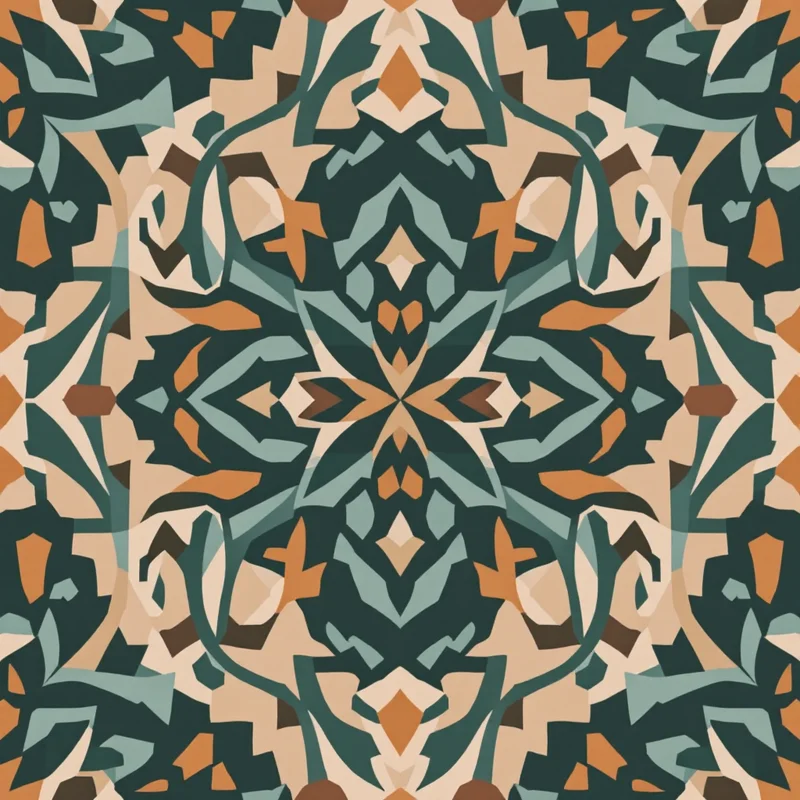
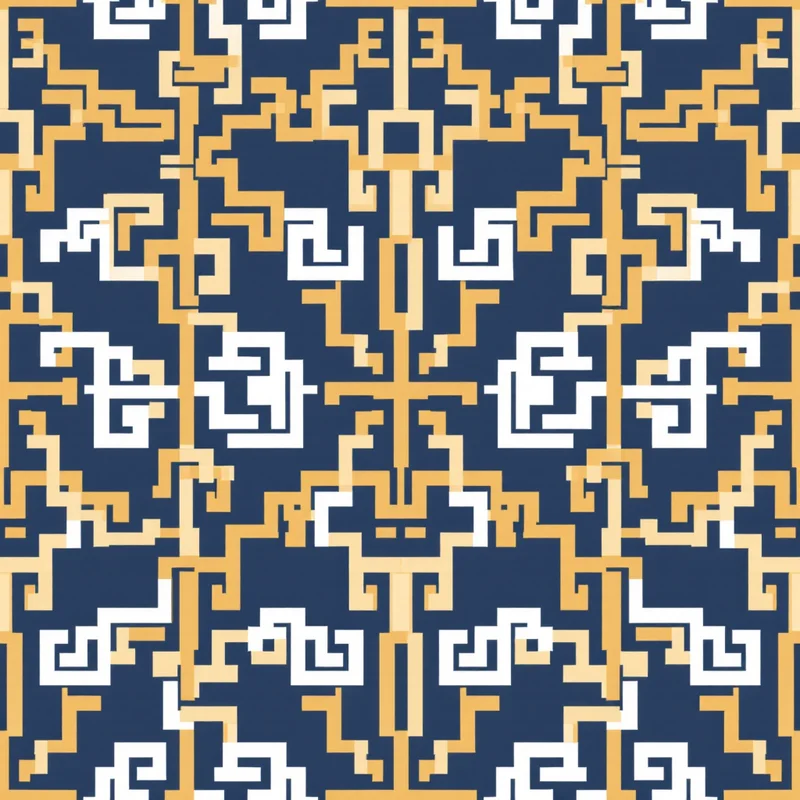
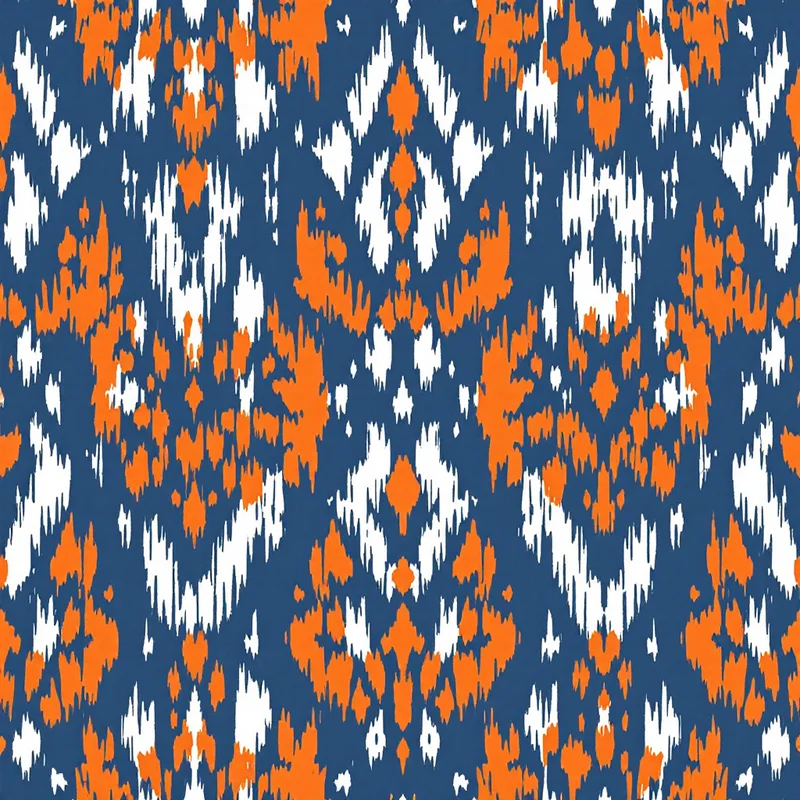
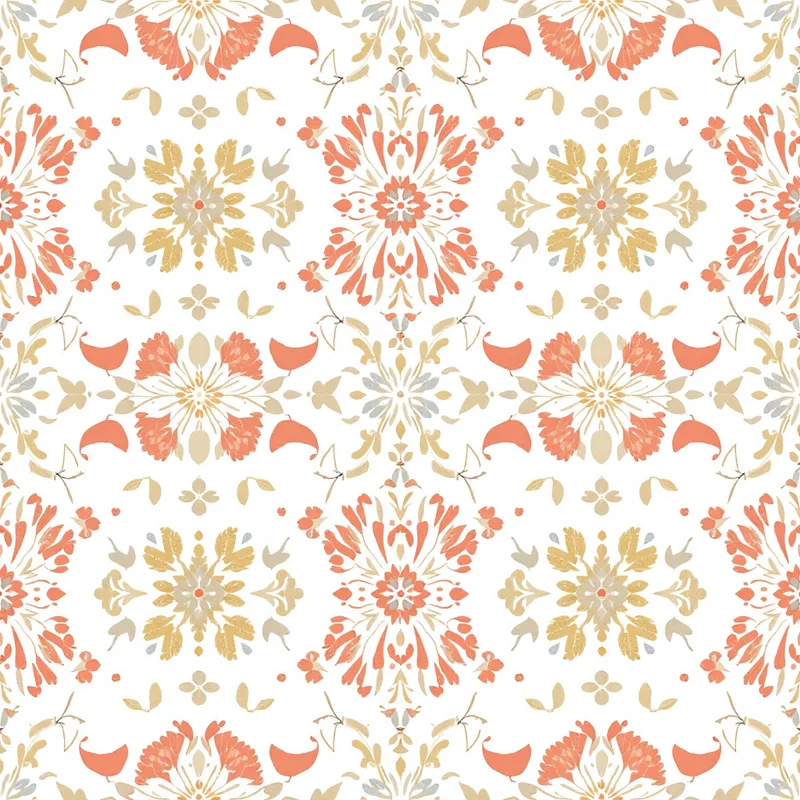
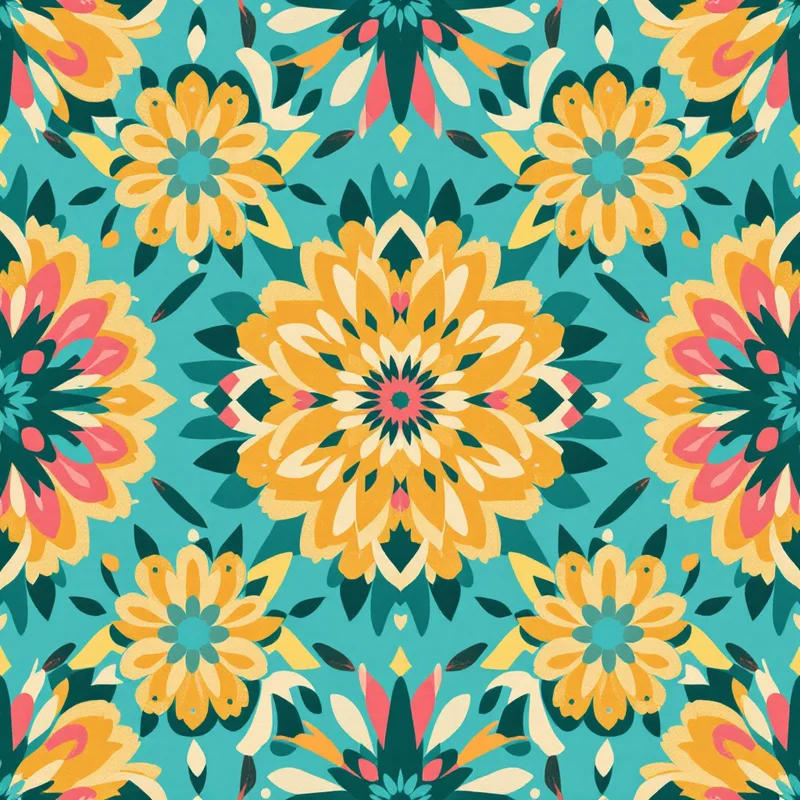
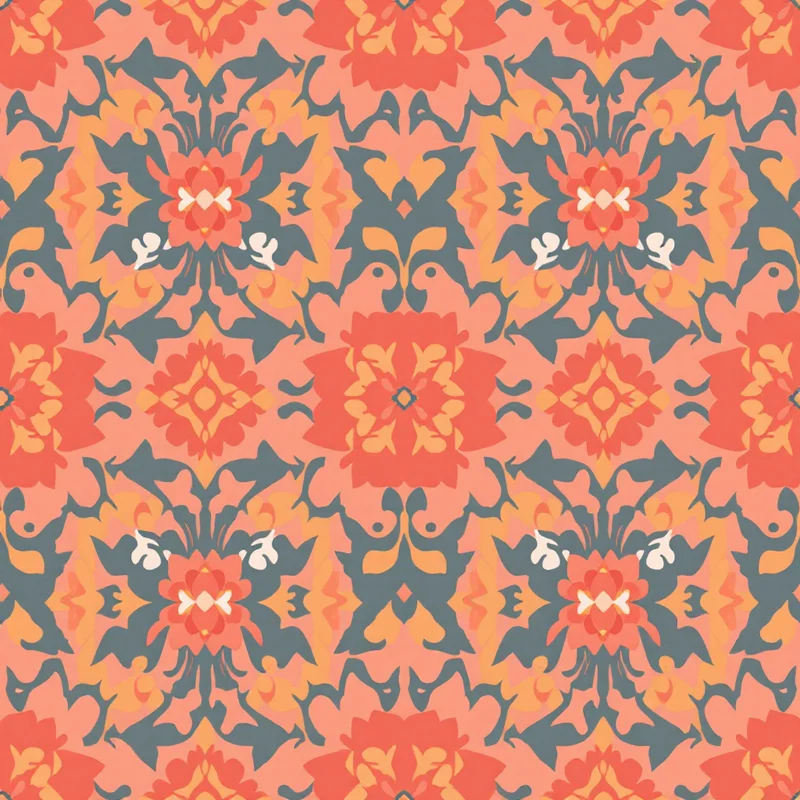
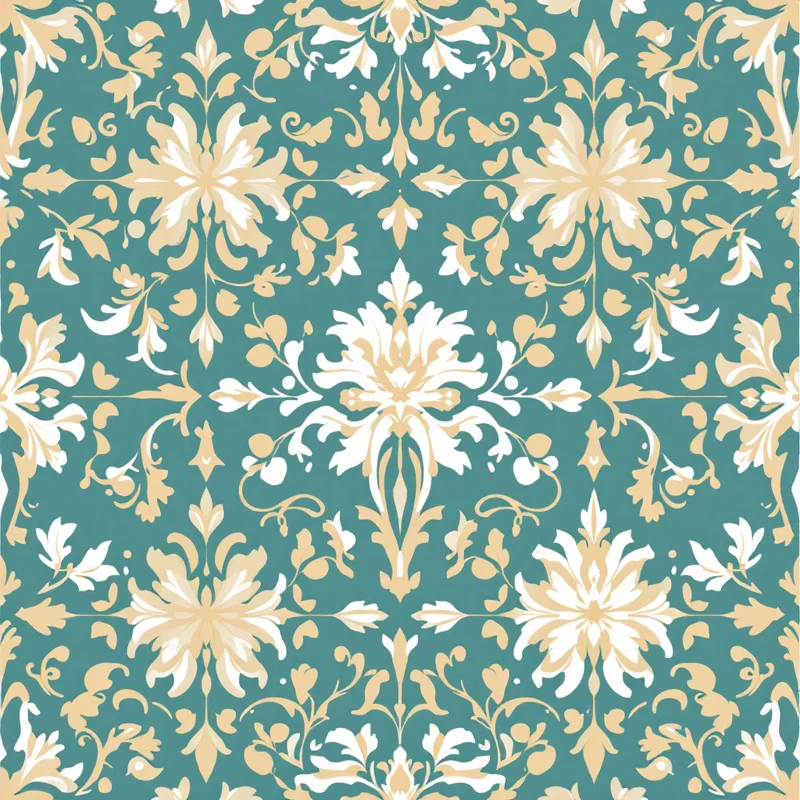
The style draws on motifs found across many craft traditions, including West African mudcloth and Kuba cloth, Southwestern and Navajo-inspired weaving, Aztec and Mesoamerican stepped forms, Aboriginal dot work, and Polynesian tattoo-style linework. We treat these as broad design references rather than literal cultural reproductions, so you get the energy of the aesthetic, the contrast, the repetition, the symbolic shapes, without copying any specific sacred or protected artwork. Typical palettes stay grounded: terracotta, ochre, charcoal, cream, rust, indigo, and clay, with the occasional turmeric yellow or deep teal as an accent against a neutral base.
Commercial applications
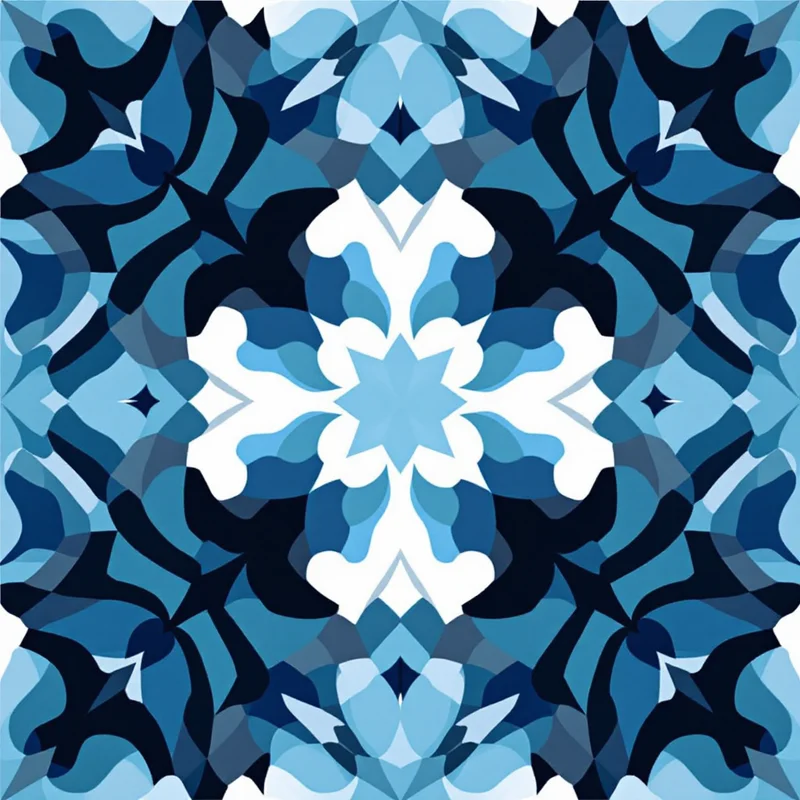
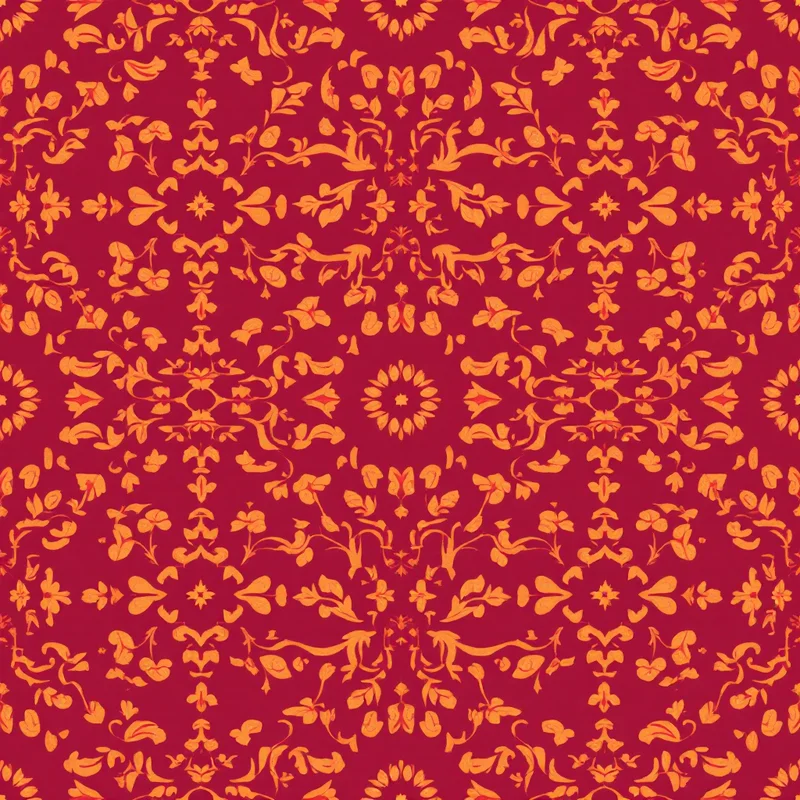
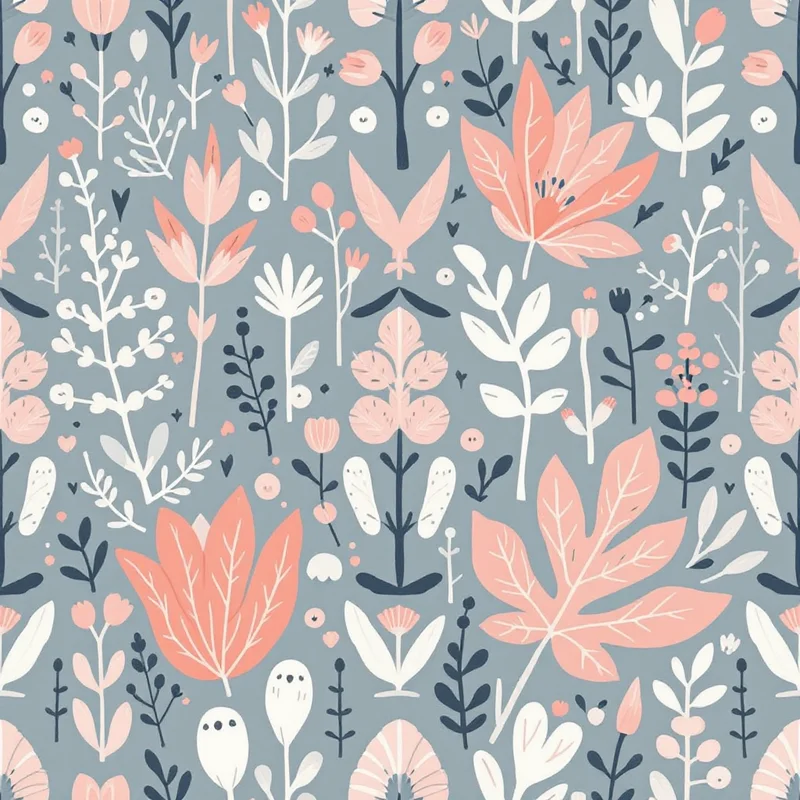
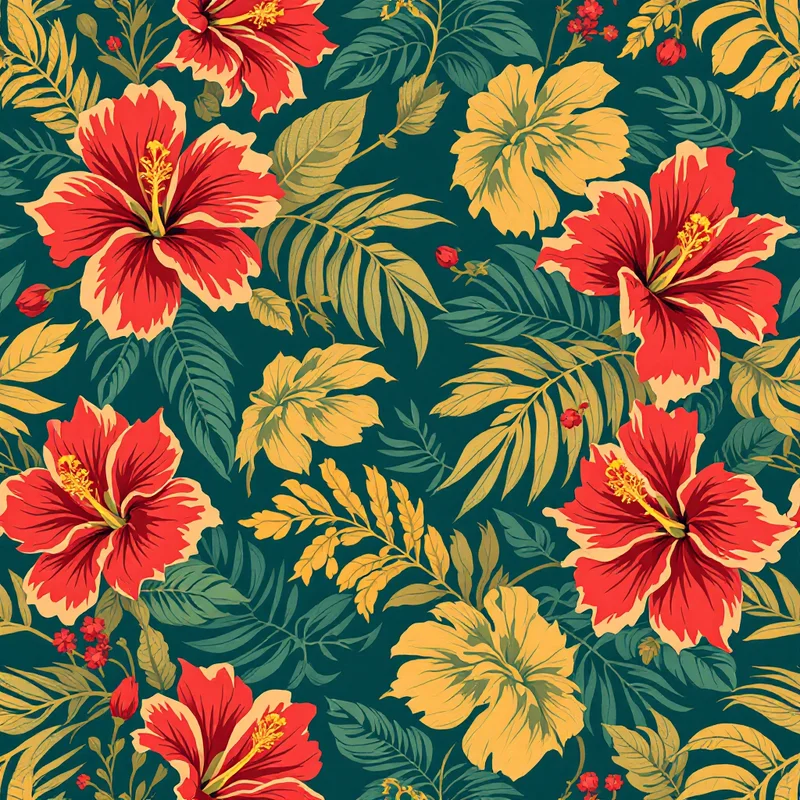
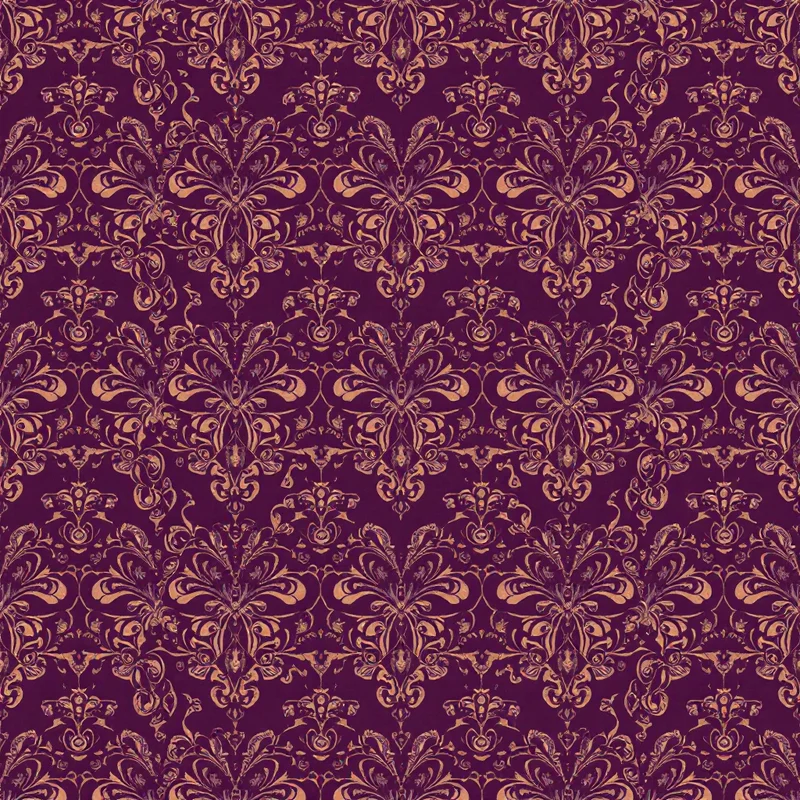
Designers reach for tribal patterns because they carry strong personality while still tiling cleanly. The high-contrast geometry holds up at a distance, making it ideal for statement pieces, yet the fine internal detailing rewards a closer look. Because the motifs are modular, they scale from tight all-over fills to large feature panels without losing their rhythm, and they pair naturally with solid color blocks, leather, raw wood, and woven textures.
Where to use tribal patterns: bold geometry for textiles and surface design patterns
Across products the style is versatile. On apparel it suits kimono jackets, swimwear, scarves, and boho dresses; in home decor it works for throw pillows, area rugs, blankets, and ceramic glazing; for stationery and packaging it brings craft-brand warmth to kraft boxes, soap wraps, and coffee bags; and as wallpaper it anchors accent walls and hospitality interiors. Accessories like tote bags, phone cases, and enamel pin backing cards take the geometry well because the shapes stay legible even when shrunk.
Customization & export
Pattern Weaver lets you dial in the look without manual redrawing. Adjust density to move from sparse, breathing layouts to dense mudcloth-style coverage, shift the palette to match a brand or a season, and control scale so the motif sits right for a phone case versus a curtain. Every design tiles seamlessly out of the box, so there are no visible seams when the repeat runs across a large surface.
When the composition is right, export from Pattern Weaver at up to 8K resolution (8192x8192) in the format your workflow needs, PNG and TIFF for print production, PDF for layout and proofing, plus JPG, WEBP, and SVG for web and vector use. That covers fabric printing, large-format wallpaper, and on-demand merchandise from a single source file, with color and scale locked exactly how you set them.