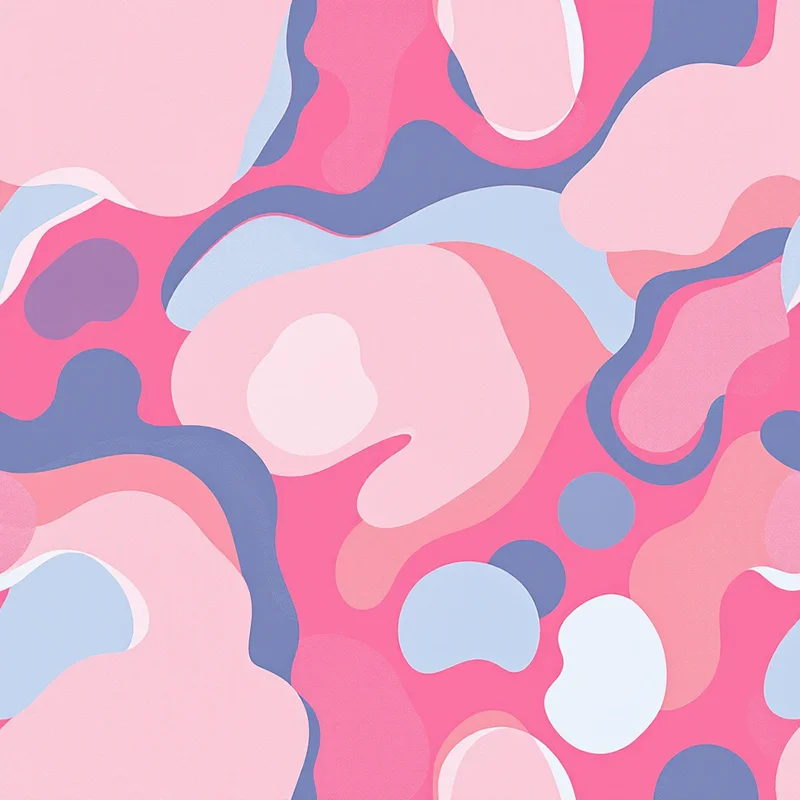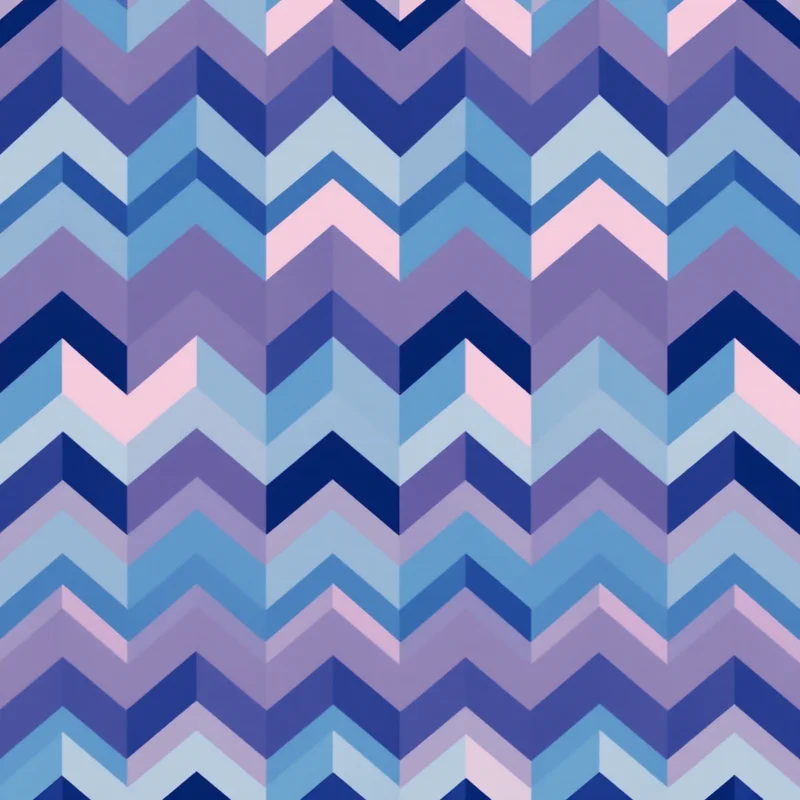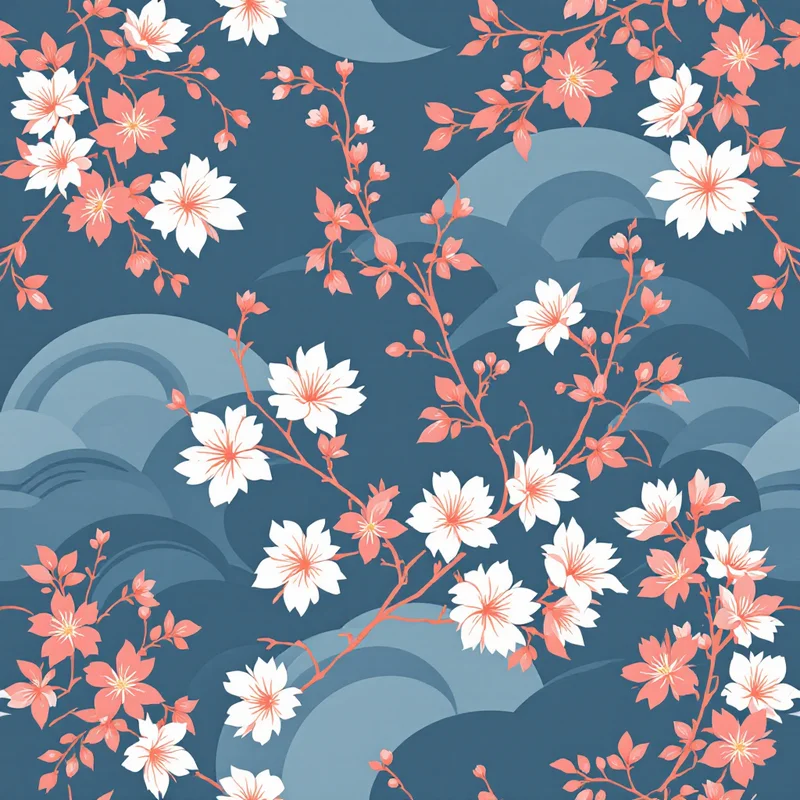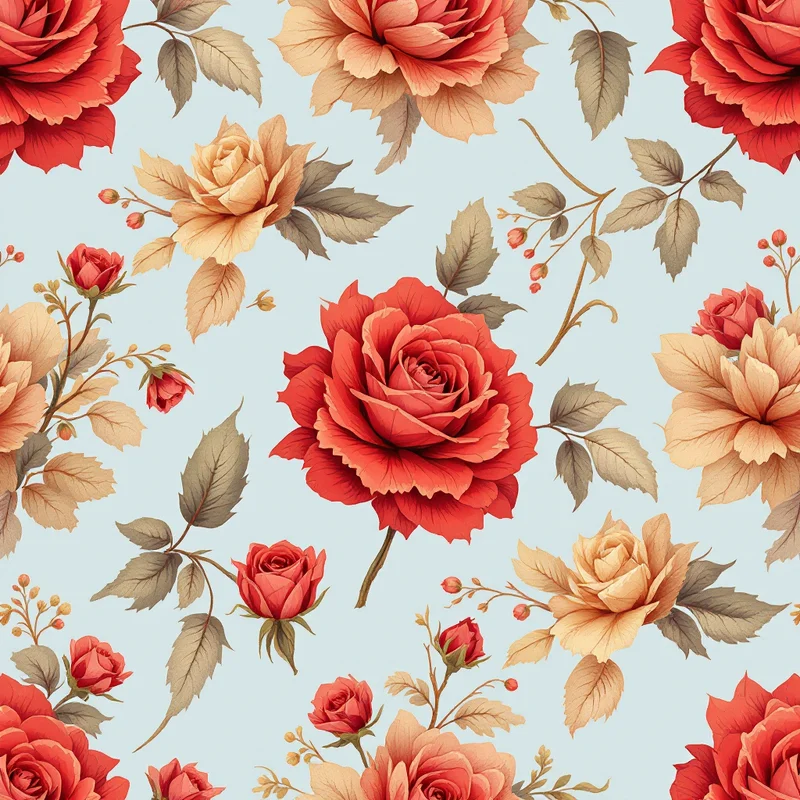
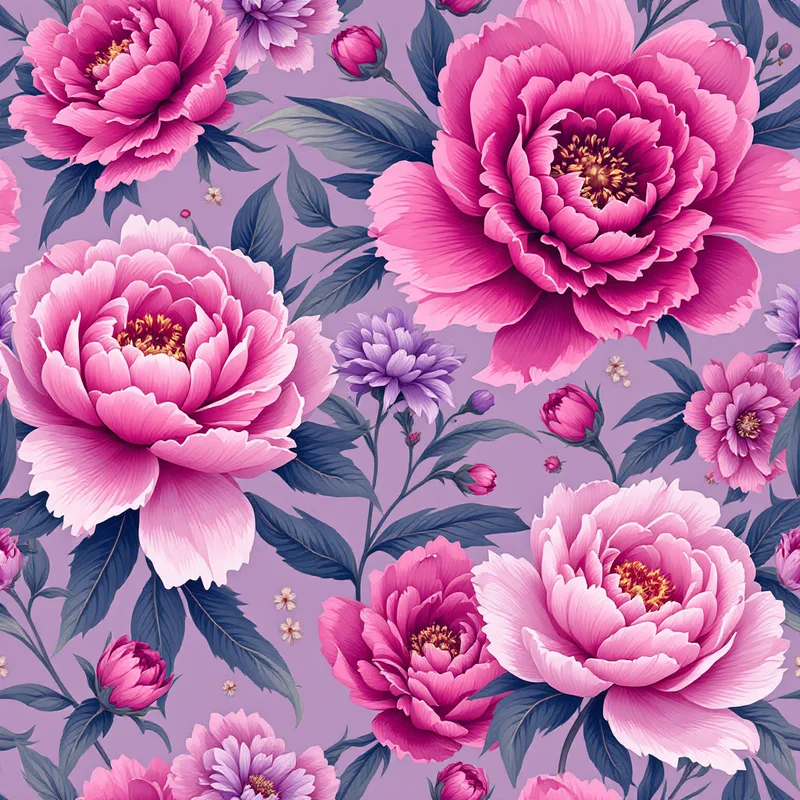
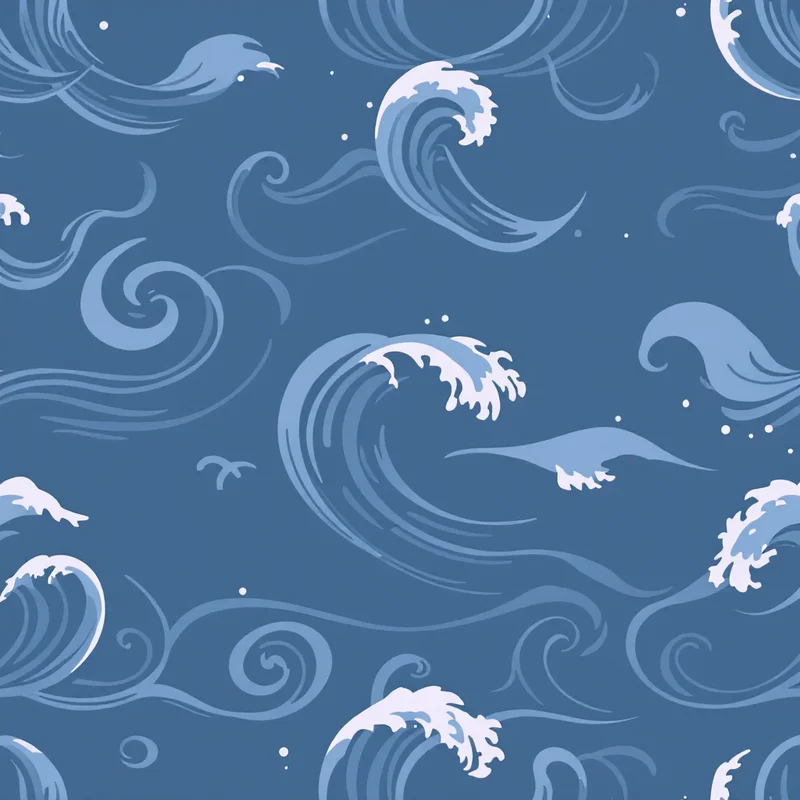

Gouache sits between watercolor and acrylic — a matte, opaque paint with chalky pigment quality beloved by mid-century illustrators and contemporary editorial artists alike. For pattern design, gouache rendering produces a specific aesthetic that watercolor and vector rendering can't replicate: the soft, slightly flat quality of vintage picture books, Mary Blair illustrations, and European book illustration traditions.
Key takeaway: Gouache rendering gives patterns a distinctive vintage-illustration feel unavailable in other render styles. It's particularly strong for editorial, children's book, and boutique stationery markets.
What Makes Gouache Different
Opacity over transparency. Watercolor depends on transparency — letting paper show through creates the medium's luminous quality. Gouache covers opaquely. Pigments sit on the paper rather than staining it.
Chalky matte finish. Gouache dries with a slightly chalky, matte surface that has a specific tactile quality you can almost feel looking at it.
Layerable without muddying. Unlike watercolor, you can paint gouache over gouache without the bottom layer showing through. This enables complex compositions with clean color separation.
Hand-painted character. Even when rendered digitally, gouache imagery retains a hand-made warmth that feels intentional and crafted.
Historical Context
Gouache was the dominant illustration medium of mid-20th century commercial art. Children's book illustrators (Mary Blair, Leonard Weisgard, Virginia Lee Burton), editorial illustrators, and advertising artists used gouache for its reliability and print reproducibility.
Contemporary gouache revival has brought the medium back into fashion for:
- Children's book illustration
- Editorial illustration and magazine work
- Wedding stationery with a vintage sensibility
- Boutique packaging design
- Picture book-inspired home decor
Pattern Applications
Botanical gouache. Flowers and leaves rendered in gouache have a specific quality — softer than vector, more structured than watercolor. Works beautifully for wedding stationery, nursery decor, and editorial home textiles.
Animal gouache. Children's-book-style animal illustrations in gouache rendering appeal to both children's product markets and nostalgic adult buyers. See animal patterns.
Vintage gouache. Mid-century motifs rendered in gouache produce authentic period aesthetic. Strong for vintage-inspired packaging and retro home textiles. See vintage patterns.
Floral gouache. Romantic gouache florals for boutique wedding stationery, greeting cards, and feminine home decor. See romantic patterns.
Palette Considerations
Gouache palettes lean saturated but muted — think Mary Blair's Cinderella illustrations. Colors are rich but not fluorescent. Characteristic gouache palettes include:
- Picture-book gouache: dusty rose, sage green, warm cream, soft terracotta, muted gold
- Mid-century gouache: olive green, mustard yellow, orange, cream, warm black
- Contemporary gouache: dusty blue, soft pink, warm white, charcoal, buttery yellow
The palette discipline matters — gouache's characteristic look emerges from restricted color selection rather than full-saturation palettes.
Product Categories
Stationery and greeting cards. Gouache illustration feels warm and personal, ideal for correspondence products. See the stationery use-case.
Wedding invitations (vintage-aesthetic). Gouache florals on linen-textured paper create distinctive wedding stationery at premium price points.
Children's products. Books, nursery decor, baby announcements, and children's apparel benefit from gouache's storybook quality.
Boutique packaging. Artisan food products, specialty coffee, and boutique wellness brands use gouache illustration to signal handcrafted quality.
Home decor. Framed gouache-style prints, kitchen textiles, and editorial throw pillows.
Rendering Technique
To get authentic gouache character:
- Choose the gouache render style in Pattern Weaver
- Set palette to 4-6 muted saturated colors
- Keep density moderate — gouache looks best with breathing room
- Choose botanical patterns, vintage patterns, or animal patterns for category
Avoid pure white backgrounds — gouache sits better on cream or soft colored grounds that reference the paper it's traditionally painted on.
Building a Gouache Collection
A coordinating gouache mini-collection:
- A hero floral in gouache rendering
- A small-scale botanical blender
- A gouache animal motif (bird or butterfly)
- A simple stripe or dot in matching palette
- A solid-look warm cream or sage texture
Open the pattern studio to begin, or browse the gouache style page for more on this rendering.
Explore related pattern styles
Patterns for