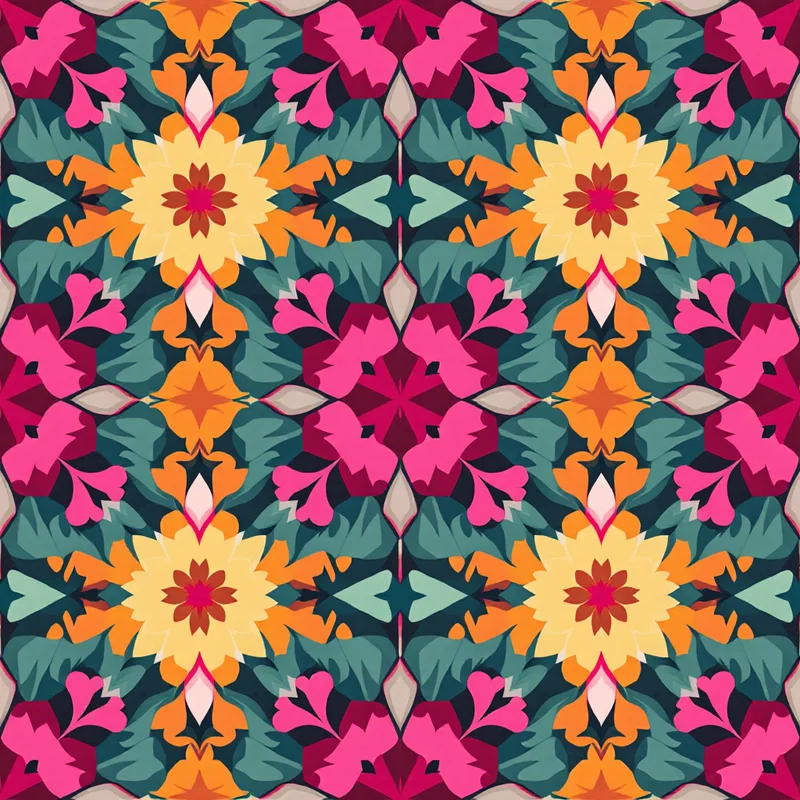
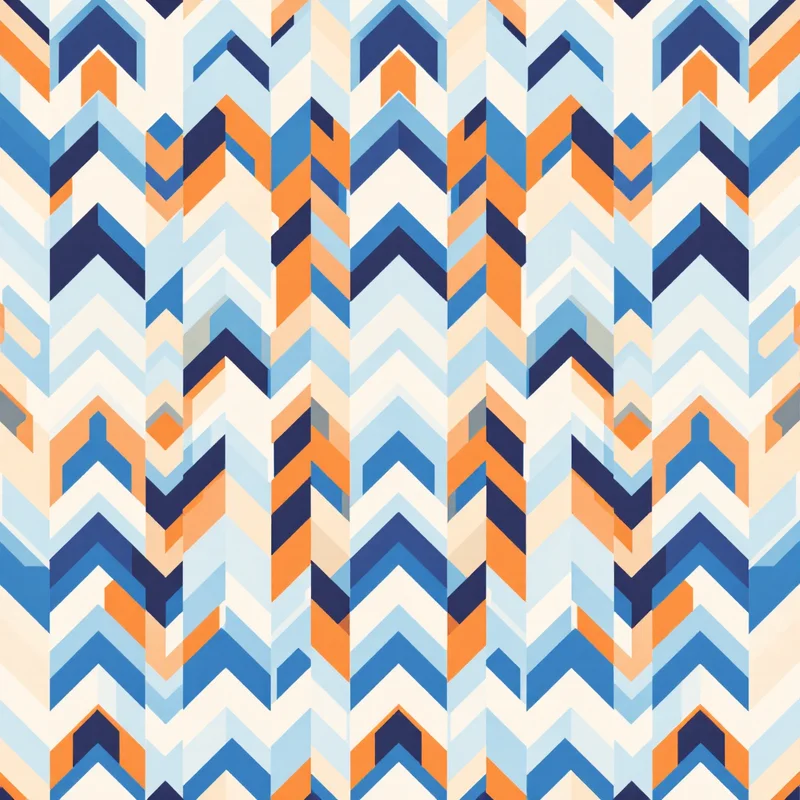
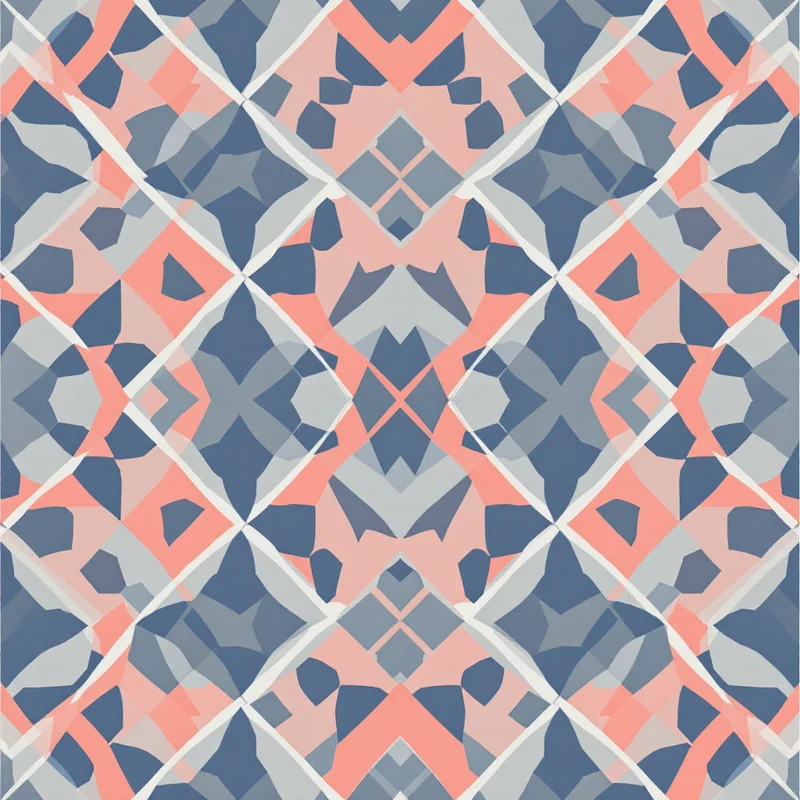
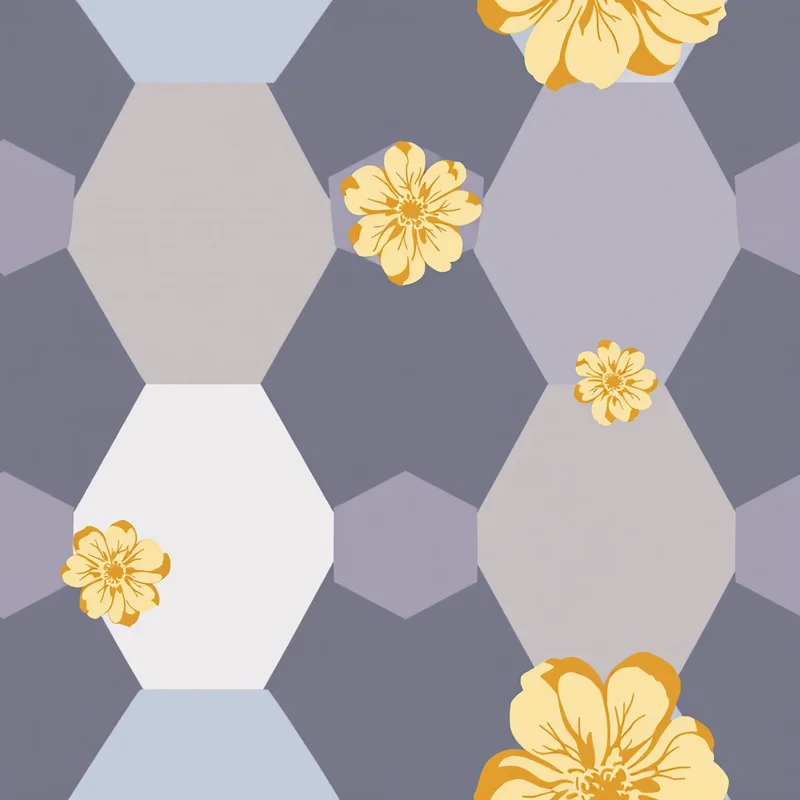
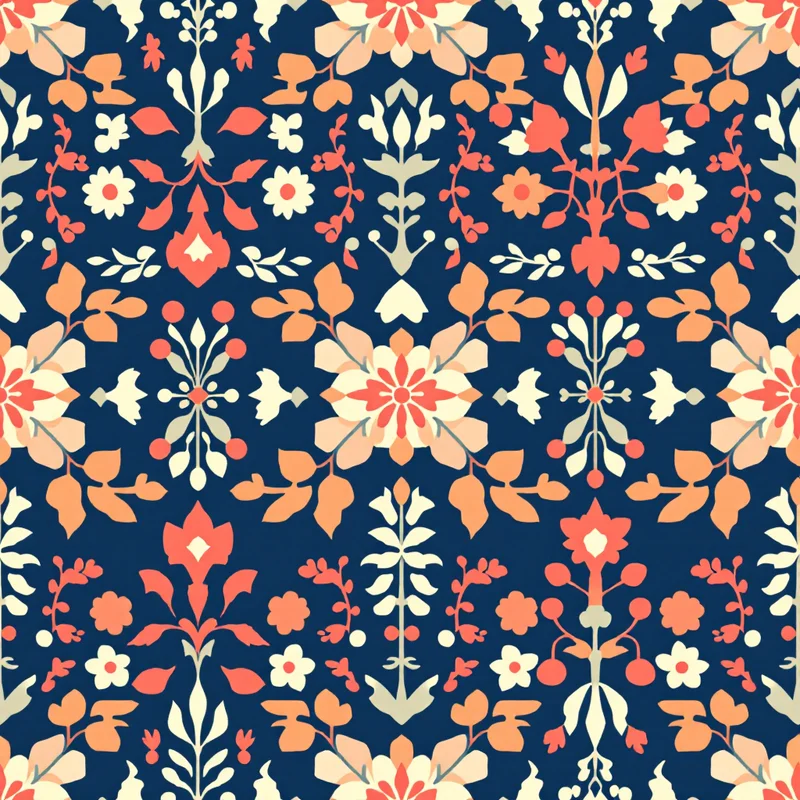
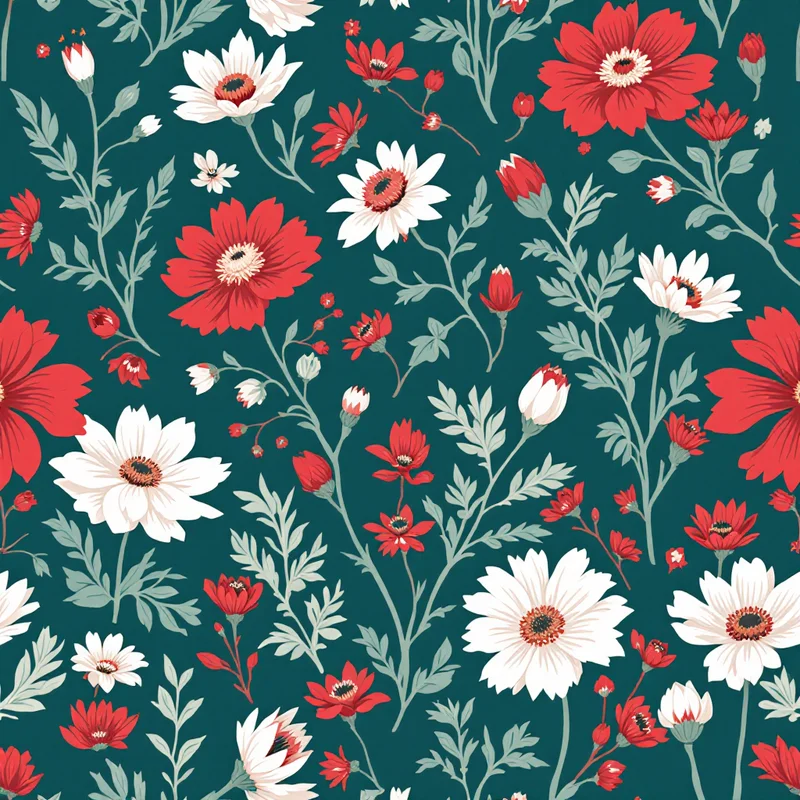

Cross stitch rendering transforms your patterns into pixel-grid designs that capture the distinctive X-stitch texture and chart-like clarity of traditional counted cross stitch work. Every motif resolves into a visible grid of individual stitches, with the characteristic diagonal crossing that defines the craft — creating visual reference designs that crafters can use as inspiration for their own needlework projects.
This rendering style bridges AI-powered pattern generation and the craft of cross stitch. The output looks like finished cross stitch work photographed on fabric — visible grid structure, natural thread texture, and the subtle dimensionality of stitched surfaces. Crafters use these visual references to plan color palettes, evaluate motif proportions at stitch scale, and preview how a finished piece will look before counting a single square on their Aida cloth.
The grid-based nature of cross stitch makes it a natural fit for geometric, folk art, and pixel-art-inspired patterns. Scandinavian folk motifs, traditional samplers, holiday ornaments, alphabets, borders, and small repeating motifs all translate beautifully into the cross stitch grid. But the rendering also handles botanicals, animals, and more complex subjects — reducing them to the stitch-grid resolution that cross stitchers work with, preserving recognizable forms within the constraints of the medium.
For designers selling cross stitch inspiration on Etsy, Creative Market, or their own sites, these visual reference patterns are a distinctive product category. Buyers searching for cross stitch ideas get finished-look previews that help them visualize projects and plan purchases of thread and fabric. The seamless tiling format also works for border designs, repeating motifs, and continuous patterns that extend across larger projects like table runners and pillow bands.