How to Start a Clothing Line

A working guide to launching a clothing line — designing prints, picking production, choosing fabric, and the AI tooling that makes it possible for a solo founder to design a full collection in a weekend.

5 free credits — no credit card required

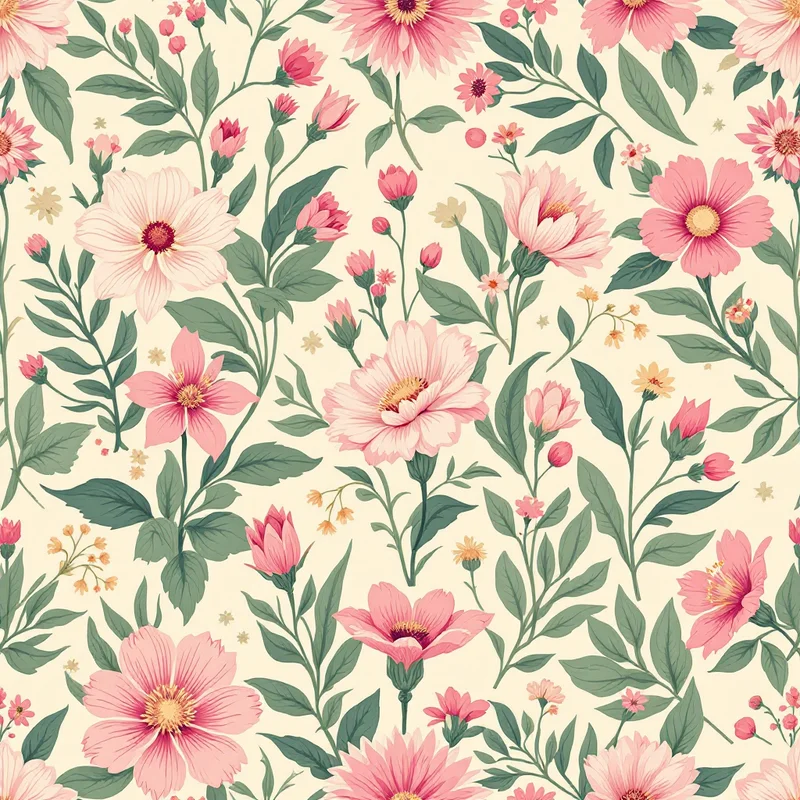
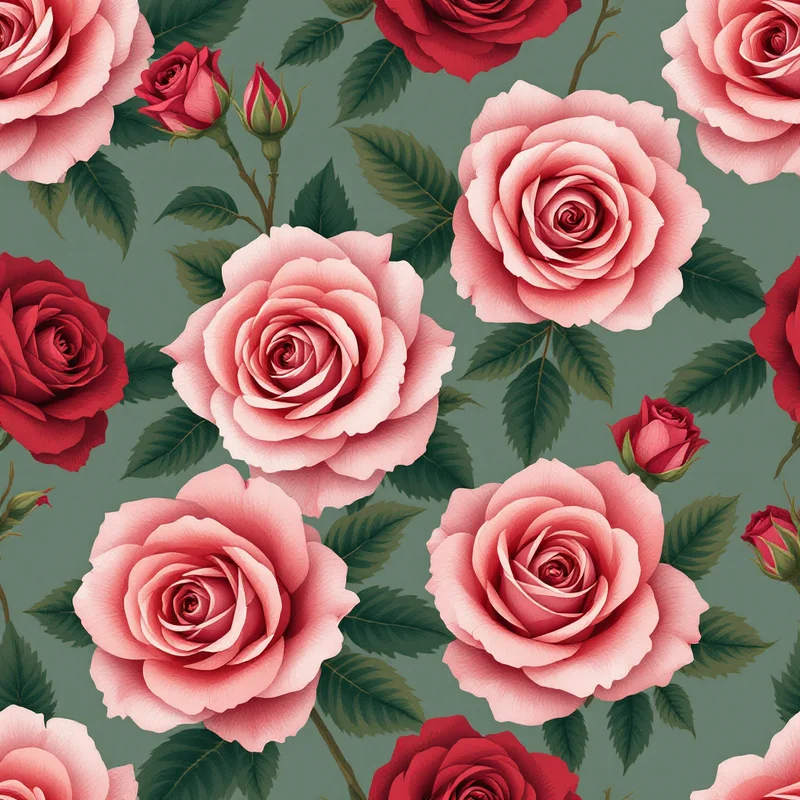
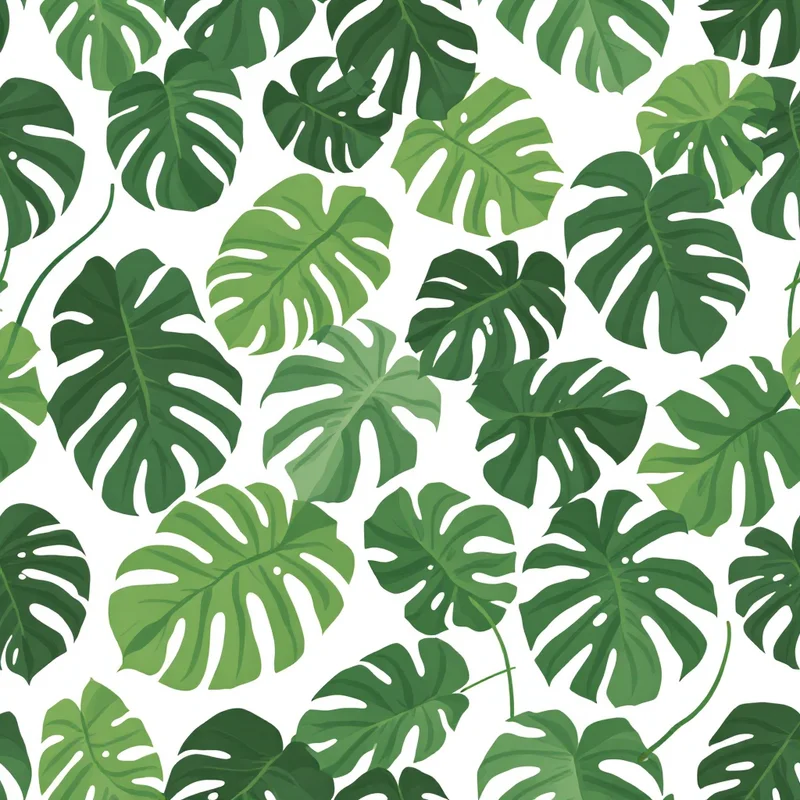
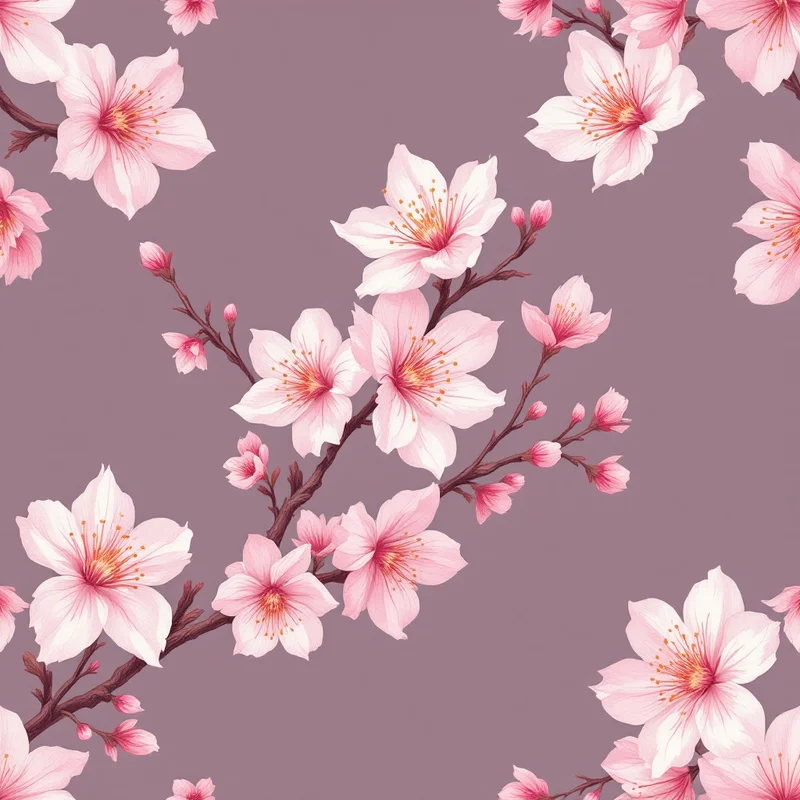
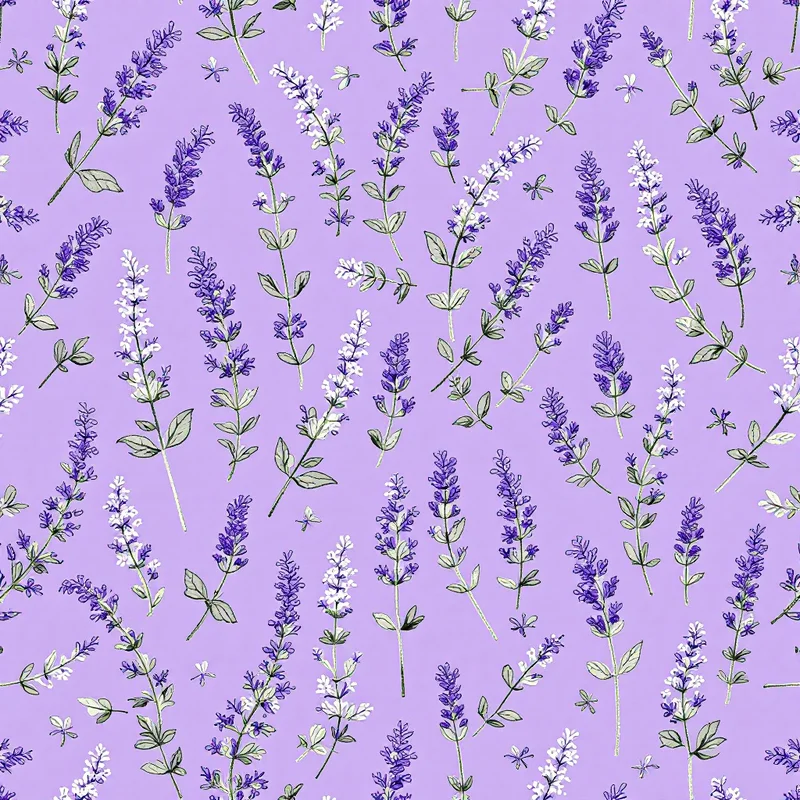
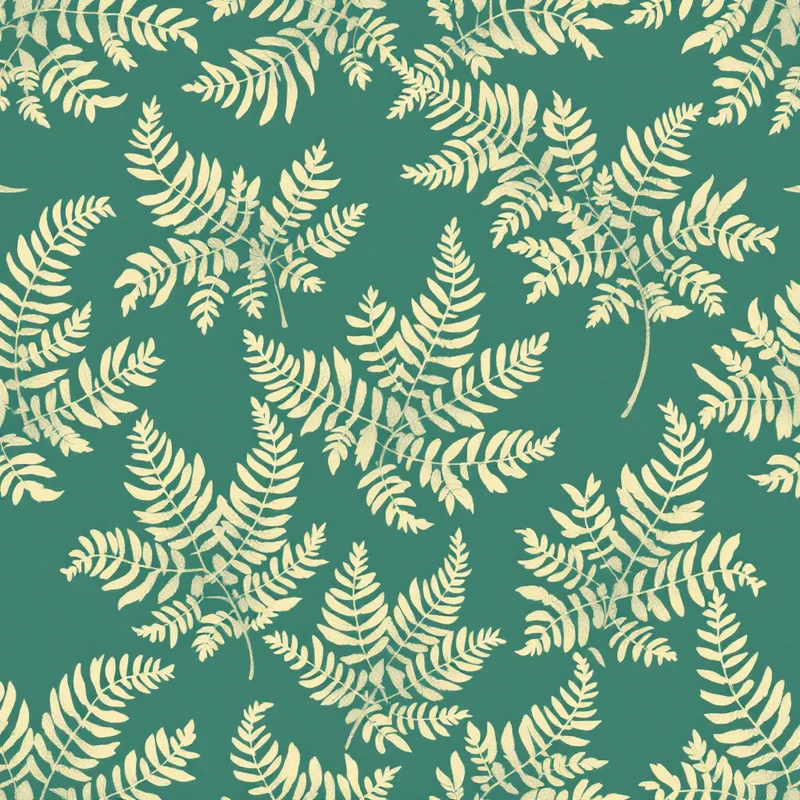
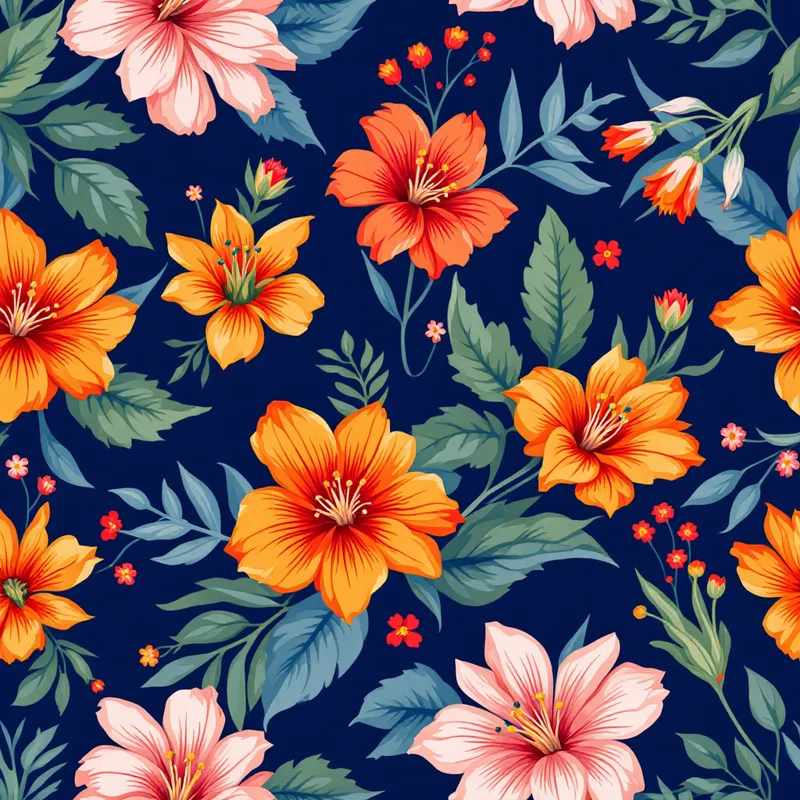
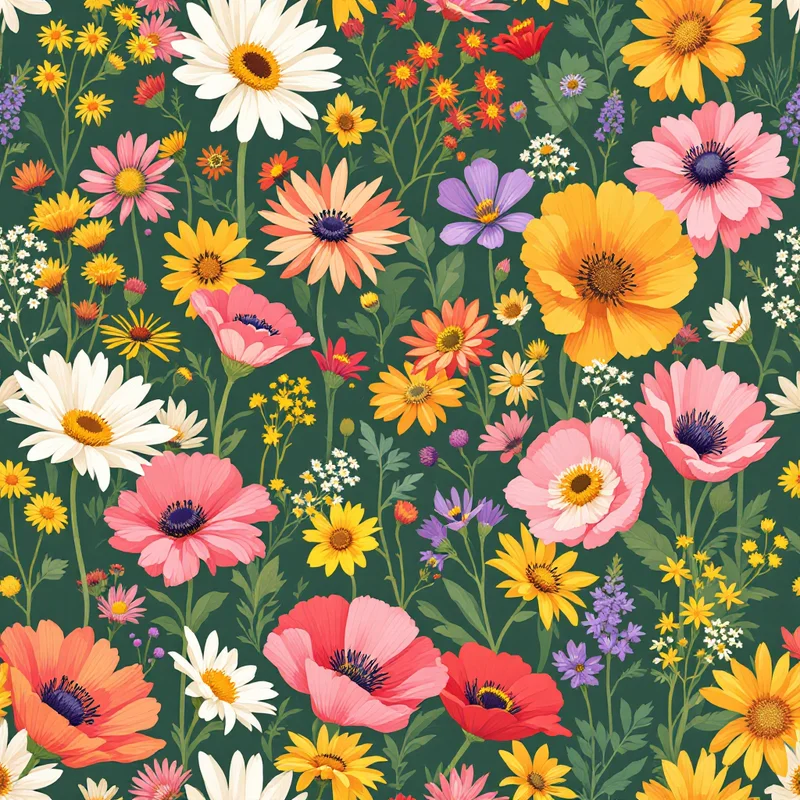
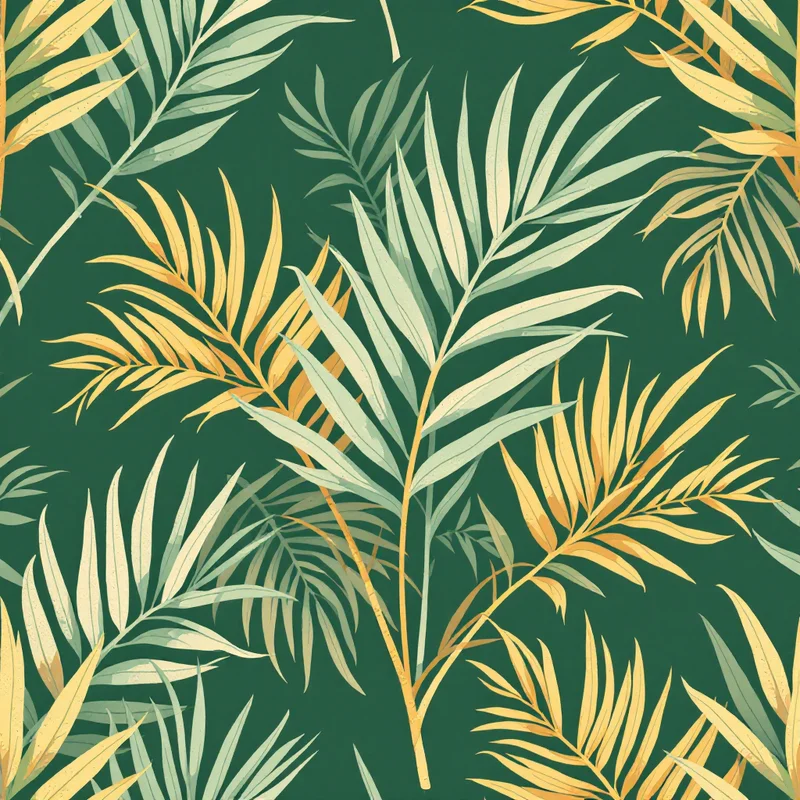
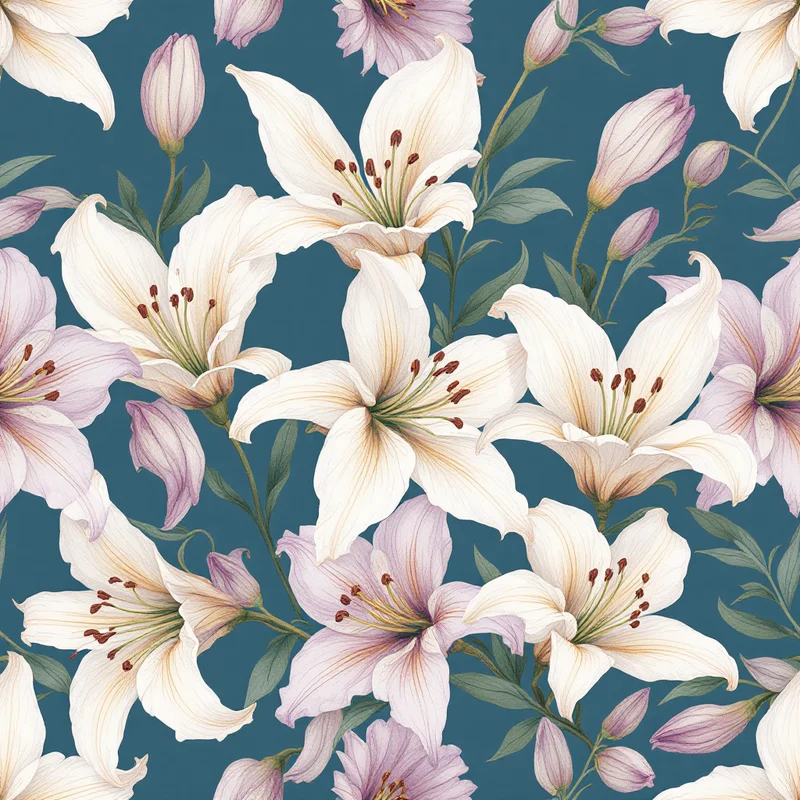
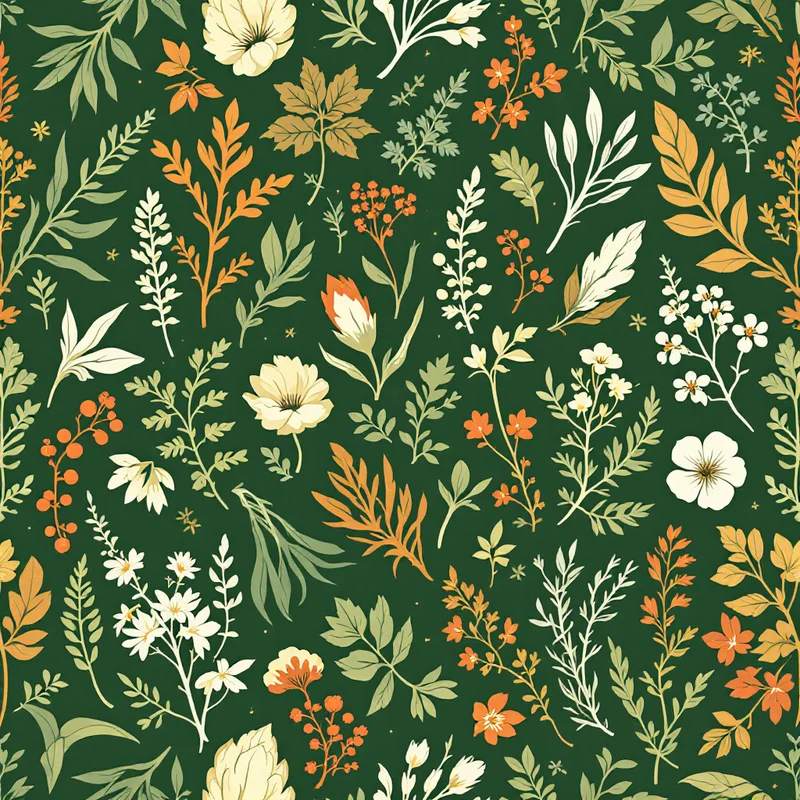
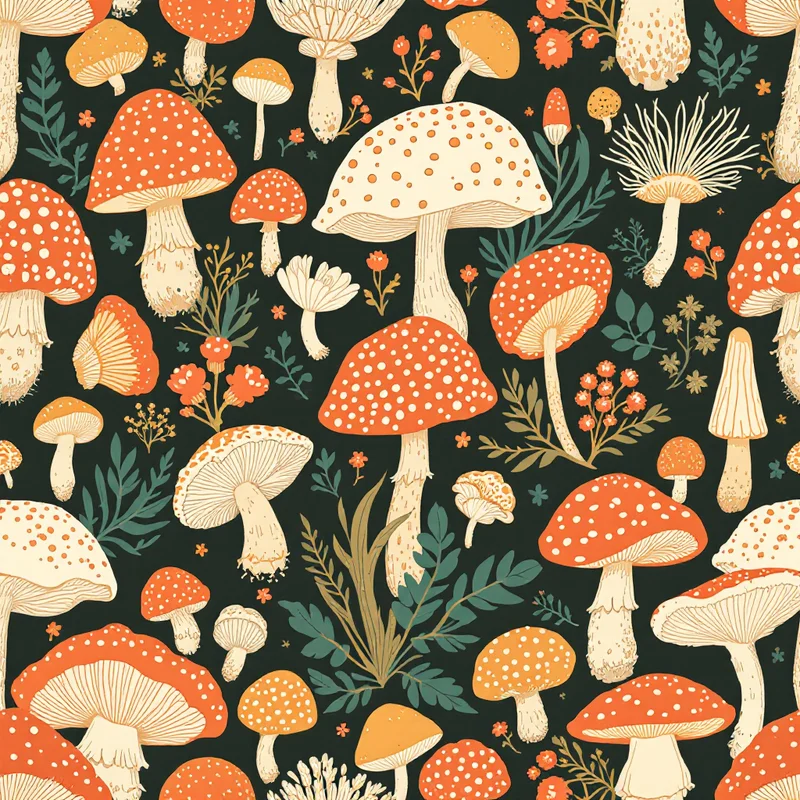
Seamless botanical rose pink pattern tileSeamless botanical monstera green pattern tileSeamless botanical cherry blossom pink pattern tileSeamless botanical lavender purple pattern tileSeamless botanical fern green pattern tileSeamless botanical tropical red pattern tileSeamless botanical wildflower multi pattern tileSeamless botanical eucalyptus mint pattern tileSeamless botanical sunflower gold pattern tileSeamless botanical vine sage pattern tileSeamless botanical dahlia purple pattern tileSeamless botanical palm dark pattern tileSeamless botanical lily white pattern tileSeamless botanical herbs kitchen pattern tileSeamless botanical mushroom autumn pattern tileSeamless botanical cactus green pattern tileSeamless botanical rose pink pattern tileSeamless botanical monstera green pattern tileSeamless botanical cherry blossom pink pattern tileSeamless botanical lavender purple pattern tileSeamless botanical fern green pattern tileSeamless botanical tropical red pattern tileSeamless botanical wildflower multi pattern tileSeamless botanical eucalyptus mint pattern tileSeamless botanical sunflower gold pattern tileSeamless botanical vine sage pattern tileSeamless botanical dahlia purple pattern tileSeamless botanical palm dark pattern tileSeamless botanical lily white pattern tileSeamless botanical herbs kitchen pattern tileSeamless botanical mushroom autumn pattern tileSeamless botanical cactus green pattern tile
Seamless botanical cactus green pattern tileSeamless botanical mushroom autumn pattern tileSeamless botanical herbs kitchen pattern tileSeamless botanical lily white pattern tileSeamless botanical palm dark pattern tileSeamless botanical dahlia purple pattern tileSeamless botanical vine sage pattern tileSeamless botanical sunflower gold pattern tileSeamless botanical eucalyptus mint pattern tileSeamless botanical wildflower multi pattern tileSeamless botanical tropical red pattern tileSeamless botanical fern green pattern tileSeamless botanical lavender purple pattern tileSeamless botanical cherry blossom pink pattern tileSeamless botanical monstera green pattern tileSeamless botanical rose pink pattern tileSeamless botanical cactus green pattern tileSeamless botanical mushroom autumn pattern tileSeamless botanical herbs kitchen pattern tileSeamless botanical lily white pattern tileSeamless botanical palm dark pattern tileSeamless botanical dahlia purple pattern tileSeamless botanical vine sage pattern tileSeamless botanical sunflower gold pattern tileSeamless botanical eucalyptus mint pattern tileSeamless botanical wildflower multi pattern tileSeamless botanical tropical red pattern tileSeamless botanical fern green pattern tileSeamless botanical lavender purple pattern tileSeamless botanical cherry blossom pink pattern tileSeamless botanical monstera green pattern tileSeamless botanical rose pink pattern tile

Starting a clothing line in 2026 vs 2016

Starting a clothing line used to mean a five-figure investment in samples, a six-month design cycle, mill minimum order quantities of 500–3,000 yards per print, and a wholesale-or-bust distribution model. The economics have shifted significantly. A solo founder in 2026 can design original prints in an afternoon, source small-batch printed fabric via print-on-demand platforms, sew or contract small-batch production, and sell direct-to-consumer through Shopify, Etsy, or Instagram without ever signing a wholesale agreement.

This page covers the practical sequence: choose your point of view, design the prints that define your brand, pick a production pathway that matches your budget and unit economics, source fabric, and launch. The technical bottleneck for most clothing line founders is the print design itself — Pattern Weaver eliminates that bottleneck without taking creative control away from you.

What actually matters when starting a clothing line

Point of view before product

Successful clothing lines are built around a clear creative point of view, not a list of garments. Define who you design for, what aesthetic differentiates you, and what your signature print or silhouette is. Without this, your line is just clothing.

Original prints as brand identity

Marimekko, Liberty, Erdem, Off-White — every recognizable clothing brand has a signature print language. Original prints are the cheapest, most defensible form of brand differentiation a small clothing line can build.

Production model matches budget

POD → small-batch cut-and-sew → mill production. Start at the level your unit economics support. POD lets you launch with $200; cut-and-sew is the next stage; mill production requires real capital.

Distribution channel matters more than retail vs DTC

Where your specific customer actually shops determines whether you launch on Shopify, Etsy, Instagram, wholesale, or a mix. Most successful indie lines mix two or three channels.

How it works

01

Pick the design direction

Browse 600+ substyles. Pick a palette, scale, density, and render method that matches what you are creating.

02

Generate the seamless tile

Pattern Weaver produces a production-ready seamless tile in seconds. Iterate until the design matches your vision.

03

Export production-ready

TIFF in CMYK with embedded ICC profile (GRACoL, FOGRA39, SWOP). Optional bleed for cut-and-sew. 8K resolution.

The four production pathways

Print-on-demand

Fabric printed on order, garments sewn on order. Spoonflower for fabric + Etsy for finished products. Zero inventory, minimal capital, ~40% margin.

Small-batch cut-and-sew

Sample yardage from POD fabric platforms (Contrado, Bags of Love, Spoonflower) sewn by small studios or by you. ~50% margin, real inventory.

Domestic mill production

Wholesale fabric from a mill, sewn at a domestic factory. 100–500 unit MOQs common. 55–65% margin, requires upfront investment.

Overseas mill production

Mill production at scale (1,000+ units per style per colorway). 60–70% margin, longest lead times, highest capital requirement.

Questions answered

How much money do I need to start a clothing line?+
POD-only launch: $200–$500 for samples, photography, and Shopify. Small-batch cut-and-sew: $3,000–$15,000 for initial inventory. Domestic mill production: $15,000–$50,000 for first order. Overseas mill: $30,000–$100,000+ for first order. The number scales with production model.
Do I need to design my own prints to start a clothing line?+
No, but original prints are one of the cheapest forms of brand differentiation available. Generic fabric makes your clothing line one of thousands selling the same fabric. Original prints — even if technically simple — establish brand identity that compounds over time.
How long does it take to launch a clothing line?+
POD-only with Pattern Weaver prints: 2–4 weeks from concept to first listing. Small-batch cut-and-sew: 8–16 weeks including sample iteration. Mill production: 16–32 weeks. The print design stage that used to take months now takes hours.
What's the difference between a clothing brand and a clothing line?+
A clothing line is a collection of garments released in a season. A clothing brand is the identity that persists across many lines. You launch a clothing line; you build a clothing brand over many years and many lines. The brand is the more durable asset.
Can I start a clothing line without sewing experience?+
Yes. POD-only models (Spoonflower fabric printed and sewn into finished products through Spoonflower + Sprout Patterns, or POD garment platforms like Printful and Printify) require zero sewing. Small-batch cut-and-sew requires either learning or contracting with a small-batch sewing studio.
Do I need a fashion design degree to start a clothing line?+
No. Many successful indie clothing brand founders have no formal fashion design education. What you do need is taste, point of view, and willingness to learn the technical layer (fabric, fit, production economics) as you go. The barrier is significantly lower than in adjacent creative fields.

Ready to design your first collection?

5 free credits. No credit card. Start in 30 seconds.