


Pattern making software has historically meant Adobe Illustrator with a pattern brush, Photoshop with an offset filter, or specialist tools like NedGraphics and Pointcarre — capable systems, but ones that expect the designer to draw every motif and manually match every edge of a tile. That technical work used to be the whole job. Pattern Weaver is pattern making software that takes the technical work off the table so the creative work — direction, motif vocabulary, palette, scale — is the whole job.
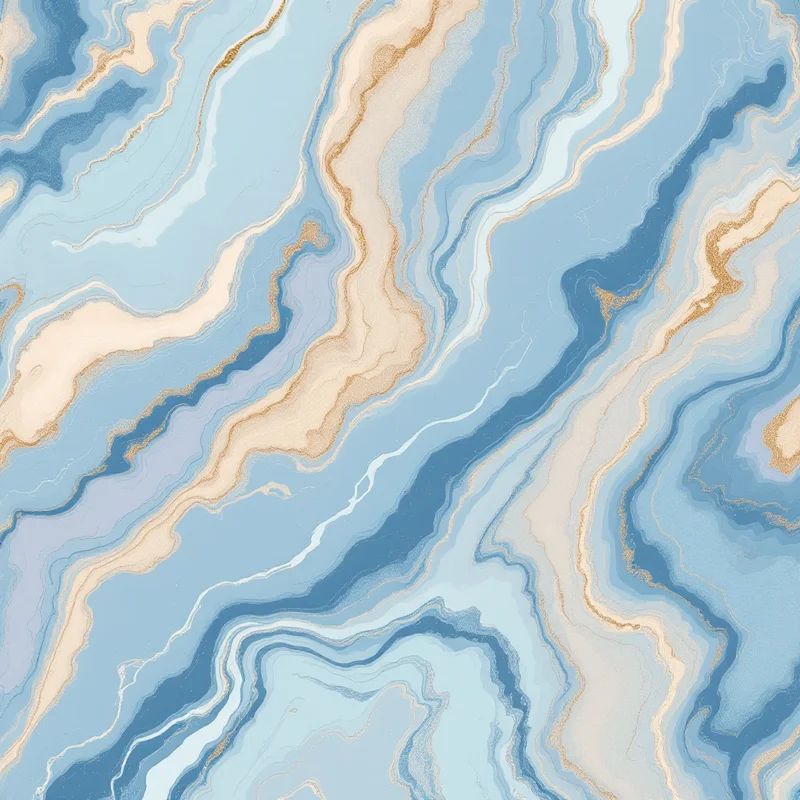
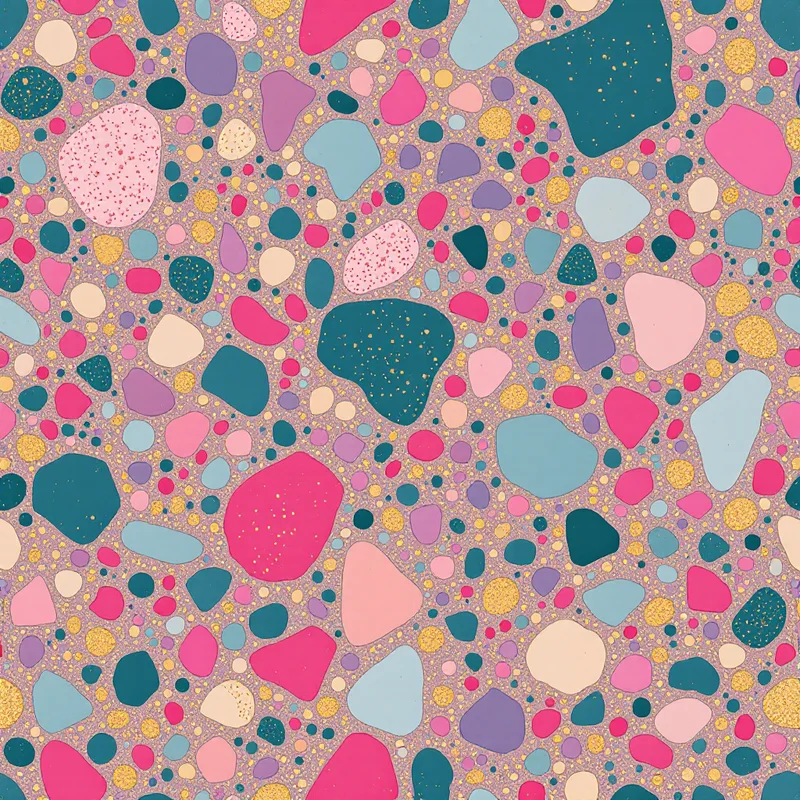
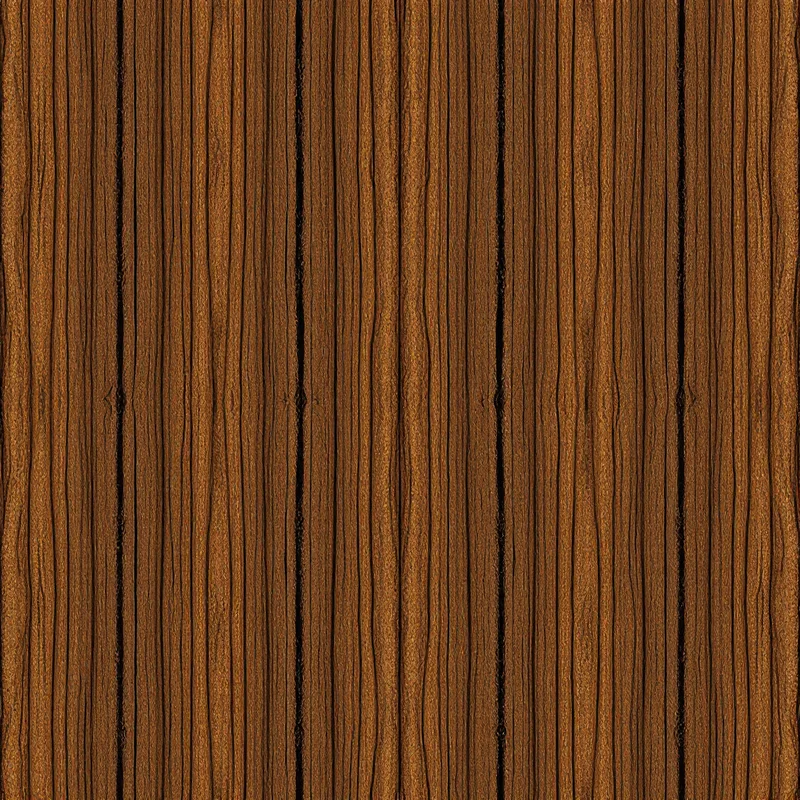
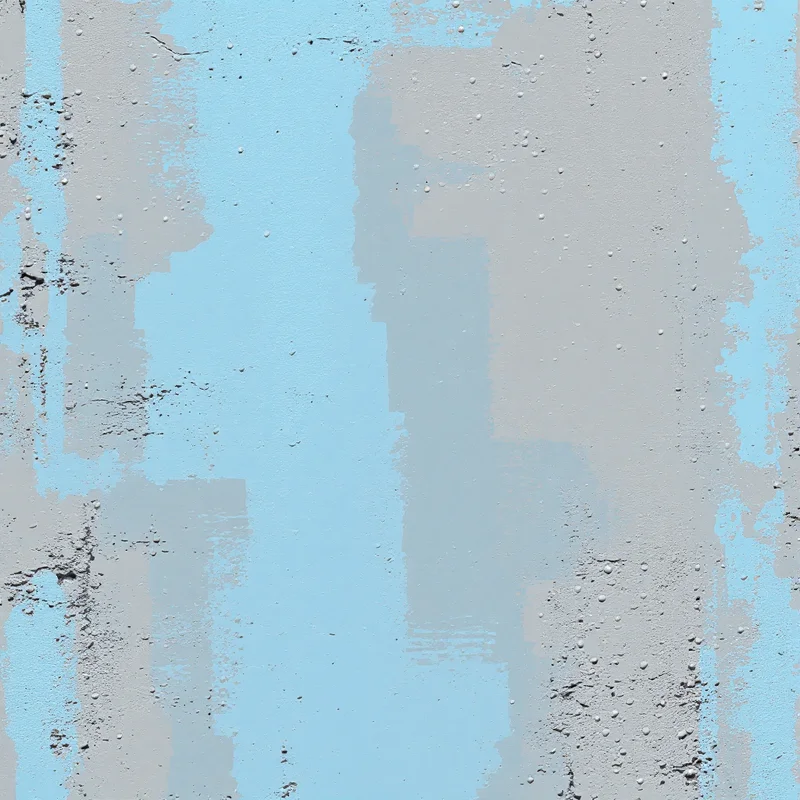
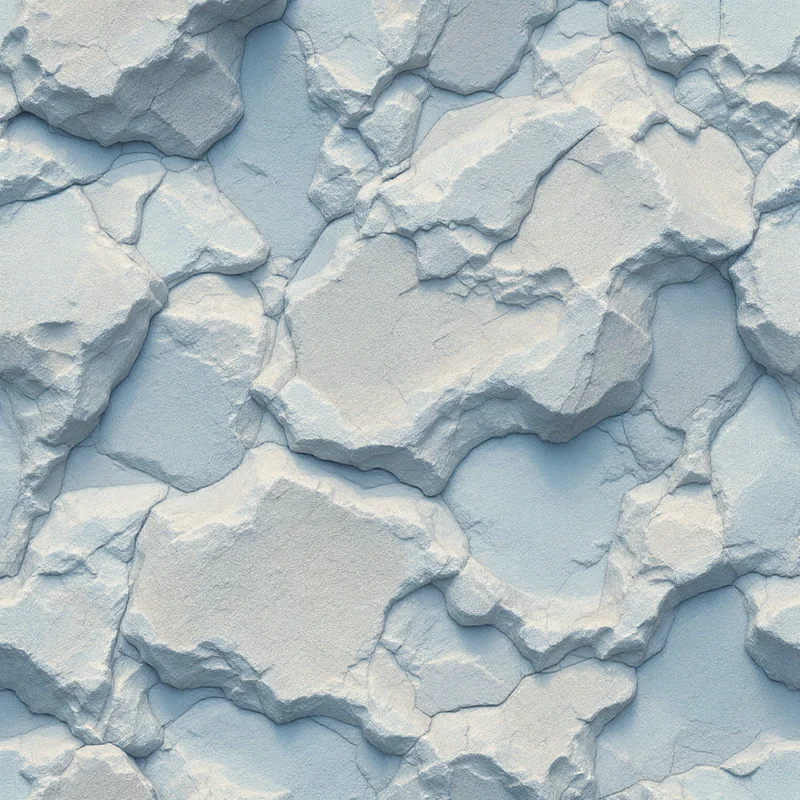
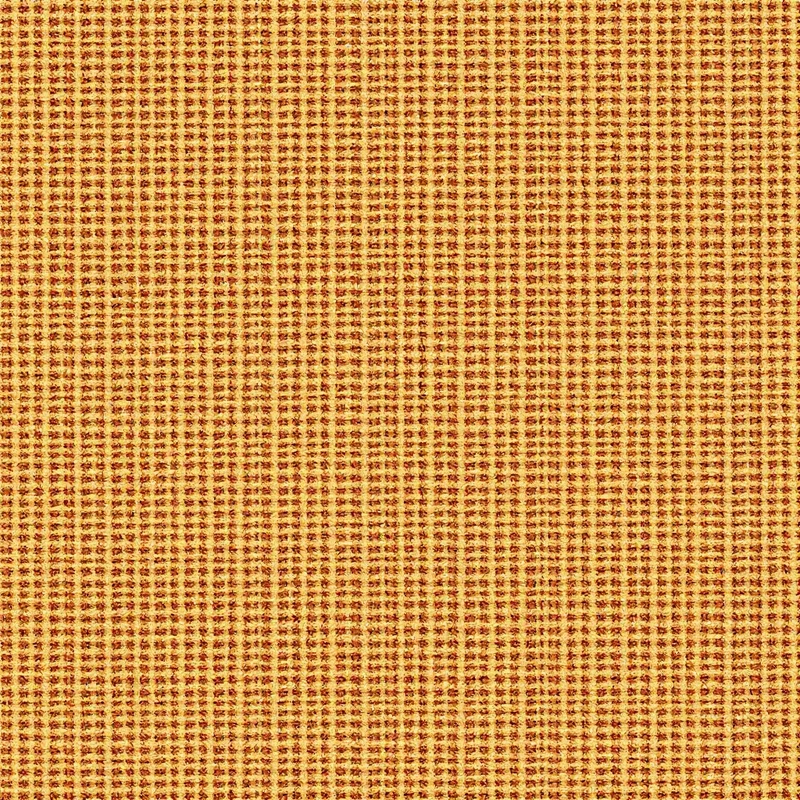
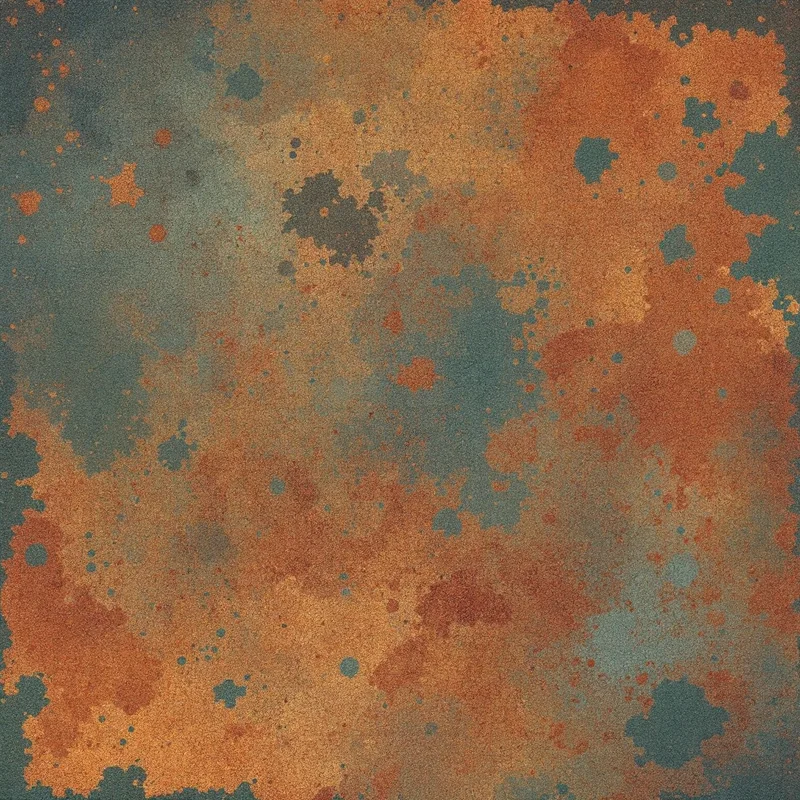
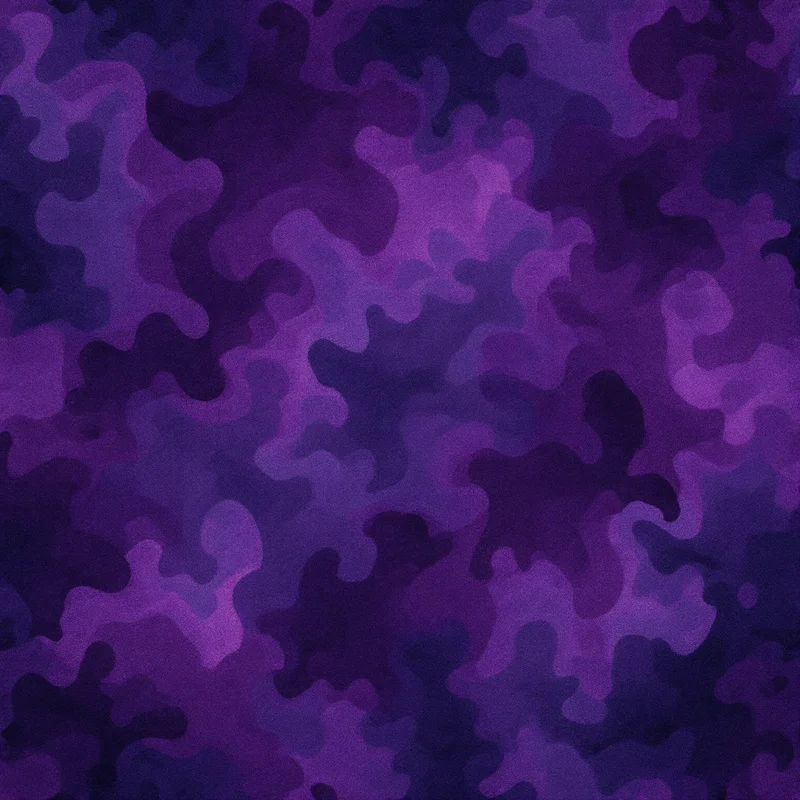
The studio compiles your selections into a structured brief, then asks our AI engine to construct a seamless tile that matches that brief. The output is a true seamless repeat: top edge matches bottom edge, left edge matches right edge, and motifs land cleanly across tile boundaries. You can preview the same tile in grid, half-drop, brick, scattered, and ogee layouts before deciding which one to export, and any tile you generate stays in your library so you can revisit it later.
Because the slow step is gone, the pattern making software lets one designer explore far more directions per day. A designer who could ship two or three tiles a day in Illustrator can now build a coordinated 20-piece collection in an afternoon, generate two or three colorways for each piece, and still have time to refine the standouts. The cost of trying something speculative — a render method you have never used, a substyle you have never explored — drops close to zero.
Pattern Weaver outputs production-grade files. TIFF in CMYK with embedded ICC profile (GRACoL, FOGRA39, SWOP) for fabric mills and wallpaper printers, PDF for pre-press, PNG and WEBP for digital product and web mockups, and SVG for vector-style designs that need further editing. Exports go up to 8K resolution (8192 by 8192 pixels), with an optional bleed margin for cut-and-sew workflows. There is no watermark, ever, on any paid export — and downloads land in your browser the moment the file is ready.
The pattern making software is built for both ends of the experience curve. Self-taught makers get a guided studio that does not require knowing what a half-drop is. Trained surface pattern designers get exact hex control, render-method selection, density and scale tuning, and the kind of file specs that pass mill QC on the first round. Every paid plan ships with a full commercial license, so the tiles you create can go straight onto product, into client decks, or up onto Spoonflower the same day.
If you have used other seamless pattern tools, the difference shows up in two places: the seam quality (every edge truly matches, not just plausibly) and the export ceiling (8K, CMYK, ICC-tagged, ready for production). If you have never used pattern making software before, the difference shows up in how fast you go from a vague idea to a finished tile.