Clothing Pattern Design: Print Patterns for Apparel Collections
Clothing pattern design for the garments you actually sell — hero florals for dresses, geometric repeats for shirting, tropical AOPs for swim, blender tones for linings. Seamless tiles, full colorways, and production-ready files in one pass.
3 free credits — no credit card required
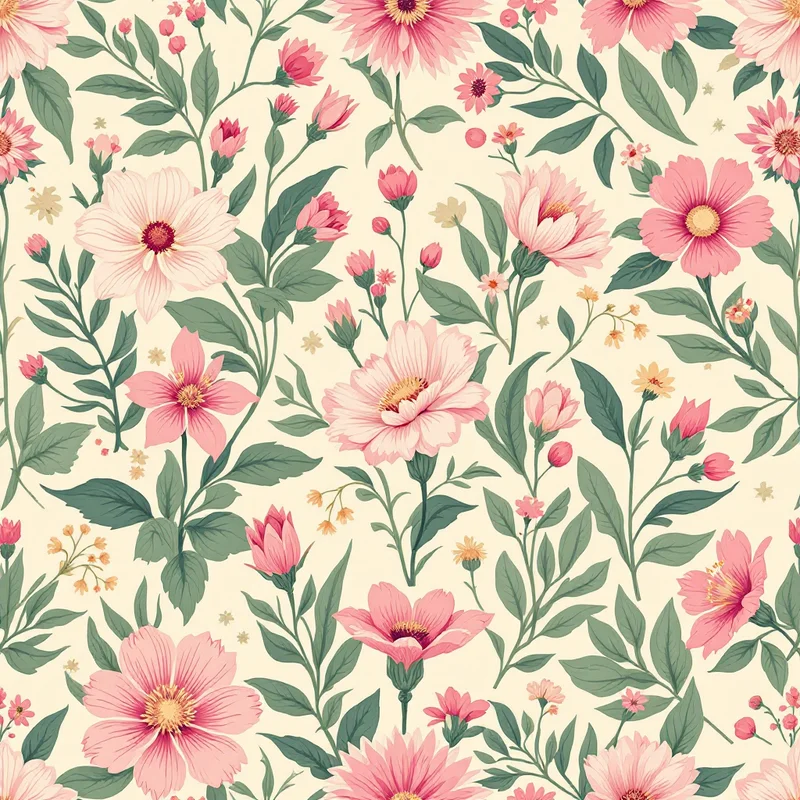
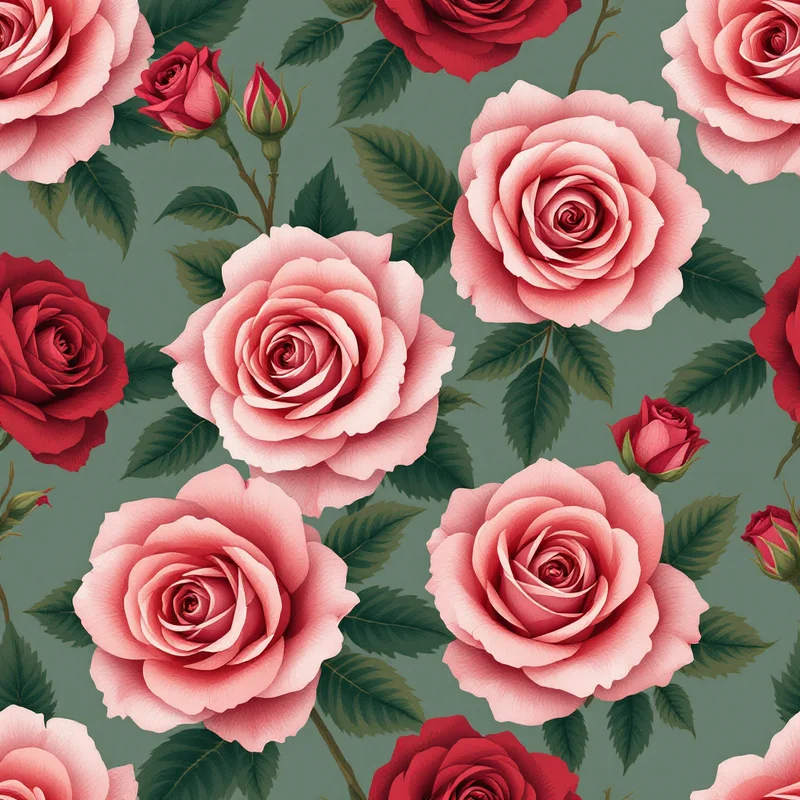
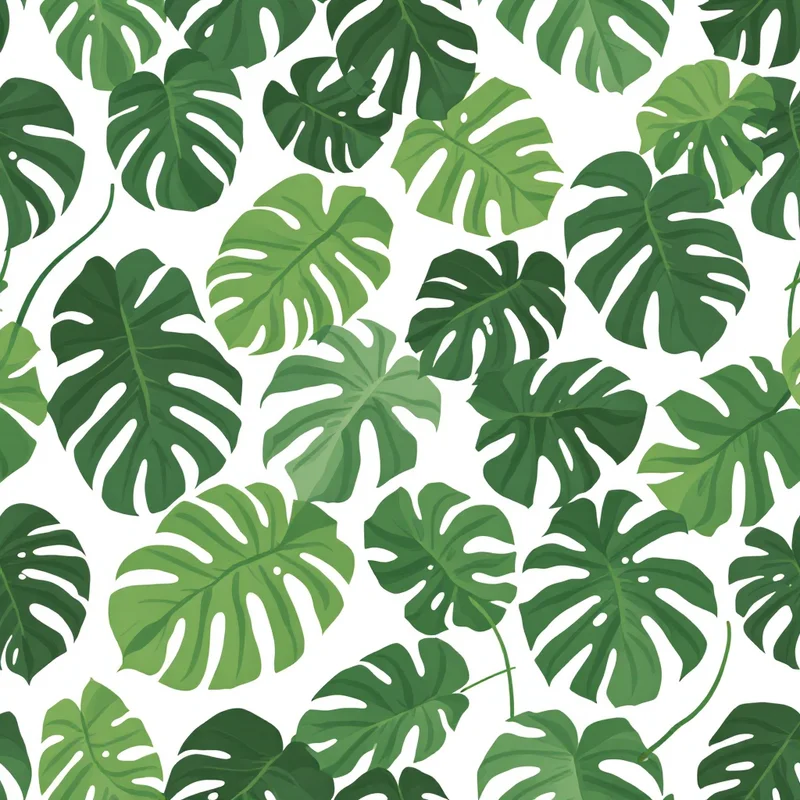
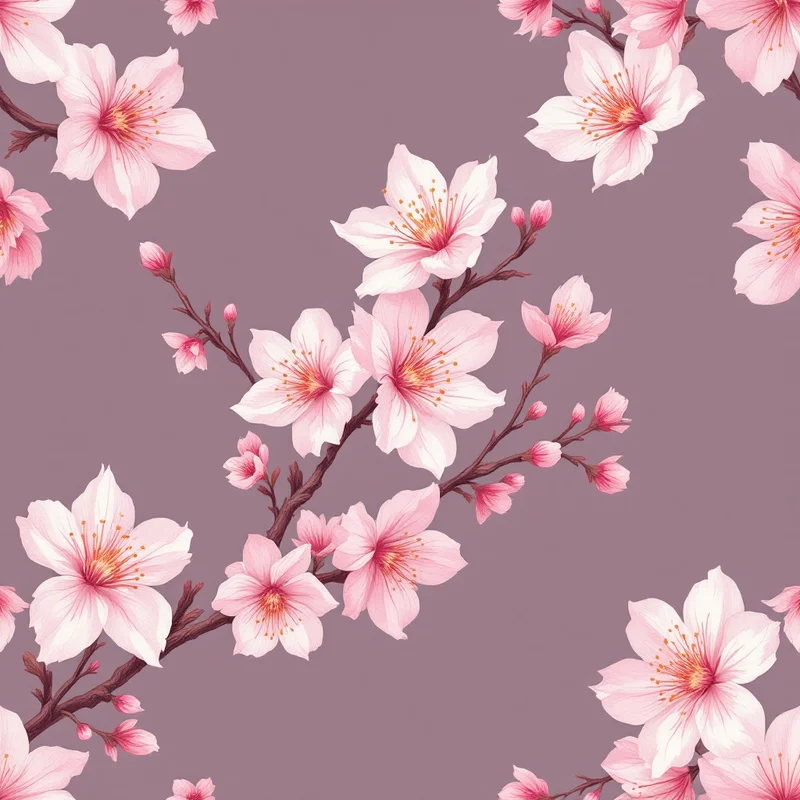
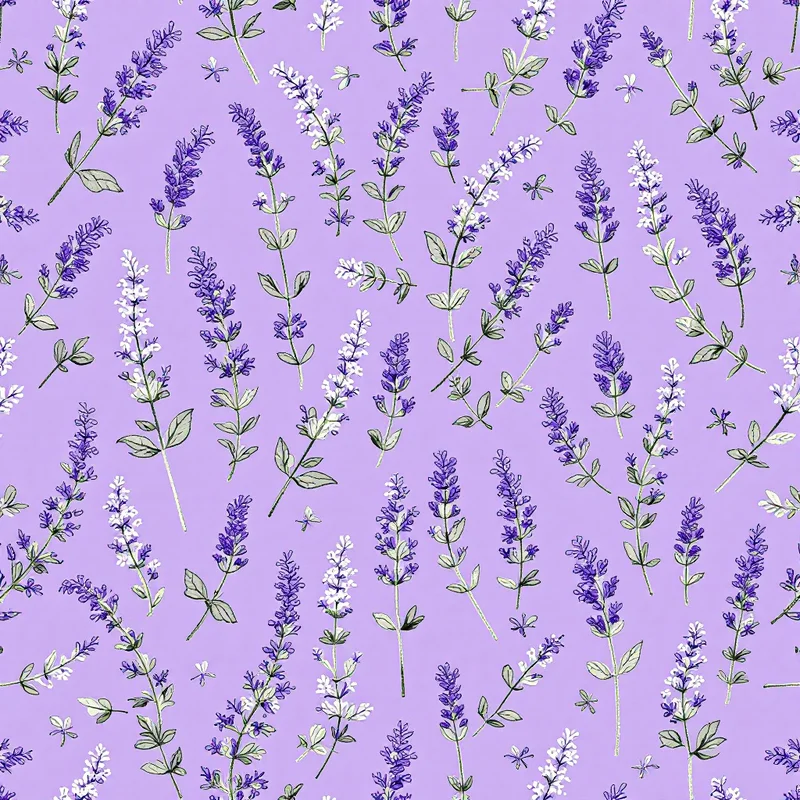
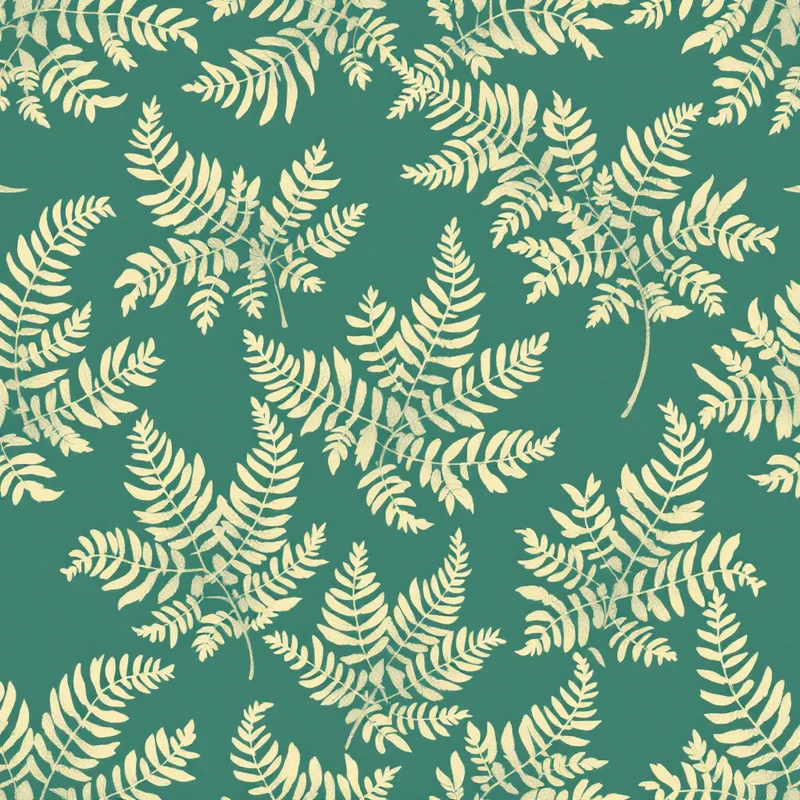
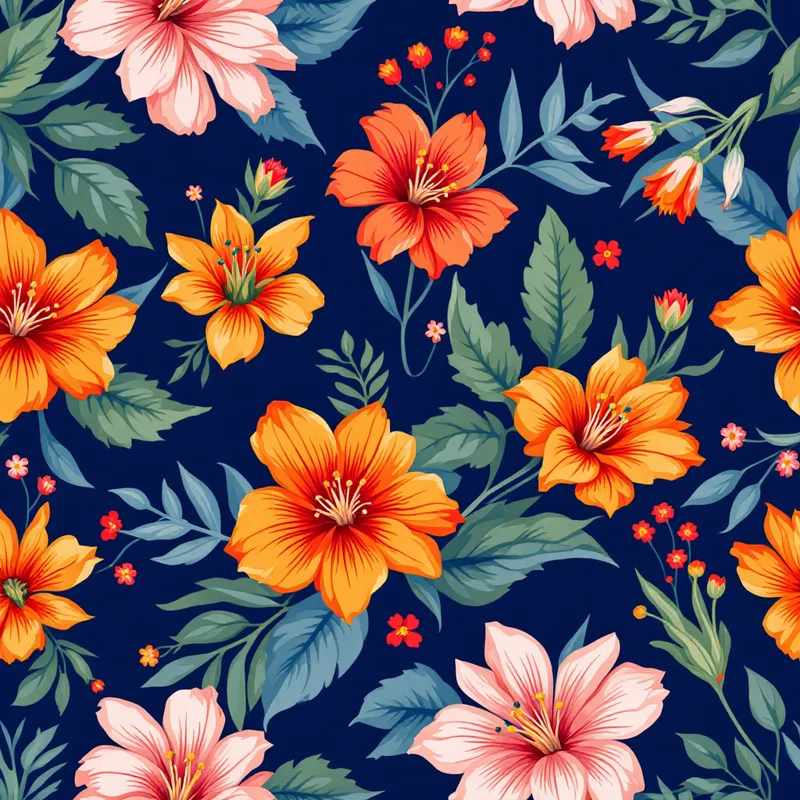
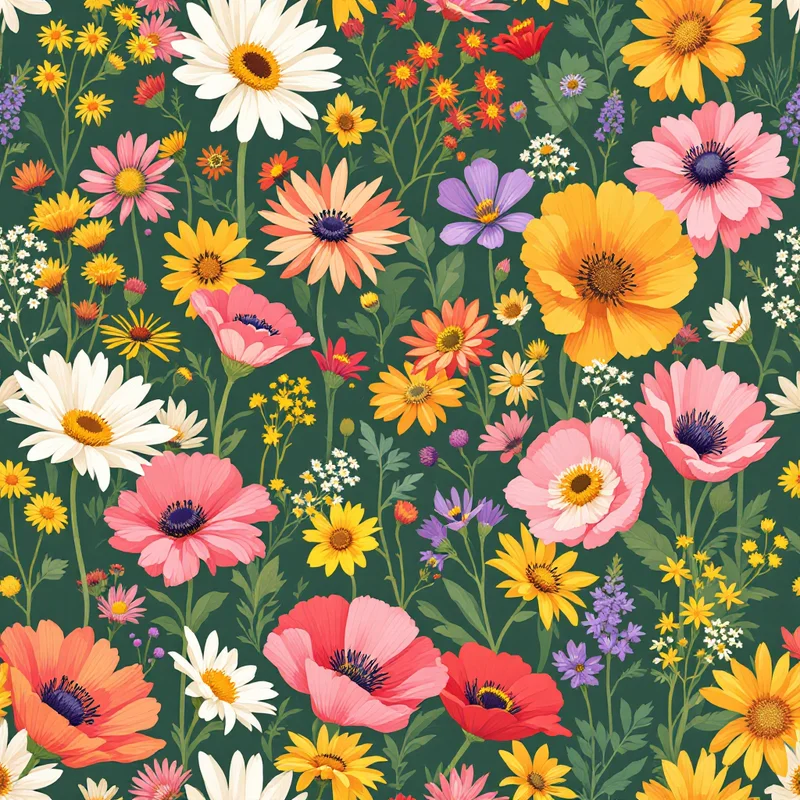
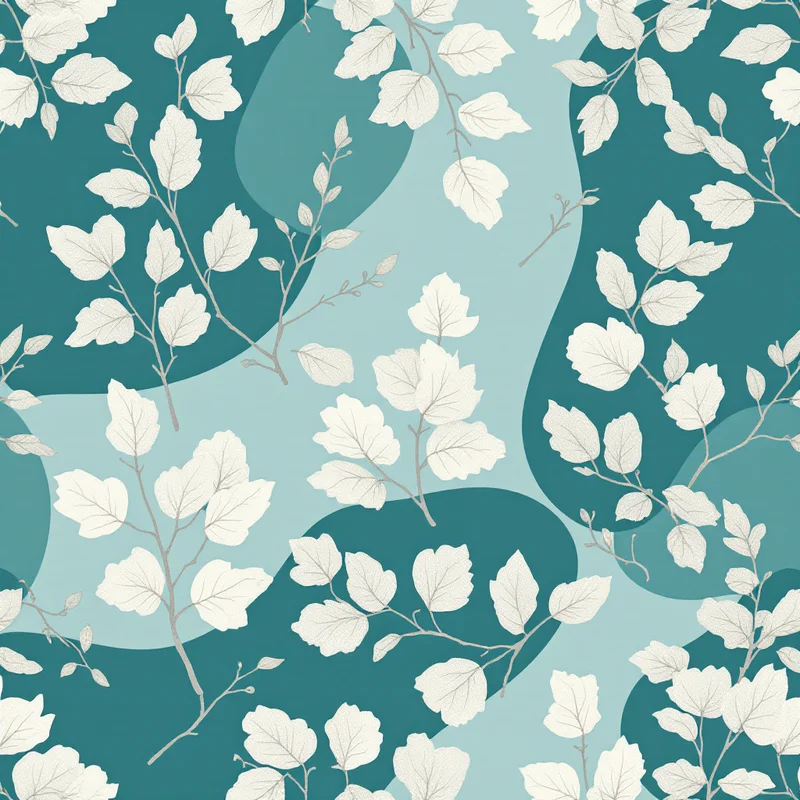
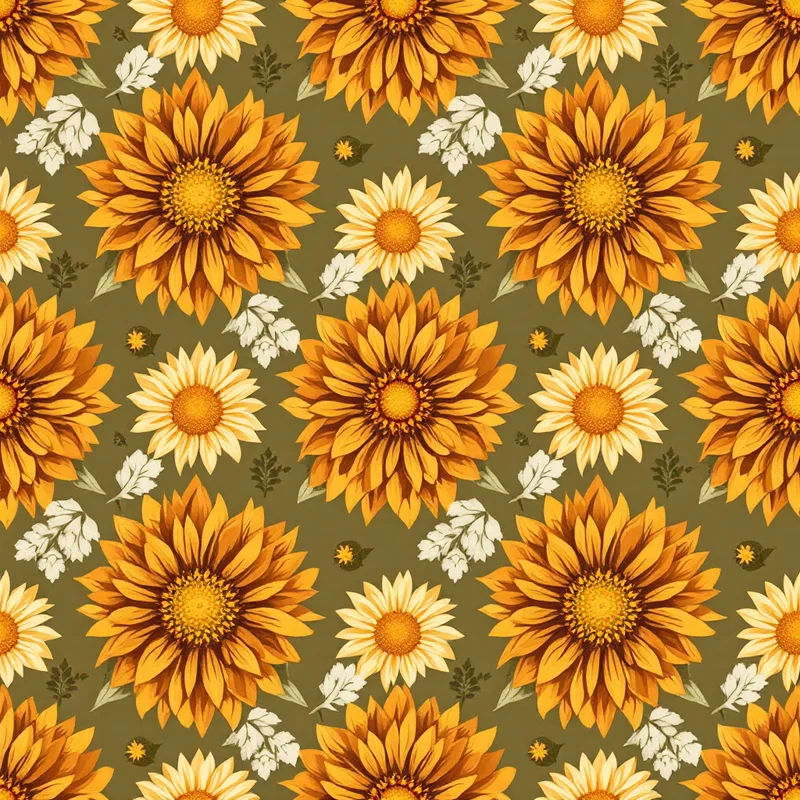
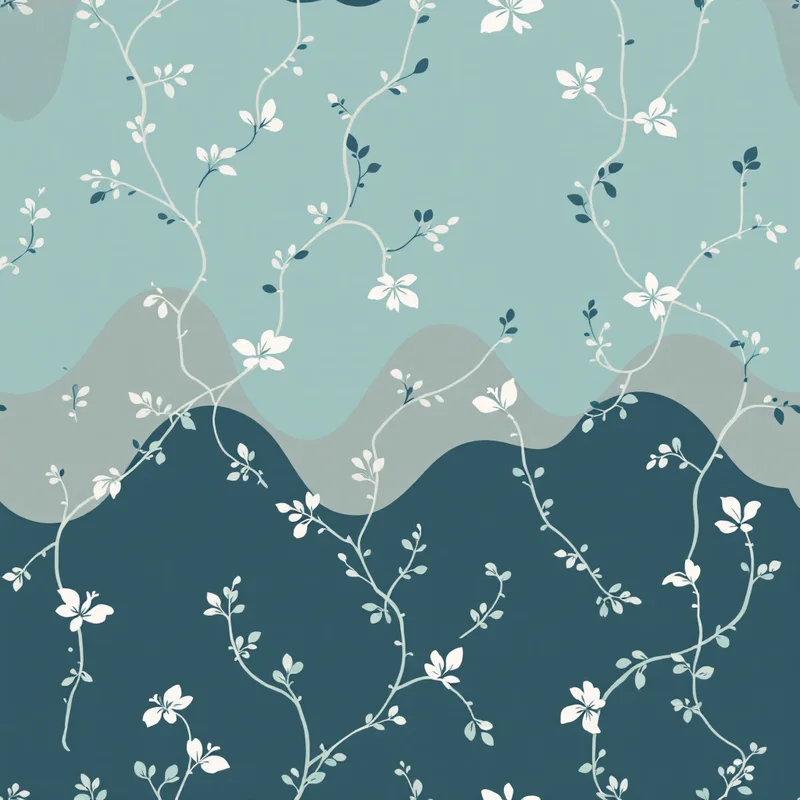
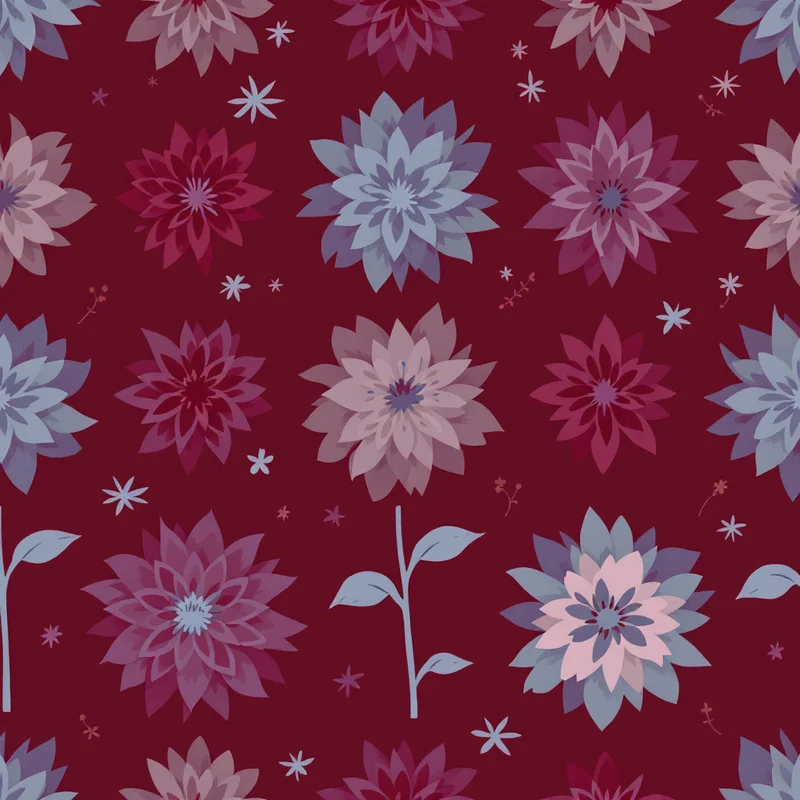
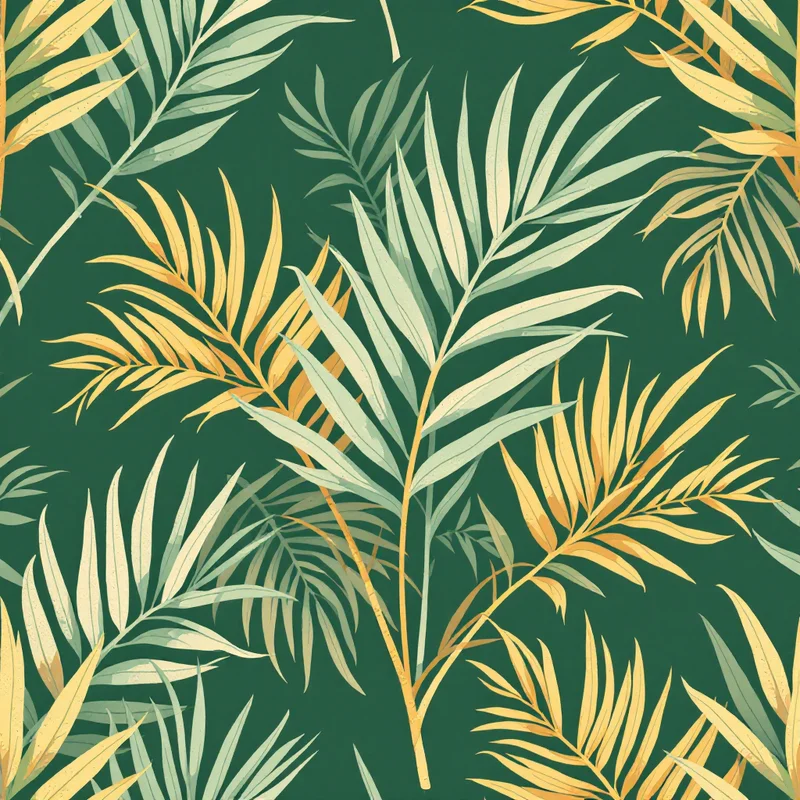
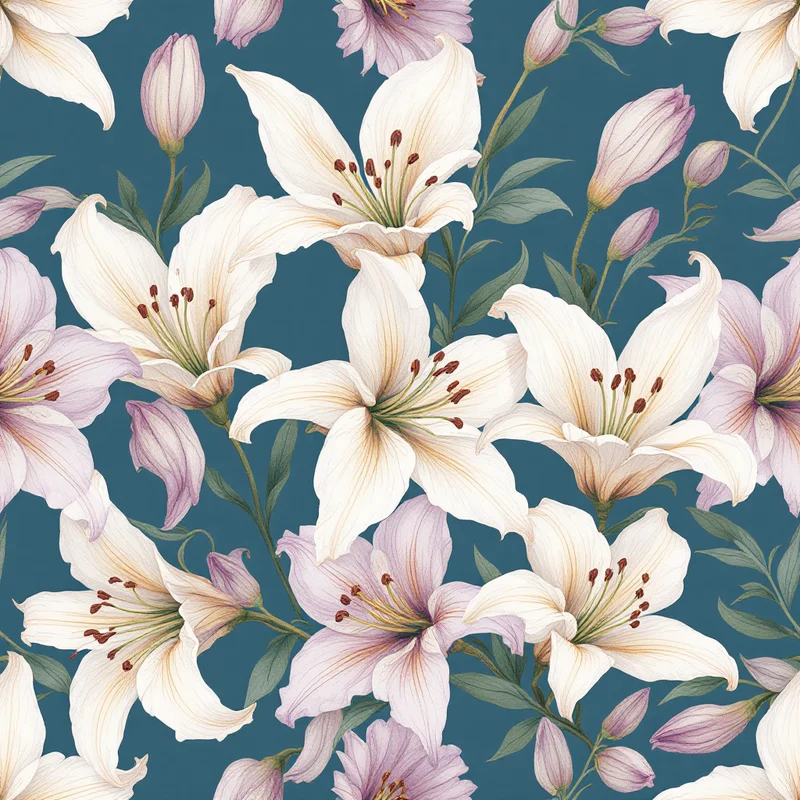
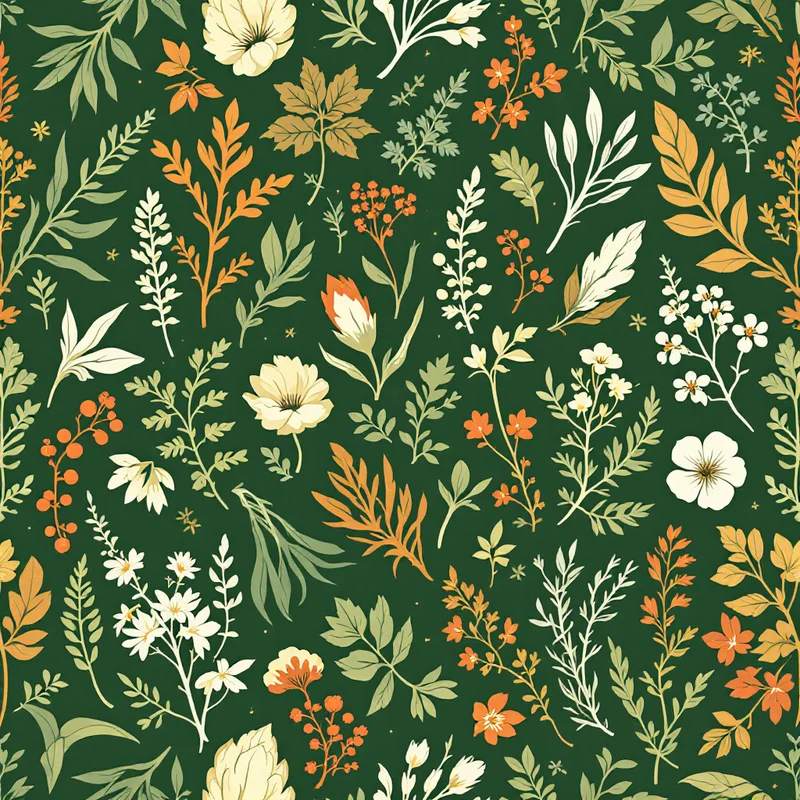
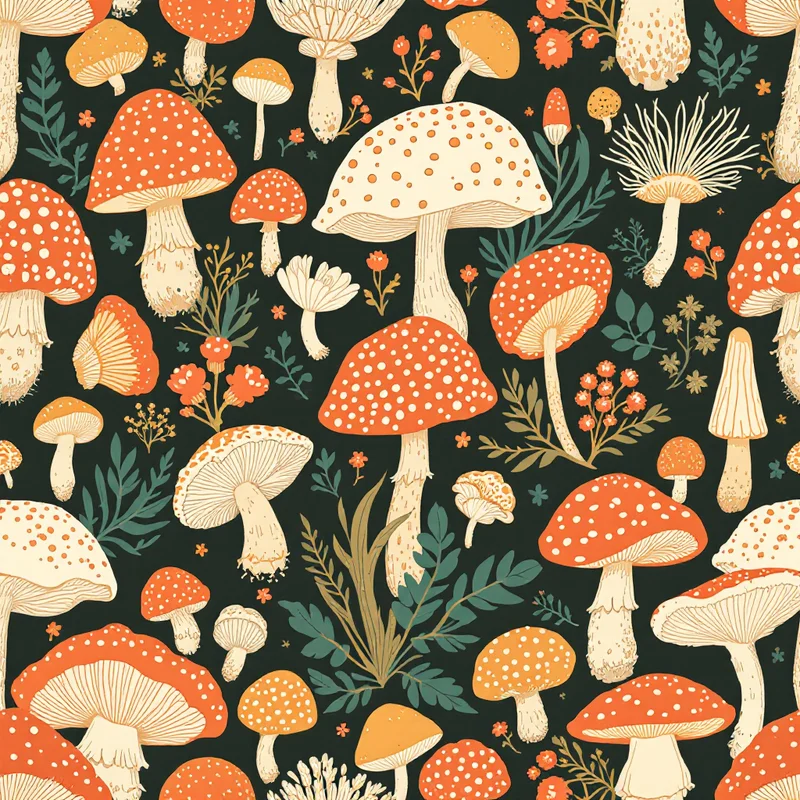
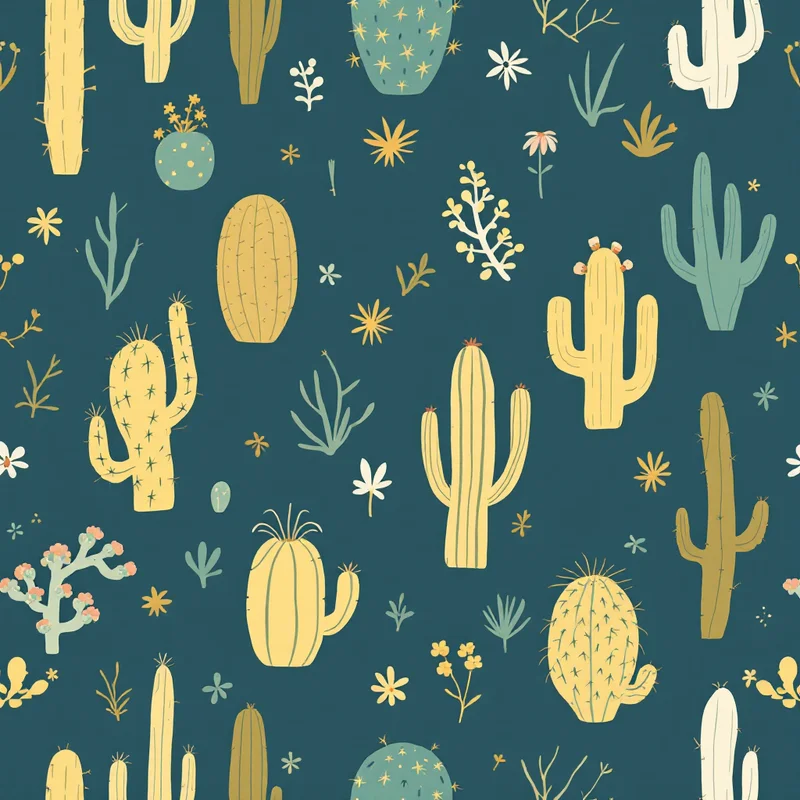
What clothing pattern design actually means
Clothing pattern design is the discipline of creating the printed artwork that lives on the surface of a garment — the floral on a dress, the geometric on a shirt, the all-over print on a hoodie, the engineered border on a kaftan. It is a separate craft from sewing pattern making, which deals with the cut shapes of the garment itself. When a small-brand founder, in-house designer, or freelance print artist searches for this work, they almost always mean the print — the surface artwork that gets repeated, color-separated, strike-offed, and applied to fabric before cut-and-sew. This page covers that side of the work end-to-end.
The people who do this work fall into three groups: in-house print designers at apparel brands, freelance print artists selling to brands and licensing studios, and indie founders designing the prints for their own clothing lines. In-house designers tend to work to a fixed seasonal calendar with mood boards approved months in advance, freelancers move between studios and juggle licensing terms across multiple clients, and indie founders compress the whole pipeline — design, production, sales — into a single person making decisions in a week. The technical demands are the same across all three: seamless repeats that survive scaling, colorways that match the brand palette, file formats the mill or POD platform will accept, and a commercial license clean enough to ship without legal risk. Pattern Weaver handles each of those steps in a single workflow.
Pattern Weaver compiles your style, motif, scale, and palette choices into a structured design and renders a true seamless tile through the Pattern DNA compiler. You get the print, the alternate colorways, and the export files in one session — without spending an afternoon manually offsetting halfdrops in Photoshop. A typical run takes a few minutes from first prompt to a downloaded tile, and you can export the same design as PNG, JPG, WEBP, TIFF, PDF, or SVG, with CMYK TIFF available on Pro and Max for mills that color-separate from process plates. Creative direction stays with you; the production-file plumbing is automated.
The fundamentals of clothing pattern design
Seamless repeat that holds at scale
A clothing print has to tile cleanly across a 60-inch fabric roll and look balanced when cut into a sleeve, a back panel, or a placket. That means no obvious tramlines, no clustering of focal motifs, and edges that match in both directions. Pattern Weaver constructs the seamless tile mathematically rather than relying on manual edge work.
Colorways tied to garment palette
One print rarely sells alone. Brands buy a hero colorway plus two or three coordinated alternates that hit different price points and seasons. Pattern Weaver lets you set exact hex codes per colorway and regenerate the same print in each — keeping motif structure constant while the palette flexes for spring, fall, or capsule drops.
Scale chosen for the garment, not the swatch
A motif that looks rich at swatch size can read as visual noise on a full dress, and a print scaled for a maxi will look oversized on a kids tee. Surface artwork demands deliberate scale decisions per garment type. Pattern Weaver previews scale at fabric width so you can size a tile for a hoodie versus a slip dress before you export.
Files the factory will actually accept
Cut-and-sew factories and digital mills expect specific specs — 150–300 DPI, CMYK for rotary or pigment print, RGB PNG for sublimation, TIFF for archive. Pattern Weaver exports PNG, JPG, WEBP, TIFF, PDF, and SVG, with CMYK TIFF available on Pro and Max for mills that color-separate from process plates.
How it works
Pick the design direction
Browse 600+ substyles. Pick a palette, scale, density, and render method that matches what you are creating.
Generate the seamless tile
Pattern Weaver produces a production-ready seamless tile in seconds. Iterate until the design matches your vision.
Export production-ready
TIFF in CMYK with embedded ICC profile (GRACoL, FOGRA39, SWOP). Optional bleed for cut-and-sew. 8K resolution.
Where these prints show up in a collection
All-over print (AOP) garments
Full-coverage prints across hoodies, tees, dresses, leggings, and swim. The seamless tile is printed across the entire fabric roll before cut-and-sew, so the pattern wraps the body without interruption at seams.
Cut-and-sew print-to-pattern
Yardage printed first, garments cut from it after. The print designer hands the mill a tile plus colorway specs; the mill prints meters of fabric; a sewing studio cuts and assembles. The standard workflow for indie womenswear and shirting brands.
Placement and engineered prints
Single-position artwork engineered to a specific garment panel — a border at the hem of a kaftan, a focal motif centered on a kimono back, a yoke print on a western shirt. Pattern Weaver outputs both the repeat tile and the placement file.
Lining and reverse-side prints
Suit linings, jacket interiors, swim reversibles, and inside-collar prints. Often a tonal blender or a brand-signature mini-print that signals craft to anyone who looks twice. A natural use case for coordinate prints generated alongside the hero.
Capsule and seasonal collections
A small-brand founder building a 6–12 piece capsule needs one hero print, two coordinates, and a blender — all in the same palette family. Pattern Weaver generates the family as a set rather than four disconnected designs.
Private-label and white-label production
Brands manufacturing through cut-and-sew factories often supply the print artwork themselves. Pattern Weaver outputs the tile, the colorway specs, and the tech-pack-ready files the factory expects before strike-off approval.
Related Pattern Weaver tools
Clothing design
The broader clothing design stack — silhouettes, categories, and the full print-to-garment workflow.
Fashion print design
Print-specific design for the fashion industry — trend cycles, seasonal palettes, and licensing.
Print on demand clothing
The POD apparel pathway — design once, sell without inventory, file specs per platform.
Textile design
The wider textile design discipline that clothing pattern design sits inside.
Questions answered
Is clothing pattern design the same as sewing pattern making?+
What file formats do clothing manufacturers want for prints?+
How big should my repeat tile be for clothing pattern design?+
Can I use Pattern Weaver designs on clothing I sell commercially?+
How do I build a coordinated print collection instead of single designs?+
Do I need to be a trained textile designer to do clothing pattern design?+
This site uses cookies to ensure you get the best experience. Learn more