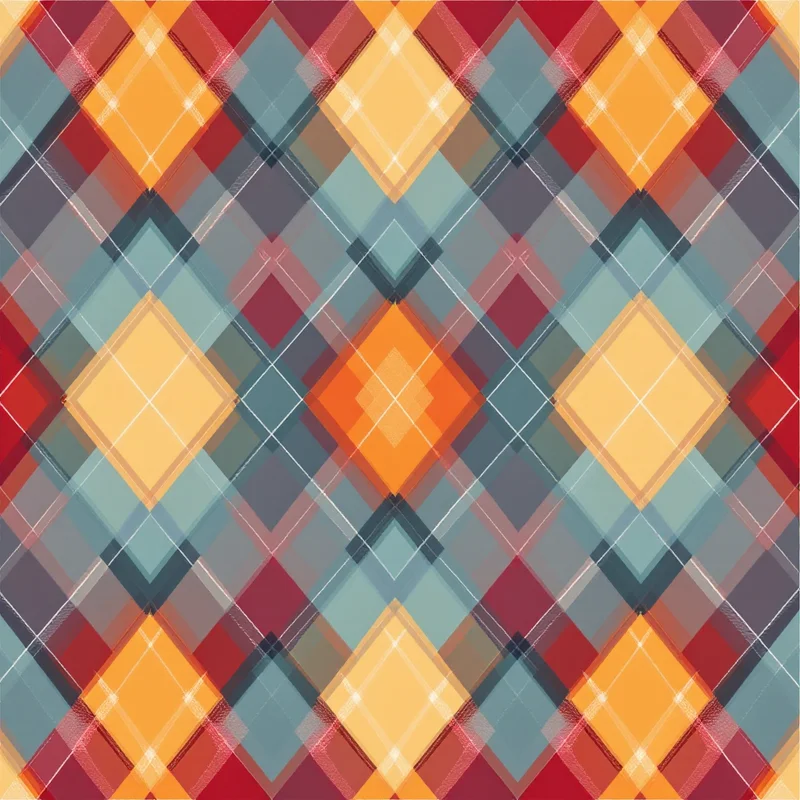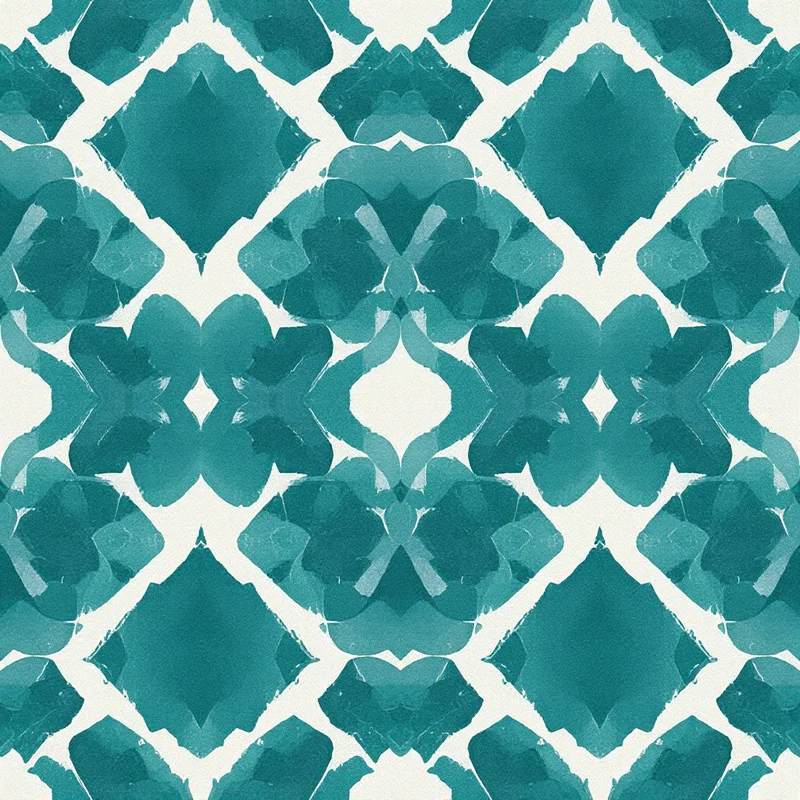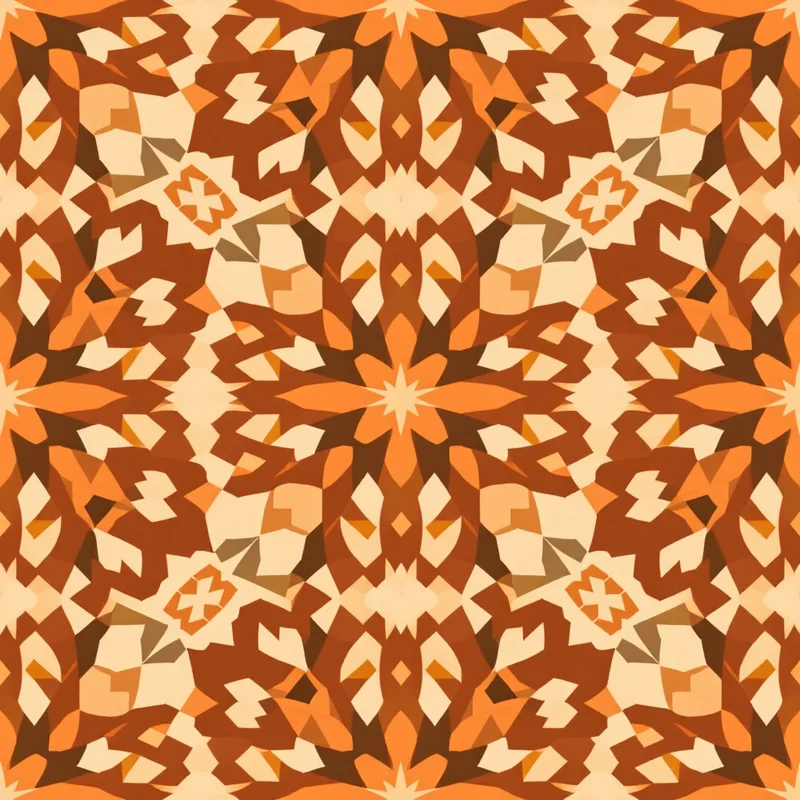
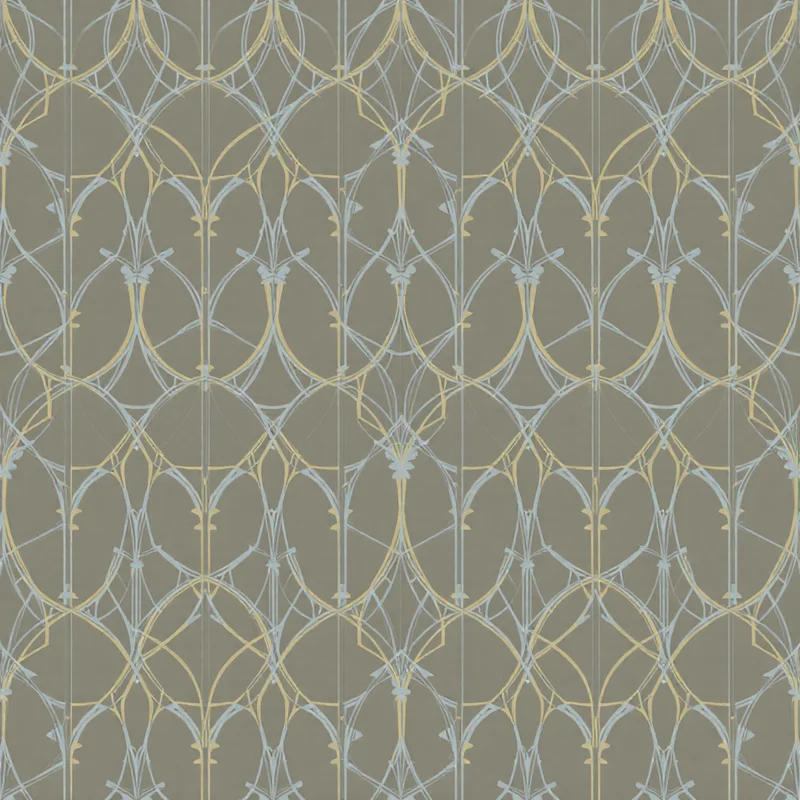
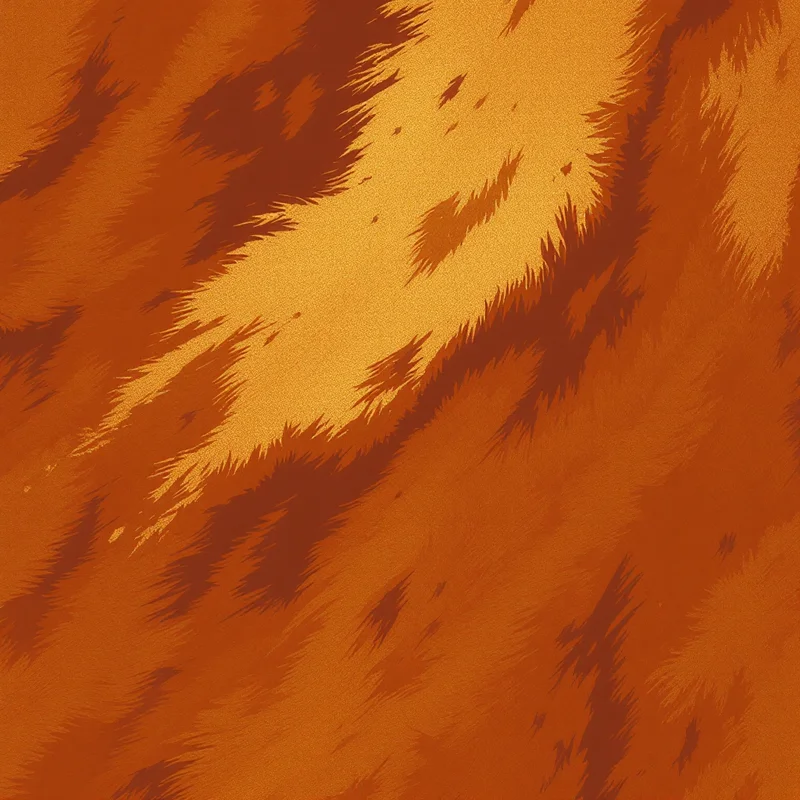
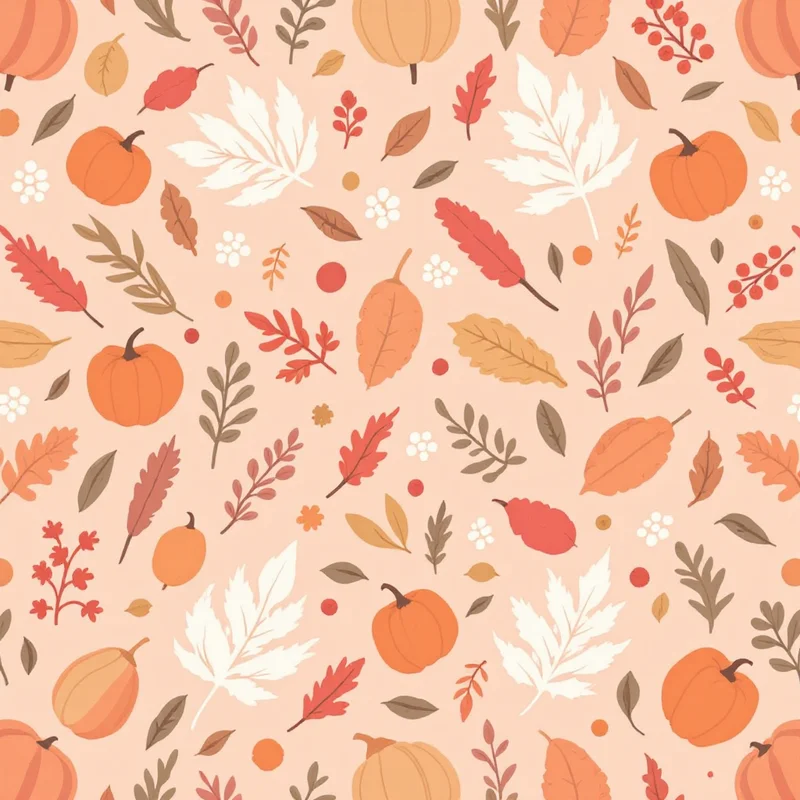
Terracotta occupies a unique position in contemporary design — it reads as inherently artisanal and handmade, yet feels modern and intentional when placed in the right context. The color sits at the intersection of earth and fire, evoking baked clay, sunset, and the warm masonry of Mediterranean and Southwestern architecture. What makes terracotta seamless patterns particularly effective is that the color itself does most of the communicative work. A simple terracotta geometric or botanical pattern often requires less visual complexity than cooler color palettes to land successfully.
The challenge, however, is understanding the undertone dynamics that make terracotta read as intentional rather than dated. Unlike true reds or true oranges, terracotta's warmth is complicated by subtle brown undertones that shift its visual temperature depending on surrounding colors and lighting context.
The Character of Terracotta
Terracotta (#C2774E and its variants) sits in the orange-red family, but its identity is anchored in the material it references — unfired and naturally fired clay. This material origin gives it inherent credibility in any design that suggests craft, handwork, or connection to earth. The color communicates differently depending on saturation and lightness.
Warm but Not Aggressive
Unlike pure orange, which can feel playful or juvenile, terracotta reads as sophisticated warmth. The brown undertones pull it toward earthiness. Unlike pure red, which carries formal or dramatic connotations, terracotta feels approachable and tactile. This balance is why the color works across such wide applications — from rustic pottery-inspired wallpapers to high-fashion textiles to minimalist packaging.
Regional and Cultural Associations
Terracotta's cultural load is significant. The color immediately triggers associations with Mediterranean regions — Greek and Italian ceramics, Spanish tile work, Tuscan landscapes. It also carries strong Southwestern American associations — adobe architecture, Native American pottery traditions, and desert aesthetics. In contemporary design, these cultural roots can be either embraced directly or suggested subtly through supporting color choices and compositional approach.
Saturation and Depth Variations
Terracotta exists across a spectrum. Deep terracotta (closer to rust with more brown) reads as historical and grounded. Mid-tone terracotta (#C2774E) is the most versatile and commercially appealing. Light terracotta (more peachy, with ochre undertones) becomes gentler and works in more delicate applications. Understanding where your specific terracotta sits on this spectrum is crucial for establishing visual tone.
Motifs That Elevate Terracotta
Terracotta seamless patterns feel most authentic when motifs honor the material's cultural and historical context. Not every motif works equally well.
Botanical and Organic Forms
Terracotta is the natural home for botanical patterns — leaf clusters, climbing vines, floral arrangements, seed pods, and botanical line work all feel at ease on this color foundation. The warmth of terracotta suggests soil and growth. Botanical motifs can be rendered realistically (detailed botanical illustrations) or abstracted into flowing line work and organic shapes. Both approaches read as natural on terracotta.
Geometric and Tile-Inspired Patterns
Mediterranean tile traditions — Moroccan zellige work, Spanish azulejos, Italian majolica — all employ terracotta as a base color. Geometric patterns that reference these tile traditions feel authentic: interlocking stars, tessellating shapes, geometric borders, and repeating medallions. The geometric approach pairs particularly well with deeper terracotta tones.
Organic Texture and Surface Variation
One of terracotta's strengths is that the color itself suggests texture. Subtle surface variation — speckles, tone-on-tone mottling, hand-drawn quality, or natural clay color fluctuation — enhances rather than detracts from terracotta patterns. Audiences expect and appreciate roughness in terracotta. A perfectly smooth, computer-clean terracotta pattern can feel sterile. Implied texture gives authenticity.
Cultural and Ethnic Motifs
When approached respectfully, incorporating cultural motifs from terracotta's heritage regions works powerfully. Southwestern geometric patterns, Mediterranean tile work, or ethnic textile designs feel genuine on terracotta. The key is intentionality and education — not decorative appropriation.
Minimalist Geometric
Conversely, stark geometric patterns on terracotta create an interesting tension. Clean lines, minimal color, maximum negative space — these contemporary approaches work because they allow terracotta's warmth to dominate. A single line motif or a simple repeating shape can be more impactful on terracotta than on neutral backgrounds.
Terracotta Seamless Pattern Color Palettes
Terracotta's warmth is either complemented or contrasted depending on supporting color choices. Understanding these dynamics is essential for commercial success.
Terracotta + Sage Green: This is the most commercially successful pairing across home décor. Sage provides cool relief against terracotta warmth while maintaining an earthy, natural aesthetic. This combination dominates textile design, wallpaper, and interior products. The palette feels inherently sophisticated and timeless.
Terracotta + Cream and Off-White: A subtler, more elegant approach. Cream provides breathing room and allows the terracotta motifs to dominate without overwhelming. This palette works particularly well for packaging, stationery, and fabric applications where sophistication matters more than visual drama.
Terracotta + Dusty Pink: A warmer supporting color. Dusty pink (mauve-toned pink) creates harmony rather than contrast, used in romantic or vintage-leaning patterns. The combination softens terracotta's earthy edge, making it feel more delicate. This pairing appears frequently in fashion textiles and wallpaper.
Terracotta + Rust and Deep Brown: A monochromatic approach where rust and terracotta sit together with supporting deeper browns. This creates depth and visual interest without requiring cooler contrast. Useful for minimalist applications and applications where visual warmth is desired.
Terracotta + Navy or Deep Teal: A high-contrast approach. Navy provides dramatic opposition to terracotta warmth and creates visual punch. This pairing works in bold geometric applications, contemporary packaging, and fashion. It reads as intentionally modern rather than heritage-inspired.
Terracotta + Mustard Yellow: A warm, energetic pairing that emphasizes the orange undertones in terracotta. This combination works well in patterns inspired by textiles and kilims, particularly in geometric or folk-inspired designs. The palette feels warm and inviting.
Commercial Applications for Terracotta Patterns
Terracotta patterns have experienced significant resurgence across multiple industries. The color's cultural load and warm character make it commercially viable across unexpected applications.
Home Décor and Upholstery
Terracotta wallpapers and upholstery fabrics are experiencing sustained demand, particularly in the Scandinavian and Mediterranean aesthetic categories. Interior designers specify terracotta botanicals for feature walls, and terracotta geometric patterns appear in area rugs, cushions, and window treatments. The color works in modern, traditional, and eclectic interiors.
Pottery and Ceramic Design
Terracotta seamless patterns on dinnerware, serveware, and decorative ceramics have become a category unto themselves. The color's material resonance makes pattern application feel natural rather than applied. Tile work incorporating terracotta patterns continues to be specified in residential and hospitality projects.
Textile and Fashion Applications
Fashion brands have embraced terracotta for everything from contemporary prints on apparel to accessories and footwear. The color reads as current without being trendy — it has longevity. Terracotta patterns appear on scarves, dresses, shirts, and bag design. The warm, organic associations make it particularly popular in lifestyle and sustainable fashion brands.
Packaging and Branding
Terracotta packaging — from cosmetics to food to luxury goods — communicates handcraft and natural positioning. Brands in the beauty, wellness, food, and artisanal categories frequently choose terracotta as a primary brand color and incorporate it into pattern applications. The warmth conveys approachability while the sophistication of terracotta signals quality.
Stationery and Publishing
Terracotta paper stocks and printed patterns have found a home in premium stationery, wedding invitations, and publishing design. The color photographs well and reads beautifully in print production, particularly when combined with warm metallics like gold or rose gold foil stamping.
Designing Terracotta Seamless Patterns
Creating convincing terracotta patterns requires understanding both the color's technical properties and the motif traditions it accommodates. The technical challenge is ensuring terracotta reads as intentional rather than accidental or dated.
Color Accuracy and Context
Terracotta's appearance shifts dramatically based on surrounding colors and lighting context. A terracotta that appears warm and inviting next to sage might appear orange or unrefined next to black or navy. When designing, render your patterns in multiple color contexts. Test the terracotta against the colors that will surround it in real-world application.
Density and Scale Considerations
Terracotta patterns tend to read more successfully at medium to high density. Sparse terracotta patterns can feel unfinished. The warmth of the color benefits from rhythm and repetition. Scale your motifs so they read clearly but don't feel enormous. A leaf motif at 2 inches reads differently than the same motif at 8 inches.
Suggested Generation Approach
Using Pattern Weaver's color palette system, select or create a terracotta base, then choose botanical or geometric substyles that resonate with your intended application. The platform's preset terracotta palettes include natural supporting colors like sage and cream. Generate variations at different density levels — then evaluate which density and motif complexity best serves your target application. This iterative approach often produces more authentic results than freeform prompt writing.
Production Considerations
Terracotta photographs and prints beautifully, but the color requires accurate color management. If the final application involves fabric printing or ceramic production, ensure your color specification matches the terracotta you intend. The brown undertones are critical — slightly too much red reads as orange, slightly too much brown reads as dull.
Terracotta Patterns in Contemporary Design Trends
Terracotta's presence in 2026 design conversations reflects broader shifts toward earthiness and material authenticity. The color appears frequently in eco-conscious branding, natural product packaging, and interior design movements that prioritize warmth over cool minimalism.
The Move Toward Warm Minimalism
While cool minimalism dominated the past decade, contemporary design is moving toward warmer approaches. Terracotta functions beautifully in minimalist compositions — clean, intentional, warm, and grounded. A single terracotta line pattern or a subtle geometric on white background communicates clarity and confidence.
Material Honesty in Design
Terracotta's connection to actual material — clay that has been through fire — aligns with broader design values around authenticity and material honesty. Audiences respond to terracotta because the color actually references something tangible. Patterns that acknowledge this material resonance feel more genuine.
Cultural Eclecticism
Contemporary design increasingly celebrates global aesthetic traditions without erasing their origins. Terracotta patterns that draw from Mediterranean, Southwestern, or North African traditions can be approached respectfully and authentically. The color itself becomes a bridge to these traditions.
Terracotta seamless patterns succeed because they operate on multiple levels simultaneously — they are functionally beautiful, culturally resonant, and commercially viable. The color does substantial communicative work, which means the patterns themselves can afford to be either complex and layered or minimal and spare. That flexibility is why terracotta remains one of the most reliably successful colors in contemporary pattern design.
Explore related pattern styles
Patterns for