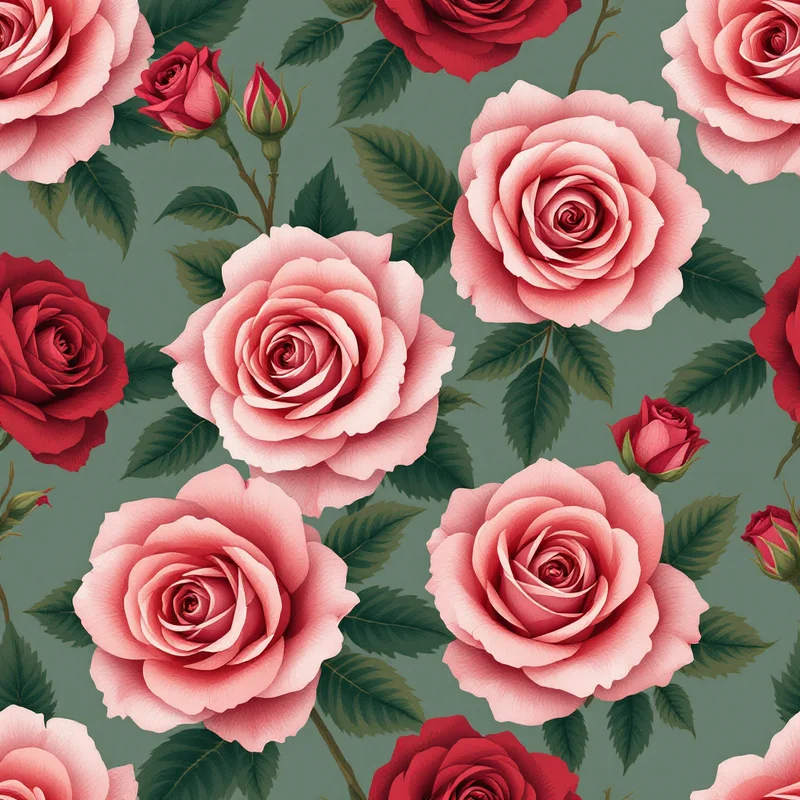
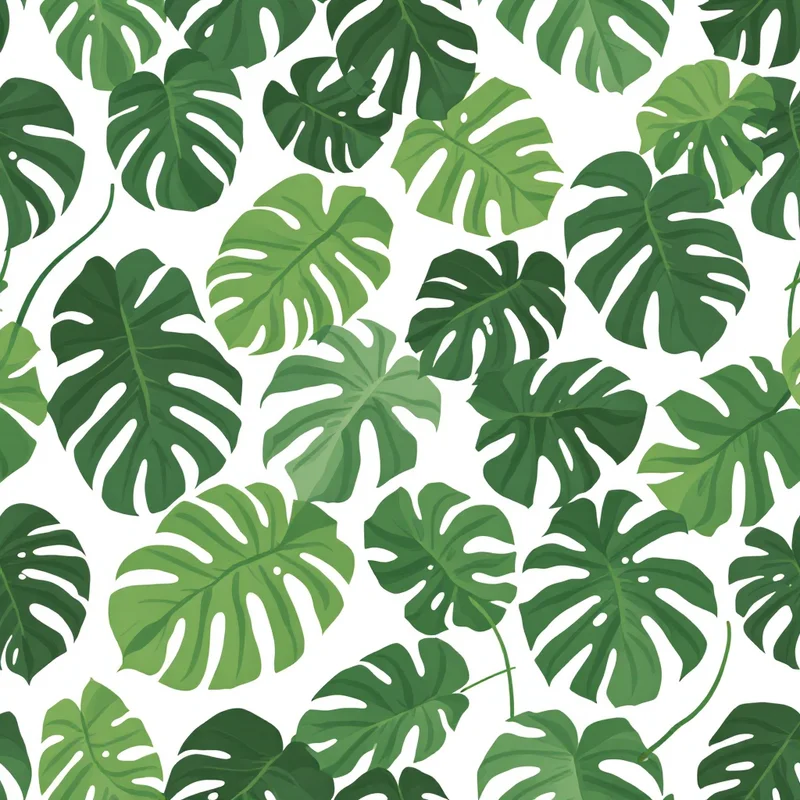
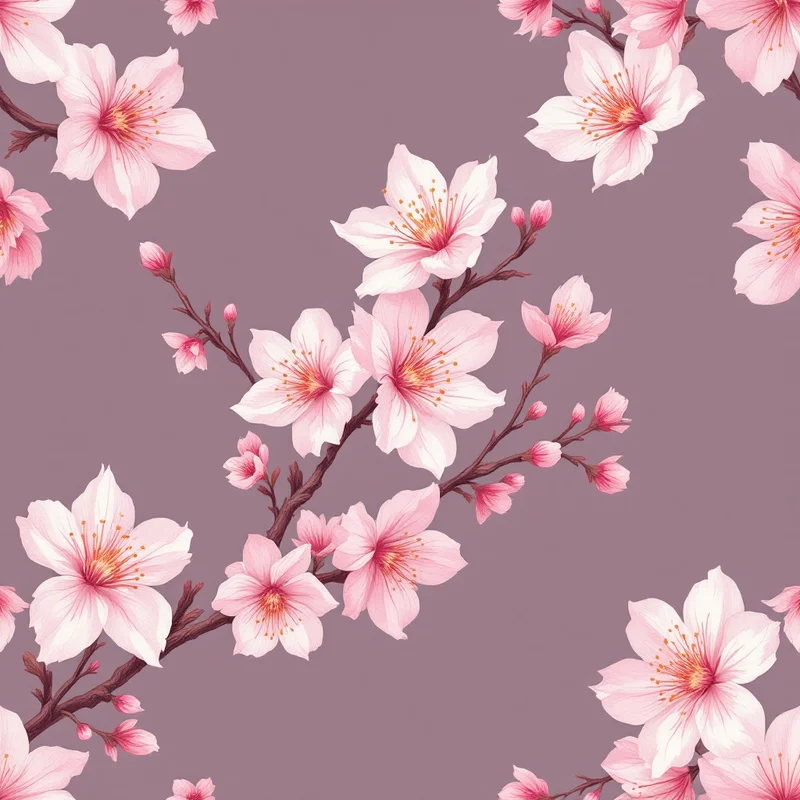
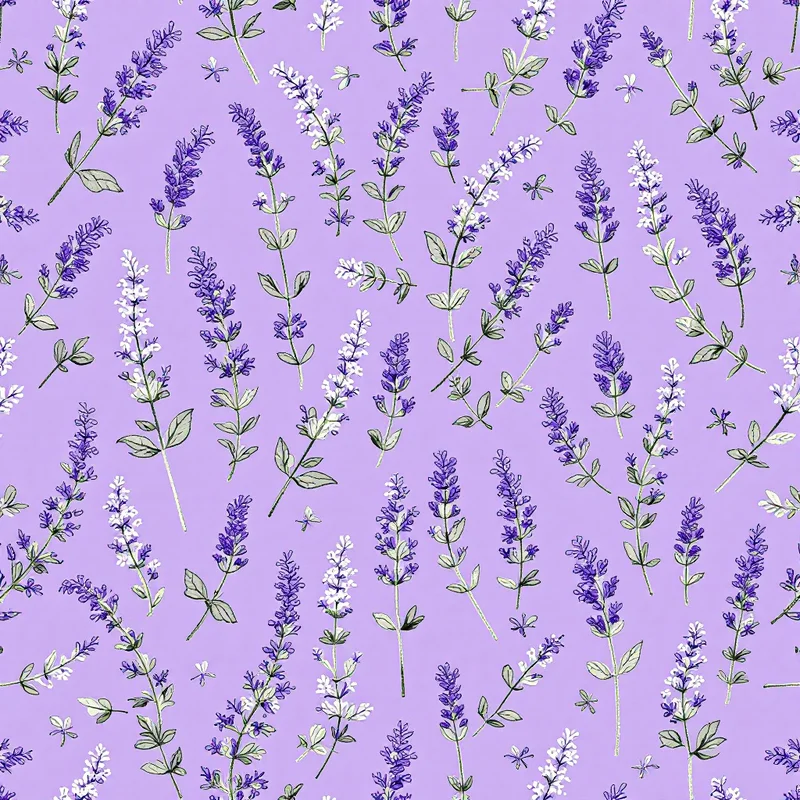
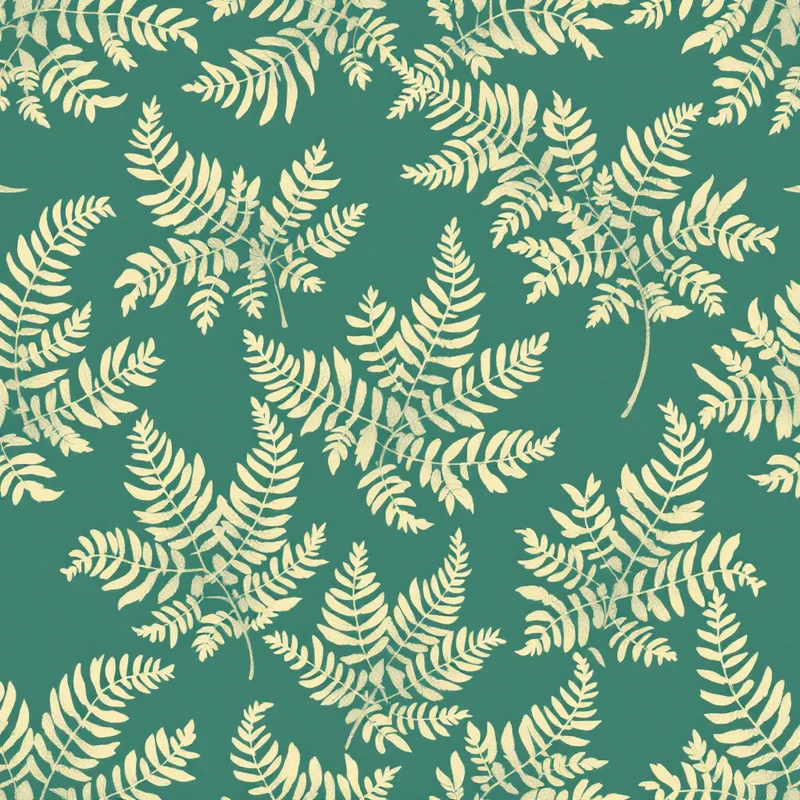
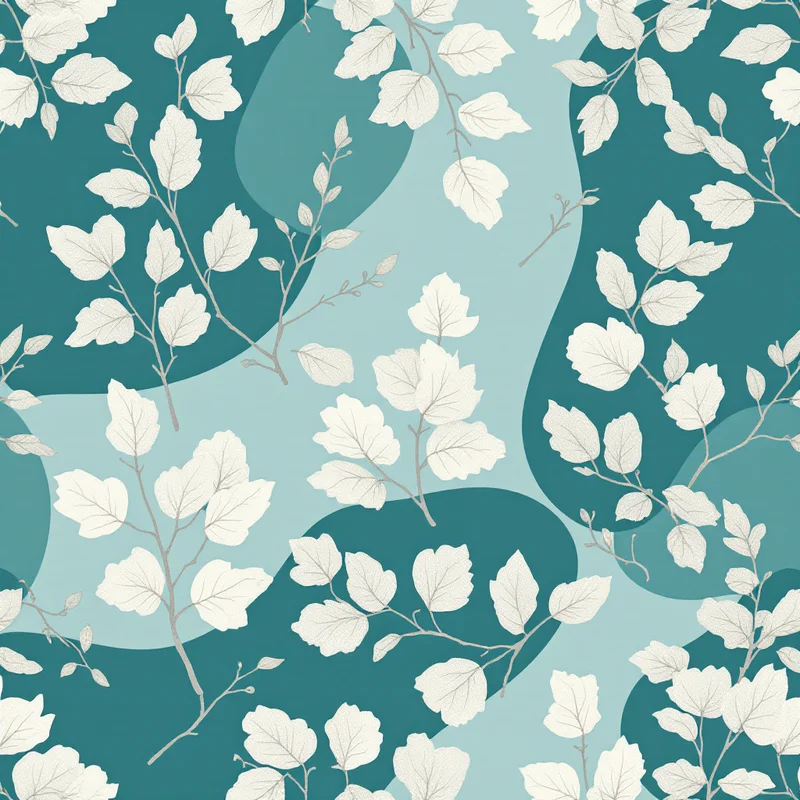
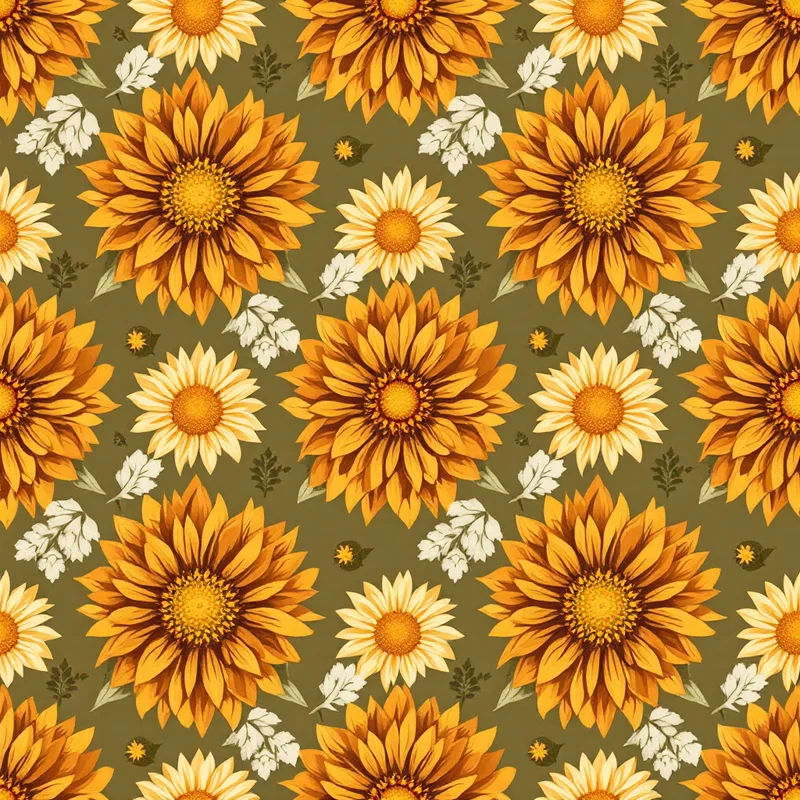
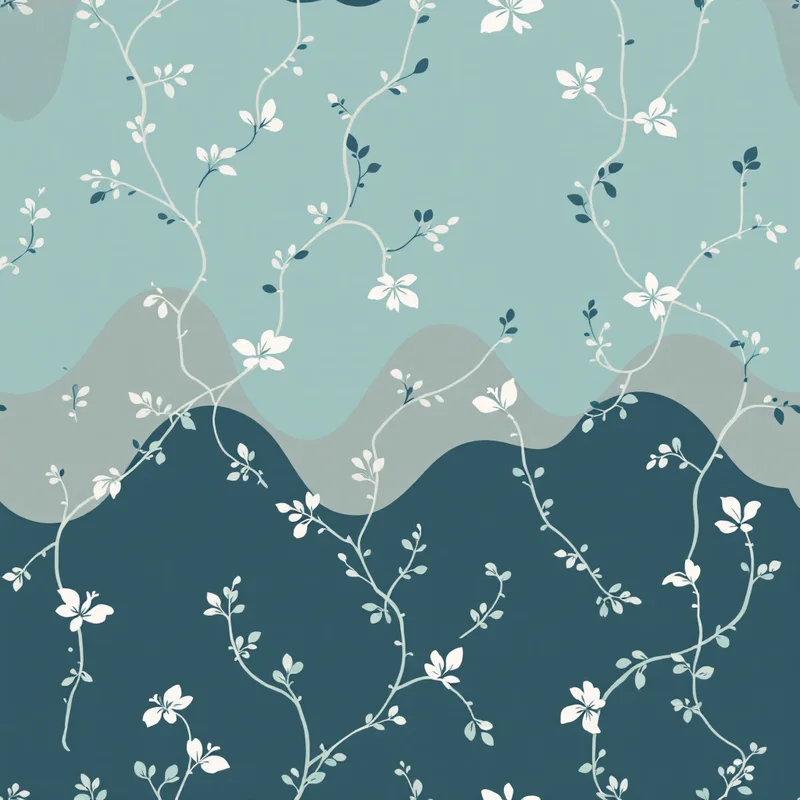
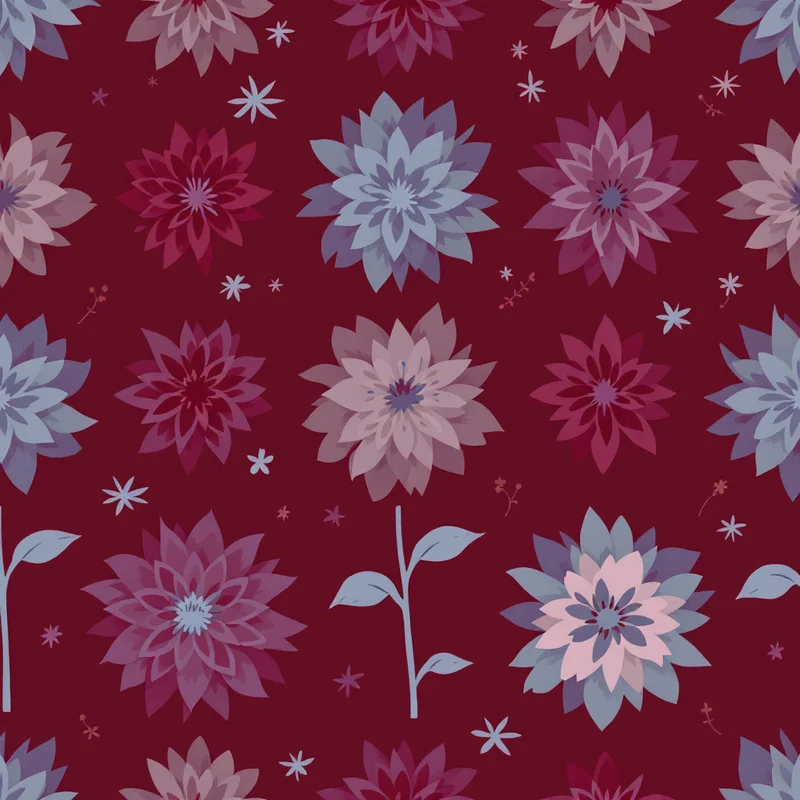
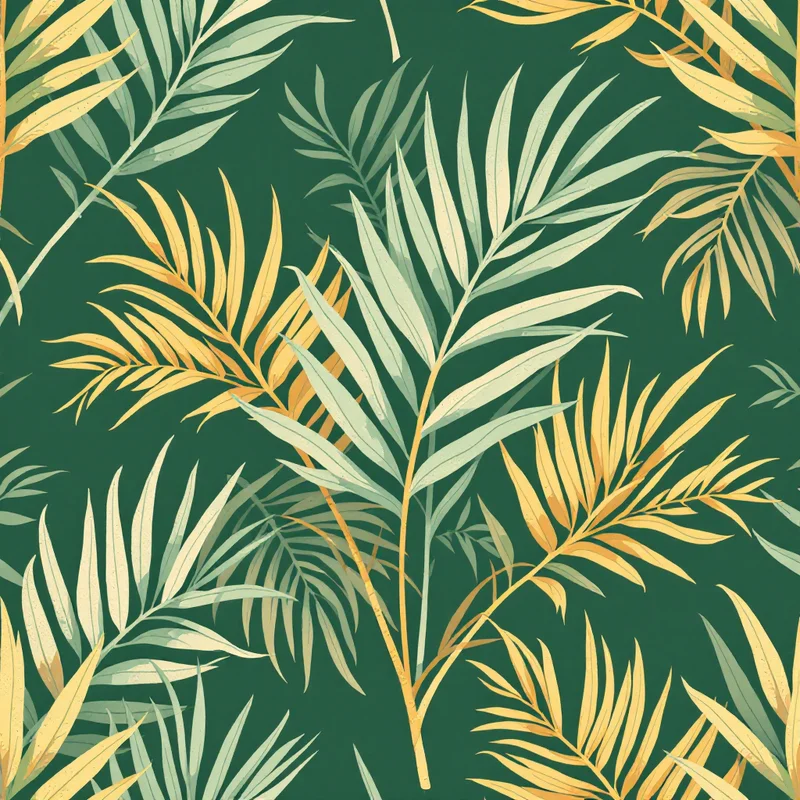
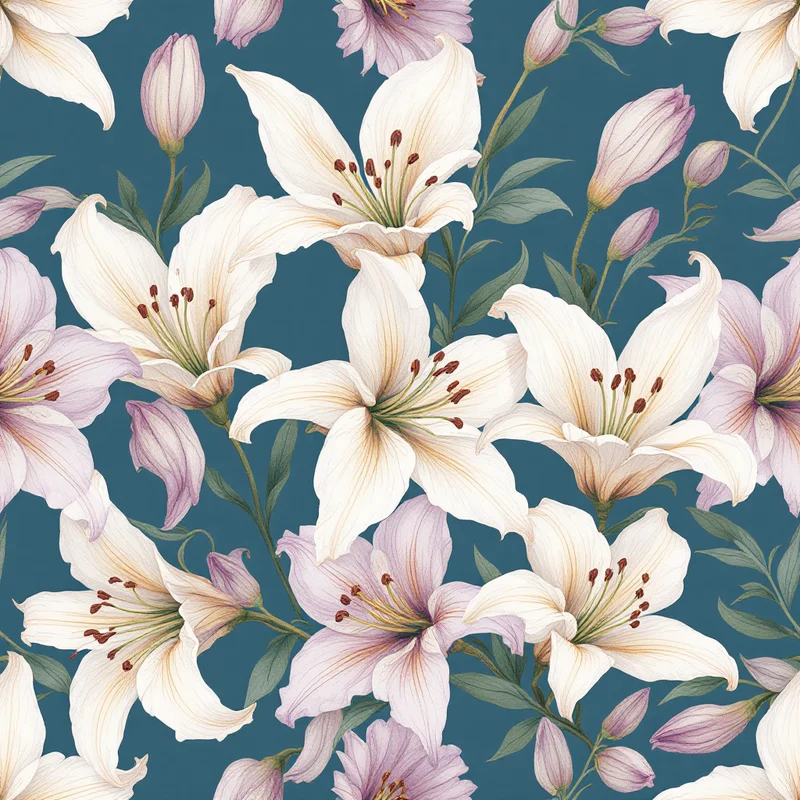
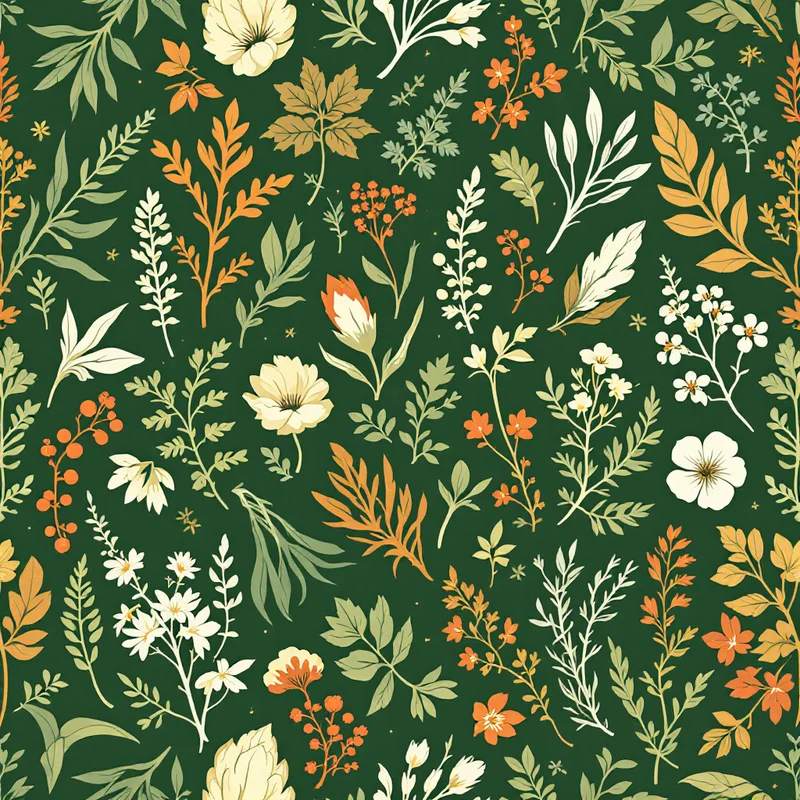

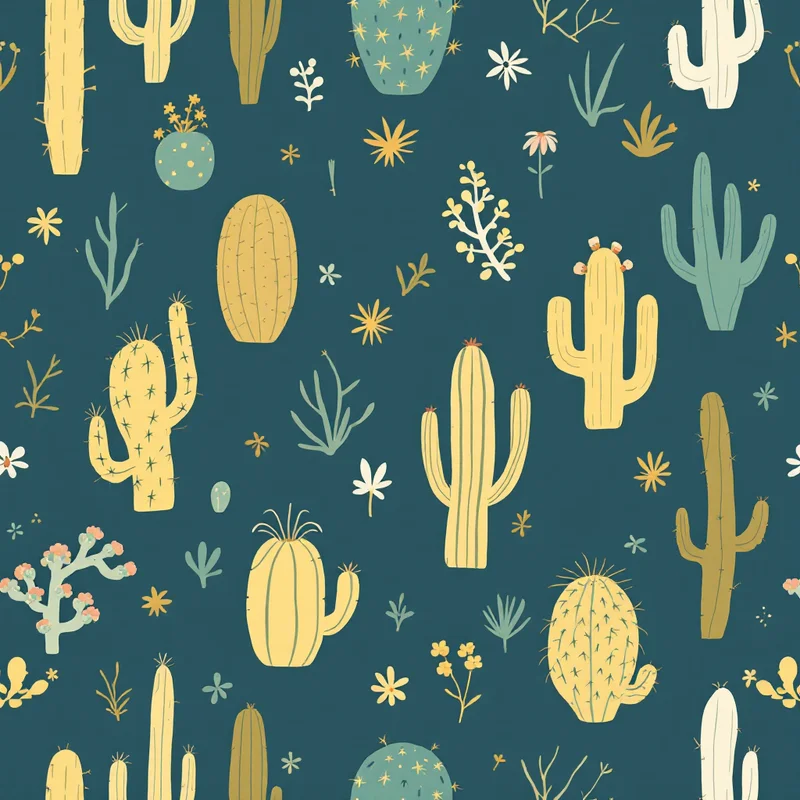
Loose, gestural lines with natural graphite texture and the spontaneous energy of a sketch that captures something before it disappears. Your pencil sketch patterns carry the intimacy and immediacy of a designer's sketchbook — visible pencil grade variation, organic line weight shifts, and the kind of effortless mark-making that signals genuine drawing skill. This rendering style makes every pattern feel like a page from a personal journal rather than a manufactured design.
Pencil sketch rendering brings an honest, unpolished quality to your patterns that resonates with audiences tired of overly perfect digital artwork. Apply it to botanicals for loose, naturalist-style plant studies with scientific illustration charm. Use it on architectural and geometric motifs for hand-drafted precision with visible graphite texture. Render animals with the quick-capture energy of field sketching. Try it on fashion figures and lifestyle motifs for editorial illustration patterns. The pencil quality adds warmth and personality to every subject.
In fashion, pencil sketch patterns occupy a distinctive editorial niche. The hand-drawn quality reads as artistic and intellectual — qualities that resonate with brands targeting culturally engaged consumers. Pencil-sketched botanicals on a silk blouse feel gallery-adjacent. Architectural sketches on a structured jacket feel cosmopolitan and design-aware. The rendering works especially well for capsule collections, artist collaborations, and brands that use illustration as a core part of their visual identity.
For stationery and paper goods, the pencil sketch aesthetic is perennially popular. Notebooks, journals, planners, and sketchbooks with pencil-rendered cover patterns attract creatives who identify with the drawing process. Greeting cards with sketch-quality illustrations feel personal and handmade. Gift wrap with loose pencil motifs communicates thoughtfulness. The graphite texture also reproduces beautifully on uncoated and recycled paper stocks, which aligns with the sustainability values of many stationery buyers.
Home decor applications for pencil sketch patterns lean toward the thoughtful and curated. Framed sketch-style pattern tiles serve as affordable original art for gallery walls. Cushion covers and throw blankets with pencil-rendered motifs add an intellectual, studio-apartment quality to living spaces. Wallpaper with loose pencil sketches creates a designer accent wall that feels like living inside an artist's notebook — a look that appeals strongly to architects, designers, and creative professionals decorating their own spaces.
Print-on-demand sellers benefit from the pencil sketch aesthetic because it signals authenticity and artistic skill — qualities that help products stand out on saturated marketplace platforms. The hand-drawn quality creates an emotional connection with buyers who value unique, non-generic designs. Phone cases, tote bags, art prints, and apparel with pencil sketch patterns attract a design-savvy audience willing to pay more for products that feel individually created.
You control the pencil grade, line pressure, and shading density across every design. Use a hard pencil with light pressure for fine, precise technical drawing. Switch to a soft pencil with heavy pressure for bold, expressive gestural marks with rich graphite shading. Add hatching and cross-hatching for tonal depth, or keep lines clean and open for a minimalist sketch quality. The rendering handles the full range of graphite drawing technique.
Export at up to 8K resolution with full graphite texture and line detail preserved. The subtle pencil grade variations, paper grain interactions, and tonal shading all hold up at every scale — from a small tag on handmade goods to a large-format art print. The predominantly monochromatic output also produces lean, efficient files and gives you full flexibility to add color accents or apply tinted backgrounds in post-production.