






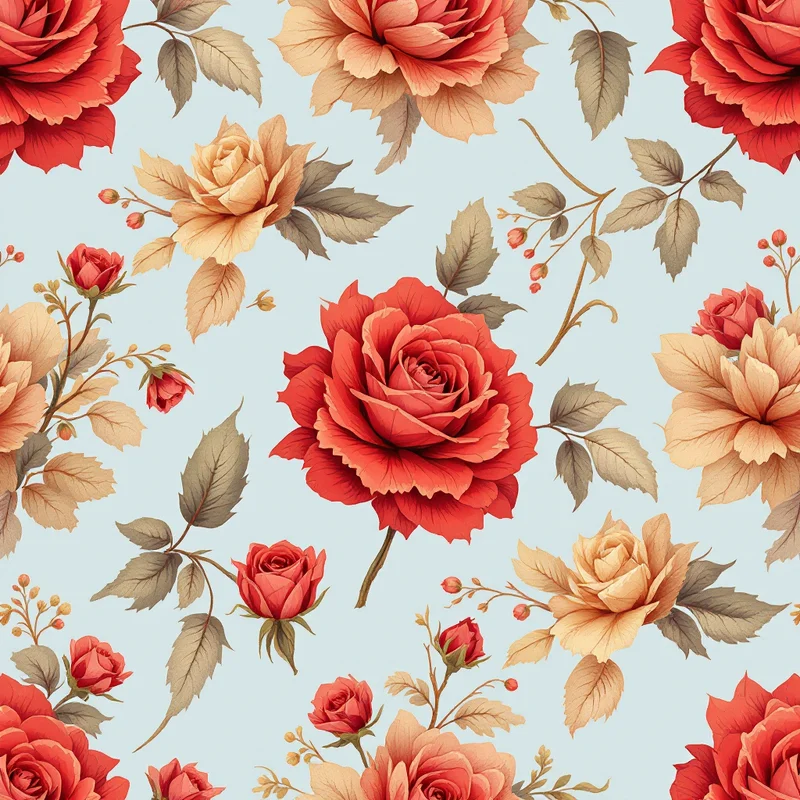
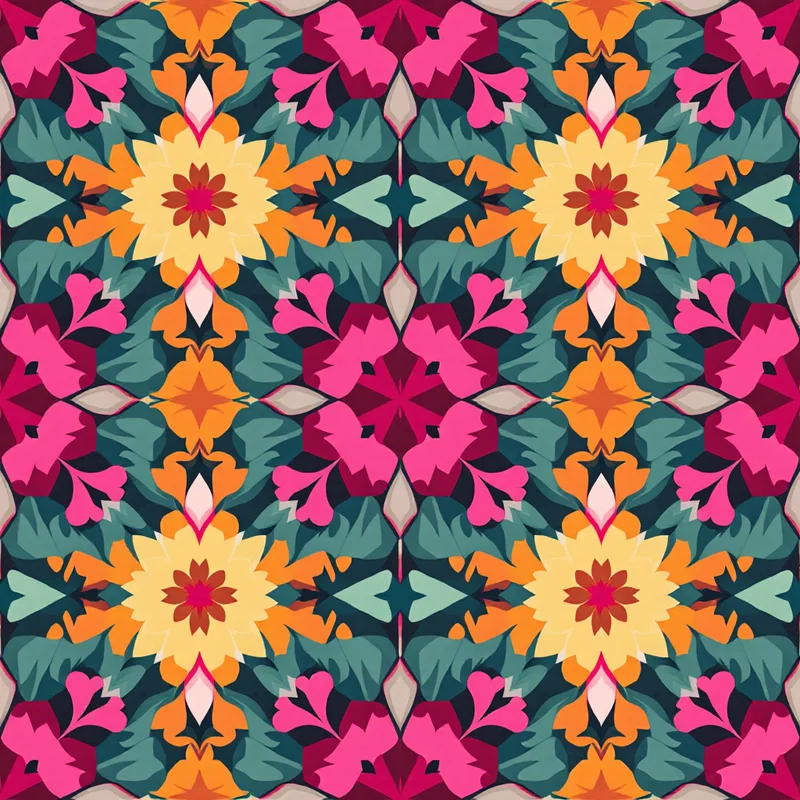
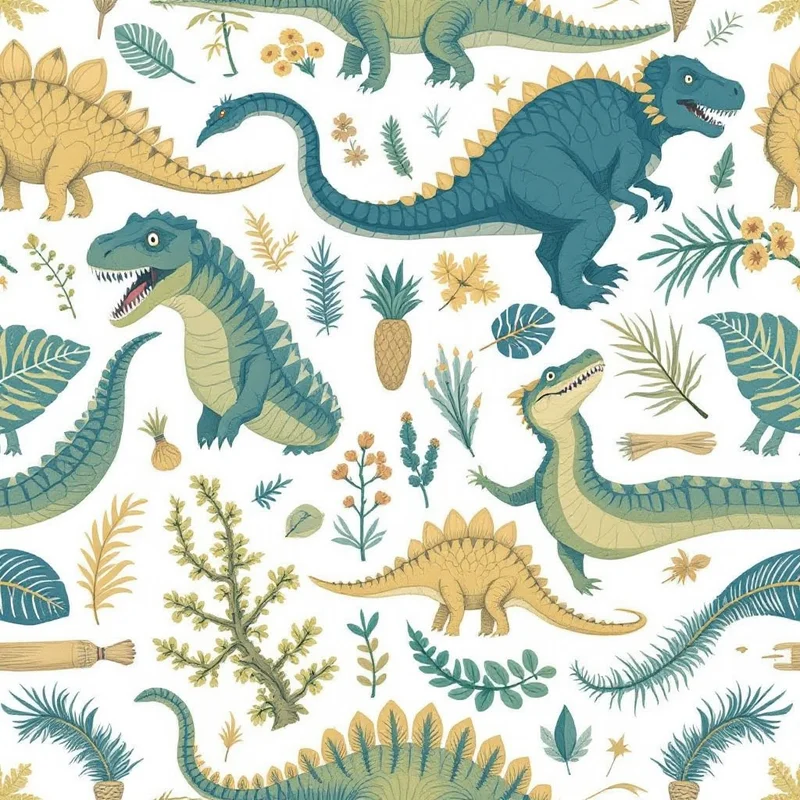
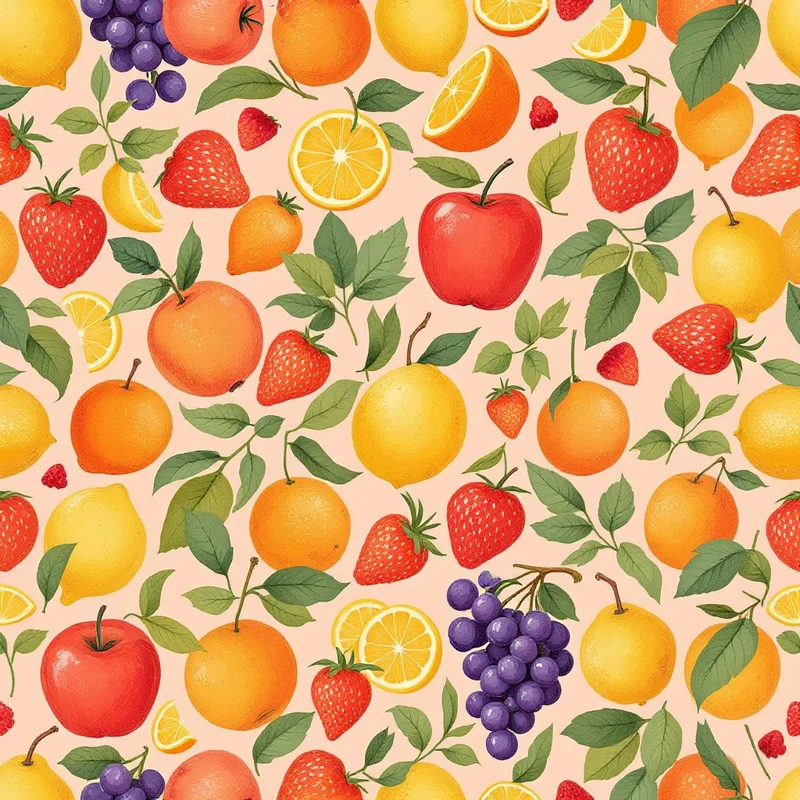

Cotton is the workhorse of the textile industry and the single most printed fabric substrate in the world. From quilting cotton to fashion cotton to home textile cotton, every weight and weave has its own requirements for pattern density, motif scale, and color approach. Generate patterns calibrated for how cotton actually takes ink — with palettes that account for the slight muting effect of cotton fiber versus synthetic substrates, and density tuned for the specific cotton weight you are printing on.
Quilting cotton is a multi-billion-dollar market with a uniquely loyal customer base. Quilters buy fabric by the collection, not by the yard — so coordinating sets of 8 to 12 patterns sharing a palette are the standard product format. Generate complete quilting cotton collections in one session: a hero print with large-scale focal motifs, several mid-scale supporting designs, small-scale blenders, and tone-on-tone textures that tie everything together.
Cotton apparel represents the broadest market. T-shirts, dresses, shirts, children's clothing, pajamas, and workwear all use printed cotton. Each garment type has different scale and density requirements — a small ditsy floral for a blouse reads differently from a bold geometric for a Hawaiian shirt. You control motif scale and pattern density to match the specific garment application and target market.
Home textiles in cotton include bedding, table linens, kitchen textiles, cushion covers, and curtains. These products are viewed at varying distances and interact with other textiles in the room, so your pattern needs to work within a broader interior context. Generate designs at the density and scale appropriate for each home product, with palettes that coordinate across a complete product line.
Organic cotton products target an eco-conscious market that values both sustainable materials and thoughtful design. The natural, handcrafted rendering styles — watercolor, linocut, hand-drawn — pair naturally with organic cotton positioning, reinforcing the brand story through visual language that aligns with the material.
Export at the DPI your cotton printer requires — 150 DPI for platforms like Spoonflower, 300 DPI for professional digital textile mills. PNG, CMYK TIFF, and PDF formats cover every cotton printing workflow from POD to production.