Freelance Textile Designer: Hire One or Become One
Two audiences, one page. Brands hiring a freelance textile designer get rates, scope, briefs, and deliverables. Designers selling the service get pricing benchmarks and the tooling to deliver a full collection in days instead of weeks.
5 free credits — no credit card required
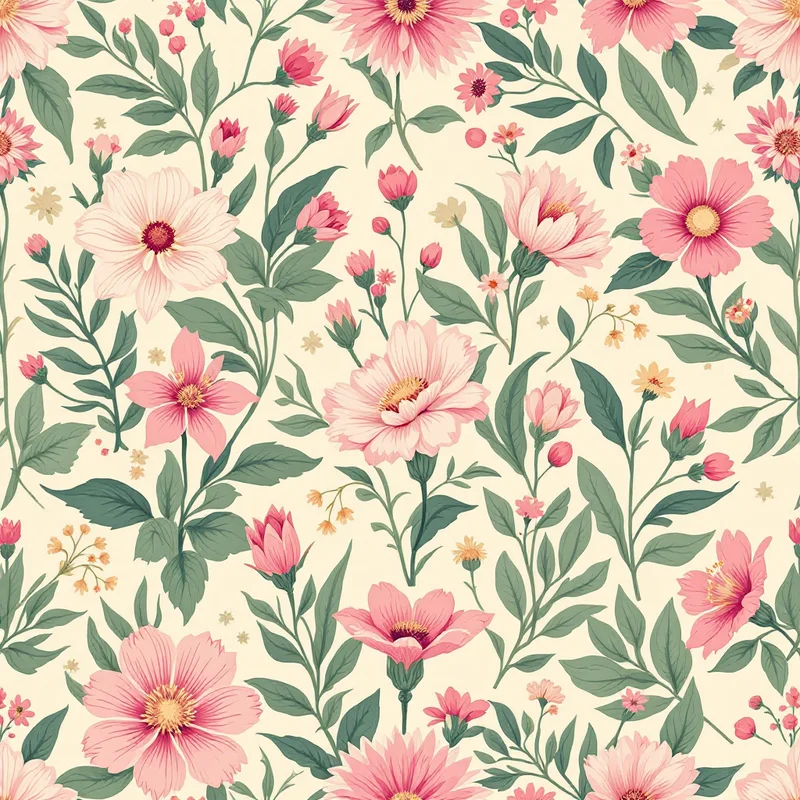
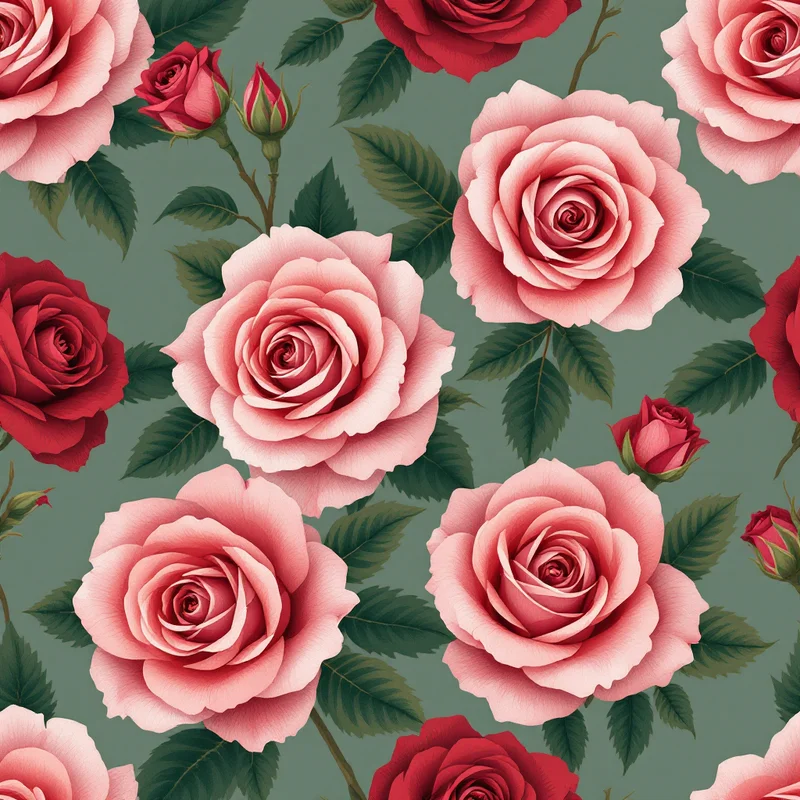

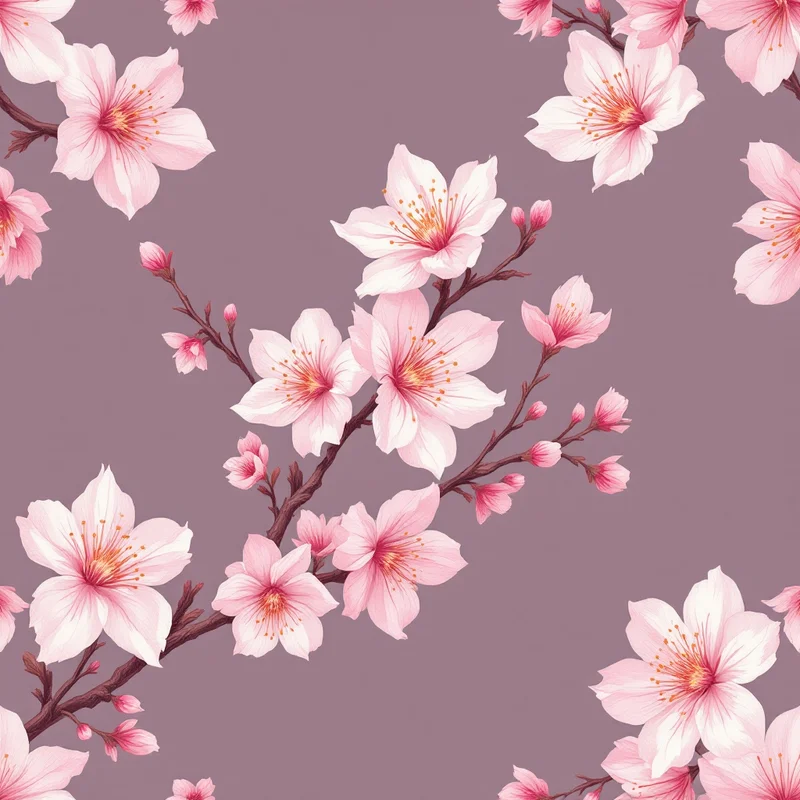
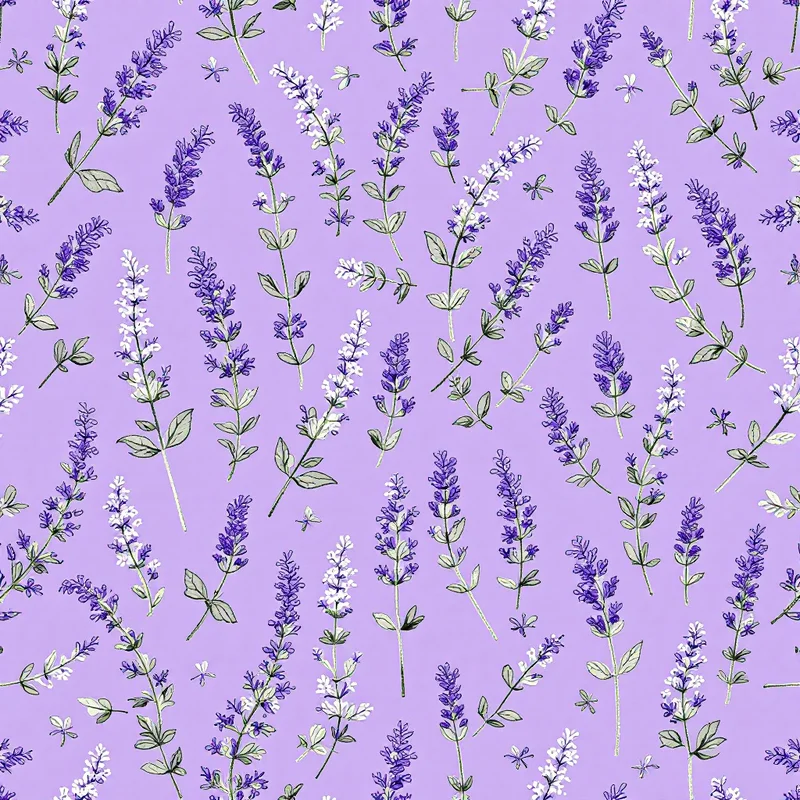
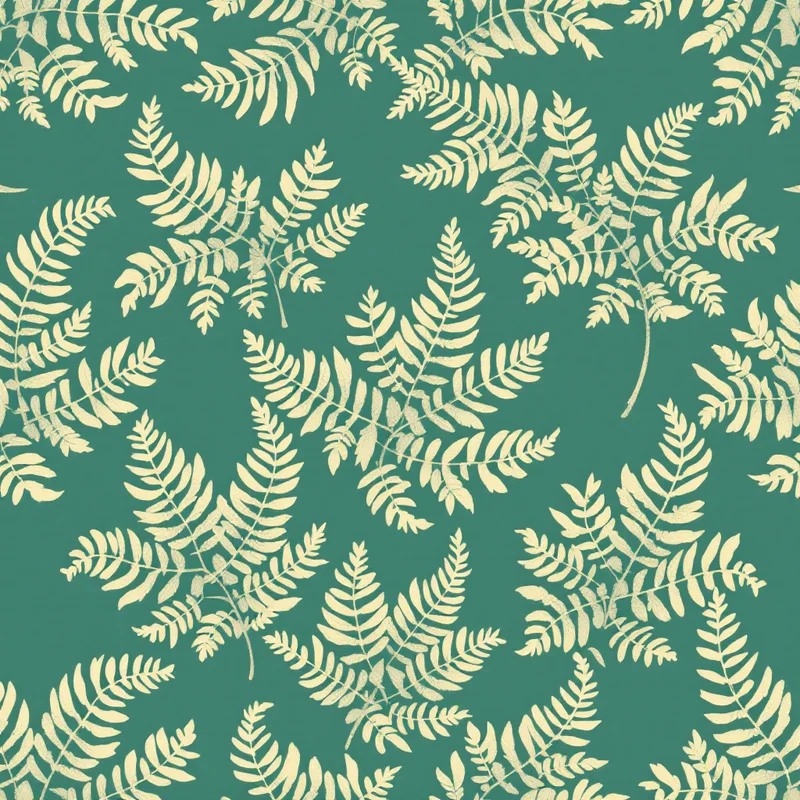
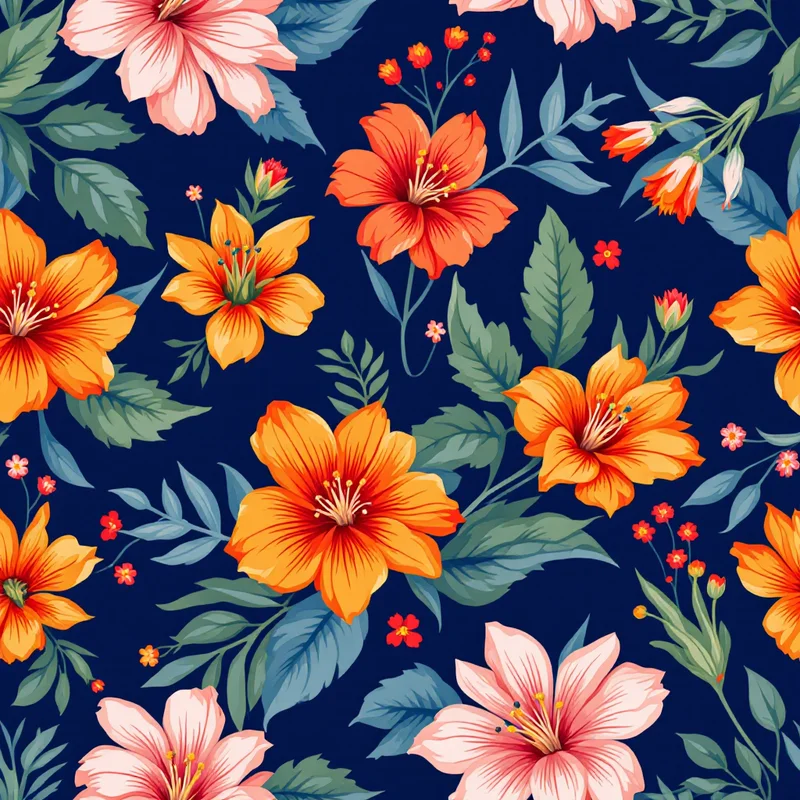
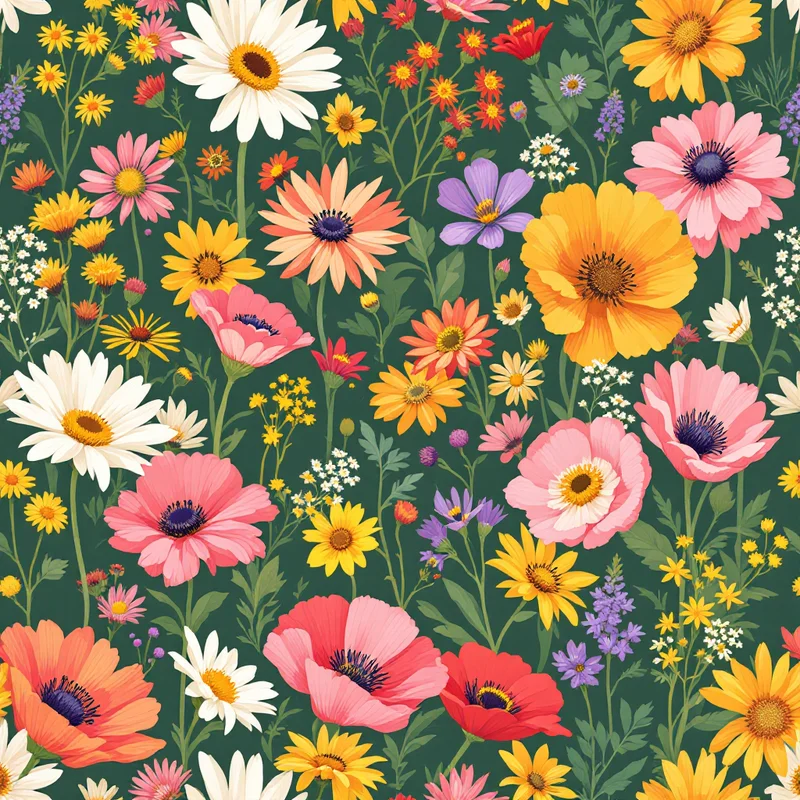
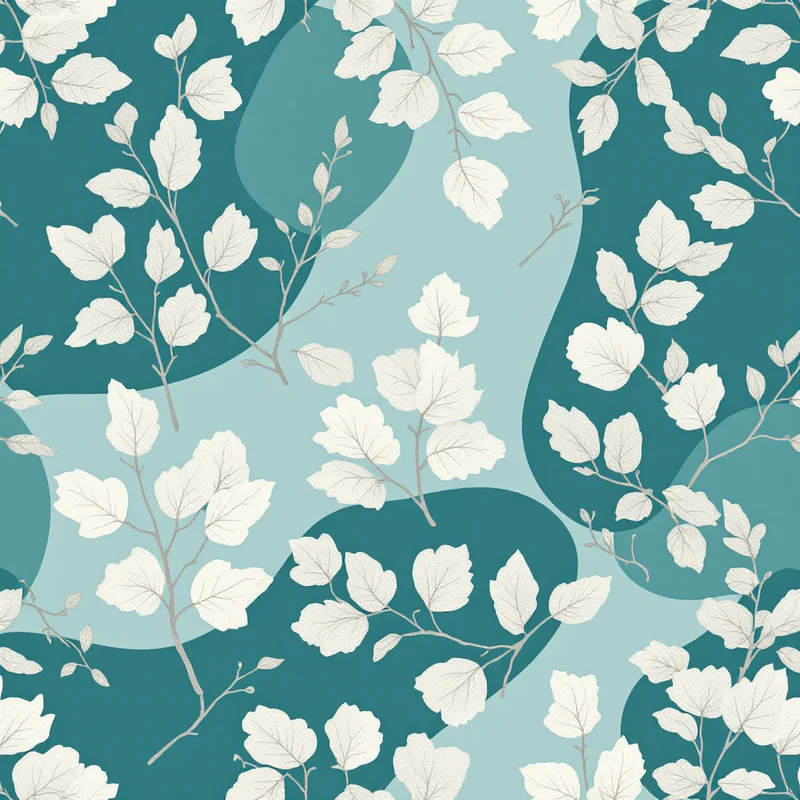

What a freelance textile designer actually does
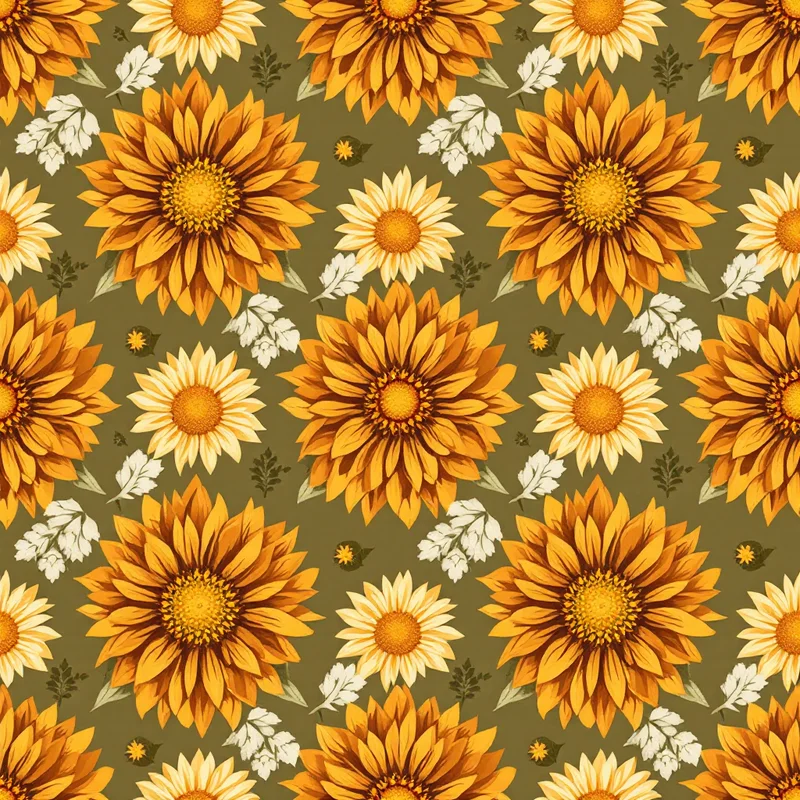
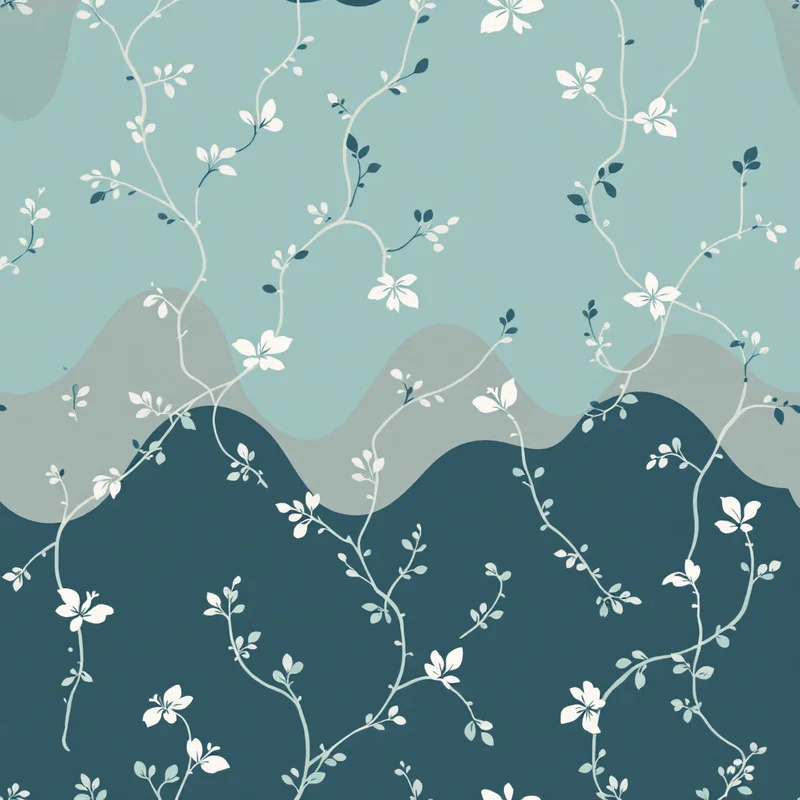
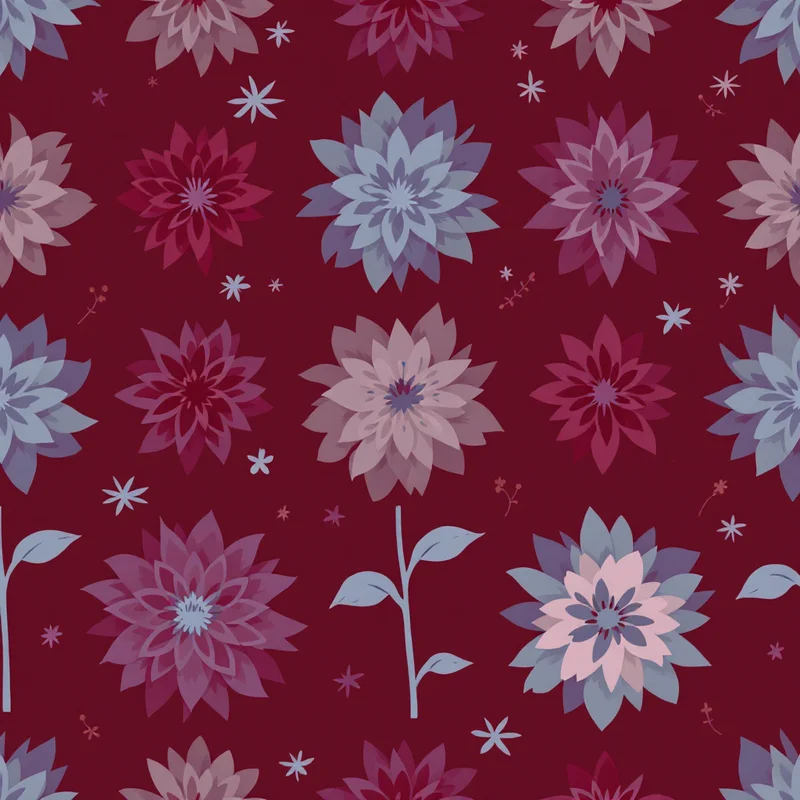
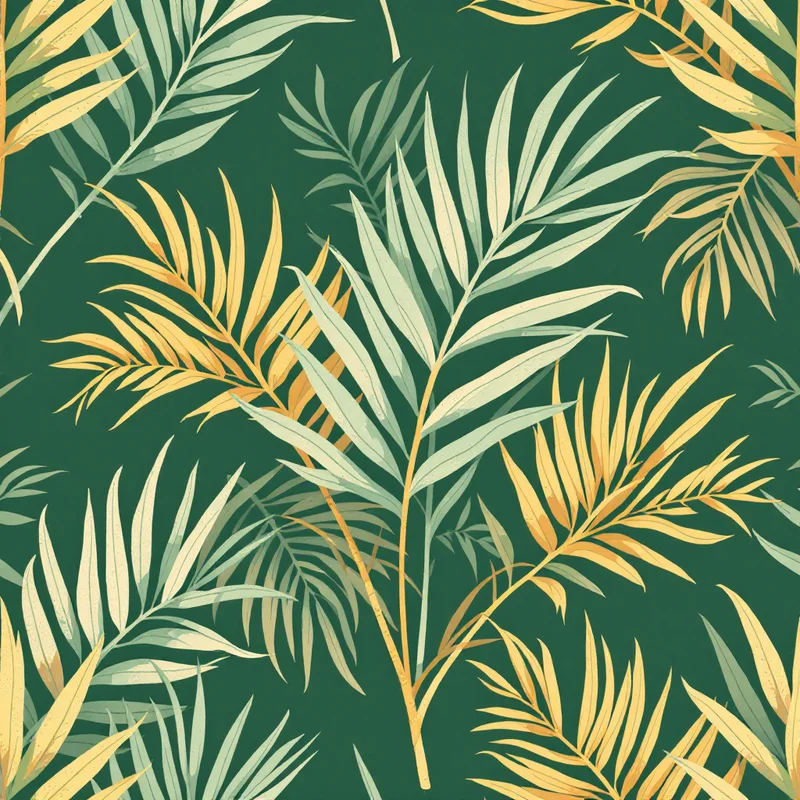
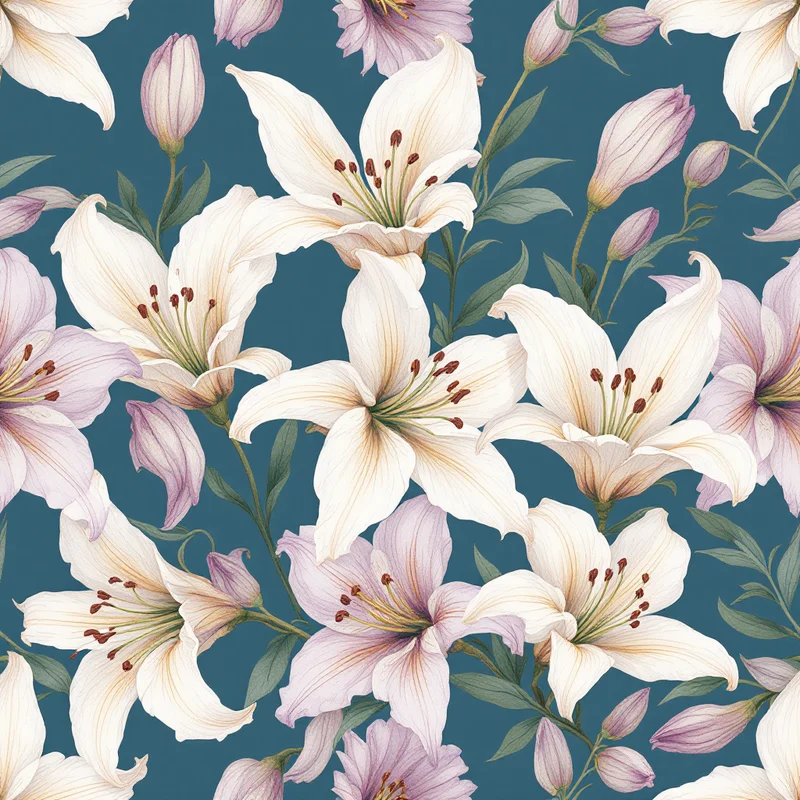
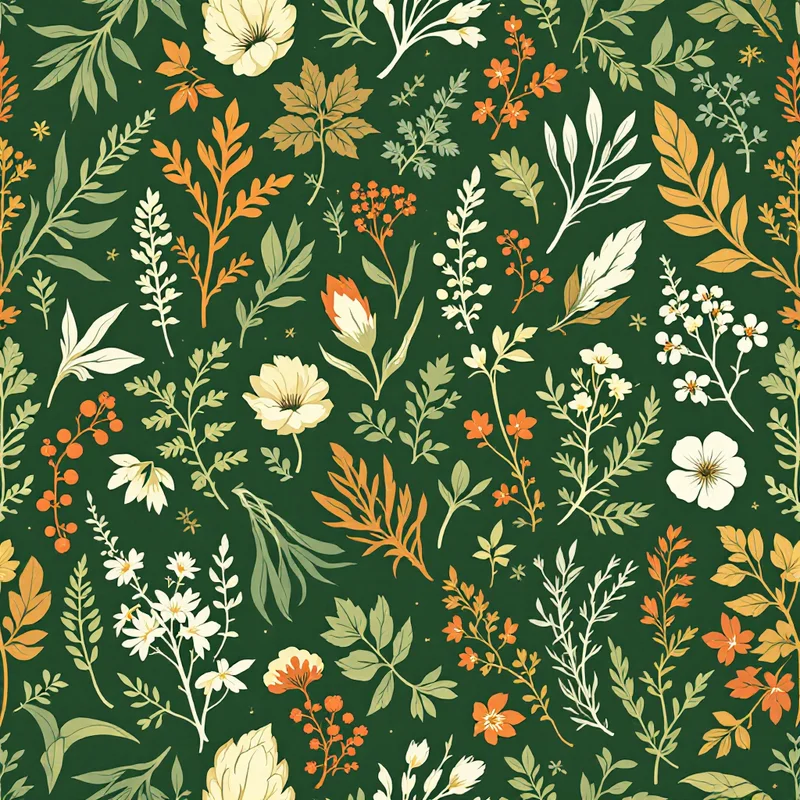
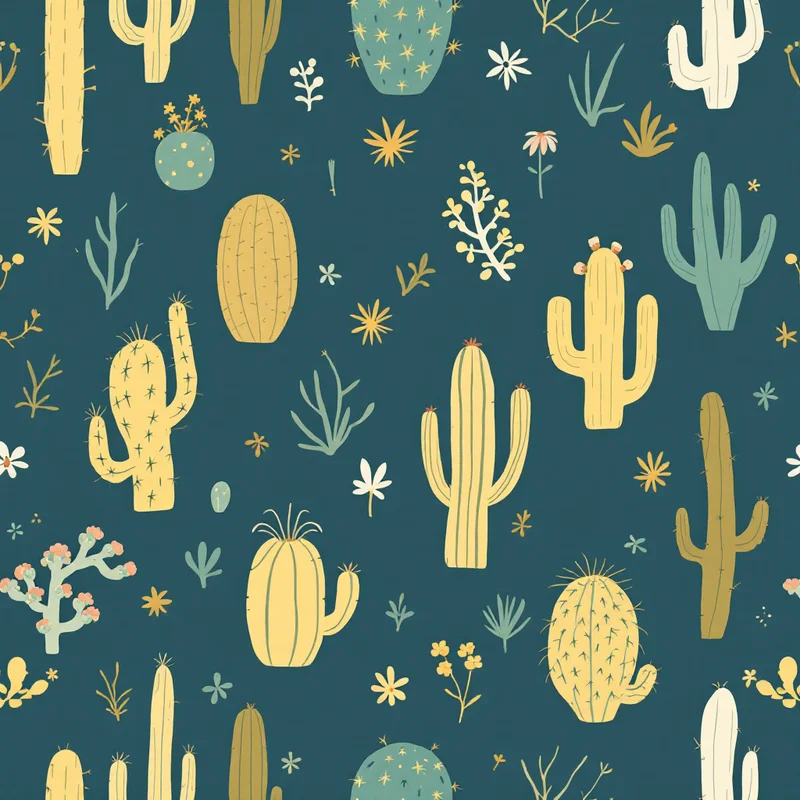
A freelance textile designer creates original surface prints — florals, geometrics, conversationals, abstracts, animal, paisley, ditsy, statement — for fashion brands, home textile lines, stationery houses, and licensing agencies. The work is project-based, not retainer. A brand briefs a season, a capsule, or a single hero print; the freelancer delivers repeat-ready artwork at production-grade resolution, in the colorways the brand needs, with the file specs the printer requires. The relationship is often remote, often international, and almost always billed in deliverables rather than hours.
The freelance market splits cleanly into two sides. On one side: brands and product managers who need a print without hiring a full-time studio designer. On the other side: trained or self-taught designers selling repeat artwork, croquis, and full collections through Upwork, Behance, Dribbble, Pattern Bank, Make It In Design, agency representation, or direct outreach. Both sides struggle with the same gap — there is no public price list for textile design, scope is usually negotiated print by print, and turnaround expectations have collapsed from weeks to days.
This page covers both sides. If you are hiring, you will leave with a brief template, a rate range, a file-spec checklist, and a clear sense of what to expect at handoff. If you are freelancing, you will leave with pricing benchmarks, scope-creep defenses, and a workflow that uses Pattern Weaver as a production accelerator — so the half-day a print used to take collapses into a focused hour of art direction.
What every freelance textile designer engagement comes down to
Scope is defined in prints, not hours
Textile freelance work is almost never billed hourly. The unit is the print: one repeat-ready artwork with a defined number of colorways, at a defined resolution, with a defined file format. Hourly billing punishes the experienced designer who works faster — per-print billing rewards efficiency and gives the brand budget certainty before the project starts.
Colorways are part of the deliverable, not extras
A single print typically ships in three to six colorways. Each colorway is a separate file with recolored artwork — not just a hue shift, but a considered palette swap that respects the original tonal balance. Freelancers who quote a print without specifying colorway count get burned. Brands who forget to ask end up with surprise change orders.
File specs decide whether the work is usable
Repeat-ready TIFF at 300 DPI in the printer's color profile, PNG with transparency for digital mockups, and a flat JPG preview for approval rounds. Anything less and the print cannot enter production. A freelancer who delivers clean file packages gets rehired. One who delivers raw exports does not.
Seamless repeat is the technical baseline
Every commercial textile print must tile seamlessly across a fabric width. Brands assume this is solved before they see the file. A designer who hides visible seams or mismatched edges loses the client on the first print run. This is exactly where Pattern Weaver's compiler does the structural work for you.
How it works
Pick the design direction
Browse 600+ substyles. Pick a palette, scale, density, and render method that matches what you are creating.
Generate the seamless tile
Pattern Weaver produces a production-ready seamless tile in seconds. Iterate until the design matches your vision.
Export production-ready
TIFF in CMYK with embedded ICC profile (GRACoL, FOGRA39, SWOP). Optional bleed for cut-and-sew. 8K resolution.
Where a freelance textile designer actually gets hired
Single hero print for a capsule
Brand commissions one statement print plus three colorways for a limited drop. Typical scope: 1 print, 3 colorways, repeat-ready TIFF, two rounds of revisions. Fixed price, two to five day turnaround.
Full seasonal collection
Eight to twelve coordinated prints around a single theme — hero, secondary, ditsy, blender, geometric. Sold as a package with shared palette and consistent scale logic. The bread-and-butter of agency-style freelance work.
Print refresh of an existing library
Brand has older prints that need modernized colorways or scale adjustments. Lower creative lift, higher technical lift. Often the easiest way for a new freelancer to land a first client with an established label.
White-label work for licensing agencies
Agencies like Pattern Bank, Eye of the Lion, and MIID Studio resell freelance prints to manufacturers. Designer keeps a royalty split, agency handles sales. Predictable but lower per-print revenue than direct brand work.
Print-on-demand and Etsy seller commissions
Small POD brands hire freelancers for one-off prints they cannot generate themselves. Budgets are smaller but volume is higher and turnaround is fast. A natural starting point for a freelancer building a portfolio.
Home textile and stationery
Bedding, wallpaper, gift wrap, greeting cards, ceramics. Different scale conventions than apparel — larger repeats, broader palettes, less trend-driven. A steady income stream outside the fashion calendar.
Related Pattern Weaver tools
Textile design
The broader category hub covering the full discipline — process, deliverables, file formats, and how freelance work fits into the production pipeline.
Textile designer
The full profession — career path, education, salary ranges, and how the role differs from freelance work.
Surface pattern design
The broader discipline freelancers work within — apparel, home, stationery, licensing.
Fabric pattern generator
The production tool freelancers use to compress print-design hours into focused minutes of art direction.
Questions answered
What does a freelance textile designer typically charge per print?+
How do brands find a freelance textile designer?+
What should a brief to a freelance textile designer include?+
How long does a freelancer take to deliver a print?+
Can a freelancer use AI-generated prints in client work?+
Do I need a textile design degree to freelance?+
This site uses cookies to ensure you get the best experience. Learn more