


What textured wallpaper actually does for a room
Pattern Weaver was built so that a textured wallpaper does not have to mean expensive grasscloth from a trade-only showroom or a months-long plaster job from a specialist. Print-on-demand wallpaper houses can produce a finished roll from a flat digital tile that reads as linen, hand-troweled clay, or fine sand. The trick is the artwork itself — the grain has to be physically convincing, the seam has to disappear, and the color has to behave like a surface rather than a flat fill. The studio handles all three.
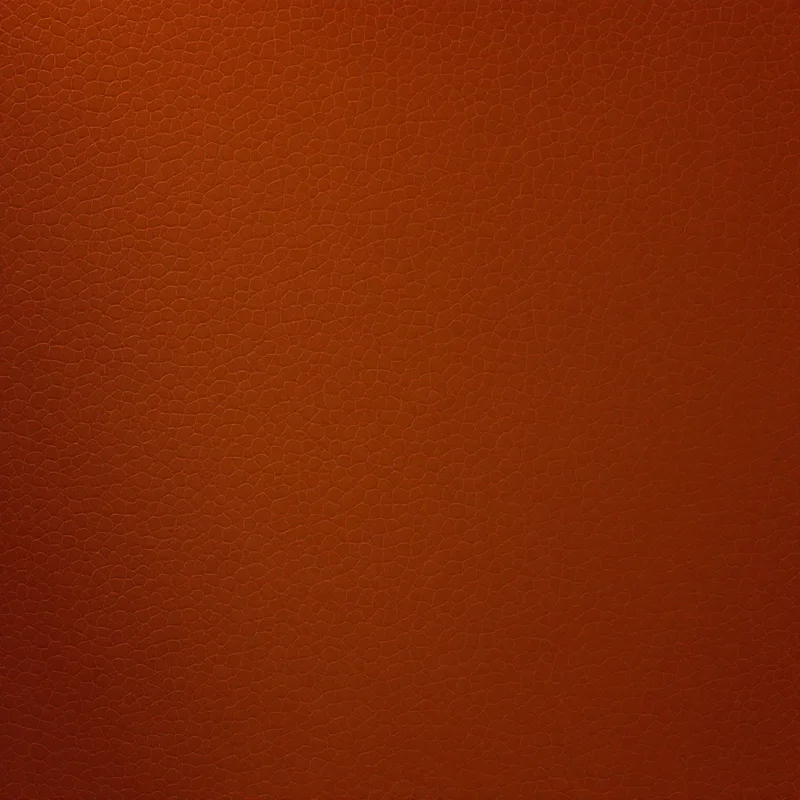
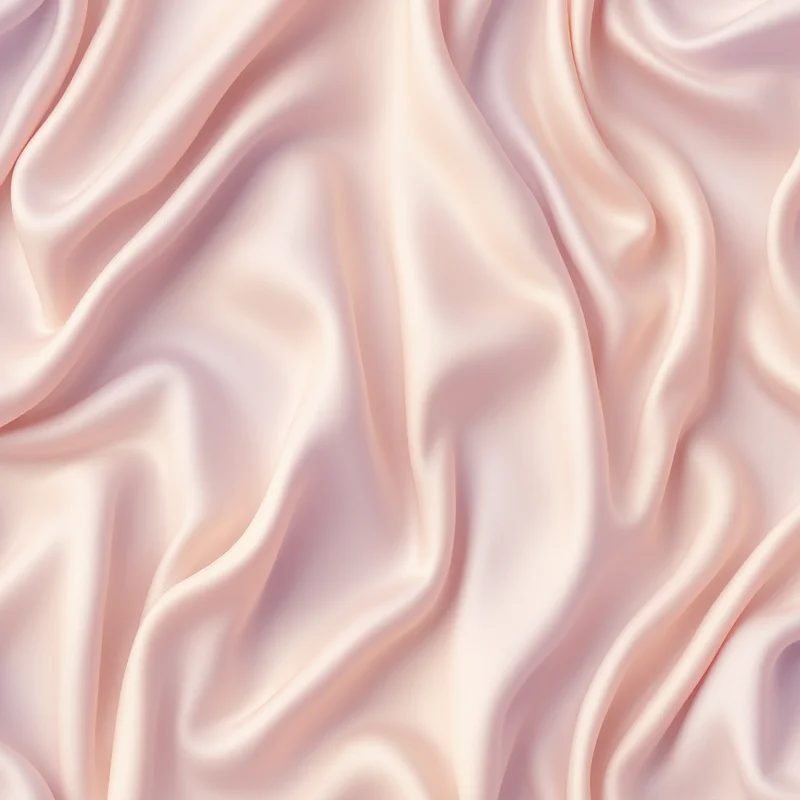
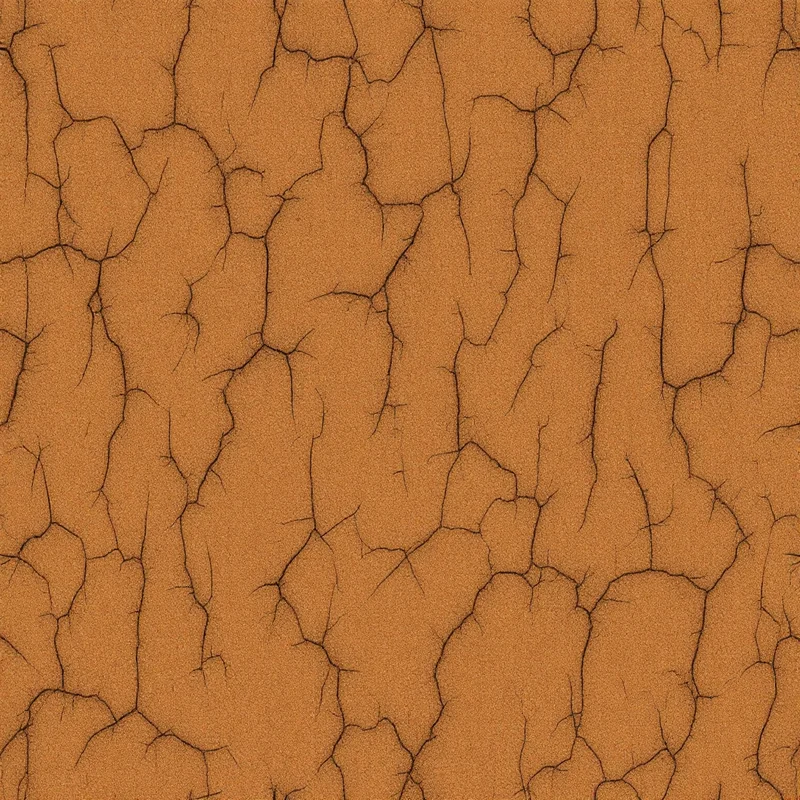
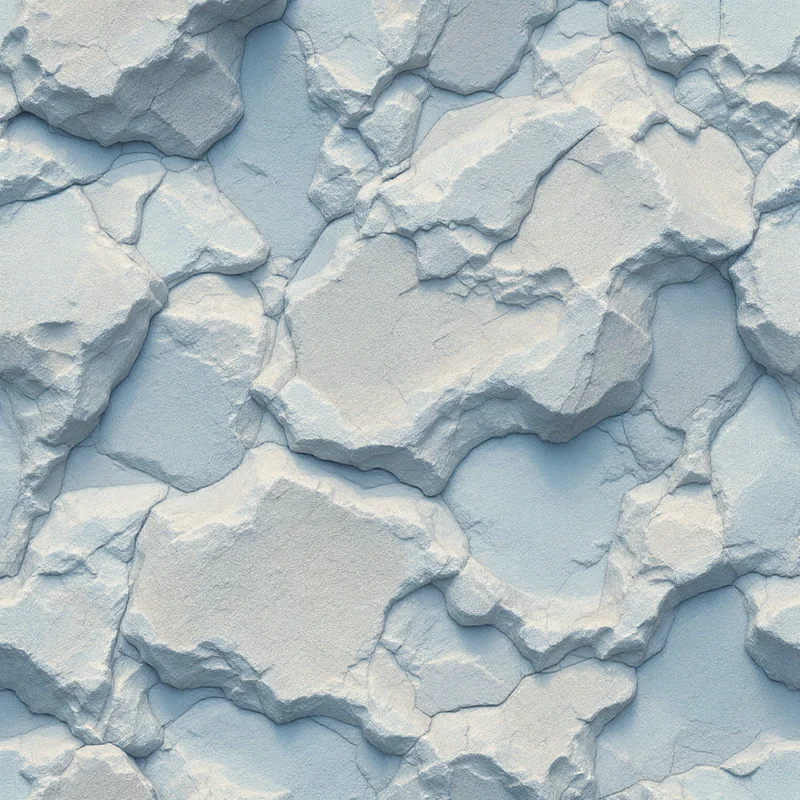
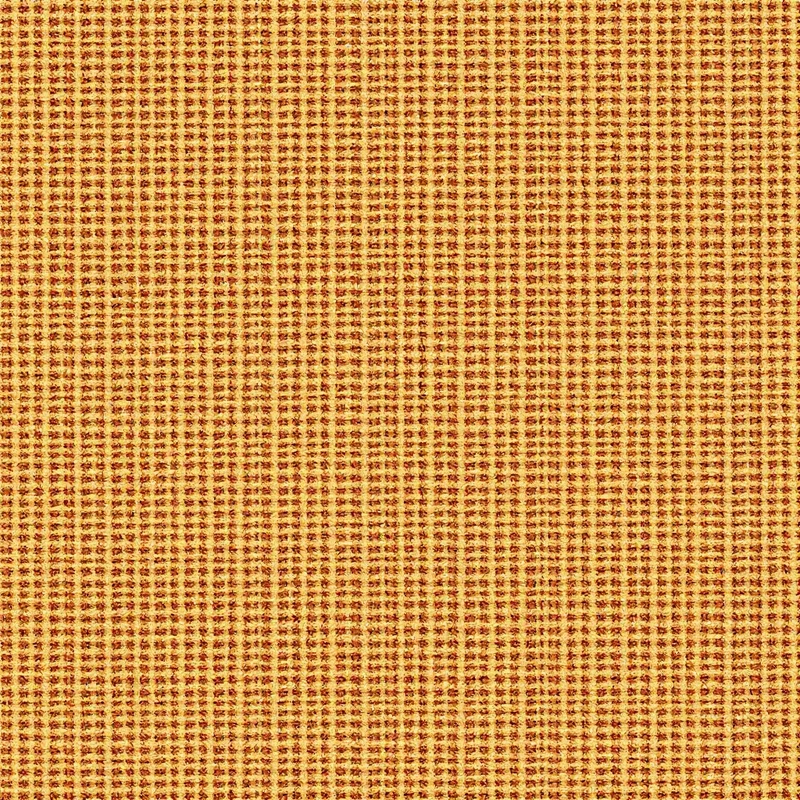
Most rooms suffer from being too smooth. Painted drywall reads as a blank background; a true textured wallpaper turns the wall into a quiet, layered surface that absorbs light differently across the day. You can pick a soft Belgian linen for a bedroom, a warm Venetian plaster for a dining room, a grasscloth or burlap for a study, or a fine sand finish for a hallway. Every option behaves like the real material in photographs — diffusing light, holding shadow, and giving the room visual weight without competing with the furniture.
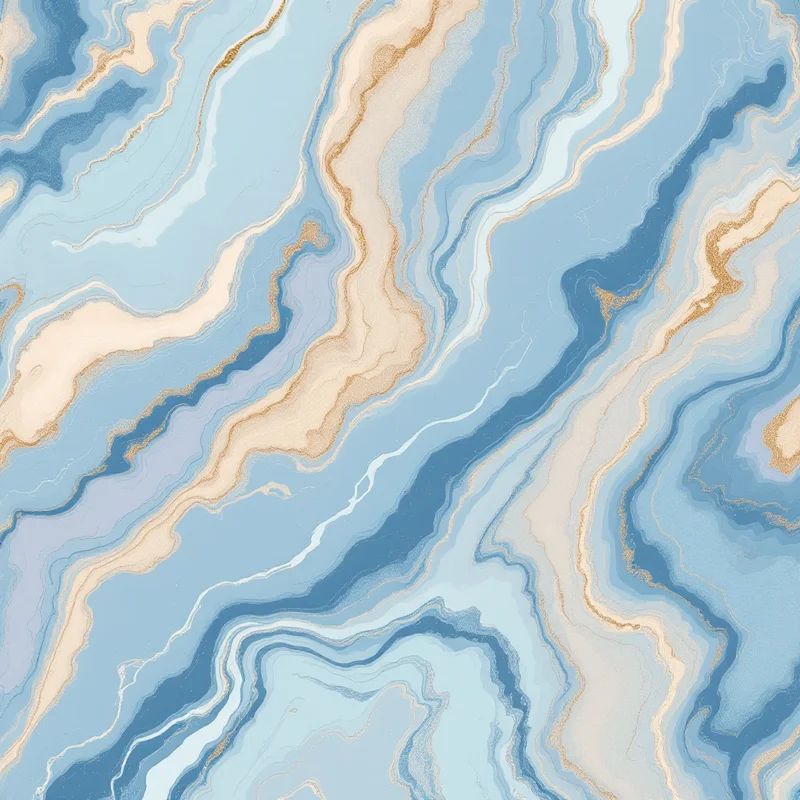
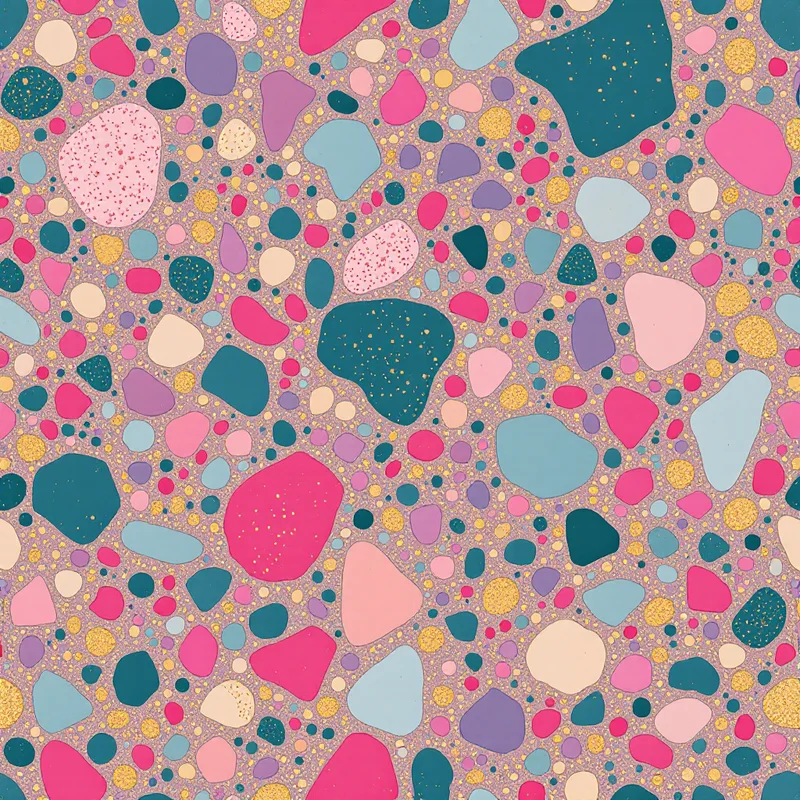
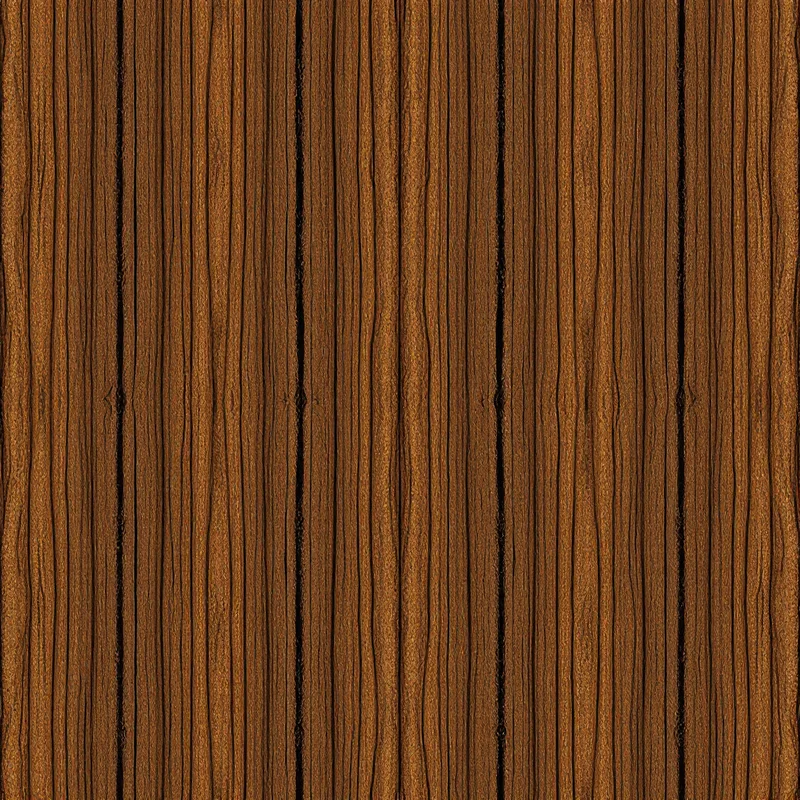
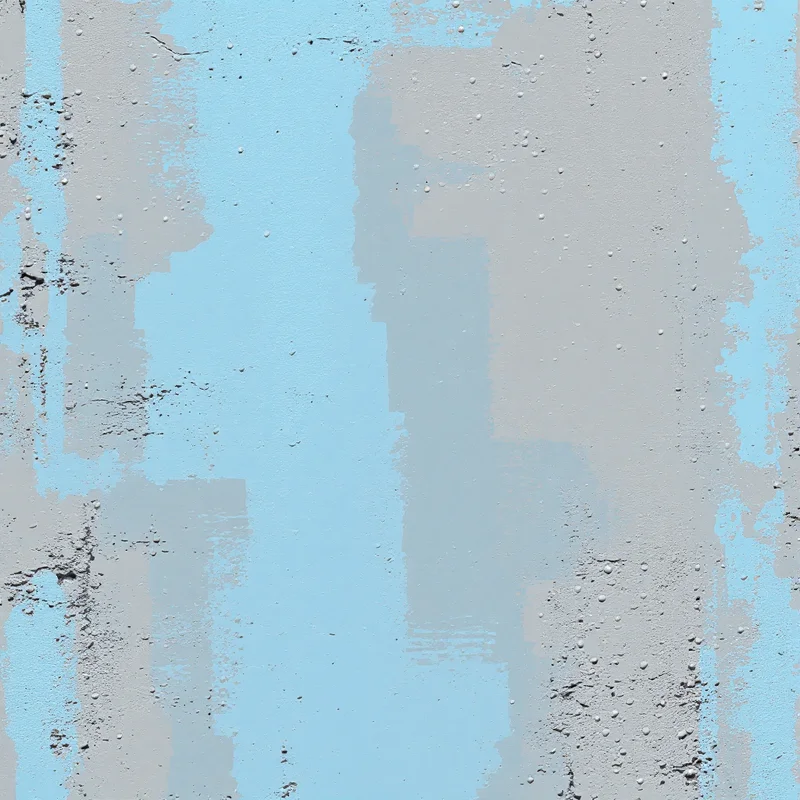
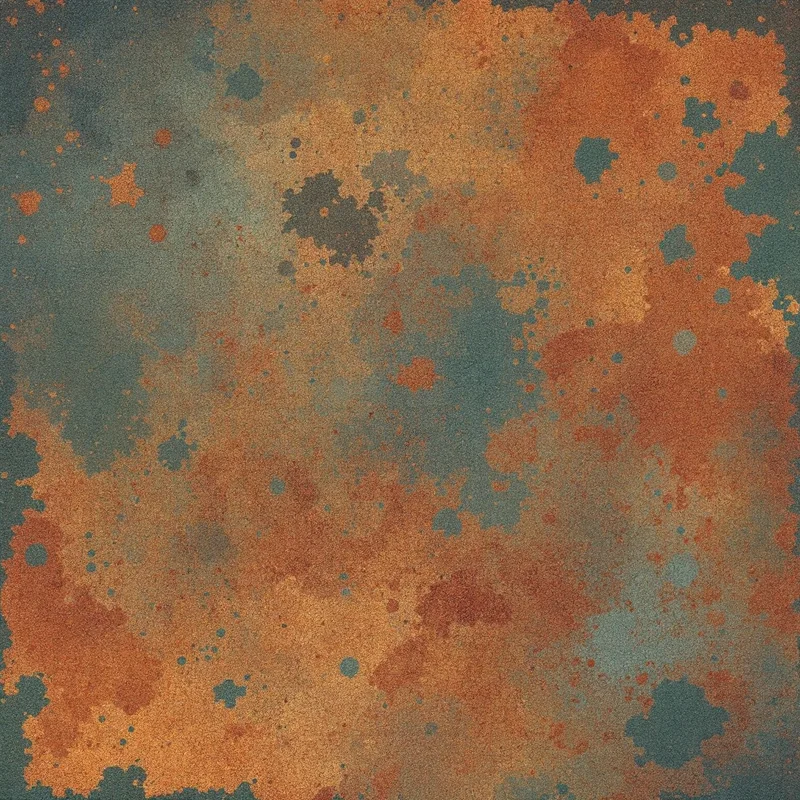
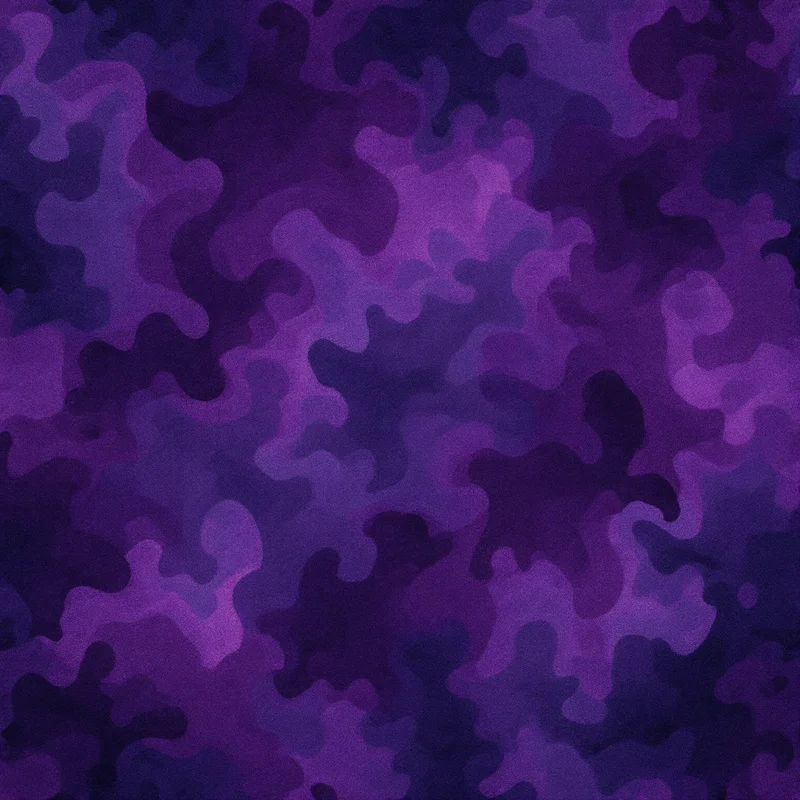
Each textured wallpaper design from Pattern Weaver is generated as a true seamless tile. That means the tile butts up against itself in every direction without a visible join, which is what professional wallpaper printers need. You can export at up to 8K (8192 by 8192 pixels) — more than enough for full-height residential drops and most large-format mural runs. Every export comes without a watermark, with a full commercial license on paid plans, and is yours to download instantly.
Designers using Pattern Weaver for textured wallpaper tend to start with a single texture family — say, linen — and explore palette and scale until the look matches the room. From there it is easy to spin off complementary designs for other walls or for a coordinated furniture print. A common workflow is to generate a quiet textured wallpaper for the main walls, then a slightly more graphic version of the same texture for a feature wall, headboard panel, or pair of accent cushions.
If you are designing for clients, the textured wallpaper output works directly in mood boards, presentation decks, and final production files. TIFF with CMYK and an embedded ICC profile is supported for wallpaper print houses that ask for it, PNG and JPG cover everything else, and PDF is available for client proofing. The seamless tile is reusable across rooms, scales, and substrates — wall, fabric, or cushion — without re-generating from scratch.