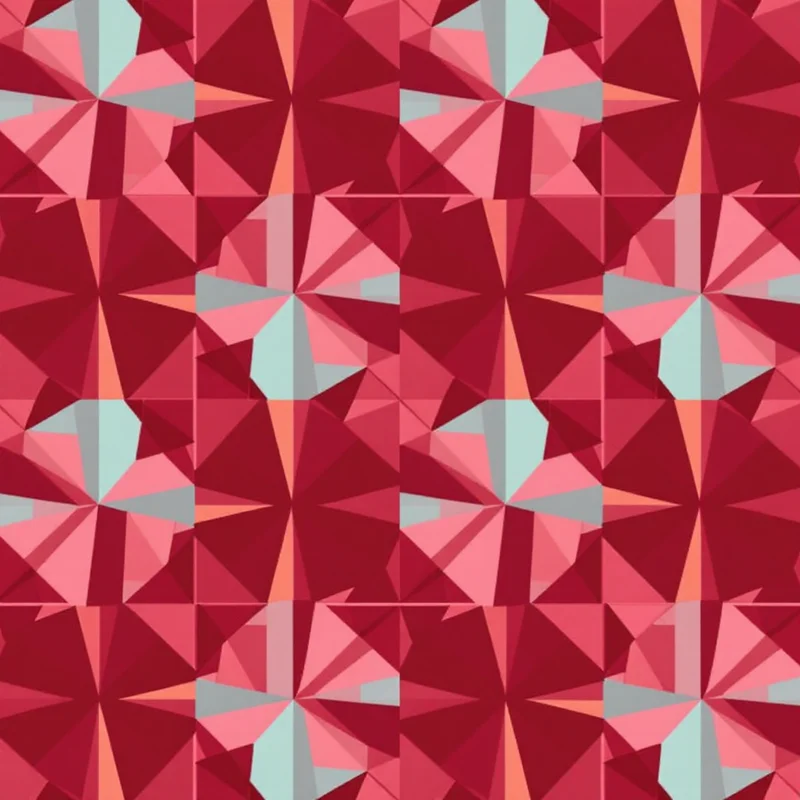
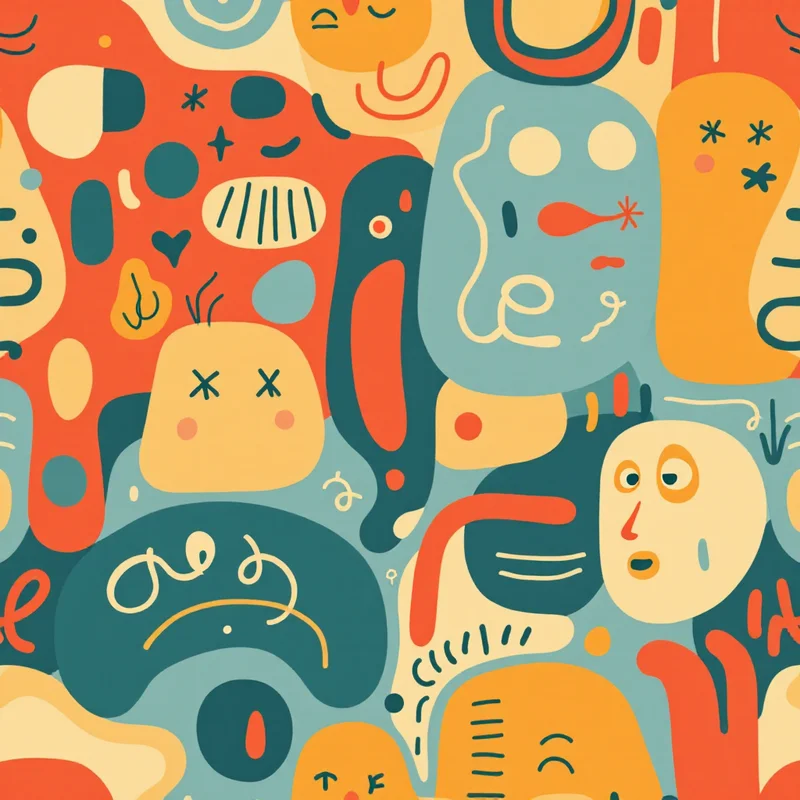
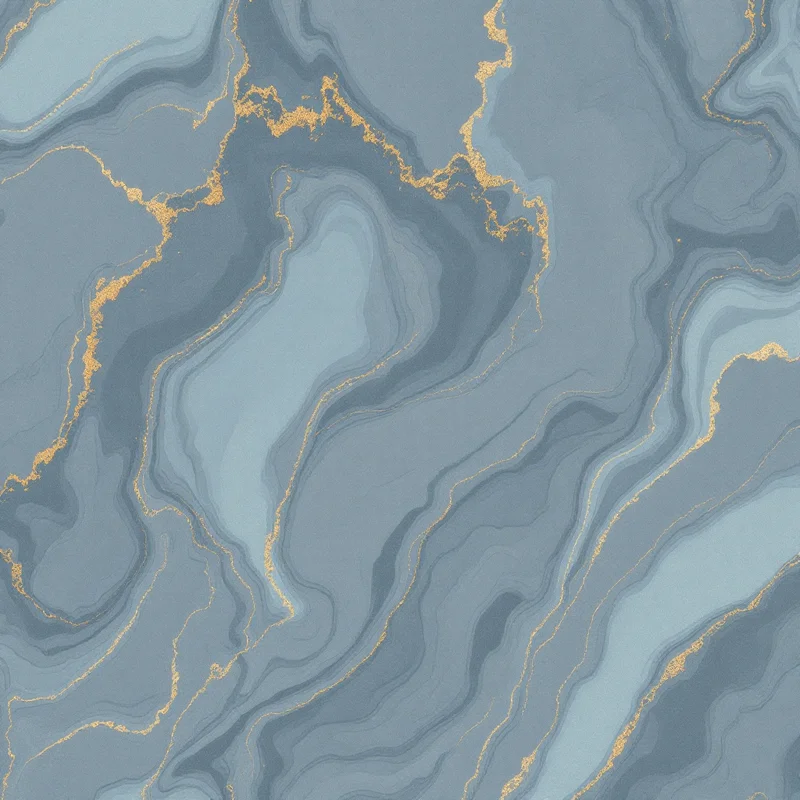
Every year, surface pattern design absorbs influences from fashion runways, interior design fairs, social media aesthetics, and broader cultural shifts. 2026 is proving to be a year of contradictions — maximalism and quiet luxury coexisting, digital nostalgia and handcraft revival happening simultaneously, earthy restraint alongside bold optical effects. Here are the trends shaping pattern design this year, with practical notes on how each one translates to actual design work.
Key takeaway: 2026 pattern design is defined by deliberate tension -- dark academia vs. quiet luxury, maximalist density vs. checkerboard simplicity, earth tones vs. Y2K candy gradients. The winning move is picking a lane and committing to it with strong color discipline.
Dark Academia
Dark academia moved from a TikTok aesthetic to a full-blown design language, and in 2026 it has matured beyond its initial preppy-library origins. The pattern vocabulary includes tartan plaids in burgundy, forest green, and charcoal; herringbone and tweed textures; antique botanical illustrations on dark grounds; and ornate frames borrowed from old book covers.
What makes dark academia work as a surface pattern trend is its color commitment. The palette is narrow — oxblood, aged gold, deep olive, warm black, parchment cream — and every motif sits on a dark or deeply saturated ground. This reversal from the bright-ground patterns that dominated the early 2020s gives the trend its distinctive mood.
For pattern designers, dark academia translates best through textured renders. Woodblock, engraved, or aged-paper rendering styles add the patina that makes these patterns feel authentic rather than costume-like. Pair a botanical illustration motif with a dark ground, an engraved render style, and a muted three-color palette, and you are in the right territory.
Cottagecore Evolution
Cottagecore has not disappeared — it has grown up. The 2026 version drops the performative whimsy and leans into genuine craft heritage. Patterns reference real textile traditions: William Morris-adjacent flora, actual toile compositions with narrative scenes, Liberty-style ditsy florals, and French provincial prints.
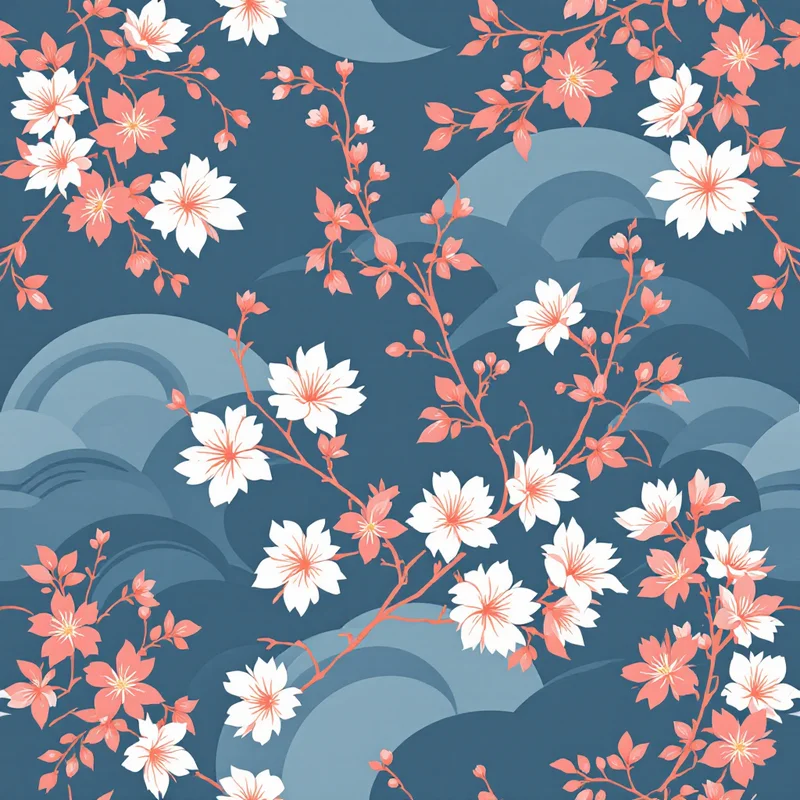
The shift is from "cute countryside" to "specific place and time." Designers are drawing from identifiable traditions rather than a generalized pastoral fantasy. Provencal prints, Scandinavian folk florals, Japanese botanical woodblock aesthetics — each carries a specific visual grammar that educated consumers now recognize and seek out.
Color palettes have warmed and muddied compared to the pastel cottagecore of previous years. Sage green replaces mint. Dusty rose replaces bubblegum pink. Ochre replaces bright yellow. The effect is more sophisticated and more versatile in interiors.
Maximalism Returns
After years of minimalism in interior design, maximalism is staging a confident comeback in surface pattern. Busy, layered, densely packed patterns that would have been called "too much" two years ago are showing up in high-end wallpaper collections, upholstery fabrics, and fashion prints.
The maximalist patterns of 2026 are not random chaos, though. They are carefully composed density — large-scale botanicals with secondary and tertiary motif layers, geometric frameworks filled with detailed ornament, patterns where every square inch contains something to look at. The key is that the complexity is controlled through color cohesion. A maximalist pattern might have 40 distinct elements but only 5 colors, creating visual richness without visual confusion.
For AI pattern generation, maximalism is well-served by dense or heavy density settings paired with complex, layered styles like chinoiserie, Baroque, or Art Nouveau. Let the AI fill the space, then evaluate whether the density serves the design or overwhelms it.
Checkerboard and Checkered Patterns
This is the breakout geometry trend of 2026. Checkerboard patterns — simple alternating squares — have moved far beyond their ska-punk and racing-flag associations. They are appearing in fashion collections at every price point, in interior textiles, in packaging, and in digital design.
The appeal is partly the simplicity. In a design landscape full of AI-generated complexity, the clean binary logic of a checkerboard is refreshing. But designers are also pushing the format: warped checkerboards with perspective distortion, scaled checkerboards where the squares vary in size, color-shifted checkerboards that transition from one palette to another across the tile, and checkerboard grounds overlaid with other motifs.
The trend has legs because checkerboard is so adaptable. A black-and-white checker reads punk. Cream and sage checker reads cottagecore. Gold and navy checker reads preppy. The geometry is neutral; the color does the talking.
Moire Patterns and Optical Effects
Moire — the wavy interference pattern created when two grids overlap at a slight angle — has jumped from being a printing defect to an intentional design element. Fashion and textile designers are embracing the hypnotic, slightly unsettling quality of moire effects in fabric prints, wallpapers, and digital designs.
The broader trend is toward optical effects in general. Patterns that shimmer, vibrate, or create depth illusions through line work and geometry. Op art is a reference point, but the 2026 interpretation is softer and more organic than the hard-edge optical art of the 1960s. Think wavy line grids that create depth, concentric shapes that pulse, and subtle gradient effects achieved through line density rather than color gradation.
In pattern generation, line-based render styles and geometric structures with fine detail produce moire-adjacent effects. Striped patterns at medium-to-high density can create natural interference patterns when tiled, especially at certain viewing distances.
Cross Stitch Revival
Faux cross stitch — patterns that look like counted cross stitch embroidery — is trending across home textiles and stationery. The pixel-art quality of cross stitch taps into both nostalgia (grandma's samplers) and digital culture (8-bit video game aesthetics). It bridges generations in a way few other pattern styles manage.
The 2026 version leans into both directions simultaneously. Some designers are going full folk-art, with traditional sampler motifs (alphabets, houses, birds, borders) rendered in muted heritage colors. Others are pushing into contemporary territory — pop culture references, modern typography, and ironic phrases charted on pixel grids.
For AI generation, pixel-art render mode with geometric structure and cultural substyles produces convincing cross-stitch-style output. The key is keeping the color count low and the motif scale large enough for individual "stitches" to read clearly.
Sustainable and Earth Tone Palettes
The sustainability movement continues to shape color choices in surface design. Earth tones — terracotta, sand, olive, slate, raw umber, clay — dominate color forecasting for 2026, reflecting both environmental awareness and a broader shift toward grounded, natural-feeling interiors.
But "earth tones" in 2026 is more nuanced than brown-and-green. The palette includes mineral tones (slate blue, iron oxide red, limestone gray), clay tones (terracotta, adobe, sienna), and botanical greens that lean warm rather than cool. The connecting thread is that every color feels like it could come from a natural material rather than a chemical lab.
These palettes work across almost every pattern style — botanicals in earth tones feel herbalist and grounded, geometrics feel artisanal and handcrafted, abstracts feel organic and calm. The limited saturation makes them forgiving in interiors and versatile in fashion.
Y2K Nostalgia
The early-2000s revival continues to influence pattern design, though it is settling into a more refined version of itself. The initial wave of Y2K nostalgia was loud — holographic everything, butterfly motifs, extreme bubble lettering. The 2026 version is more selective, pulling the best elements of turn-of-millennium design: chrome and metallic effects, rounded retro-futurist shapes, candy-colored gradients, and that specific optimistic techno-utopianism that defined the era.
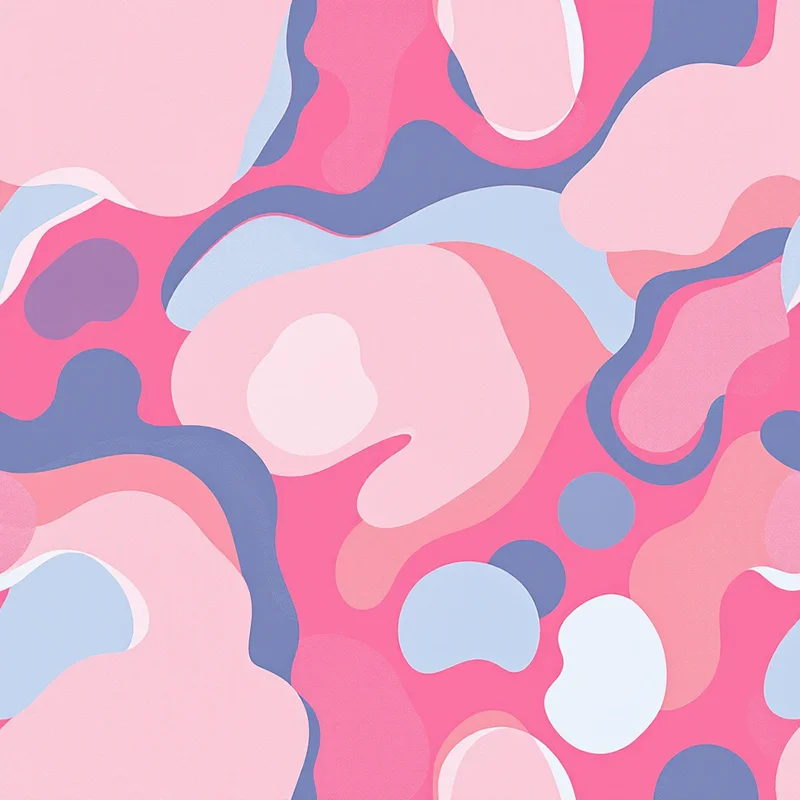
In surface pattern terms, Y2K translates to high-gloss or metallic render treatments, rounded geometric shapes (blobs, bubbles, soft rectangles), bright but slightly desaturated color palettes (think faded Polaroid of a Lisa Frank folder), and motifs that reference both technology and nature in a deliberately naive way.
Quiet Luxury
At the opposite end from maximalism, quiet luxury remains a powerful force in premium surface design. This is the Loro Piana / The Row aesthetic — patterns so subtle they barely register as patterns. Tone-on-tone geometrics. Micro-scale textures that read as solid color from a distance. Woven-look surfaces. Barely-there stripes. Linen and cashmere textures as pattern elements.
The commercial reality is that quiet luxury patterns are enormously popular in high-end interior design (wallcoverings, upholstery for luxury hotels and residences) and in premium fashion. They are also among the hardest patterns to generate with AI because the subtlety requires very fine control over density, contrast, and render texture.
For this trend, sparse density, neutral two-to-three color palettes, and texture-forward render styles (linen, woven, embossed) produce the best results. The pattern should be something you feel more than see.
Using These Trends
Trends are useful as starting points, not destinations. The most successful pattern designers use trend awareness to inform their work without being dictated by it. If dark academia resonates with your aesthetic, explore it — but bring your own perspective to the color palette or motif selection. If checkerboard is trending, consider what makes your version different from the hundreds of other checkerboard patterns hitting the market.
AI pattern generators make trend exploration fast and low-cost. You can generate a dozen variations on any of these themes in minutes, evaluate which directions have potential, and develop the strongest ideas further. The trend gives you the territory; your creative judgment determines what you build there.
Explore related pattern styles