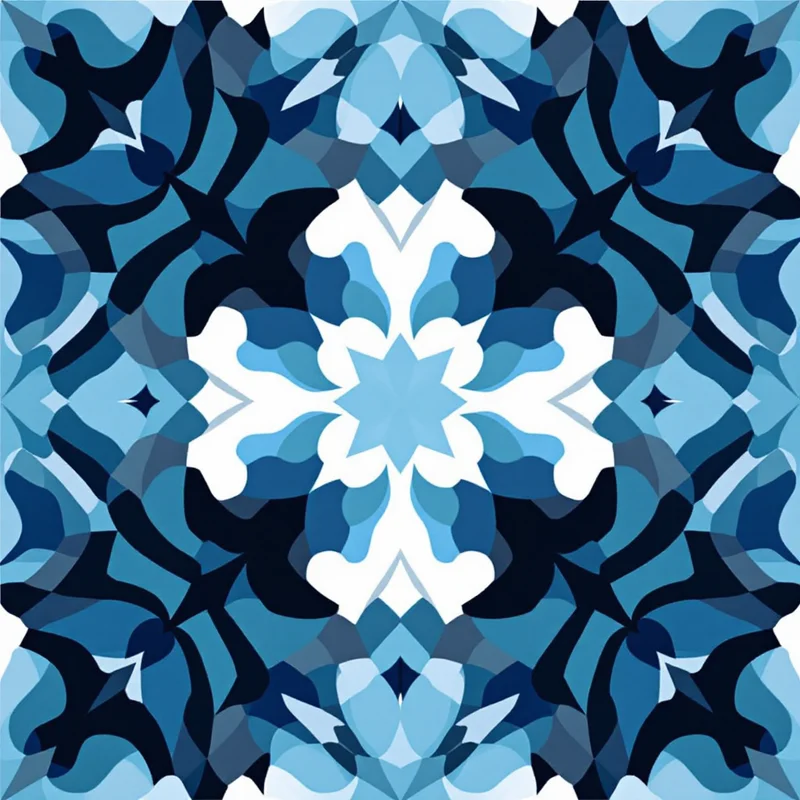
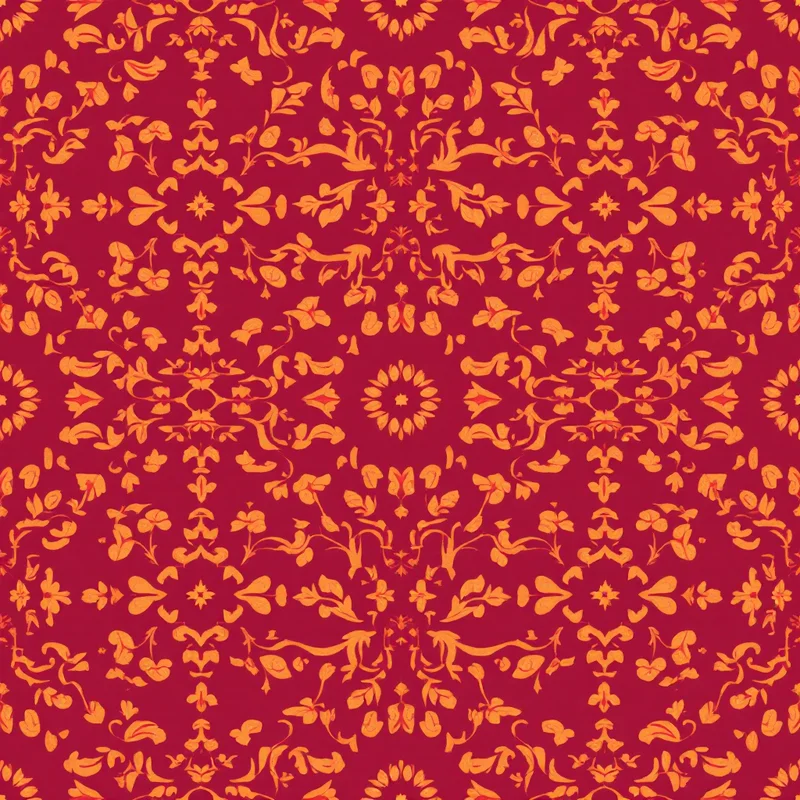
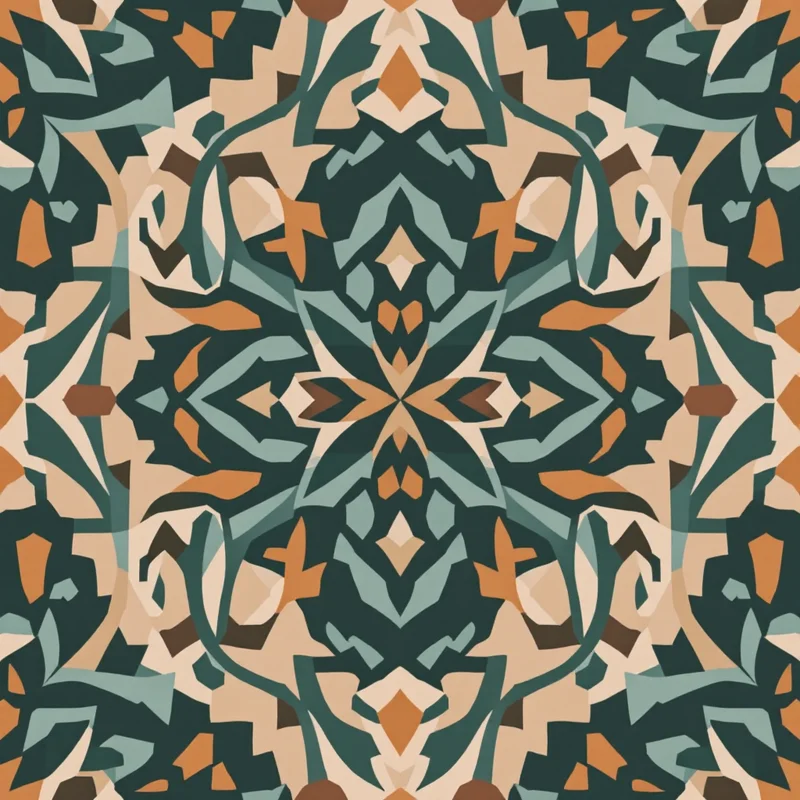
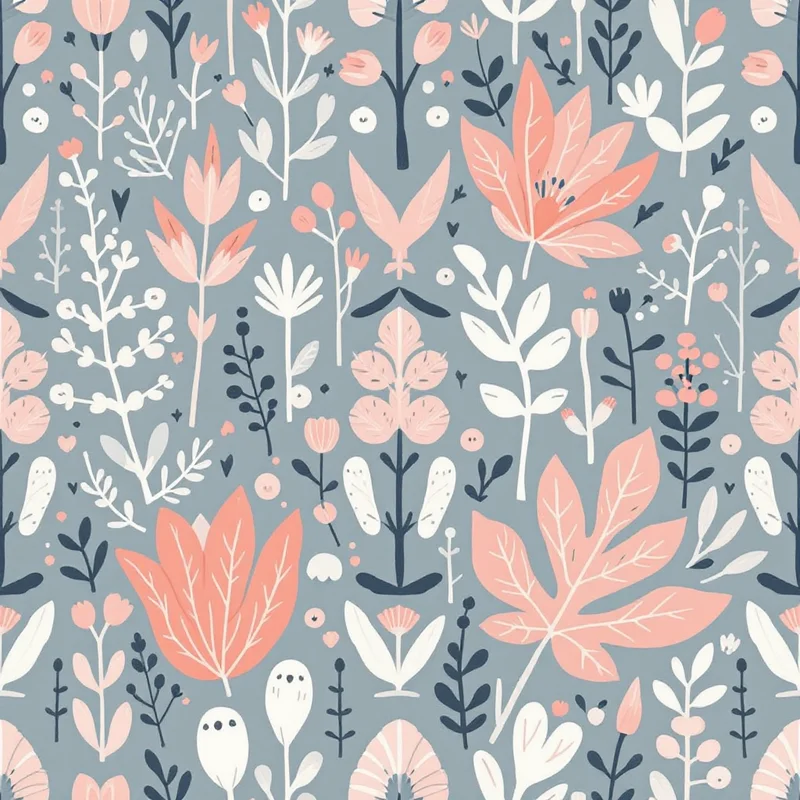
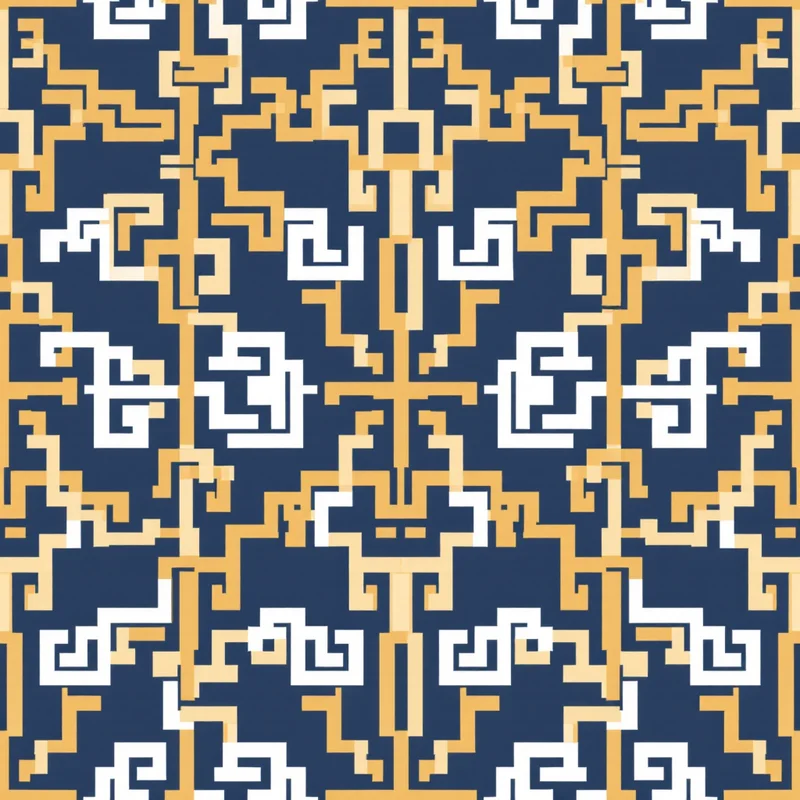
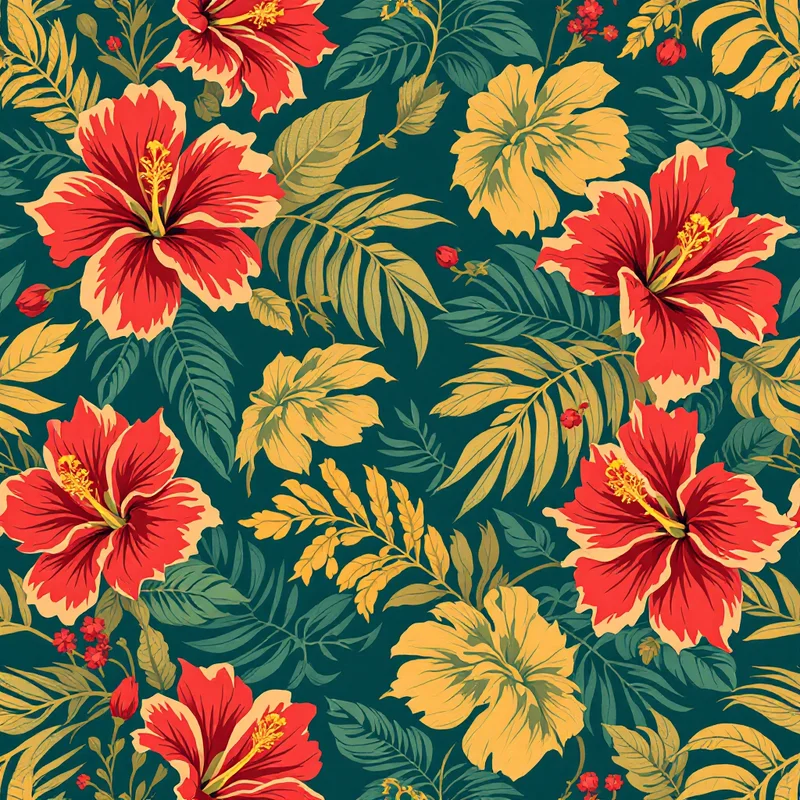
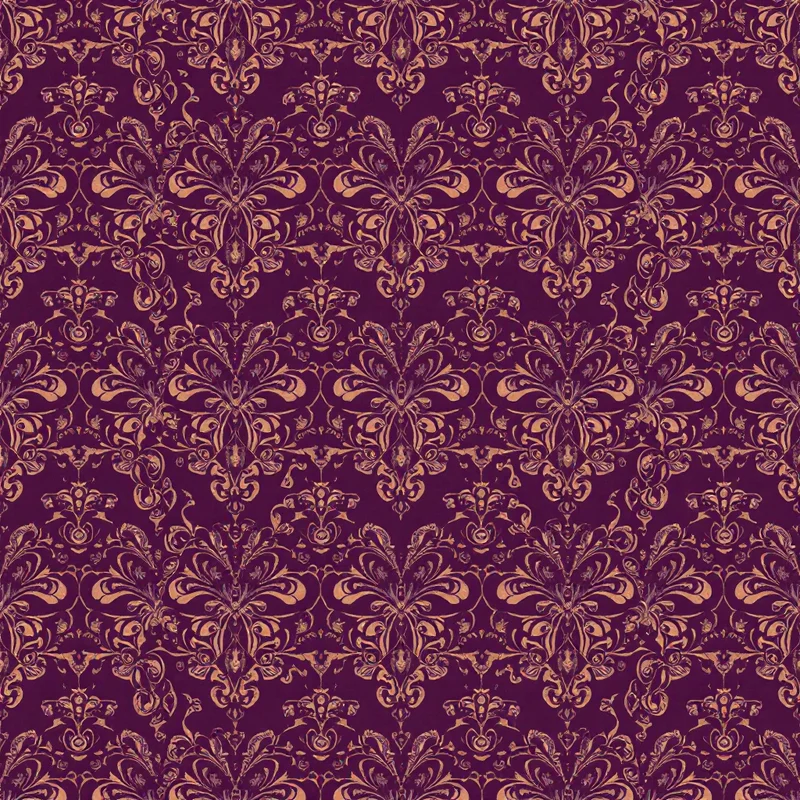
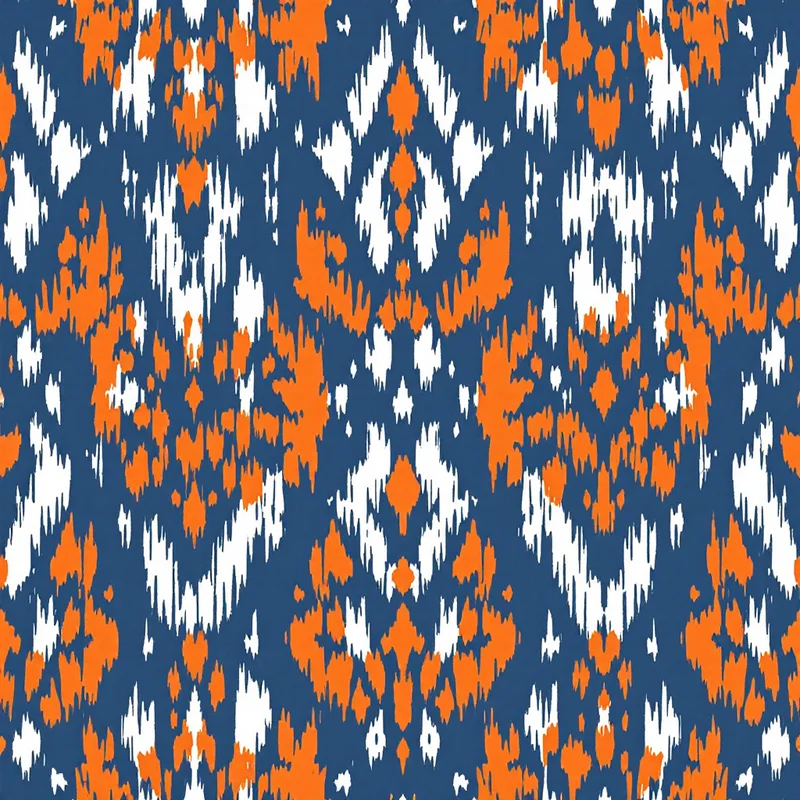
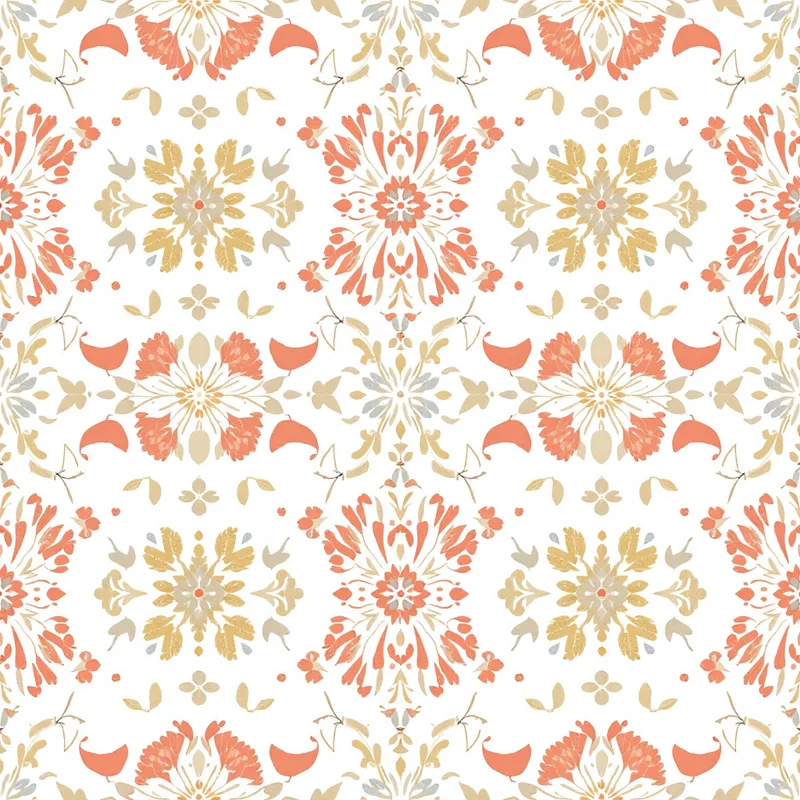
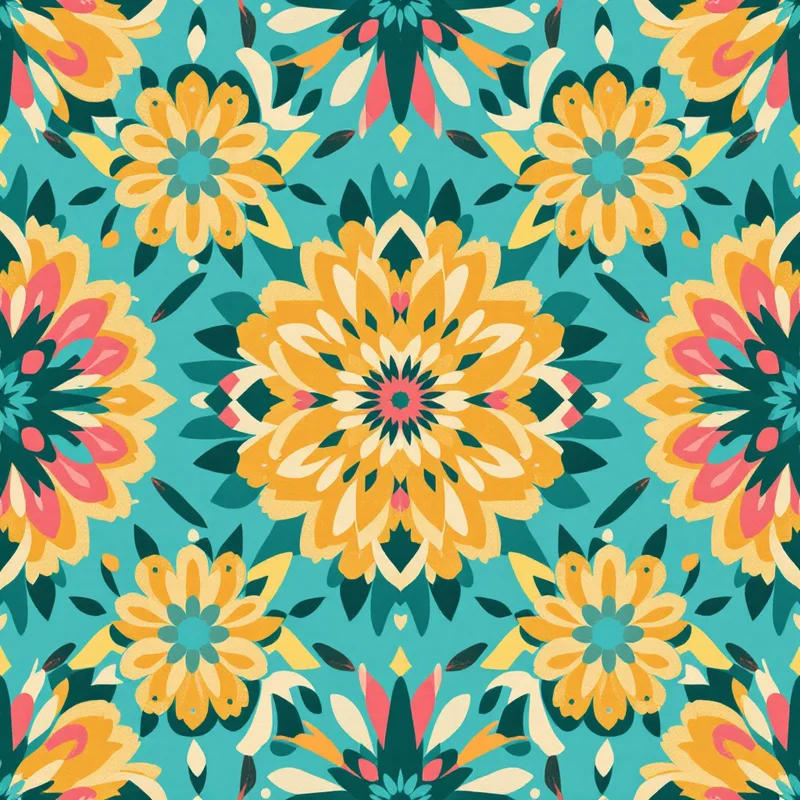
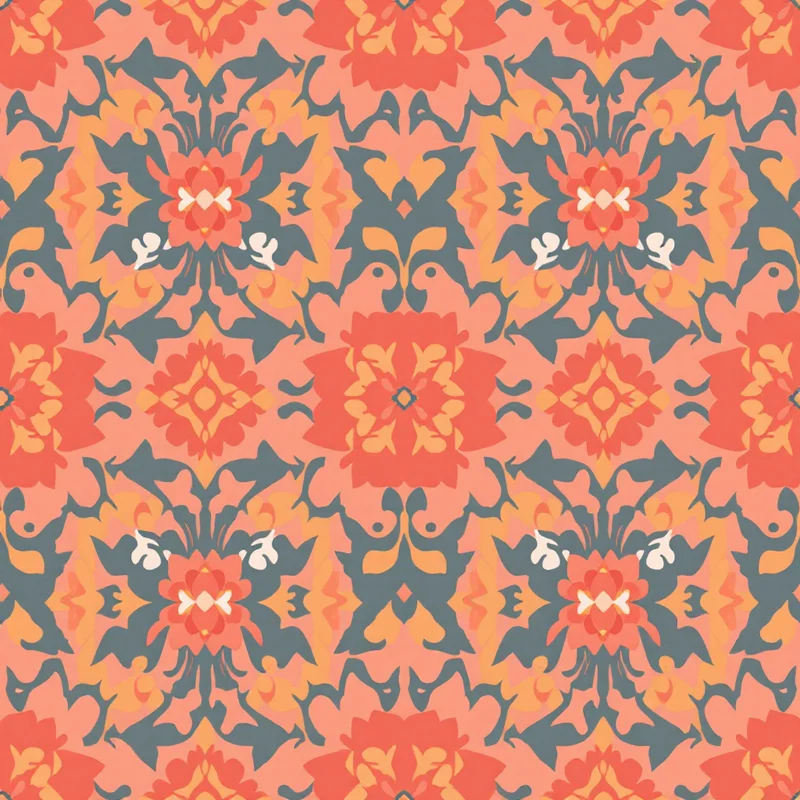
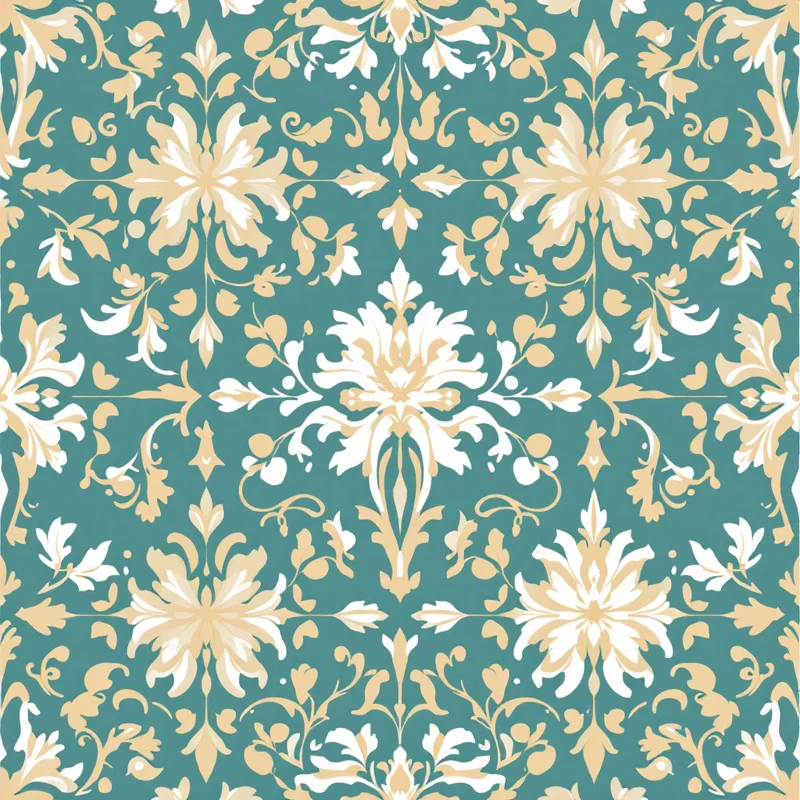
Crisp, deliberate lines from a fine-tipped pen, controlled hatching that builds form and shadow, and the clean precision of ink on smooth paper. Your pen and ink patterns carry the refined quality of technical illustration and editorial drawing — every line placed with intention, every hatched area carefully controlled, and the kind of meticulous craftsmanship that distinguishes professional illustration from casual sketching. Pattern Weaver's pen and ink renderer captures the precise, controlled character of fine nib work.
Where the broader ink rendering style embraces expressiveness and gestural mark-making, pen and ink is more deliberate and controlled. Lines are consistent in weight, hatching follows disciplined parallel and crosshatch patterns, and the overall impression is one of careful, considered draftsmanship. This precision makes pen and ink patterns especially well-suited for applications where technical skill and attention to detail need to be communicated visually.
In fashion, pen and ink patterns deliver a sophisticated, editorial quality that works across multiple market segments. Pen and ink botanicals on a cotton shirt feel like botanical garden illustrations. Detailed pen-drawn animals on accessories feel naturalist and refined. The style is particularly effective for menswear, where clean, controlled line work reads as polished and deliberate rather than decorative. Ties, pocket squares, shirt prints, and lined jacket interiors with pen and ink patterns communicate quiet confidence.
For publishing and editorial design, pen and ink is the definitive illustration style. Book covers, chapter headers, magazine illustrations, endpaper designs, and literary journal covers all draw on the tradition of fine pen illustration. If you design for the publishing industry, this rendering style gives you visual language that editors, art directors, and readers immediately associate with quality writing and considered design.
Scientific and botanical illustration markets value pen and ink above almost any other rendering style. Field guides, botanical prints, anatomical illustrations, and natural history poster series all rely on the precise, detailed line work that pen and ink delivers. These products sell exceptionally well as art prints, and the educational and decorative crossover creates a broad customer base — from biology students to interior design enthusiasts.
Packaging for premium and artisanal products benefits from pen and ink's association with craftsmanship and expertise. Gin labels, craft chocolate bars, specialty coffee bags, and artisan soap packaging all use fine pen illustration to communicate that the product was made with skill and knowledge. A pen-and-ink-rendered botanical pattern on a tea box tells the customer that someone who understands the ingredients also designed the packaging.
You control line weight, hatching density, and the balance between stippled and hatched areas. Go fine and delicate with lightweight lines and sparse hatching for an airy, elegant feel. Or go dense with tight crosshatching and detailed stipple work for maximum tonal depth. The pen and ink renderer excels with botanicals, animals, architectural motifs, ornamental designs, and scientific subjects — any category where precise, controlled line work adds authority and visual interest.
Export at up to 8K resolution for full line detail at any scale. Pen and ink patterns hold their precision from phone cases to large-format prints. Every tile repeats seamlessly while maintaining the meticulous, illustrative quality that makes pen and ink one of the most respected and commercially versatile rendering styles in surface design.