A wallpaper mural transforms a wall from a background surface into the dominant visual element of a room. Unlike traditional repeating wallpaper, where a small tile covers the wall in an even pattern, a mural uses the entire wall as a canvas. The scale shifts everything: motifs that would look modest at 6 inches across become dramatic at 6 feet. Colors that feel subtle in a small repeat become immersive when they fill your peripheral vision. The wall stops being a surface and starts being an experience.
TL;DR: Design mural-scale patterns for the actual viewing distance of the wall -- bold shapes and strong color contrasts for across-the-room walls, finer detail for behind-the-headboard installations -- and always plan around furniture placement before committing to a design.
The mural wallpaper market has expanded significantly with digital printing technology. Custom murals that once required hand-painting or expensive bespoke production can now be printed on demand from digital files, making large-scale wall design accessible to homeowners, interior designers, and commercial spaces alike.
Why Feature Walls Work
A feature wall -- a single wall treated differently from the other three -- works because it creates a focal point without overwhelming the room. The eye needs somewhere to land, and a mural wall provides that anchor. The remaining walls, typically painted in a complementary solid color, frame the mural and give the room visual relief.
Feature walls work best on the wall you face when entering the room, behind a bed headboard, behind a sofa in a living room, or as the backdrop to a dining area. These are surfaces where the eye naturally rests, and where a large-scale pattern has room to breathe without being interrupted by furniture, doors, or windows.
Mural Pattern Categories
Oversized Botanicals
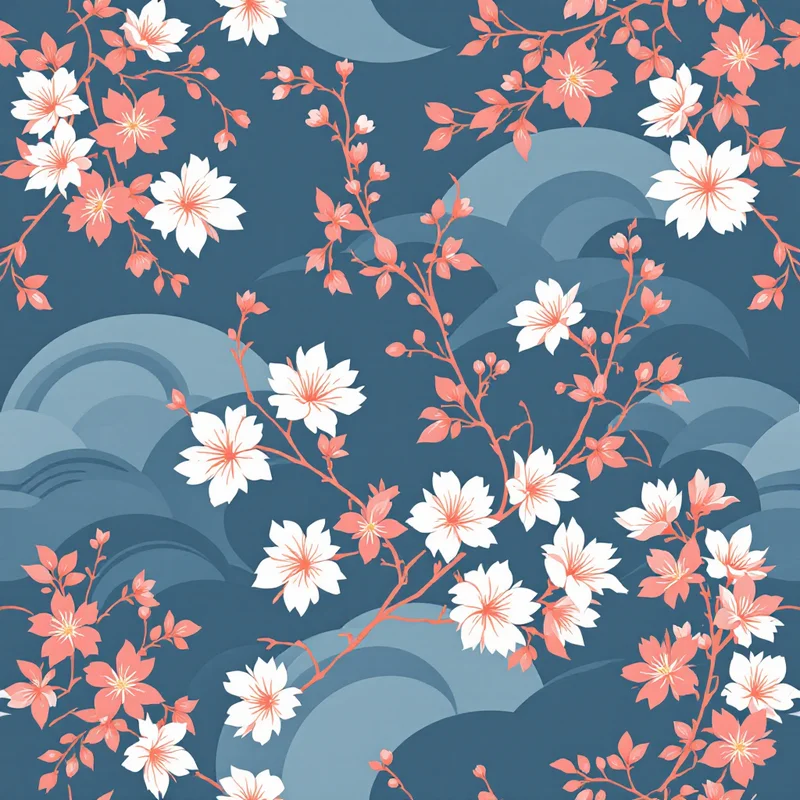
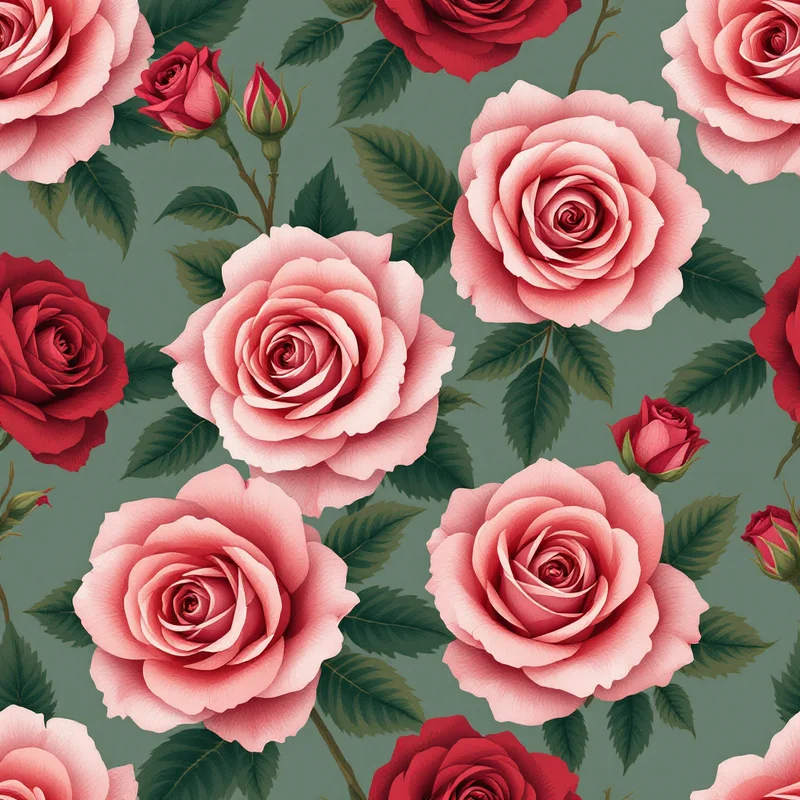
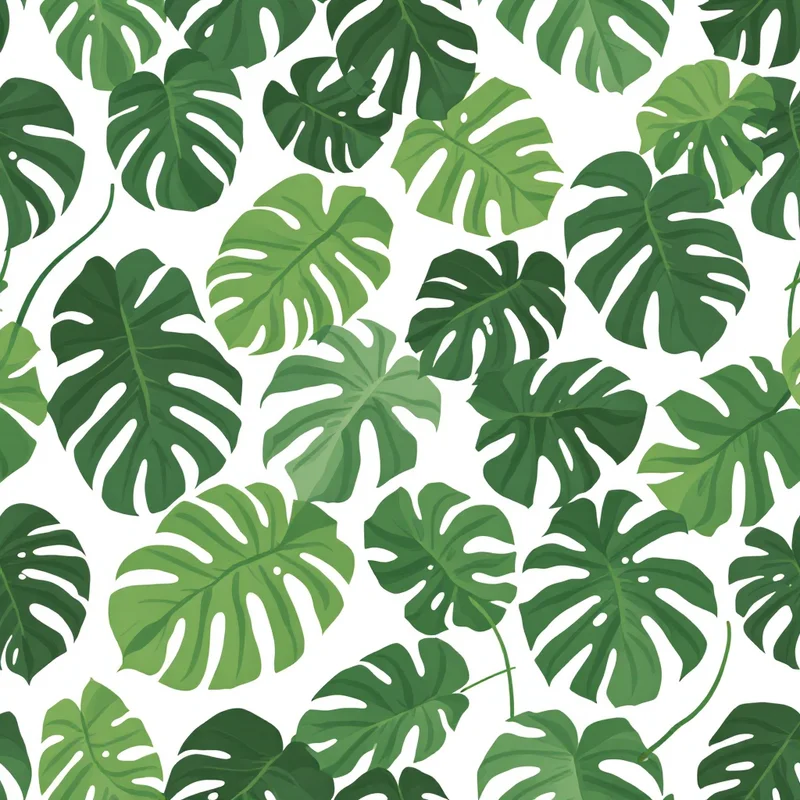
Large-scale botanical patterns are among the most popular mural subjects, and for good reason. A wall of monstera leaves, palm fronds, or magnolia branches at life-size or larger-than-life scale creates an immersive, almost jungle-like atmosphere. The organic curves and natural color palettes of botanical motifs soften interior spaces and work in bedrooms, living rooms, restaurants, and hotel lobbies.
The key to a strong botanical mural is scale relationship. The leaves or flowers should be large enough that the wall shows only a section of the overall composition -- as if the viewer is standing inside the foliage rather than looking at it from a distance. A monstera leaf that spans three feet across creates presence. The same leaf at eight inches feels like repeating wallpaper, not a mural.
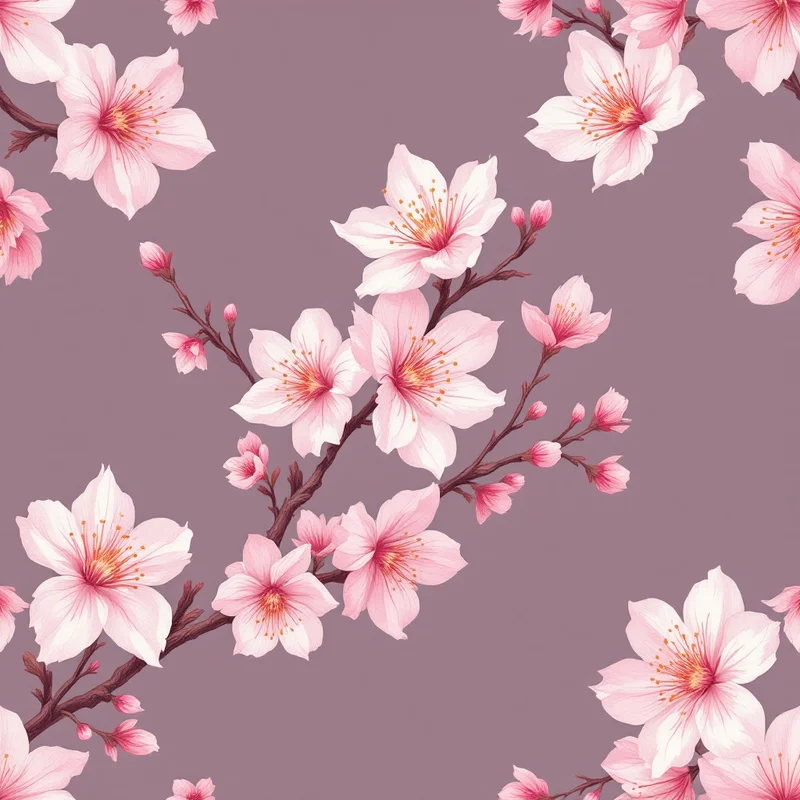
Color approach matters too. Deep greens on a dark background create moody, dramatic spaces. Bright greens on white feel fresh and contemporary. Muted sage and dusty rose botanicals work for softer, more subdued interiors. Monochromatic botanicals in a single color family (all blues, all grays) are sophisticated and easier to coordinate with existing furniture.
Tropical and Jungle Scenes
Taking botanicals further, tropical murals combine foliage with birds, butterflies, or water elements to create scene-based compositions. The classic tropical mural features layered palm fronds, exotic flowers, and perhaps a parrot or toucan, rendered in saturated greens, pinks, and yellows.
Modern interpretations dial back the saturation for more livable installations. A tropical scene in muted earth tones -- burnt orange, olive green, warm brown -- brings the lush composition without the visual intensity. Dark-background tropical murals (black or deep navy behind the foliage) create a luxurious, nighttime jungle effect that works in bars, restaurants, and dramatic bedroom installations.
Abstract and Gradient Murals
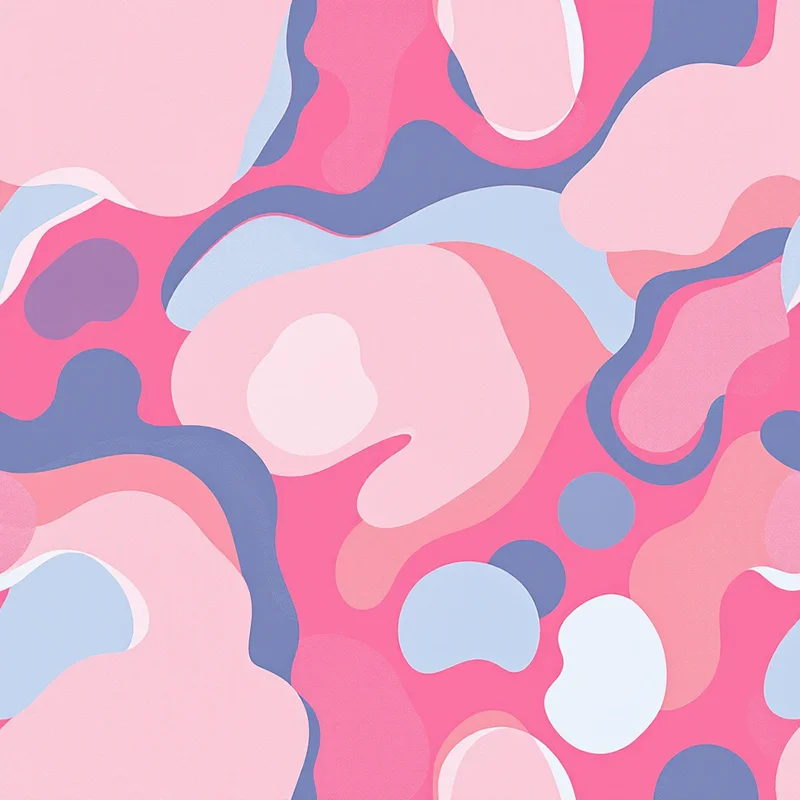
Abstract murals use color, shape, and texture without representational imagery. A gradient wash that shifts from deep blue at the floor to pale sky at the ceiling creates a sense of atmospheric depth. Fluid art patterns -- swirling marble effects, ink-in-water compositions -- add organic movement to the wall.
Geometric abstracts take a different approach: oversized shapes, arcs, circles, and angular compositions in bold color blocks. These murals work in modern and minimalist interiors where a botanical might feel incongruous. A wall of overlapping circles in earth tones, or a composition of bold arcs in primary colors, makes a strong design statement without introducing natural imagery.
The advantage of abstract murals is their flexibility. Without recognizable motifs, they coordinate with a wide range of furniture styles and do not impose a thematic direction on the room. They add visual interest and color without narrative content.
Geometric Statement Walls
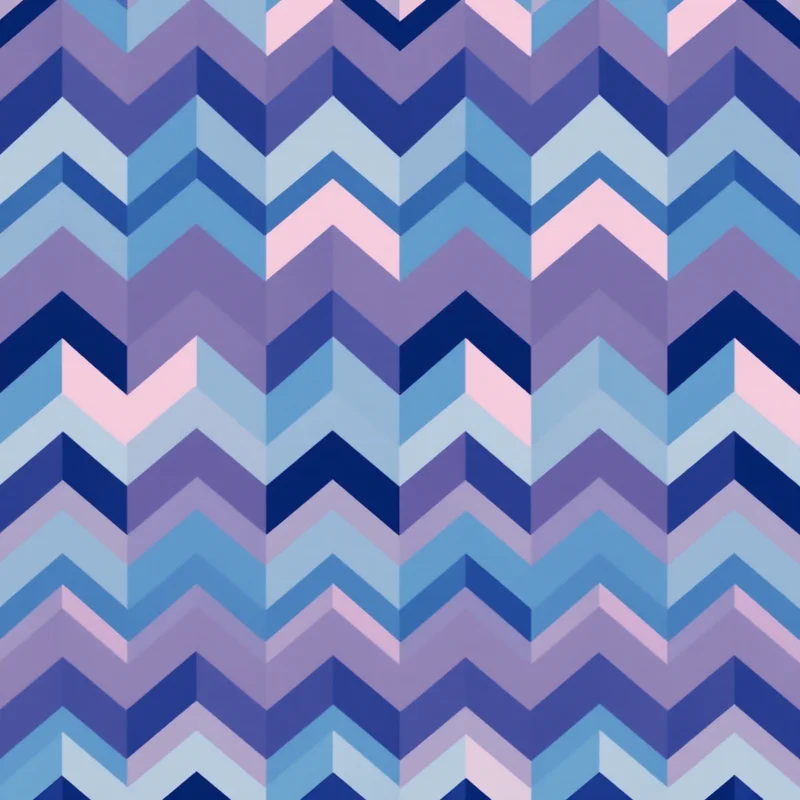
Geometric murals use mathematical precision as their design language. Large-scale tessellations, oversized chevrons, bold stripes, or three-dimensional geometric illusions (like op-art cubes or impossible stairs) create walls that feel architectural and intentional.
Art deco geometric murals -- fans, sunbursts, and stepped forms in gold and dark colors -- bring 1920s glamour to dining rooms and hotels. Mid-century geometric murals -- organic shapes, boomerangs, and atomic-age forms -- work in retro-styled interiors. Clean, minimal geometric compositions -- a few bold shapes in muted tones -- suit contemporary spaces.
Nature Scenes and Landscapes
Photographic or painterly landscape murals bring the outdoors inside. Mountain ranges, forest canopies, ocean horizons, and misty valleys create depth and tranquility. These murals work particularly well in rooms without significant windows, where the wall becomes a substitute view.
For pattern designers, the relevant approach is not photographic replication but stylized interpretation. A mountain range rendered as layered color gradients, a forest as repeating geometric tree forms, or an ocean as abstract wave patterns brings landscape energy into the room while remaining clearly designed rather than photographed.
Textured and Material-Inspired Murals
Murals that replicate material textures -- exposed brick, raw concrete, weathered wood planks, aged plaster, marble veining -- add depth and character without the cost or structural implications of actual material installation. A concrete-textured mural in a modern loft, or a reclaimed-wood mural in a farmhouse kitchen, creates the visual impression of the material while maintaining the smooth, easy-to-clean surface of wallpaper.
These murals work as backgrounds for rooms where the furniture and objects are the visual focus. They add warmth and texture without competing with art, shelving, or other wall-mounted elements.
Design Considerations for Mural-Scale Patterns
Scale and Viewing Distance
A mural viewed from across a room (10 to 15 feet) needs larger motifs and bolder color contrasts than a pattern viewed up close. Fine detail that looks stunning on a laptop screen disappears at room-viewing distance. Design for the actual viewing distance of the wall: broad shapes, strong color blocks, and clear silhouettes.
Conversely, a mural behind a headboard (viewed from 2 to 3 feet when lying in bed) can afford more detail and subtlety. Consider how and where people will actually look at the wall.
Color and Light Interaction
The wall's color appearance changes dramatically with lighting. North-facing walls receive cool, blue-toned light that shifts warm colors toward gray. South-facing walls get warm light that enriches yellows and oranges but can make blues feel greenish. Artificial lighting (warm LED vs. cool LED vs. incandescent) further shifts color perception.
If possible, evaluate your color choices by looking at samples on the actual wall under the room's typical lighting conditions -- morning, afternoon, and evening. What looks perfect under neutral daylight may feel wrong under warm evening lighting.
Repeat vs. Non-Repeat
Some murals are designed as a single large image that spans the entire wall -- these are non-repeating compositions custom-sized to the wall dimensions. Others use a very large repeat tile (perhaps 4 to 8 feet wide) that tiles across the wall, maintaining some repetition but at a scale where the repeat is not immediately obvious.
Seamless repeat patterns work well for mural applications when the tile is large enough that the repetition is not visually distracting. At mural scale, a repeat that would be obvious at 12 inches becomes nearly invisible at 48 inches. AI-generated seamless tiles from the studio can be scaled up for this purpose, providing a repeating composition that covers walls of any width without visible breaks.
Furniture Placement
Before committing to a mural design, plan where furniture will sit against the wall. A beautiful focal motif loses its impact if a bookshelf covers it. Conversely, a busy pattern behind a busy furniture arrangement creates visual chaos. The best mural designs account for the furniture layout -- placing the strongest visual elements above furniture height or in areas that remain visible.
Creating Your Own Mural Patterns
The workflow for creating mural-scale patterns starts with generating a base design at the aesthetic direction you want. Explore botanical, abstract, geometric, and nature-inspired patterns in the studio to find compositions that resonate with your space. A seamless pattern tile can be scaled up and tiled across a wall-sized template.
For production, work with a wallpaper printing service that accepts custom digital files. Most services require a specific file format (typically PNG or TIFF), a minimum resolution (150 DPI at print size), and accurate wall dimensions. Many offer peel-and-stick options for easy installation and removal, which is ideal for renters and commercial spaces that refresh their interiors regularly.
The gap between imagining a wall and seeing it transformed has never been smaller. Start exploring large-scale pattern possibilities in the style library and see which compositions deserve to fill an entire wall.
Explore related pattern styles
Patterns for