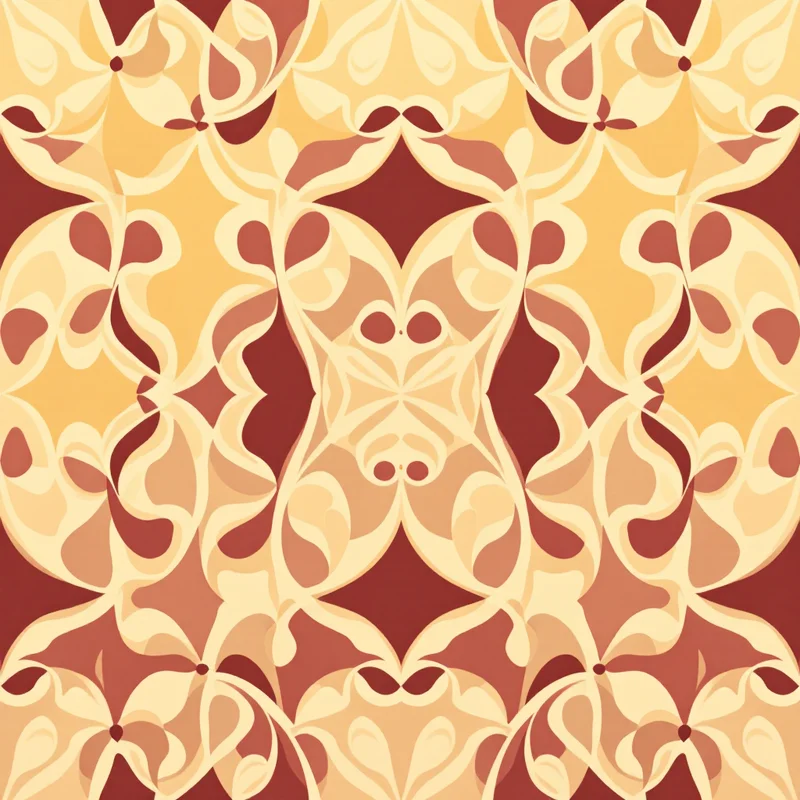



"Tribal pattern design" encompasses multiple distinct cultural traditions — African textile patterns, Mesoamerican geometric design, Polynesian motifs, and others — gathered under a single categorical umbrella that obscures more than it clarifies. This imprecision matters because it affects how contemporary designers approach these patterns and what cultural responsibility they carry.
The commercial reality is that "tribal" serves as a marketing category. Retailers use it, search algorithms recognize it, and consumers understand it as a shorthand for certain aesthetic characteristics: geometric structure, cultural otherness, bohemian spirit, and visual rhythm. However, this category collapses distinct cultural traditions into a single package, which flattens meaning and risks cultural appropriation.
For designers working with tribal aesthetics, the challenge is honoring the specific cultural traditions these patterns emerge from while acknowledging the commercial realities of pattern design. This requires deliberate education, transparent attribution, and thoughtful decision-making about which traditions you engage with and how.
Unpacking "Tribal" — Distinct Traditions
The term "tribal" is problematic because it groups together unrelated cultures and implies a false continuity. It is more accurate to discuss specific traditions:
African Geometric Patterns
African textile and architectural traditions encompass extraordinary diversity. Kente cloth from Ghana features complex interlocking geometric patterns in saturated colors, traditionally woven on looms with each color having symbolic meaning. Maasai beadwork employs geometric color patterns in red, blue, and white creating striking visual rhythms. Kuba cloth features embossed geometric designs of remarkable subtlety.
Each tradition is internally coherent, culturally specific, and carries meaning beyond decoration. Kente patterns reference family lineage, social status, and specific occasions. Maasai patterns identify age groups and community affiliations.
Mesoamerican and Aztec Traditions
Pre-Columbian Mesoamerican cultures developed sophisticated geometric pattern systems visible in architecture, textiles, and pottery. Aztec patterns frequently employed stepped designs, concentric geometry, and symbolic motifs representing calendar systems, cardinal directions, and cosmological concepts.
These patterns were not purely decorative but rather visual expressions of philosophical and religious systems.
Polynesian and Pacific Traditions
Samoan, Maori, Hawaiian, and other Pacific cultures developed distinct geometric pattern traditions, many visible in traditional tattoo design (tatau, ta moko). These patterns employ interlocking geometric shapes, spirals, and lines that carry genealogical and spiritual significance. A Maori ta moko pattern literally encodes family history — it functions as visual genealogy.
Indigenous Americas Patterns
Native American textile traditions (particularly Navajo weaving, Hopi patterns, and Puebloan designs) feature geometric sophistication and color relationships informed by both spiritual traditions and the natural environment. Each nation's patterns are distinct and culturally specific.
Why Specificity Matters
The reason to distinguish between these traditions is not academic nit-picking. It is about respect and cultural literacy.
When you design a "tribal pattern," the question deserves to be: tribal from where? If you are inspired by Kente cloth, you should know Kente cloth, understand its cultural context, and ideally credit that tradition explicitly. If you are drawing from Navajo weaving, the same applies.
Designing "generically tribal" patterns — combining elements from multiple unrelated cultures into a single composition — erases the specific meaning and cultural context of those patterns. It reduces them to aesthetic components rather than cultural expressions.
The commercial conversation has shifted. Contemporary consumers increasingly question appropriation and cultural respect. Brands and designers who can demonstrate genuine engagement with specific traditions rather than surface-level aesthetic borrowing build stronger loyalty and avoid criticism. This is not about restricting creativity; it is about directing it toward greater authenticity.
The Defining Elements of Tribal Patterns
While specific traditions differ, certain structural characteristics appear across many tribal and indigenous pattern traditions:
Geometric Grids and Repetition
Most tribal patterns employ visible grid structures (whether perfectly regular or subtly organic). Motifs repeat across this grid in variations that maintain visual coherence while avoiding mechanical repetition.
Symbolic Geometry
Rather than purely decorative geometry, tribal patterns typically embed meaning. Specific shapes reference cosmological concepts, directional significance, or narrative content. A stepped pyramid might reference ascension or mountain ranges. Interlocking patterns might encode family relationships. Understanding what the geometry means transforms pattern appreciation.
Limited, Intentional Color Palettes
Tribal patterns typically employ 3–5 colors maximum, chosen for both aesthetic and cultural significance. The colors are often those available through natural dyes specific to a region. This limitation creates sophisticated color harmony and makes the palette feel earned rather than arbitrary.
Bilateral or Radial Symmetry
Most tribal patterns employ clear symmetry as an organizing principle. This is not accident but rather a reflection of cultural values around order, balance, and cosmic harmony.
Scale and Density Variation
Even within highly structured patterns, there is often subtle variation in scale or density that prevents visual monotony while maintaining the overall geometric integrity.
Color Palettes and Cultural Significance
In many tribal traditions, color carries meaning beyond aesthetics. Learning what colors signify can deepen your pattern design work.
Red appears across many traditions, often associated with power, courage, or spiritual significance. In some African traditions, red represents passage or life transitions.
Blue and indigo in many traditions (particularly Pacific and African) signify loyalty, protection, or spiritual authority. The specific blue achieved through traditional dyes (indigo in West Africa, for instance) is culturally encoded.
White frequently represents purity, protection, or the sacred, though meanings vary significantly across traditions.
Black often represents grounding, protection, or the material world, though again, cultural specificity matters.
Gold and earth tones (ochre, terra cotta, natural browns) ground patterns in the land and natural materials.
Contemporary design practice: if you are working with colors specifically tied to a cultural tradition, learn what they signify. This knowledge informs decision-making and demonstrates respect.
Commercial Applications and Market Reality
Tribal and tribal-inspired patterns have genuine commercial strength, particularly in fashion, bohemian home décor, and branding contexts that want to signal authenticity or cultural connection.
Fashion and Textiles
Tribal-inspired patterns appear consistently in fashion — particularly in boho styles, resort wear, and brands positioning themselves around cultural awareness or sustainability. Ethical brands often partner directly with artisans from specific cultural traditions, producing textiles that directly support those communities.
Home Décor and Interior Design
Bohemian interior design heavily features tribal-inspired patterns. Rugs, textiles, wall hangings, and decorative accessories bearing tribal aesthetics are consistent sellers, particularly in markets with strong bohemian design presence.
Branding and Corporate Identity
Brands seeking to signal authenticity, cultural connection, or bohemian values often employ tribal pattern elements in their visual identities. This works particularly well for sustainable fashion brands, natural product companies, and lifestyle brands.
Wallpaper and Graphic Design
Contemporary wallpaper increasingly features tribal-inspired geometric patterns, often as statement pieces or accent walls in bohemian or eclectic interiors.
Designing Tribal Patterns Responsibly
The core principle: specificity over genericity. Choose a cultural tradition that genuinely interests you, study it deeply, and design from a place of knowledge.
Research and Attribution
Before designing, research the specific tradition you are drawing from. If it is a Kente-inspired pattern, study Kente cloth. Read about its history, cultural significance, color meanings, and pattern structures. This is not performative — it genuinely improves your design quality and demonstrates respect.
Attribute your sources. If a pattern is Maori-inspired, say so explicitly. If it draws from Navajo weaving traditions, credit that. This attribution signals that you understand what you are doing and respect the cultural tradition you are engaging with.
Avoid Cultural Blending
Do not combine elements from unrelated tribal traditions into a single pattern. A composition that mixes Kente patterns, Navajo motifs, and Pacific Island geometry erases the specificity and meaning of each tradition. It reads as ignorant, even if unintentionally so.
Instead, focus deeply on one tradition. Create a series of Kente-inspired patterns. Develop a collection drawing from Polynesian geometric traditions. This depth demonstrates respect and creates more coherent design.
Distinguish Between Inspiration and Recreation
There is a difference between being inspired by tribal traditions and directly recreating them. If you are creating a pattern inspired by Kente color relationships and geometric structures but not copying specific Kente patterns, that is legitimate inspiration. If you are directly reproducing a specific Kente pattern designed by a Ghanaian weaver, that is appropriation.
Contemporary design that says "Kente-inspired geometric pattern created by [designer], influenced by traditional Kente traditions from Ghana" is more respectful and commercially stronger than "Kente pattern" (implying direct recreation of traditional work).
Consider Community Benefit
Increasingly, ethical design practice means ensuring that communities whose cultural traditions you are engaging with see benefit. This might mean:
Partnering directly with artisans from the culture (collaboration rather than extraction) Directing a percentage of sales to cultural organizations Commissioning work from designers from those communities Using your platform to educate about the actual tradition, not just the aesthetic
Acknowledge the Appropriation Conversation
In contemporary design, the appropriation conversation is active and legitimate. Tribal patterns occupy complex cultural and commercial space: they are beautiful, commercially viable, and also historically appropriated by designers and brands who did not respect their origins.
Acknowledge this complexity. Be transparent about your process, your learning, and your commitment to cultural respect. This transparency builds trust with both consumers and cultural communities.
Specific Pattern Structures Worth Understanding
If you are working with tribal aesthetics, familiarity with several structural approaches expands your vocabulary:
Interlocking geometric — Shapes that fit together like puzzle pieces, common in both African and Polynesian traditions. These create dynamic visual rhythm through the interlocking relationship.
Repeated symbol with variation — A primary motif (perhaps a geometric shape or abstract figure) repeats across a grid with subtle color or scale variations, creating rhythm while maintaining recognizability.
Border-based composition — A primary border pattern runs the edges, with a distinct but complementary field pattern filling the interior. Common in many textile traditions.
Concentric geometry — Shapes nest within each other (circles within circles, squares within squares, spirals expanding or contracting). This appears in many cultures and creates strong visual focal points.
Understanding these structural approaches helps you design patterns that feel authentically rooted rather than superficially tribal.
Modern Context and Contemporary Expression
Contemporary designers from tribal and indigenous cultures are actively reinterpreting traditional patterns for current applications. This contemporary indigenous design movement represents the most authentic evolution of tribal aesthetics. Designers, artists, and brands led by and rooted in specific cultural communities are creating work that honors tradition while asserting contemporary relevance.
For designers from outside these traditions, the ethical approach is supporting and collaborating with designers from within those communities rather than creating parallel appropriative work.
If you do engage with tribal aesthetics, Pattern Weaver can help you explore variations quickly. Define your specific cultural inspiration, establish your geometric structure, select your color palette, and generate multiple density and scale variations to see which resonates.
The Bigger Picture
Tribal pattern design remains commercially viable and visually rewarding, but it comes with responsibility. The aesthetic power of these patterns emerges specifically from their cultural grounding. Respecting that grounding — through education, specificity, attribution, and ethical practice — makes better design and builds better business.
The shift from treating "tribal" as a homogeneous category to engaging deeply with specific cultural traditions is not limitation; it is liberation. Deeper knowledge creates richer design. Respect for cultural origin creates stronger community connection. And transparency about process and influence builds lasting brand loyalty.
Tribal pattern design at its best combines aesthetic sophistication with cultural integrity, creating work that honors both the commercial opportunity and the cultural traditions at design's foundation.
Explore related pattern styles