
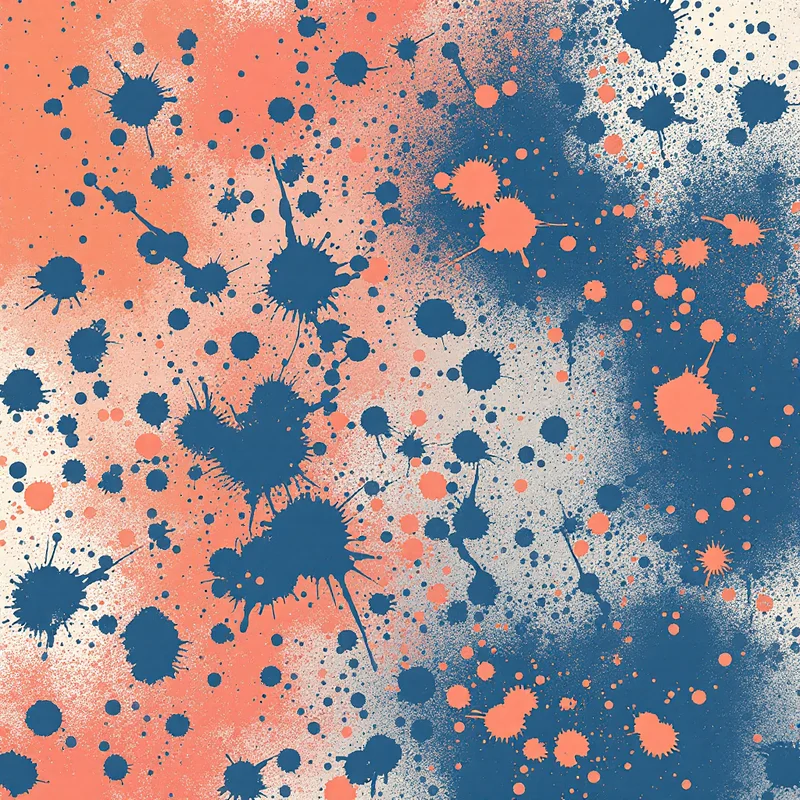
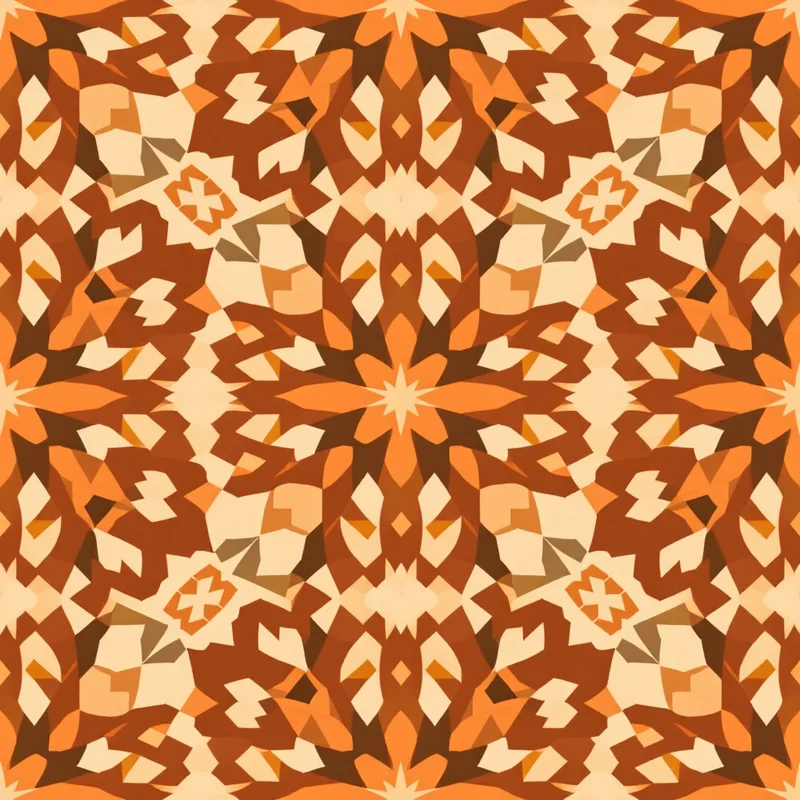
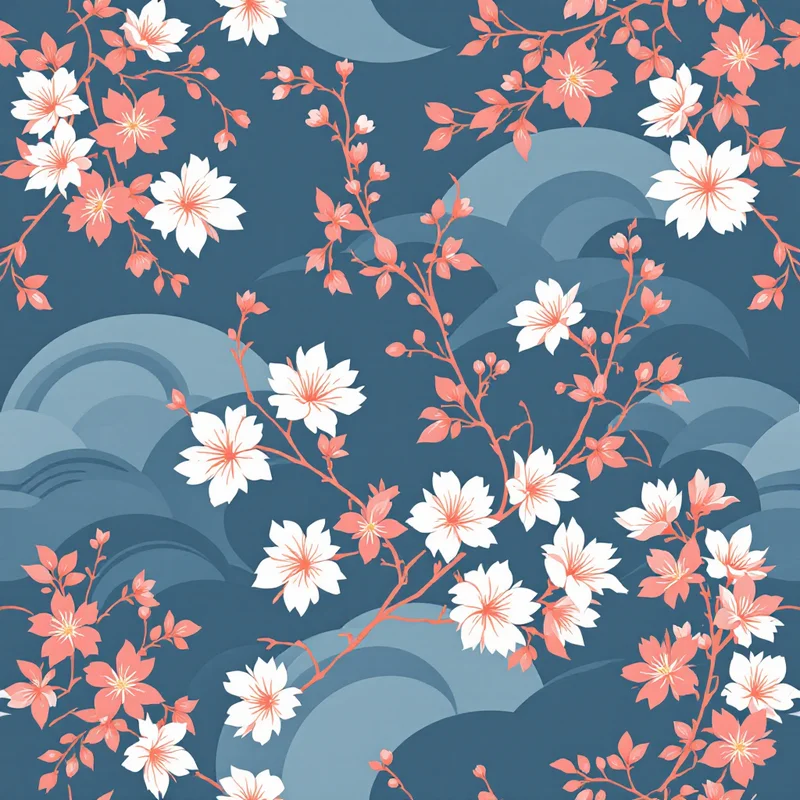
MIDImalism emerged as a named Etsy trend in early 2026, arriving as a cultural backlash against the exhaustion of two opposing design movements: minimalism and maximalism.
For years, design culture has been split. Minimalism promises calm, clarity, and the psychological relief of visual simplicity. Maximalism promises joy, richness, and the intellectual pleasure of visual abundance. Both movements have valuable philosophies. But both, taken to their extremes, create trade-offs many designers and consumers have grown tired of making.
MIDImalism rejects the binary. It asks: what if we could have visual interest without excess? What if we could have calm without emptiness? What if there could be considered ornament that does not exhaust, breathing room that does not feel sparse, detail that serves a purpose rather than merely filling space?
That is MIDImalism. It is not compromise. It is intentionality applied to the middle ground—a category of design that honors both the maximalist desire for richness and the minimalist commitment to restraint, creating patterns and spaces that feel simultaneously calm and engaged, simple and complex, restful and alive.
What is MIDImalism?
MIDImalism is a design philosophy and aesthetic that occupies the intentional middle ground between minimalism (visual austerity, maximum negative space, essential elements only) and maximalism (visual abundance, densely layered elements, expressive excess).
A MIDImalist pattern features considered ornament and purposeful detail, but not at the expense of visual breathing room. Multiple elements coexist without crowding. Repetition and variation create visual interest without chaos. Colors are thoughtfully limited but not austere. The overall impression is one of confident curation—nothing random, nothing excess, nothing wasteful, but also nothing empty.
MIDImalism is particularly applicable to pattern design because patterns exist in the territory where minimalism and maximalism most obviously clash. A minimal pattern is nearly blank—a single fine line, widely spaced. A maximal pattern is a riot of detail, color, and form. A MIDImalist pattern walks between them: it has visual presence without being overwhelming.
Why MIDImalism Emerged in 2026
Three cultural forces converged to make MIDImalism the aesthetic answer of early 2026.
Minimalism fatigue. Minimalism dominated design culture from roughly 2010-2024, reaching peak ubiquity around 2019-2023 as tech companies, Scandinavian design, and Instagram aesthetics made stark white walls and single accent objects the default of contemporary taste. By 2024-2025, that aesthetic felt cold, empty, and psychologically draining to many.
Maximalism's failures. In response to minimalism fatigue, maximalism surged as a design counter-movement. But maximalism, when treated as design philosophy rather than intentional creativity, often produced visually chaotic, exhausting spaces—not joyful abundance but confusing clutter.
The rise of thoughtful design. Across design culture, there is increasing consciousness around intentionality, sustainability, and purposefulness. MIDImalism aligns with this consciousness—it is not "more of everything" but "the right amount of the right things."
Consumer demand for balance. Design consumers increasingly expressed desire for spaces and objects that were visually restful but not boring, visually interesting but not overwhelming. MIDImalism is the aesthetic that delivers both.
Etsy's formal recognition of MIDImalism as a trending aesthetic gave language and cultural visibility to a movement that had been building in design consciousness for months. Pinterest, design publications, and interior designers quickly followed.
Defining Visual Elements of MIDImalist Patterns
MIDImalist patterns share certain visual characteristics that distinguish them from both minimalism and maximalism.
Intentional White Space
While minimalism celebrates whitespace as an end in itself, MIDImalism treats it as a tool. Patterns include breathing room, but the negative space is purposeful—it frames elements, creates visual hierarchy, or provides the eye with rest. The pattern does not use whitespace for austerity but for strategic visual relief.
A MIDImalist pattern might be 40-50% pattern and 50-60% background, where a minimalist pattern is 80%+ background and a maximal pattern is 80%+ pattern.
Layered but Clear Elements
MIDImalist patterns often feature multiple layers of detail—geometric forms, textural elements, linear structure—but these layers are visually distinguishable. Nothing disappears into visual noise. Complexity arises from clarity, not from layered confusion.
A MIDImalist stripe pattern might feature a primary geometric form, a secondary line system, and a subtle textural element, all of which remain visually legible even in combination.
Rhythmic Repetition with Variation
Rather than pure uniformity (minimalism) or pure variety (maximalism), MIDImalist patterns use rhythmic repetition—a core motif repeats, but with considered variations. A circular form might repeat, but each repetition is slightly rotated or scaled. A line might repeat but with intentional gaps or breaks. The pattern reads as coherent but not monotonous.
Considered Color Palettes
Colors are limited in number—typically 3-5 including background—but each color serves a clear purpose. Primary and secondary colors are easily identified. Accent colors add interest without chaos. The palette feels chosen rather than arbitrary.
Geometric and Organic Fusion
Many MIDImalist patterns blend geometric structure with organic elements. Straight lines frame flowing forms. Perfect grids house irregular elements. The result is visual interest created through contrast rather than through overwhelming detail. Neither the geometric nor the organic dominates; both coexist.
Scale Variation
MIDImalist patterns often incorporate intentional scale variety—a large focal motif, medium supporting elements, fine textural details. This scale variation creates visual hierarchy and interest within a visually restful overall composition.
MIDImalist Color Palettes
Color in MIDImalism is considered and purposeful. Palettes are simpler than maximalism but warmer and more engaging than minimalism.
Soft neutral with single accent features a base of warm gray, taupe, or off-white, with one carefully chosen accent color—sage green, dusty blue, or warm rust. The neutrality is restful; the accent provides engagement.
Two-color geometric plus texture pairs two complementary or analogous colors (say, deep navy and warm cream) with subtle texture or linework in a neutral third tone. The two primary colors create visual clarity, while the texture adds complexity without chaos.
Monochromatic with tonal variation uses a single color family (blues, for example) in multiple tones—navy, medium blue, light blue, dusty blue—creating interest through variation rather than through multiple hues. Restful because it is monochromatic; engaging because of the tonal variety.
Warm earth palette pairs terracotta, cream, sage, and soft charcoal—colors that naturally coexist in natural environments. Warm and inviting without being saturated or overwhelming.
Limited jewel tone introduces a single deeper, saturated color (emerald, sapphire, amethyst) into a neutral base, creating dramatic visual interest while maintaining overall restraint.
The consistent principle: colors are chosen for purpose, not abundance. Each color in the palette has a clear role. The palette reads as curated rather than arbitrary.
MIDImalism vs. Minimalism vs. Maximalism
The distinctions clarify why MIDImalism has emerged as its own category.
MIDImalism vs. Minimalism. Minimalism prioritizes reduction and essential elements only. A minimal pattern might be a single line, widely repeated with maximum spacing. MIDImalism includes multiple visual elements and accepted detail—it just ensures they coexist without clutter. Minimalism says "remove until nothing unnecessary remains"; MIDImalism says "include until nothing excess remains."
MIDImalism vs. Maximalism. Maximalism celebrates abundance and visual density. A maximal pattern is richly layered, densely filled, with multiple colors and forms competing for attention. MIDImalism controls density and maintains visual hierarchy. Maximalism says "the more elements, the better"; MIDImalism says "the right elements, purposefully arranged."
MIDImalism vs. Balance. MIDImalism is not merely balance or compromise between the two extremes. Rather, it is an intentional aesthetic philosophy that accepts detail and ornament as valuable while refusing to sacrifice visual calm or clarity. It is sophisticated restraint, not reluctant acceptance of both approaches.
Visual clarity. MIDImalism maintains the minimalist commitment to clarity and legibility while rejecting austerity. Every element is visually distinct and purposeful, even in combination.
Commercial Applications for MIDImalist Patterns
MIDImalism's balance between visual interest and calm makes it suited to applications across sectors, particularly those emphasizing intentionality, quality, and contemporary sophistication.
Corporate Branding and Collateral Design
Companies emphasizing thoughtful design, intentionality, or balanced approaches to their market use MIDImalist patterns in brand identity systems, packaging, and marketing materials. The aesthetic communicates sophistication and careful curation—particularly suited to tech, sustainable products, and luxury goods.
Interior Design and Home Décor
MIDImalist wallpaper, textiles, and accent pieces work in contemporary residential and commercial interiors seeking visual interest without overwhelming calm. The patterns function well as feature walls, upholstery accents, and area rug designs. The style bridges minimalist and maximalist design preferences, making it accessible to consumers on different parts of the design spectrum.
Stationery, Paper Goods, and Publishing
Notebooks, greeting cards, book covers, and stationery design increasingly feature MIDImalist patterns. The aesthetic communicates quality, intentionality, and considered taste—appealing to design-conscious consumers across price points.
Fashion and Accessories
Contemporary apparel, accessories, and textile brands use MIDImalist patterns on fabrics where the balance of detail and restraint creates visual interest without overwhelming garments. Works particularly well for structured clothing where pattern placement guides the eye.
Workspace and Productivity Design
Co-working spaces, office furniture, and productivity-focused goods use MIDImalist patterns to create visually engaging but psychologically restful work environments. The balance between visual interest (which stimulates creativity) and calm (which supports focus) makes MIDImalism particularly suited to workspace design.
How to Create MIDImalist Patterns
Creating successful MIDImalist patterns requires discipline around intentionality and clarity.
Start with Constraint
Rather than beginning with unlimited creative possibility, start with constraints. Choose a limited color palette—maximum 4 colors. Choose a primary motif and decide how it will vary. Decide on the ratio of pattern to background before designing.
These constraints focus the design process toward intentionality rather than decoration.
Layer with Purpose
If including multiple layers of detail or elements, decide the purpose of each layer. The primary layer should be clear and legible. Secondary layers should support the primary without competing. Texture or fine detail should provide richness without obscuring the core pattern.
Every element should answer the question "Why is this here?" If you cannot answer that question, remove it.
Maintain Visual Hierarchy
Ensure that the eye moves through the pattern with intentional direction. Some elements are primary (larger, more saturated, more visually arresting). Others are secondary (supporting, less prominent). Still others are background (present but not competing). This hierarchy prevents the visual exhaustion that results from everything demanding equal attention.
Test at Multiple Scales
A MIDImalist pattern should read clearly at the scale at which it will be used. If it is wallpaper, test it on a wall at distance and close up. If it is a textile, test it on the actual material at the intended scale. MIDImalism's balance depends on perception—it needs breathing room that is only evident at proper viewing distance.
Consider Negative Space Intentionally
Decide what percentage of your design will be pattern and what percentage will be background. MIDImalist patterns typically run 35-60% pattern to 65-40% background, but the exact ratio should be intentional for your specific design. Sketch this ratio before detailing the pattern itself.
Using Pattern Weaver for MIDImalism
Pattern Weaver now includes MIDImalism as a dedicated substyle within the Minimal category. Select "MIDImalism" from the substyle menu to automatically weight the prompt toward balanced composition, considered detail, clear visual hierarchy, and purposeful color use. You can then adjust density, scale, and color intensity to match your application.
The MIDImalism preset ensures that generated patterns maintain the balance between visual interest and calm that defines the aesthetic.
MIDImalism's Growing Influence
MIDImalism is experiencing rapid adoption across design sectors because it resolves a real cultural tension. Many designers and consumers have felt trapped between minimalism's emptiness and maximalism's chaos, neither of which felt authentic to how they actually wanted to live or create.
MIDImalism offers a third option: design that is simultaneously calm and engaged, simple and interesting, restful and alive. That synthesis is resonating broadly.
Expect MIDImalism to continue expanding through 2026 and beyond, particularly as design culture increasingly prioritizes intentionality, sustainability, and psychological wellness. The aesthetic aligns with all three: intentionality (nothing excess), sustainability (nothing wasteful), and wellness (visual calm without austerity).
The broader design implication is that binary thinking—more or less, ornate or austere, bold or quiet—is giving way to more nuanced, intentional design philosophy. MIDImalism is the pattern and design expression of that evolution: not compromise between extremes, but sophisticated curation within a considered middle ground.
It is design that trusts restraint as a tool rather than as an end, and abundance as a value rather than as an excuse. It is the aesthetic of 2026 for designers and consumers who have learned that the most powerful design is not extreme but intentional—and intentional design can be both calm and complex, simple and engaging, minimal and alive.
Explore related pattern styles
Patterns for