Fair Isle knitting is one of the most recognizable textile traditions in the world. Named after a tiny island between Scotland's Orkney and Shetland archipelagos, the technique produces richly patterned fabric by carrying two colors of yarn across each row, creating intricate geometric bands that stack into complex compositions. The finished fabric is warm, dense, and visually striking -- a sweater or cardigan in traditional Fair Isle is immediately identifiable from across a room.
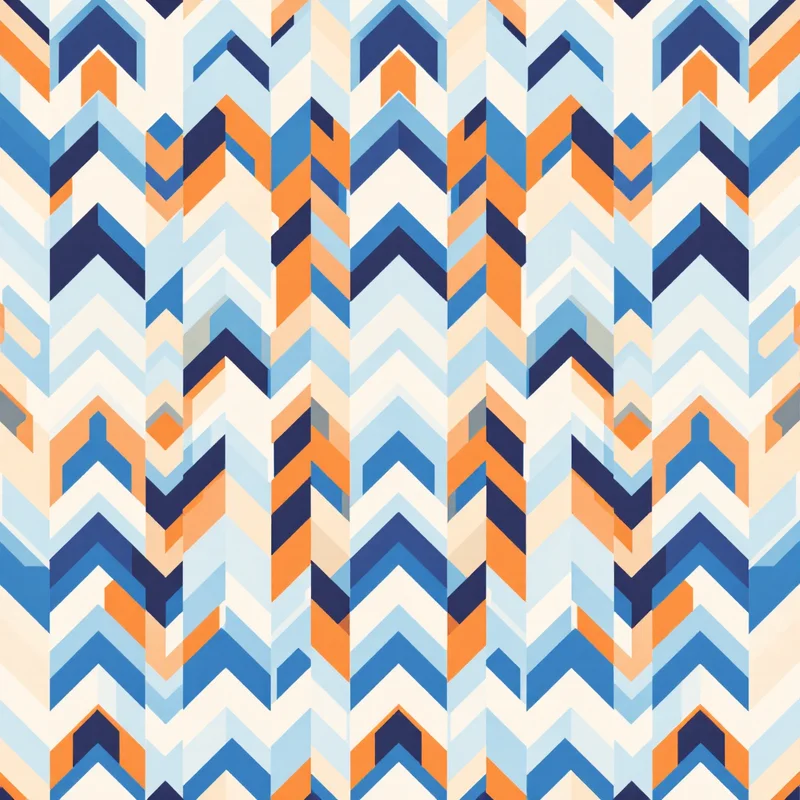
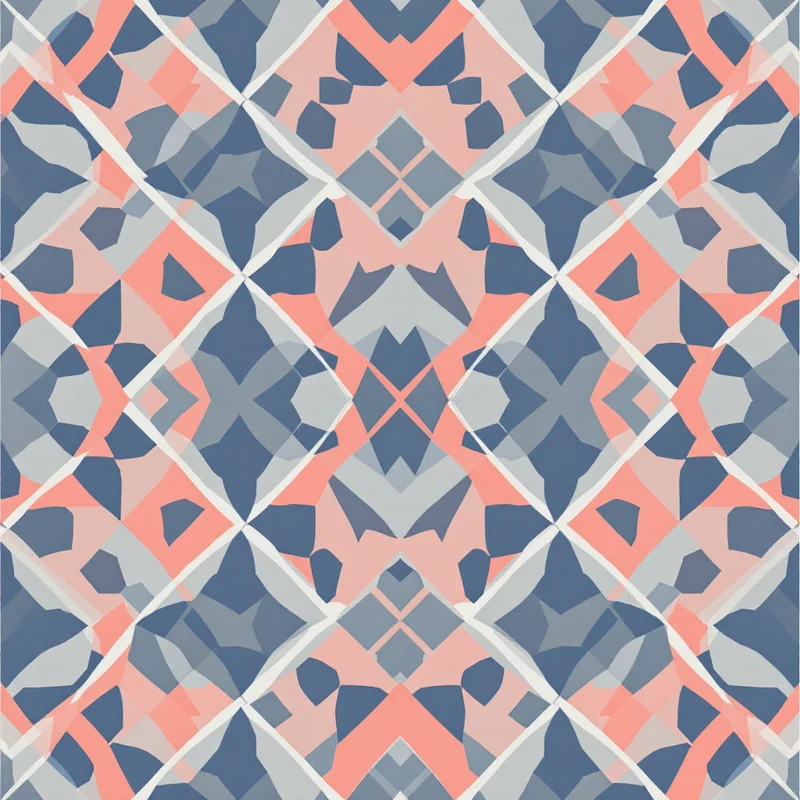
Key takeaway: Use AI-generated Nordic patterns as composition and color-flow references rather than literal charts -- study the band widths, color transitions, and motif proportions, then translate them to knitting-compatible repeats that respect the two-color-per-row rule.
The technique has expanded far beyond its Scottish island origins. Scandinavian stranded knitting -- Norwegian lusekofte patterns, Icelandic lopapeysa yoke designs, Swedish Bohus knitting -- shares the same fundamental structure: two-color rows forming geometric motifs on a grid where each stitch is one cell. Together, these traditions form the broader family of Nordic colorwork, and they remain some of the most beloved patterns in hand knitting.
The Structure of Fair Isle Patterns
Understanding the structure is essential, whether you are designing patterns from scratch or adapting AI-generated designs for knitting.
Fair Isle patterns are built from horizontal bands of repeating motifs. Each band is typically 3 to 15 rows tall and uses exactly two colors per row. The motifs within each band repeat horizontally across the fabric, and successive bands stack vertically, often separated by narrow "peerie" rows -- simple one or two-row patterns that act as visual dividers.
This two-color-per-row constraint is the defining rule. It keeps the floats (the strands of unused yarn carried behind the work) short and manageable. A float longer than about 5 stitches catches on fingers and distorts the fabric. Traditional Fair Isle motifs are designed so that no float spans more than 5 to 7 stitches, which is why the patterns tend toward dense, evenly distributed geometry rather than large solid blocks of color.
The total color palette across the full piece can be much larger -- traditional Fair Isle sweaters often use 5 to 14 colors -- but only two appear in any single row. Colors shift gradually across bands, creating a shimmering effect where warm tones flow into cool tones and back again.
Classic Nordic Motifs
Certain motifs appear across Fair Isle and Scandinavian knitting traditions with remarkable consistency.
Stars and snowflakes are the most iconic. An eight-pointed star fits naturally into a knitting grid, and its rotational symmetry means it works in any repeat width. Snowflake motifs -- stars with branching arms -- are central to Norwegian and Icelandic patterns. They range from simple 7-stitch-wide designs to elaborate 25-stitch compositions.
OXO patterns alternate X shapes and O shapes (or diamonds) in a horizontal band. Simple to knit and visually rhythmic, OXO bands are the workhorses of Fair Isle design, used as secondary patterns between more complex motif rows.
Reindeer and animal motifs appear in Norwegian knitting traditions. The classic standing reindeer, rendered in profile as a silhouette on the knitting grid, is perhaps the single most recognized Nordic knitting motif. Smaller animal motifs -- birds, horses, sheep -- appear in folk knitting traditions across Scandinavia.
Selburose is the eight-petaled rose motif from Selbu, Norway, traditionally knit in black and white on mittens and gloves. Its geometric construction -- built from diagonal lines and right angles -- makes it both beautiful and practical for stranded knitting.
Seed and checker patterns are small-scale motifs, often just 2 to 4 stitches in repeat width, used to fill space between larger motifs. Despite their simplicity, they contribute essential visual texture and rhythm to the overall composition.
Using AI-Generated Patterns as Knitting References
AI pattern generators do not produce knitting charts directly -- they generate images. But those images can serve as powerful design references for Fair Isle and Nordic colorwork.
What AI Does Well for Knitting Design
AI excels at generating the overall composition and color flow of a Fair Isle piece. When you generate a pattern in a Nordic, folk, or geometric cultural style, the result captures the aesthetic character -- the rhythm of motif bands, the progression of colors, the density of patterning -- in a way that can be difficult to achieve by staring at a blank knitting chart.
Use the generated image as a mood board or design brief. Study the band widths, the ratio of large motifs to small fill patterns, the color transitions between sections. Then translate those design decisions into actual knitting charts using graph paper or knitting design software like Stitch Fiddle, KnitPaint, or a spreadsheet.
Generating Effective References
When generating patterns intended as Fair Isle references in the studio, these approaches produce the most useful results.
Choose cultural pattern styles that align with Nordic aesthetics -- Scandinavian, folk, or traditional geometric categories. These generate motifs with the angular, grid-sympathetic geometry that translates well to knitting charts.
Use limited color palettes. A 4 to 6 color palette mimics the gradual color shifts of traditional Fair Isle. Avoid palettes with many similar shades -- in yarn, subtle digital color differences often become invisible.
Select medium to high density. Fair Isle fabric is characteristically dense with pattern; large areas of plain knitting break the visual tradition. A well-filled pattern generation gives you more motif material to work with.
The Translation Process
Moving from a generated image to a knitting chart requires interpretation, not direct copying.
Identify the distinct motif bands in the generated pattern. Sketch each band separately on knitting graph paper (which has wider cells than square graph paper, because knitted stitches are wider than they are tall). Simplify where necessary -- a motif that looks clean at screen resolution may be too complex for a 5-stitch-wide float constraint.
Check every row of your chart for the two-color rule. If a row uses three colors, you need to either reassign one color or split the band into sub-rows. Check float lengths -- no span of a single color should exceed 5 to 7 stitches without the other color appearing.
Test your chart by knitting a swatch. Fair Isle patterns interact with gauge in ways that are hard to predict on paper. The floats tighten the fabric, the color dominance of your yarn holding affects how motifs appear, and the physical drape of the swatch tells you whether the pattern density works for your intended garment.
Color Theory for Fair Isle
Color is where Fair Isle knitting becomes genuinely artistic, and it is an area where AI-generated references can be especially valuable.
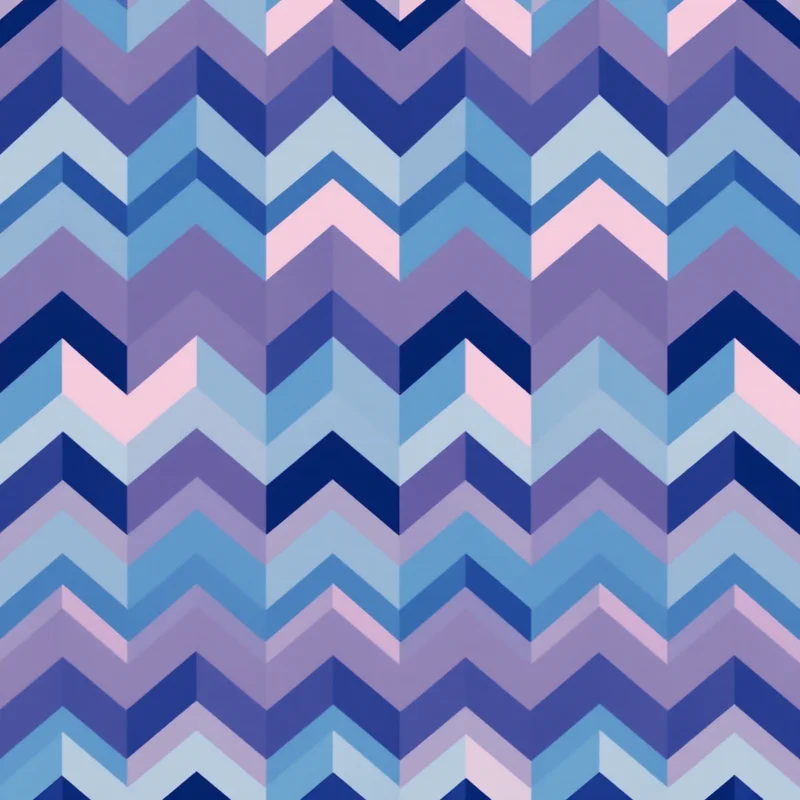
Traditional Fair Isle uses color gradations -- a band might transition from dark navy through medium blue to light sky blue, then shift to teal and on to green. The eye reads this as a continuous color flow, even though each row uses only two discrete shades. Planning these transitions is one of the most challenging aspects of Fair Isle design.
AI-generated patterns with Nordic styling often capture this gradation effect naturally. Study the color sequences in a generated pattern and note how many steps the transition takes, which colors sit adjacent to each other, and where high-contrast accents appear. These observations translate directly to yarn color selection.
When choosing yarns, lay your candidates side by side in the sequence they will appear in the knitting. Step back and squint -- the colors should flow smoothly without jarring jumps. Many knitting yarn companies (Jamieson's of Shetland, Rauma, Istex) offer shade cards specifically organized for Fair Isle colorwork, where adjacent colors on the card are designed to work in sequence.
Designing for Garment Construction
Fair Isle patterns are traditionally worked in the round -- the right side always faces you, and steeks (reinforced cuts) are made for armholes and front openings. This circular construction means the pattern repeat must divide evenly into the total stitch count of the garment.
When adapting AI-generated designs, pay attention to the repeat width. A 12-stitch repeat divides cleanly into most sweater stitch counts. A 13-stitch repeat does not. Choose or adjust your motifs to work in repeat widths that are practical: 4, 6, 8, 10, 12, and 16 stitches are the most common.
For yoke sweaters in the Icelandic style, the pattern must also account for decreases that shape the yoke from body circumference to neck circumference. The motifs narrow as the yoke rises, which means the repeat effectively compresses. Plan your bands so that the widest, most complex motifs sit at the base of the yoke where there are the most stitches, with simpler, narrower motifs toward the neck.
Getting Started
If you are looking for Fair Isle design inspiration, generate several patterns in Nordic and folk geometric styles with limited palettes. Do not try to use them as literal charts -- instead, let them show you compositions, color flows, and motif proportions that you can translate into your own original knitting designs.
Browse cultural and geometric pattern styles in the studio to start exploring Nordic-inspired colorwork patterns.
Explore related pattern styles