Earth Day on April 22 has grown far beyond a single awareness event. For brands, retailers, and product designers, it marks a seasonal inflection point — a stretch of weeks where consumers actively seek out nature-themed products, eco-conscious packaging, and visual identities rooted in the natural world. Sustainable brands refresh their collateral. Eco-friendly packaging companies launch spring lines. Environmentally conscious retailers spotlight products that feel connected to the earth.
For pattern designers, this is one of the most commercially productive windows of the year. Nature-inspired seamless patterns sit at the intersection of seasonal demand and permanent trend. The designs you create for Earth Day do not expire on April 23 — they remain relevant for outdoor brands, wellness products, organic food packaging, and nature-themed home goods year-round. But the weeks surrounding Earth Day concentrate buyer attention and create urgency.
Here is how to design patterns that meet that demand across the most popular nature themes.
Forest and Woodland Patterns
Forests represent the most immediate visual shorthand for environmentalism. A dense canopy of overlapping leaves, a floor of fern fronds and fallen pine needles, a cluster of mushrooms growing from mossy bark — these images carry instant associations with conservation, renewal, and ecological health.
The strongest woodland patterns layer multiple elements rather than relying on a single motif. A repeat built from fern silhouettes alone reads as botanical. But fern silhouettes combined with delicate mushroom forms, lichen textures, and scattered acorns reads as an ecosystem. That layered approach feels more authentic and more connected to Earth Day messaging.
Color is critical. Deep forest greens, warm earth tones, bark browns, and moss sage create the foundation. Resist the urge to brighten the palette for spring — the power of woodland patterns comes from their grounded, shadowy depth. A dark spruce green paired with warm ochre and soft cream feels both luxurious and deeply natural. Save the bright greens for tropical themes.
For texture, consider render styles that reinforce the organic quality: watercolor washes, hand-drawn linework, or woodblock print effects. Crisp digital vector renders can work for minimalist interpretations, but the most commercially successful woodland patterns for Earth Day products tend to lean into tactile, handmade aesthetics.
Woodland patterns are especially effective for eco-brand packaging — wrapping paper, tissue paper, box prints — where the forest imagery directly reinforces the brand's sustainability message. Explore nature patterns and botanical patterns as starting points for this direction.
Ocean and Marine Patterns
Ocean conservation has become one of the most visible pillars of the environmental movement. Plastic pollution, coral reef bleaching, and marine habitat loss generate consistent media attention, and the visual language of ocean advocacy is rich with pattern potential.
Waves, coral formations, sea turtles, tropical fish, seaweed fronds, and jellyfish all translate beautifully into seamless repeats. The ocean offers both abstract and figurative possibilities — you can build a pattern from literal marine creatures arranged in a swimming repeat, or you can create abstract wave forms and water textures that evoke the sea without depicting specific animals.
The color palette for ocean patterns is expansive. Deep navy and teal anchor the serious, conservation-focused end. Turquoise, aqua, and seafoam green lean brighter and work well for beach brands and summer products. Coral pink, sand beige, and warm white add warmth and keep the palette from feeling cold. For Earth Day specifically, pairing ocean blues with natural greens creates a visual connection between marine and terrestrial ecosystems — a subtle design choice that reinforces the "whole earth" message.
Marine patterns serve a distinct set of commercial applications: ocean conservation organizations use them for fundraising merchandise, beach and surf brands build seasonal collections around them, and aquatic-themed children's products are a steady market. Browse nautical patterns for wave and maritime motifs or nature patterns for broader wildlife options.
Wildlife and Animal Patterns
There is something quietly powerful about transforming an endangered species into a beautiful repeating motif. It takes an animal that might appear in a somber news headline and reframes it as something worth celebrating — worth printing on fabric, wrapping gifts in, carrying on a tote bag. Pattern design becomes a form of visibility.
Pollinators are the most seasonally relevant animal motif for Earth Day. Bees, butterflies, and hummingbirds connect directly to spring, gardens, and the ecological conversations happening in April. A honeybee repeat over a wildflower ground combines two powerful motifs — the pollinator and the habitat — into a single design that tells a story.
Birds offer enormous variety. A pattern built from songbird silhouettes in varied poses creates rhythm and movement. Owls bring a woodland character. Flamingos and toucans push toward the tropical. The choice depends on the target product category and the mood you want to establish.
Mammals like foxes, deer, rabbits, and hedgehogs work best in softer, more illustrative render styles — watercolor, gentle linework, or storybook illustration. These tend to find commercial traction in stationery, children's products, and home textiles. They carry an emotional warmth that reinforces care and stewardship, which is exactly the emotional register that Earth Day products aim for.
Start with animal patterns for wildlife motifs or garden patterns for pollinator-focused designs that pair animals with their habitats.
Leaf and Plant Patterns
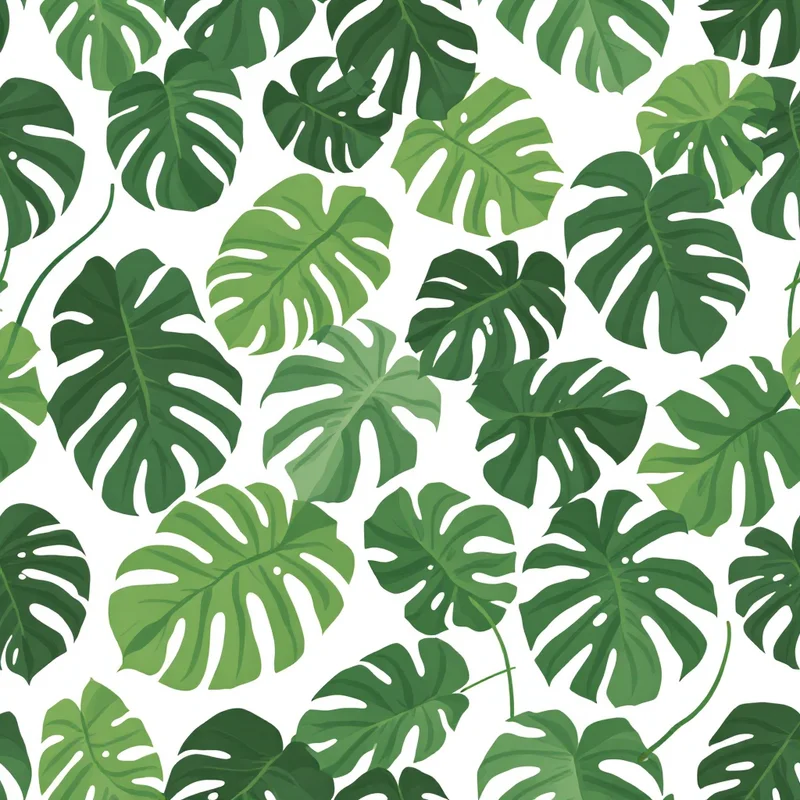
If there is a single universal symbol of environmentalism, it is the leaf. From the simplest three-leaf recycling icon to an intricate monstera repeat, plant forms communicate "nature" and "sustainability" instantly and across every culture.
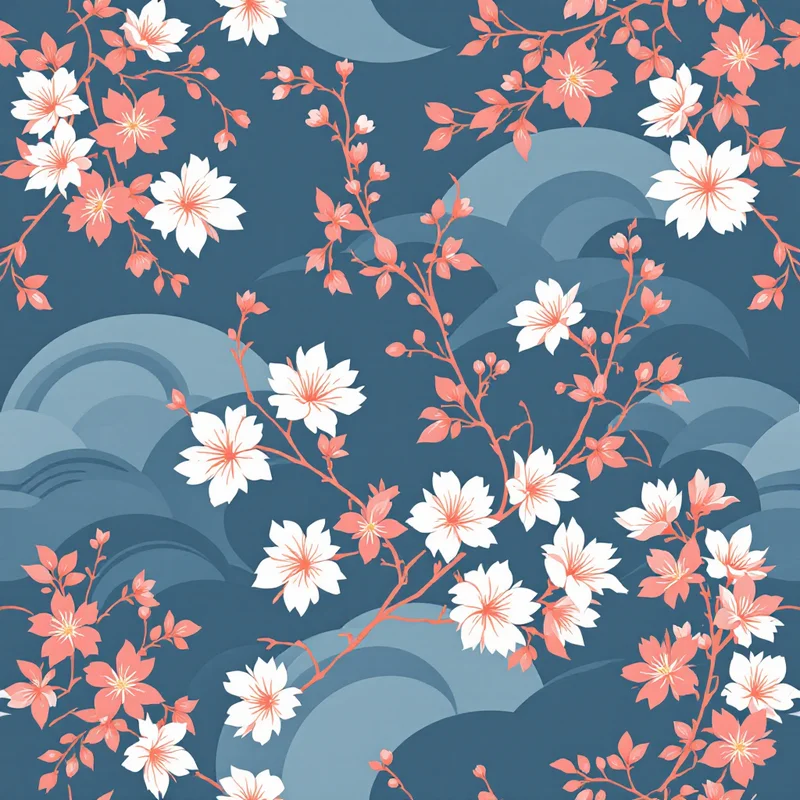
The range of leaf patterns available to designers is enormous. Monstera and palm leaves carry tropical energy and work for bold, statement-making designs. Fern fronds create delicate, layered repeats with natural fractal complexity. Eucalyptus and olive branches feel Mediterranean and refined. Wildflower meadow patterns — loose arrangements of stems, seed heads, small blooms, and grasses — have a gentle, pastoral quality that works for a wide range of products.
Scale matters. Large-scale tropical leaf patterns dominate as hero prints — they command attention on a tote bag or a bolt of fabric. Small-scale leaf textures function as blenders and coordinates — they pair with bolder prints in a collection and work as subtle backgrounds for packaging and branding. Having both scales in your catalog gives you more commercial versatility.
One design approach worth considering for Earth Day: combine the leaf pattern with a visible earth-tone palette and a slightly imperfect render style. Hand-painted leaves on a kraft-paper-colored ground, for instance, feel both artisanal and environmentally conscious. The visual language of sustainability is not just about what you depict — it is about how the design feels. Rough edges, natural textures, and muted palettes all signal eco-awareness.
Explore botanical patterns for leaf and plant motifs, and garden patterns for wildflower and meadow arrangements.
How Eco-Brands Use Patterns
Understanding how Earth Day patterns are actually used commercially sharpens your design decisions. The pattern itself is only half the product — the application determines whether it succeeds.
Product packaging is the largest market for Earth Day patterns. Brands that sell organic food, natural cosmetics, sustainable household goods, and eco-friendly gifts all refresh their packaging for spring. A nature-themed seamless pattern printed on recycled kraft paper or unbleached cardboard creates a powerful visual-material combination — the pattern says "nature" and the substrate says "sustainable." Together, they reinforce the brand message without a single word of copy.
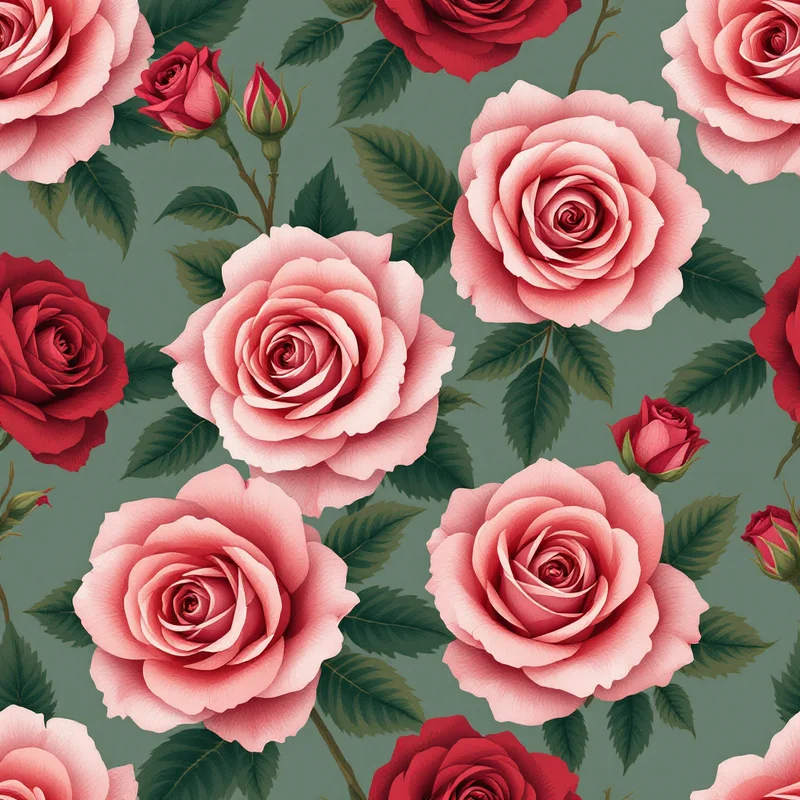
Reusable products are the second major category. Tote bags, reusable water bottles, beeswax wraps, cloth napkins, and travel mugs all benefit from distinctive pattern design. These products are often purchased as gifts around Earth Day, so the pattern needs to be attractive enough to feel like a present, not just a utility item. Bold botanical prints and charming animal patterns tend to outperform abstract or minimal designs in this category.
Notebooks, planners, and stationery form a steady market for nature patterns. The repeat needs to work at smaller scales here, and the palette should be refined enough to feel premium. Soft botanical prints, delicate leaf textures, and muted wildflower arrangements are consistently popular.
Brand collateral — business cards, letterhead, social media backgrounds, email headers, website textures — provides a more subtle application. Brands use nature patterns as background textures and accent elements to signal their environmental values visually. These applications call for quieter patterns: low-contrast leaf textures, subtle topographic lines, or minimal botanical outlines.
For packaging applications, explore patterns for packaging. For fabric and reusable product designs, see patterns for textiles.
Create Your Earth Day Patterns
Earth Day demand starts building weeks before April 22 and extends well into spring. Whether you are designing for your own product line, building a portfolio for print-on-demand, or creating custom patterns for eco-conscious clients, now is the time to start generating.
Head to the studio to start creating, or browse all pattern styles to find the nature, botanical, and wildlife categories that match your vision. Build a coordinated collection — a hero nature print, a supporting botanical, and a leaf-texture blender — and you will have a versatile set that serves multiple products and applications through the entire season and beyond.
Explore related pattern styles
Patterns for