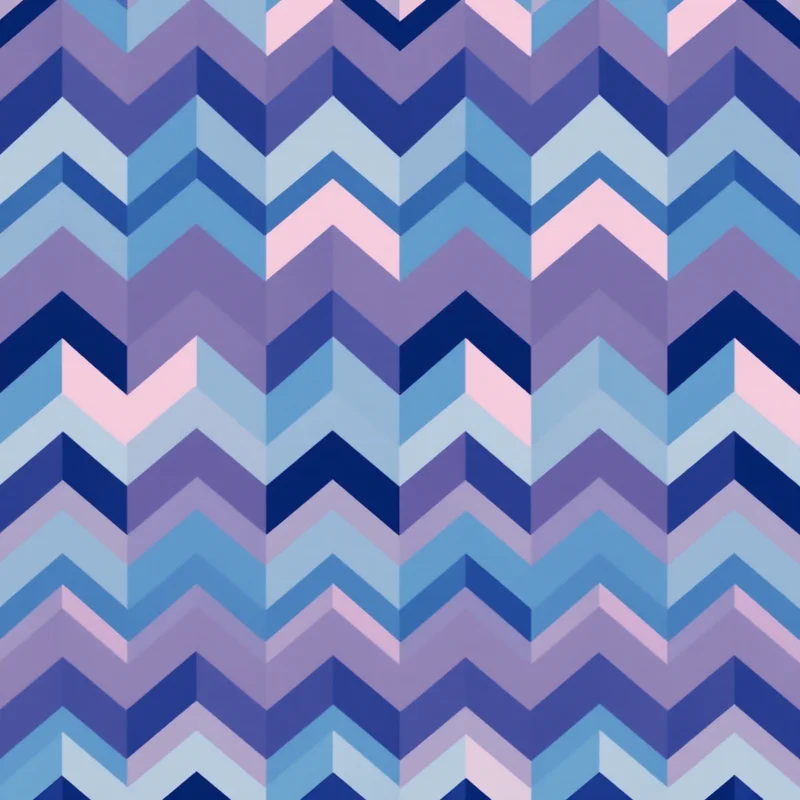
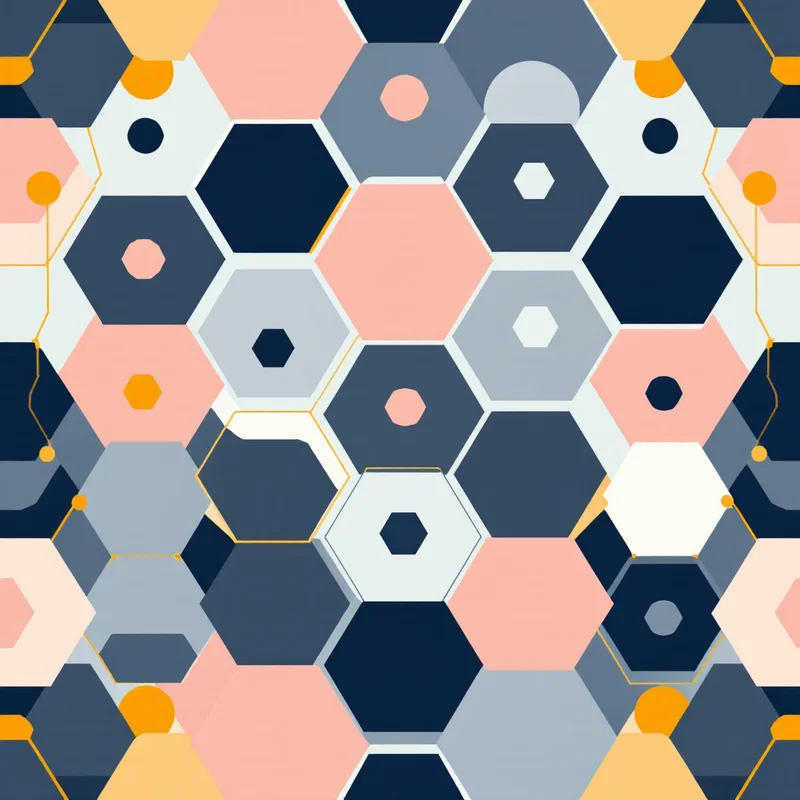
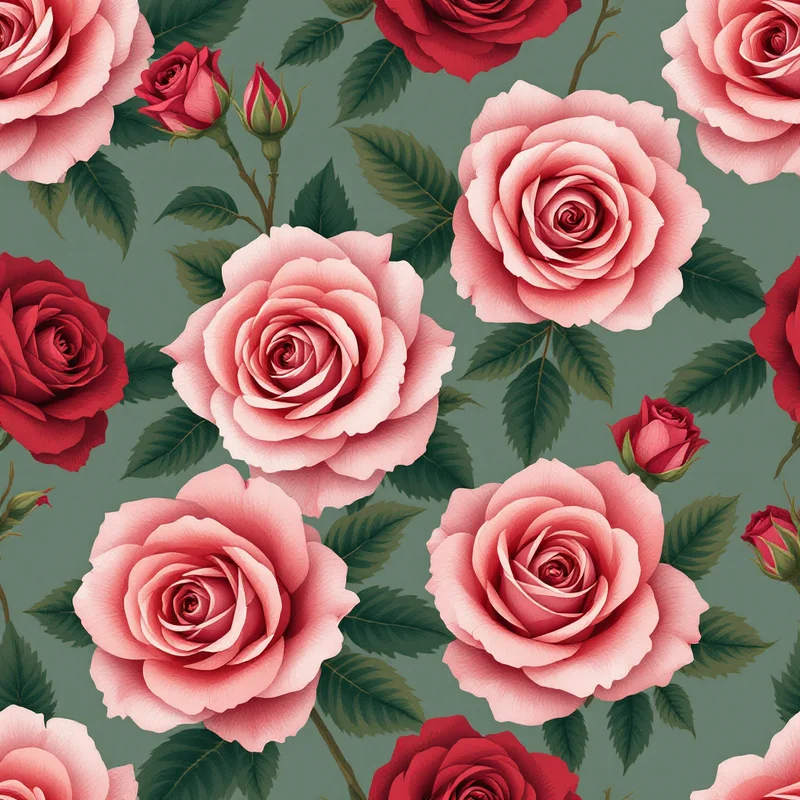

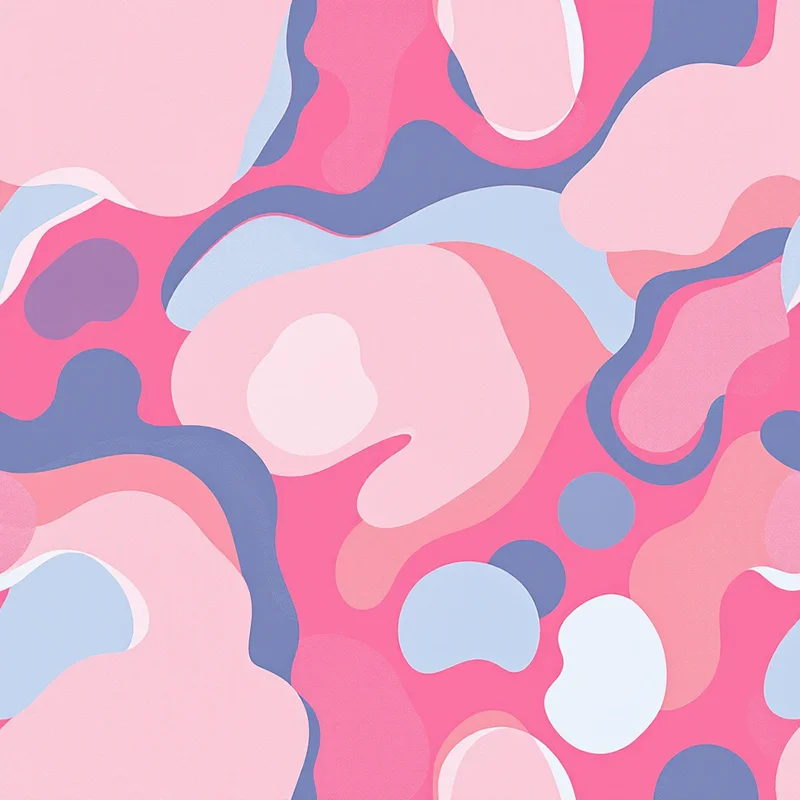
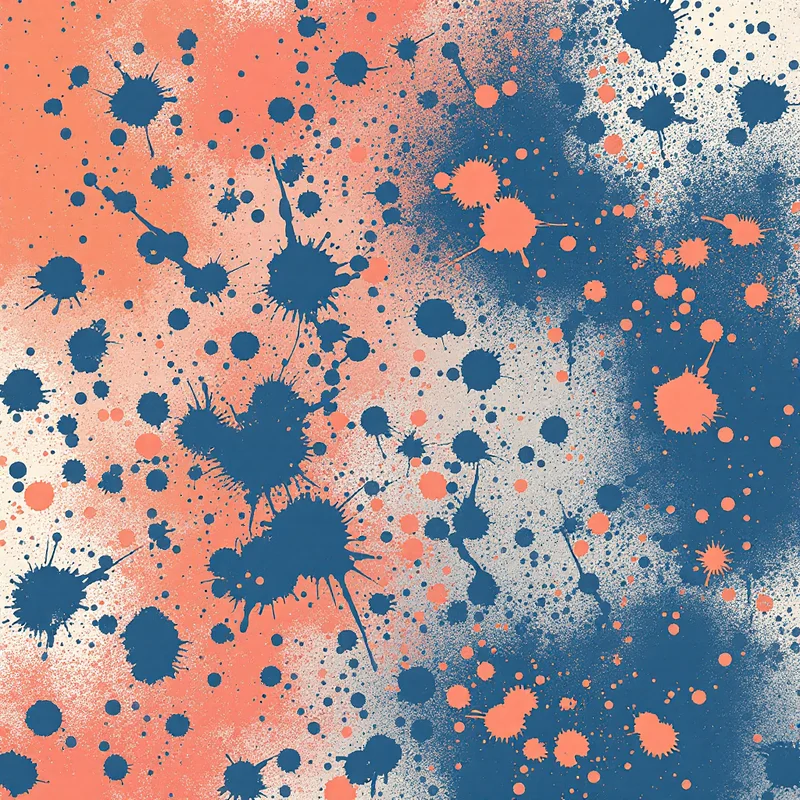
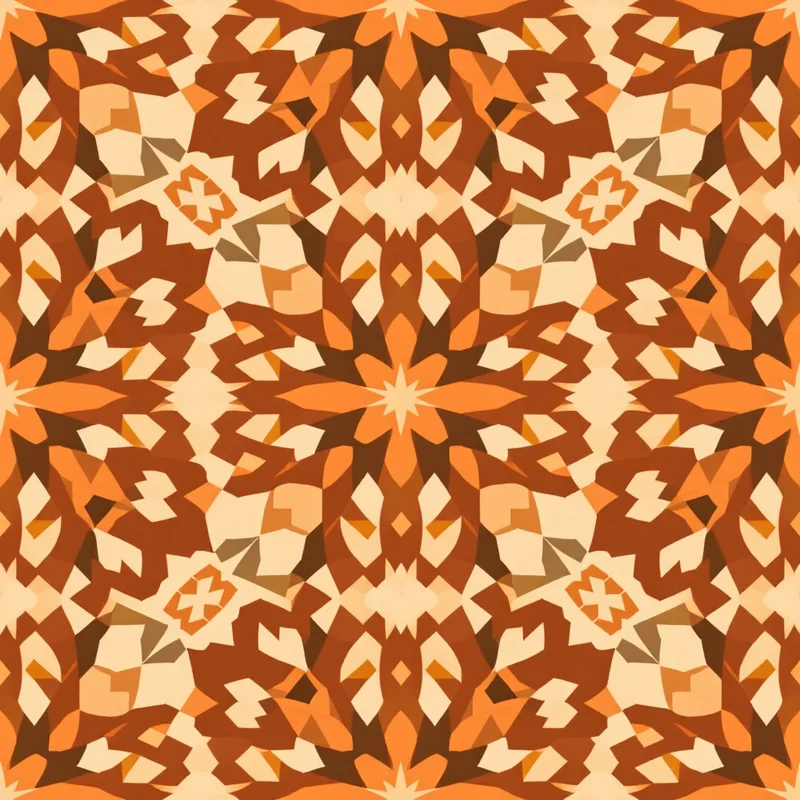

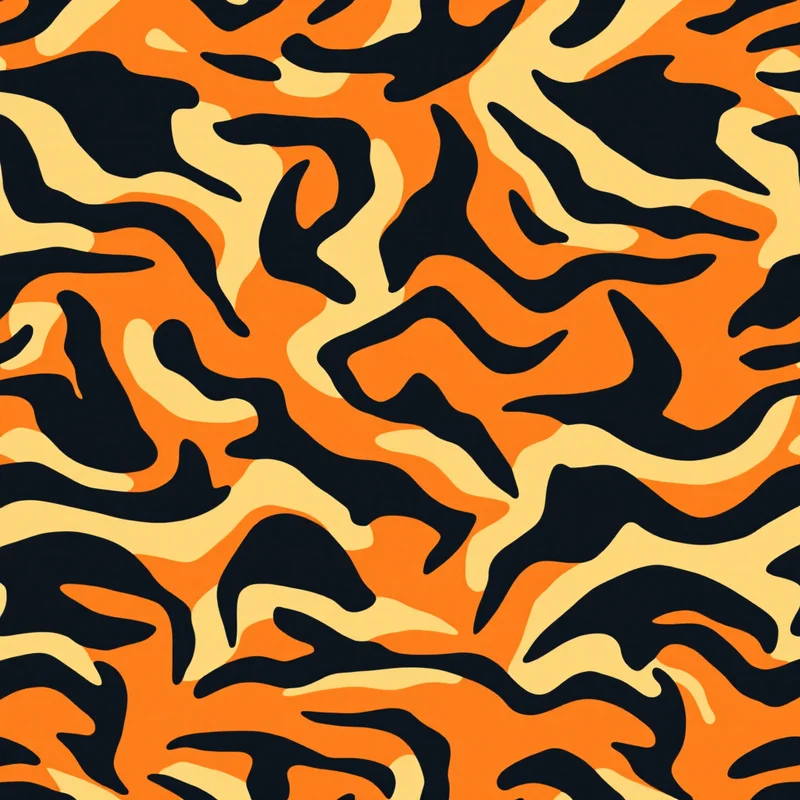


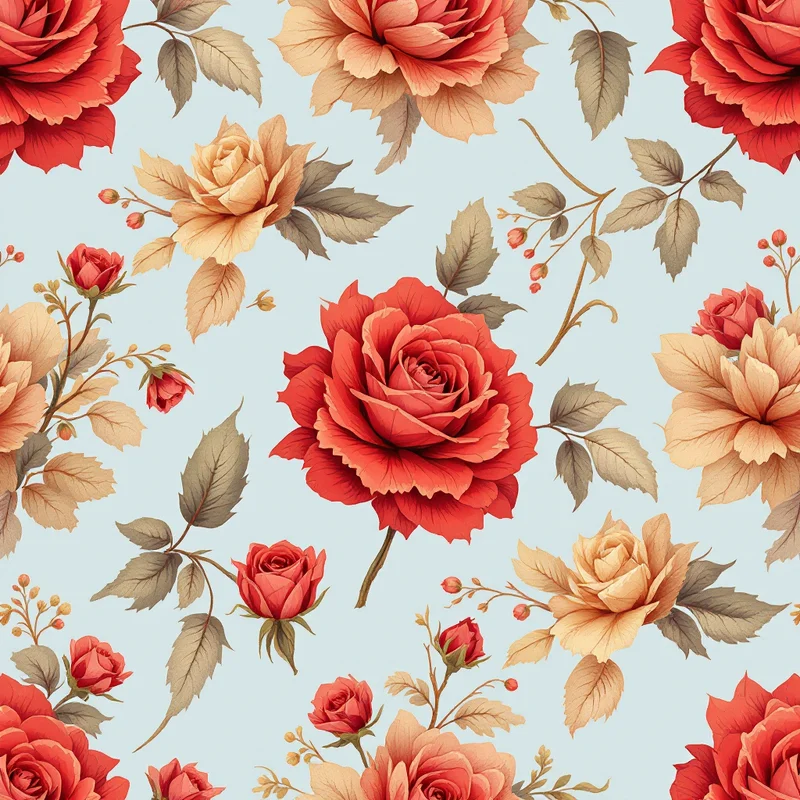
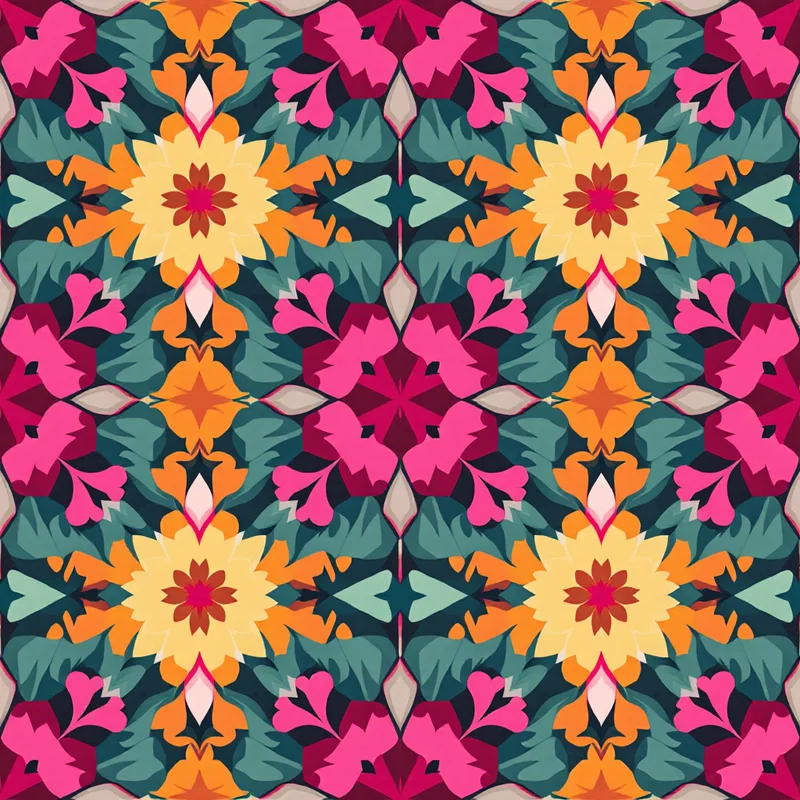
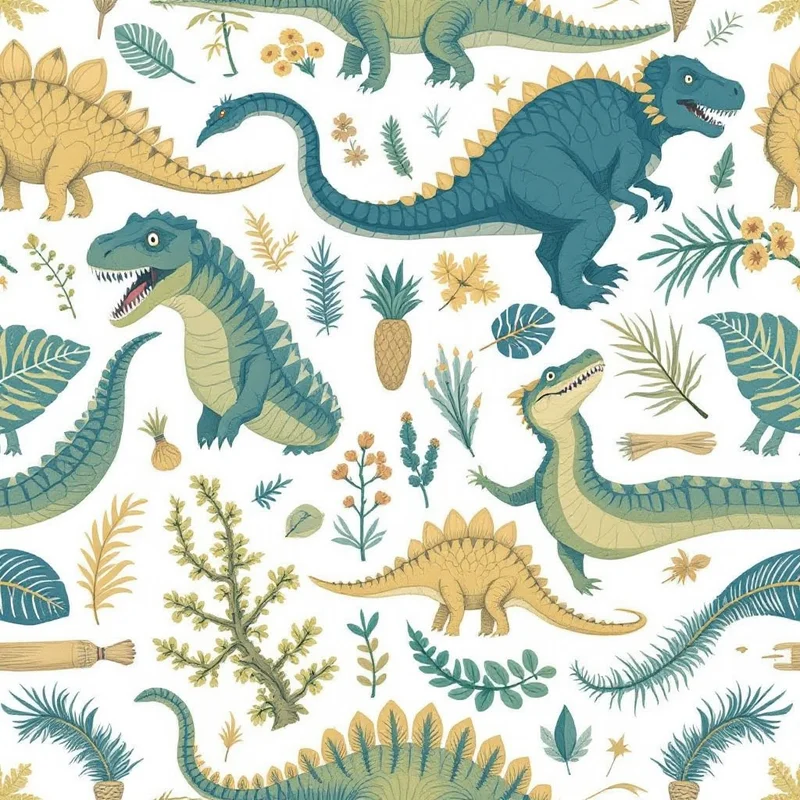
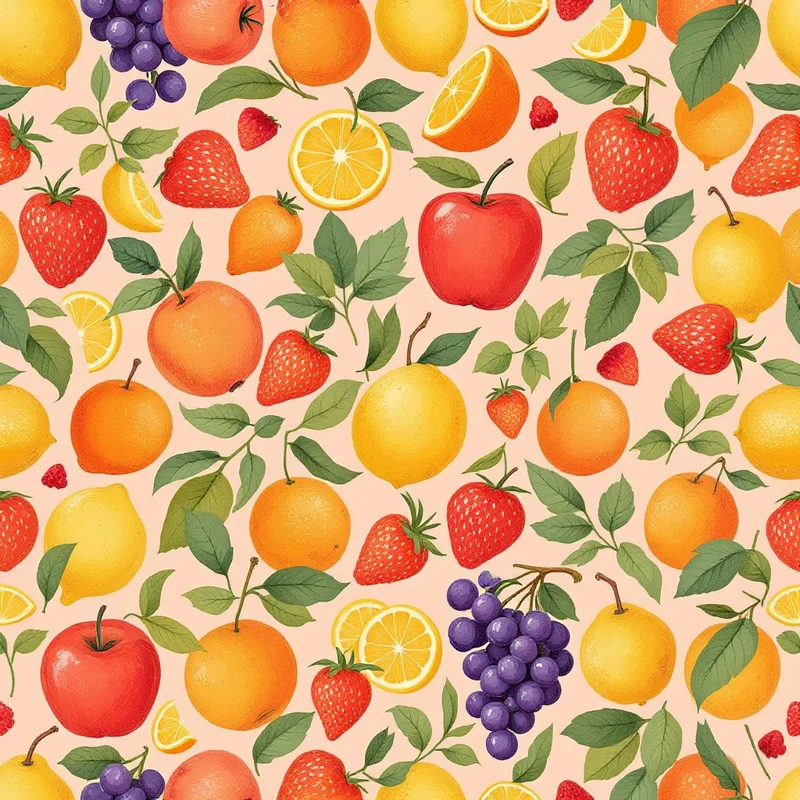

A fabric repeat is the fundamental building block of textile production. Every printed dress, every upholstered sofa, every curtain panel starts with a single seamless tile that repeats flawlessly across meters of fabric. Generate production-grade repeat tiles engineered for how fabric is actually printed — with proper tiling, appropriate density for your target repeat size, and export options that match what your print house requires.
Repeat layout matters as much as the pattern itself. A simple grid repeat is functional but can create visible columns and rows at production scale. A half-drop repeat offsets alternating rows by half a tile height, breaking up the grid and creating a more organic visual flow — the industry standard for most fashion and home textile prints. A brick repeat offsets columns instead, creating a different rhythm. A mirror repeat reflects the tile for kaleidoscopic symmetry. You get all of these layout options built in, so your tile arrives at the printer in the repeat format your production line expects.
For fashion designers working with textile mills, the technical specification matters. Your tile needs to match the printer's repeat size — typically 64cm, 90cm, or 120cm depending on the print head and fabric width. Generate patterns at the density and scale that read correctly at your intended repeat size, then export at the DPI your mill specifies. The workflow eliminates the back-and-forth of rejected tiles and resubmissions.
Digital fabric printing has democratized textile production. Independent designers can now print as little as one meter of custom fabric through services like Spoonflower, Contrado, Woven Monkey, and The Fabric Store. Every one of these platforms requires a seamless repeat tile in a specific format and DPI. Your patterns export ready for upload — no additional preparation needed.
For home textile manufacturers producing upholstery fabric, curtain material, and bedding, the repeat tile is the starting point of every product line. You can generate coordinating collections — a hero print with a mid-scale blender and a textured solid — all sharing a palette and engineered to work together when a consumer mixes products from the same line.
Export in PNG at 150 DPI for Spoonflower, TIFF at 300 DPI in CMYK for professional mills, or PDF with bleed margins for specialty print houses. Every tile is a true seamless repeat, production-tested and ready for manufacturing.