Design characteristics
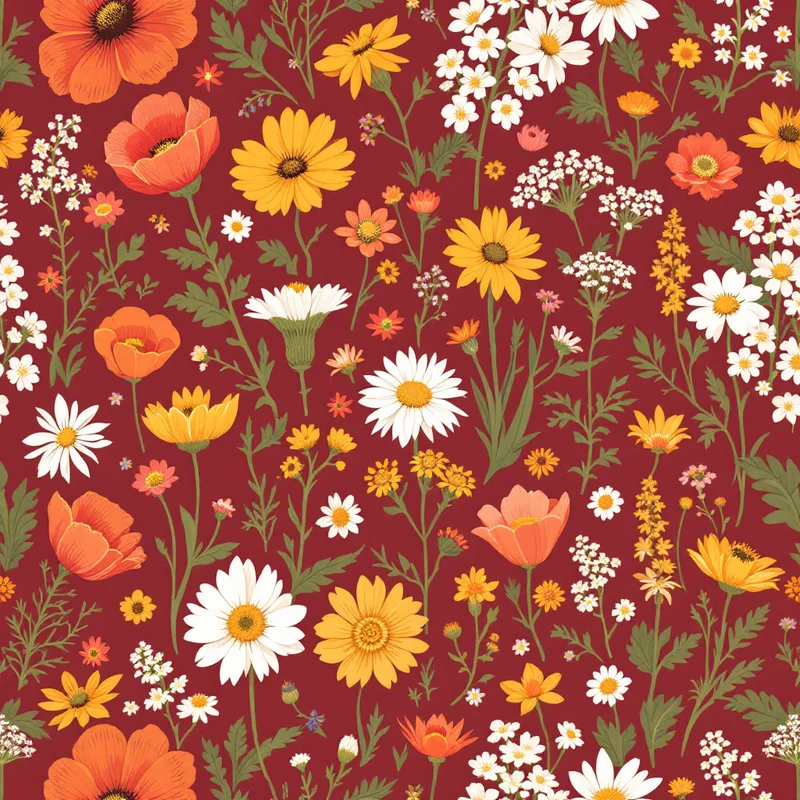
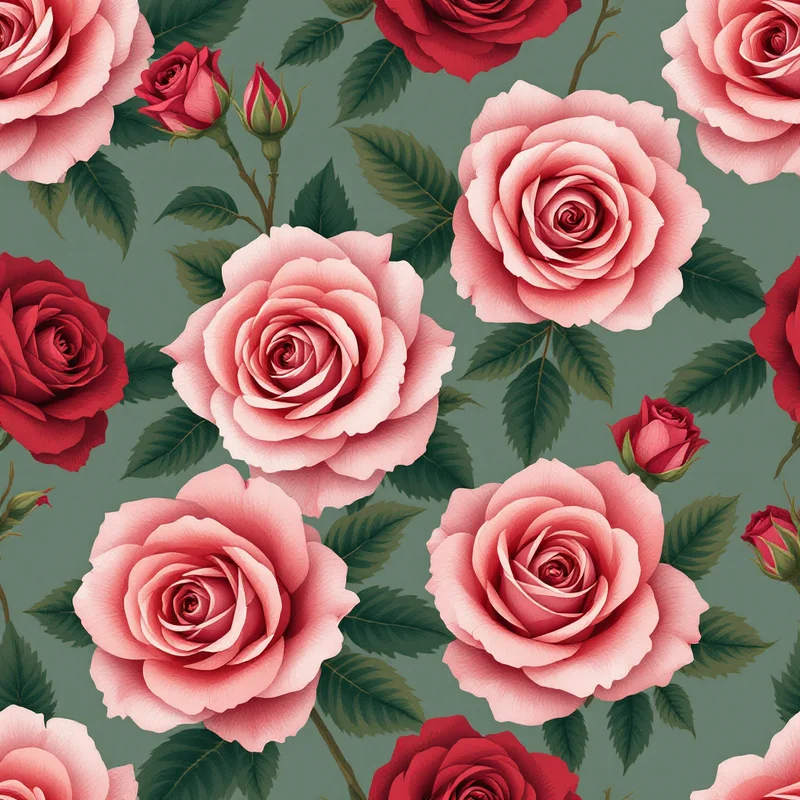
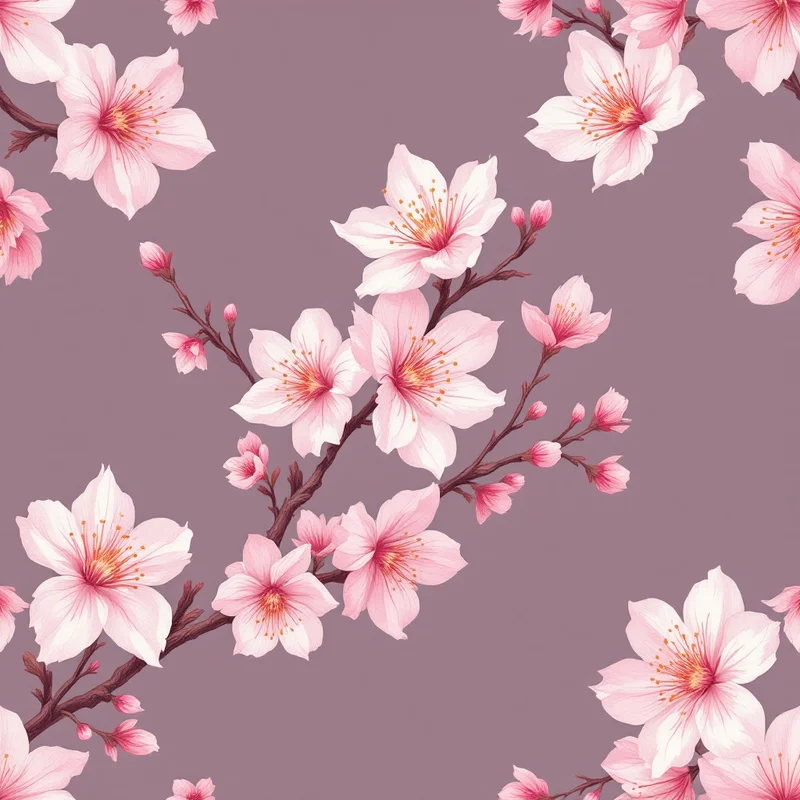
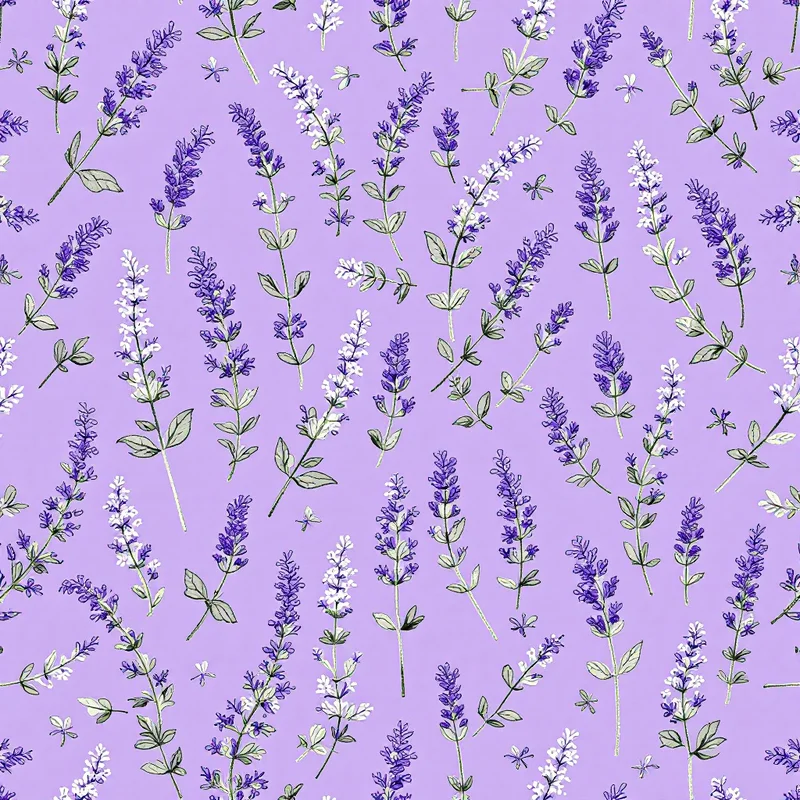
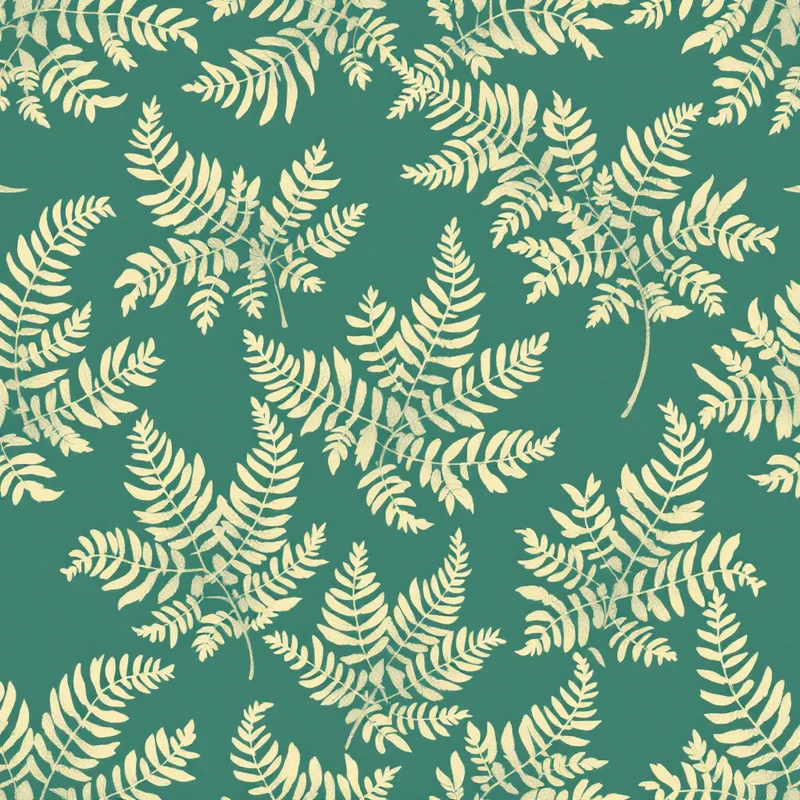
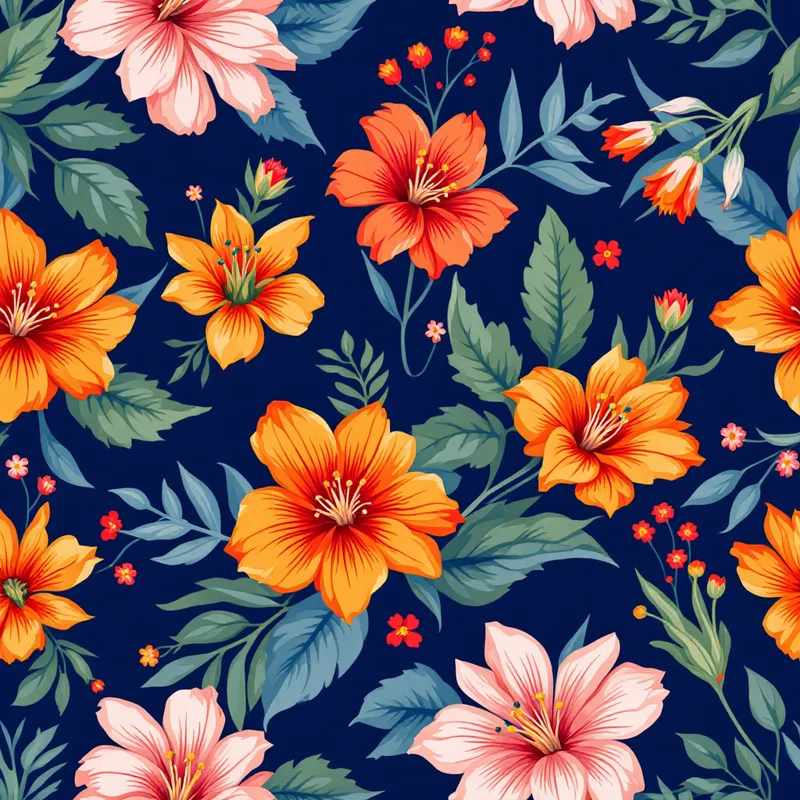
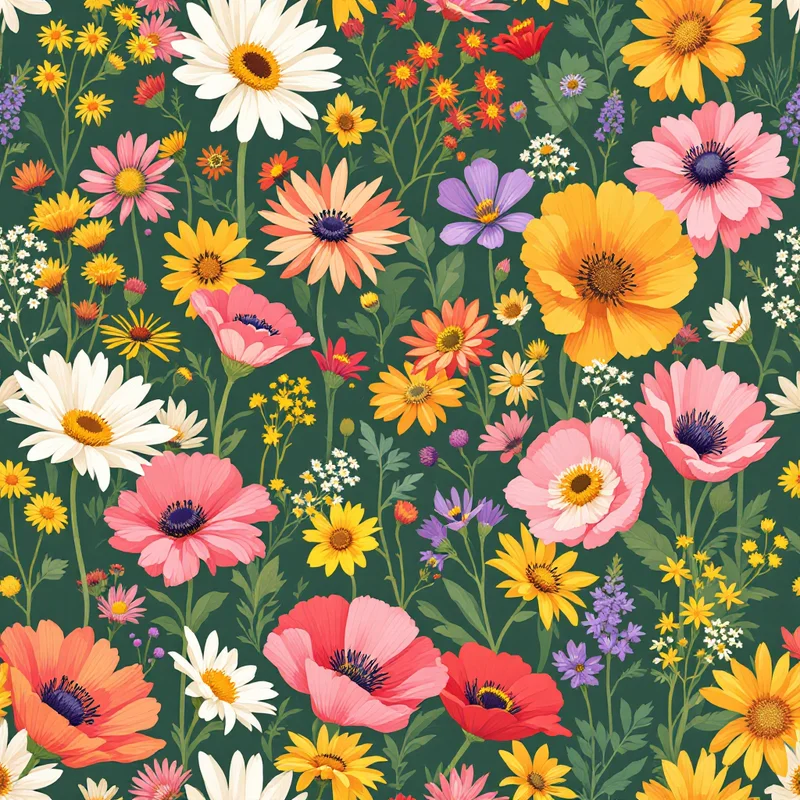
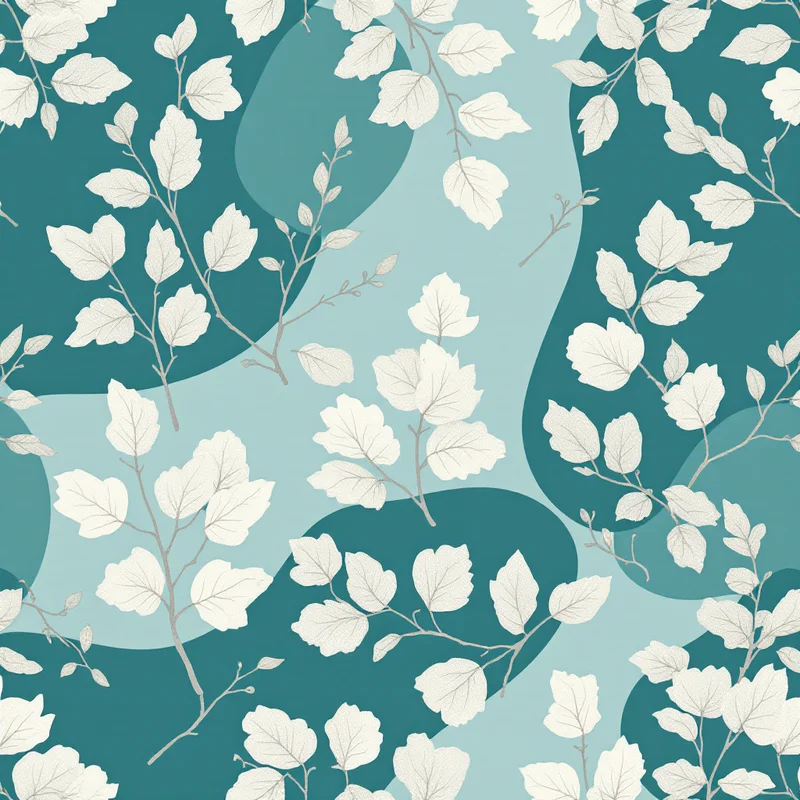
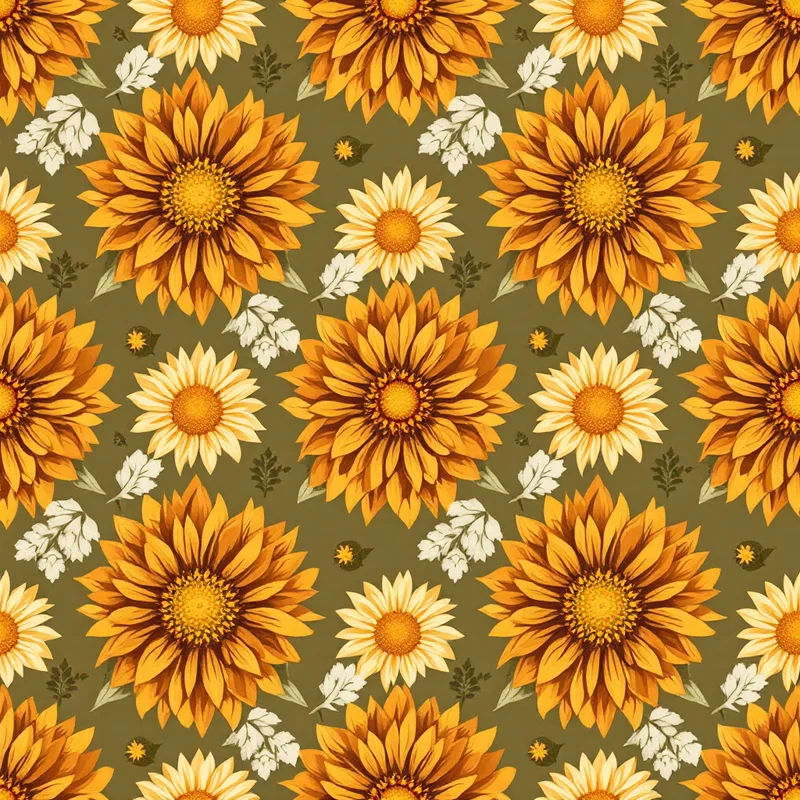
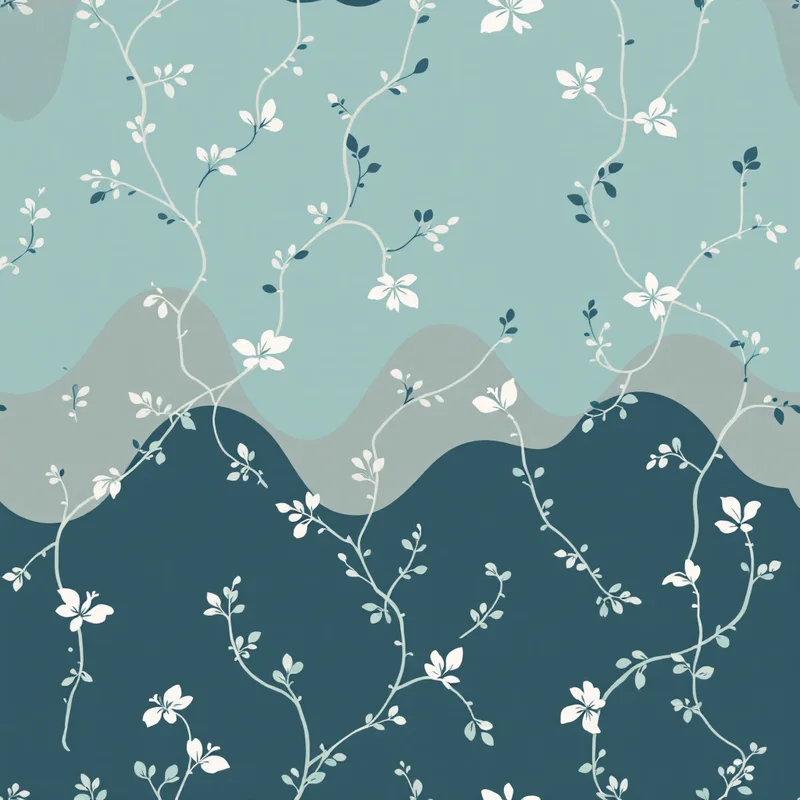
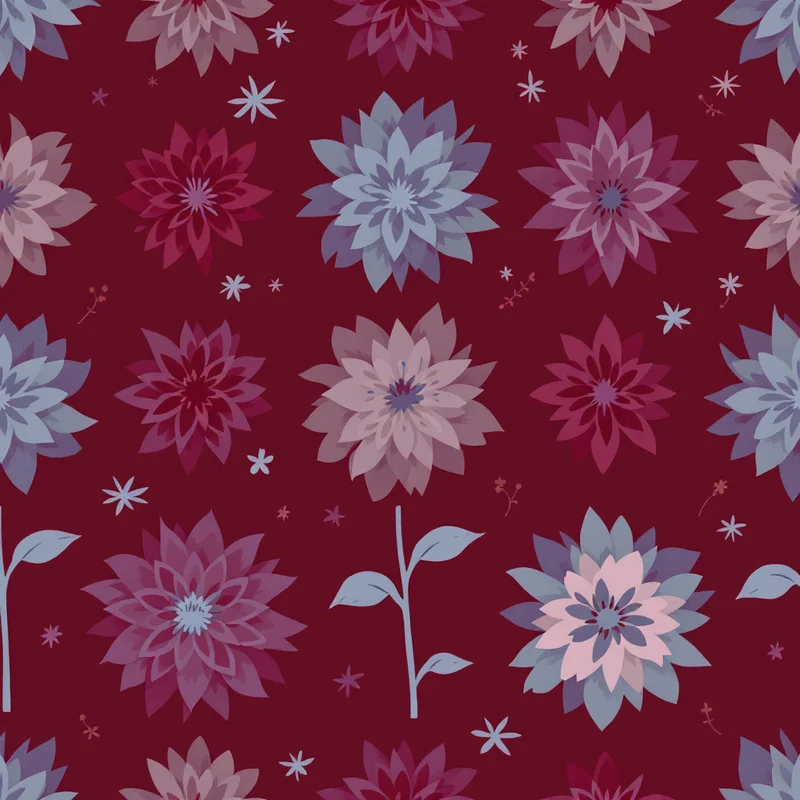
The palette is what sells the era. Dusty rose, faded sage, ochre, teal, and brick red dominate, almost always knocked back with grey or warmed with an ivory base so nothing looks neon. Designers reach for these patterns because they trigger instant nostalgia and warmth without feeling fussy. A vintage floral can make a fast-fashion blouse feel heirloom, soften a stark interior, or give a candle label the air of an apothecary that has been trading since 1890. The emotional shortcut is the commercial value.
Commercial applications
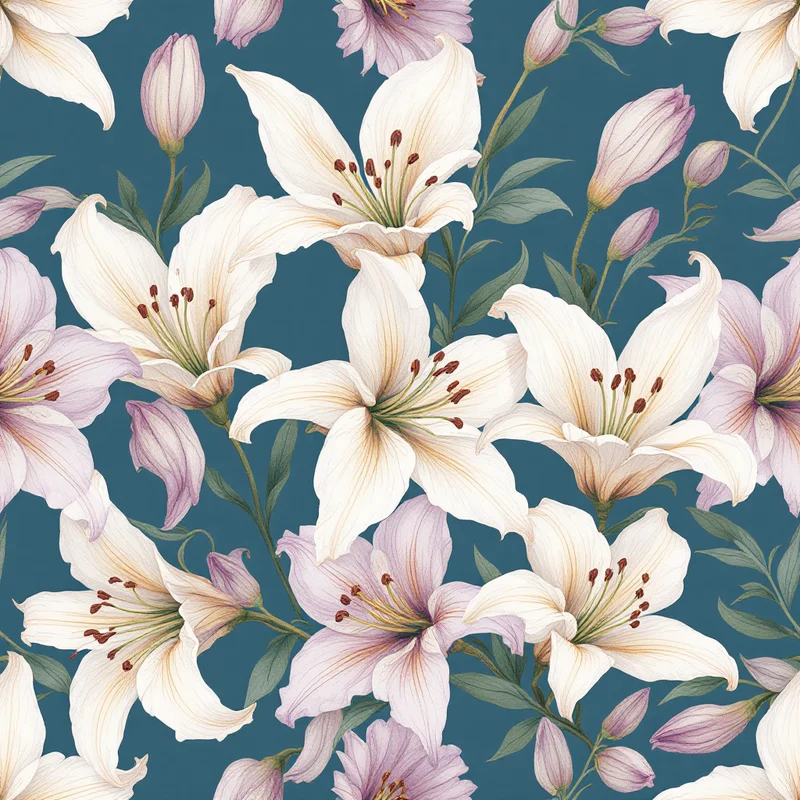
Visual hallmarks worth knowing: Liberty-style tana lawn florals stay tiny and dense; cottagecore and granny-chic leans on full cabbage roses and trailing vines; Victorian and Art Nouveau revivals add scrolling stems and stylized lily or poppy heads; 1960s and 1970s retro florals flatten the blooms into bold daisies and stylized marigolds with thick outlines. Each sub-look keeps the same aged color logic but changes the scale and density of the flowers, which is exactly what makes the category so versatile.
Where to use vintage floral patterns, designed in minutes patterns
Across products, the pattern adapts by scale rather than redesign. A small ditsy repeat suits dress fabric, scarves, face masks, and stationery, where the eye wants many tiny blooms. Scaled up, the same bouquet becomes wallpaper, upholstery, duvet covers, and gift wrap, where larger motifs hold the wall or the panel without looking busy. The seamless repeat means it tiles edge to edge with no visible seam, so it works equally on a phone case, a tote bag, ceramic packaging, or a continuous roll of fabric printed by the meter.
Customization & export
Pattern Weaver builds the whole thing from your choices. Pick a vintage floral style, then steer the look with simple controls: a density slider takes you from airy scattered sprigs to packed chintz; a color control swaps the palette to dusty pastels, moody dark florals, or bright retro tones; and a scale control resizes the blooms for fabric versus wallpaper. The studio keeps every version seamless while you experiment, so you can branch a single bouquet into a coordinated collection of motifs, geometrics, and stripes that share the same aged colors.
When a design is ready, export it for real production. Pattern Weaver outputs seamless tiles up to 8K (8192x8192) in PNG for print-on-demand and digital mockups, TIFF for fabric mills and high-resolution upholstery runs, and PDF for packaging proofs and print shops. The high resolution holds the soft brush edges and faded color transitions that make a vintage floral convincing, so the finished roll, label, or wallpaper panel looks designed rather than stamped out by a machine.