
Design characteristics
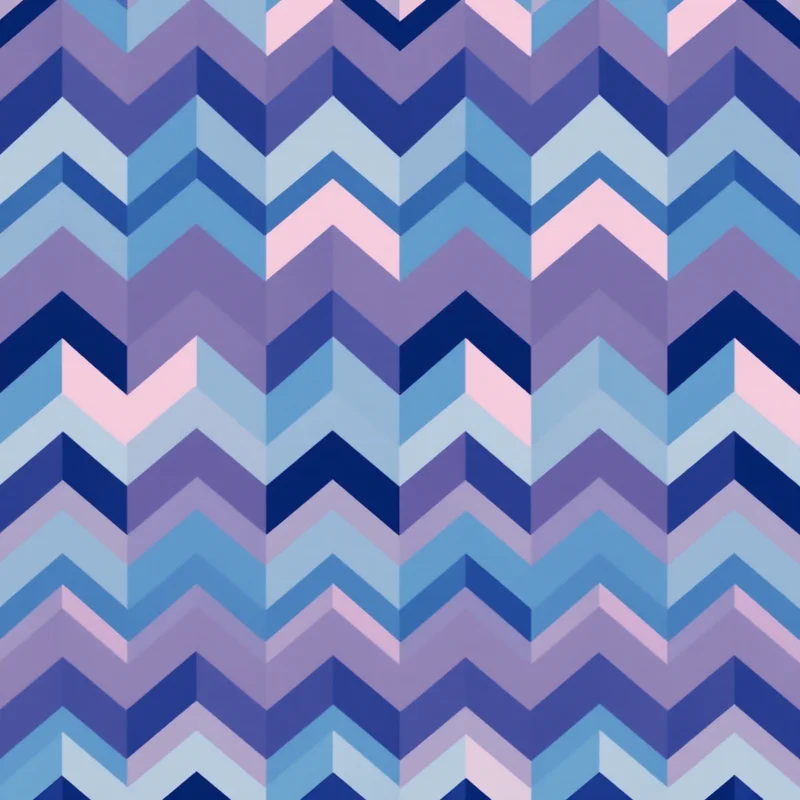
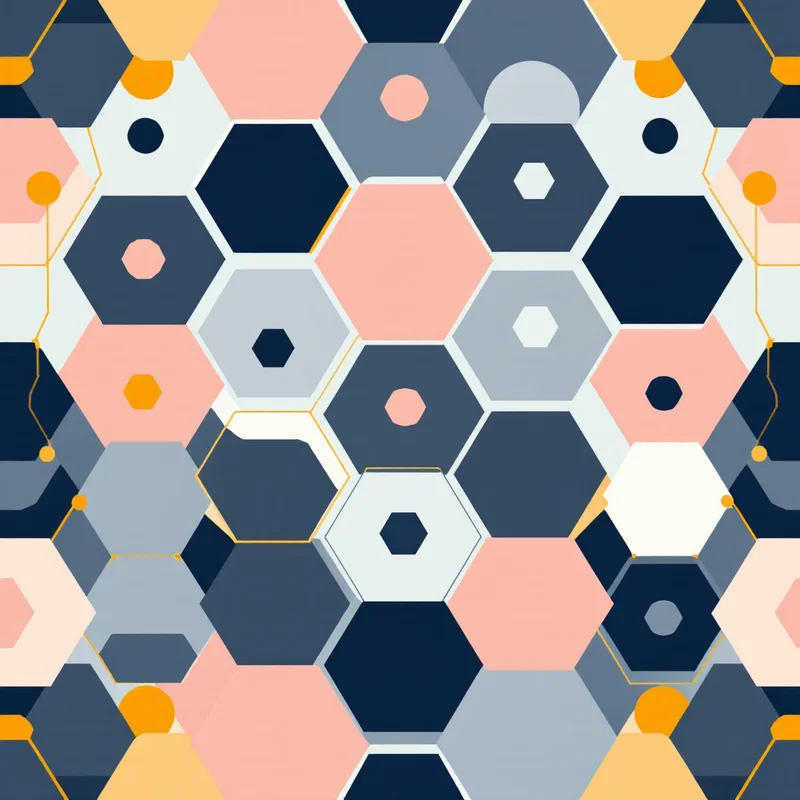
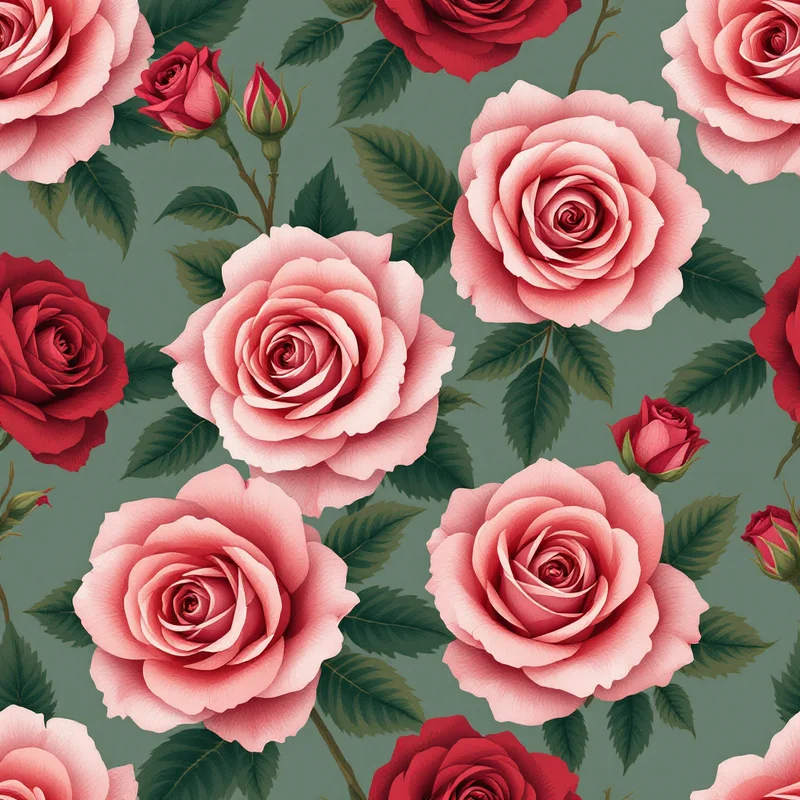
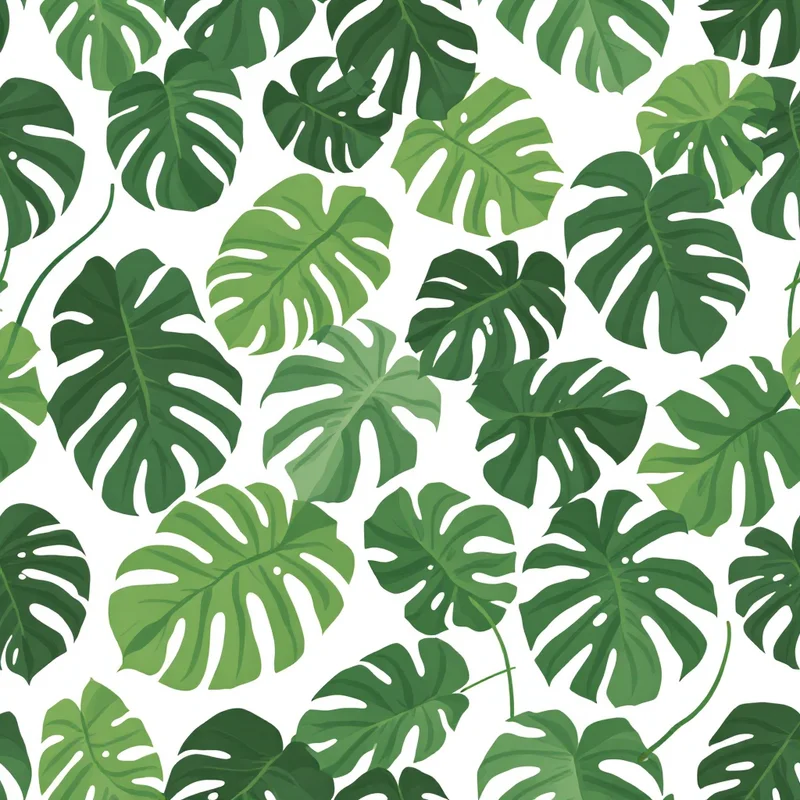
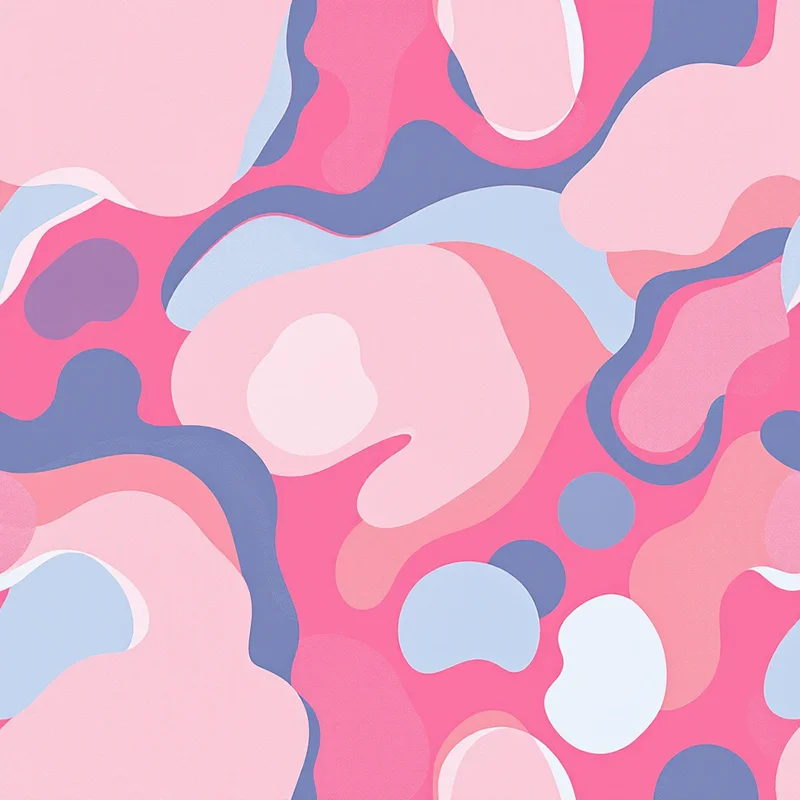
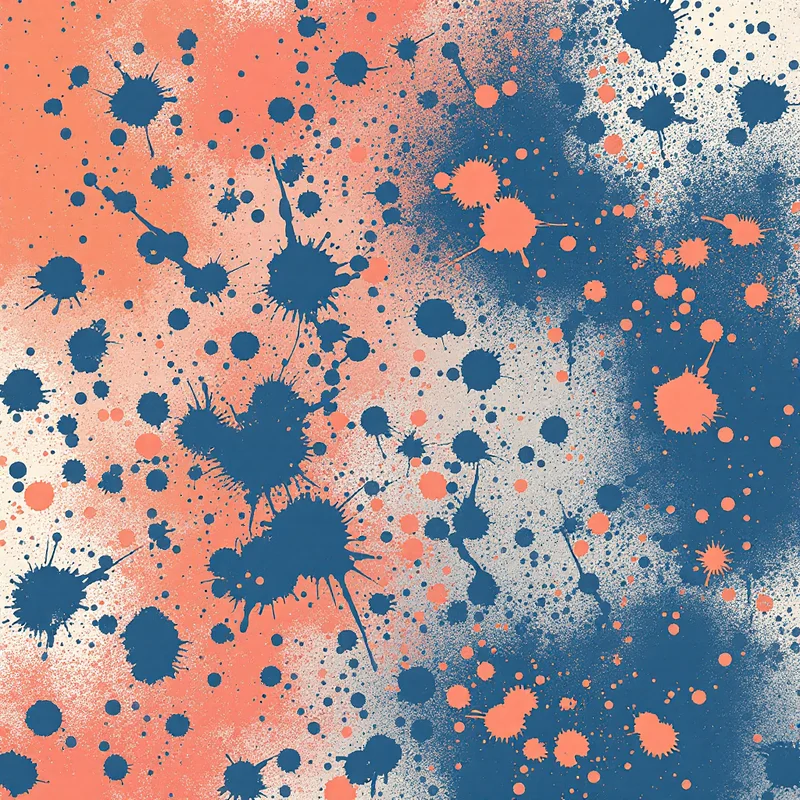
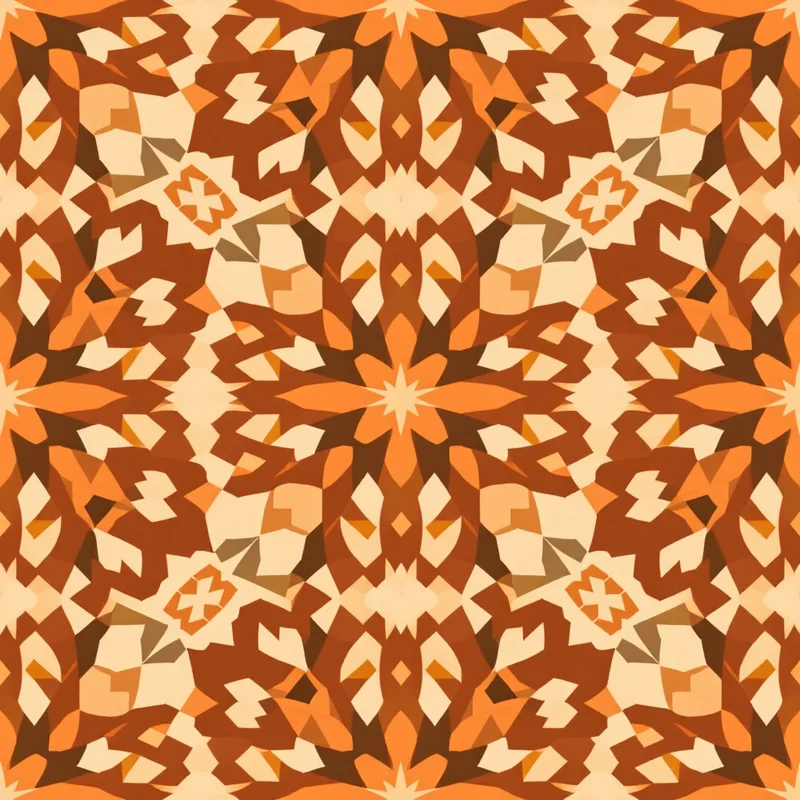
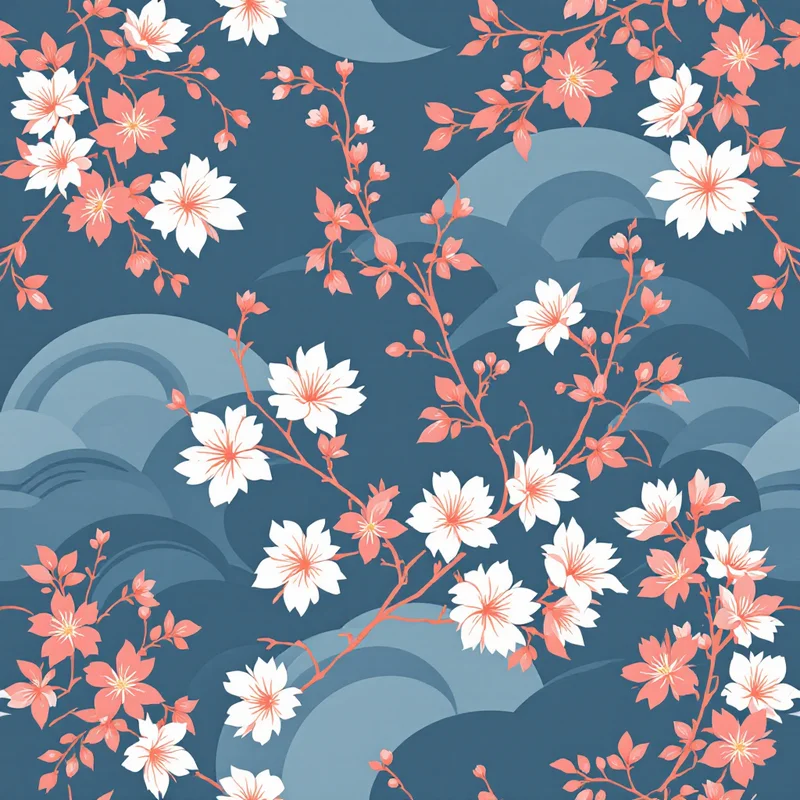
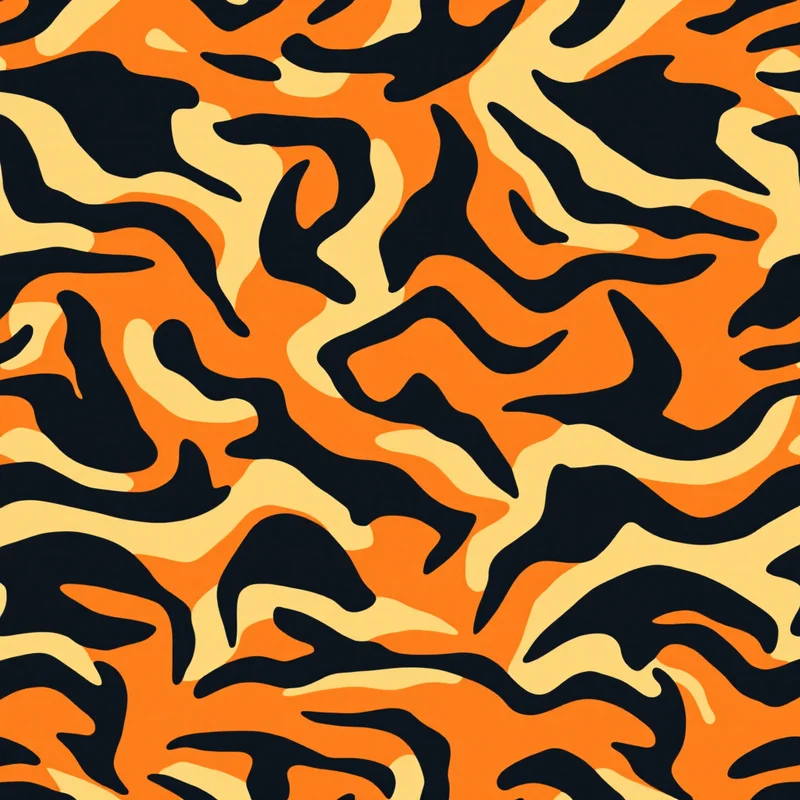
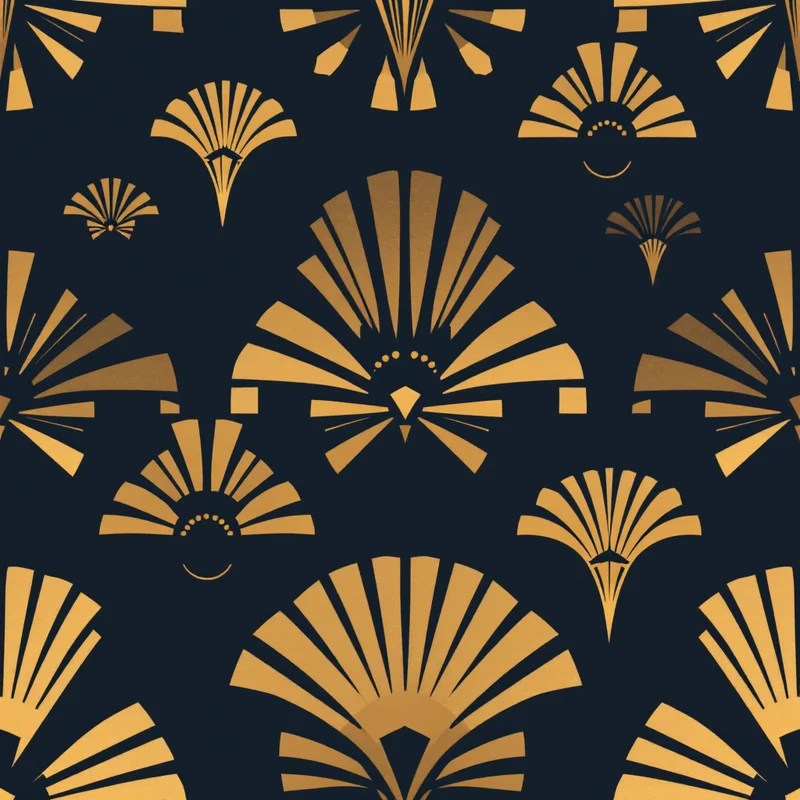
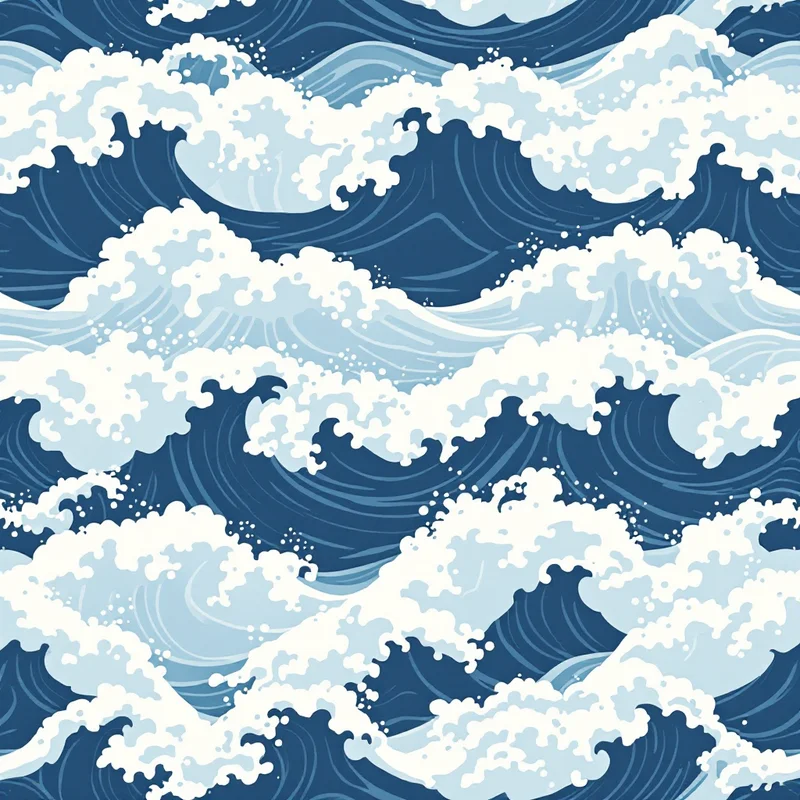
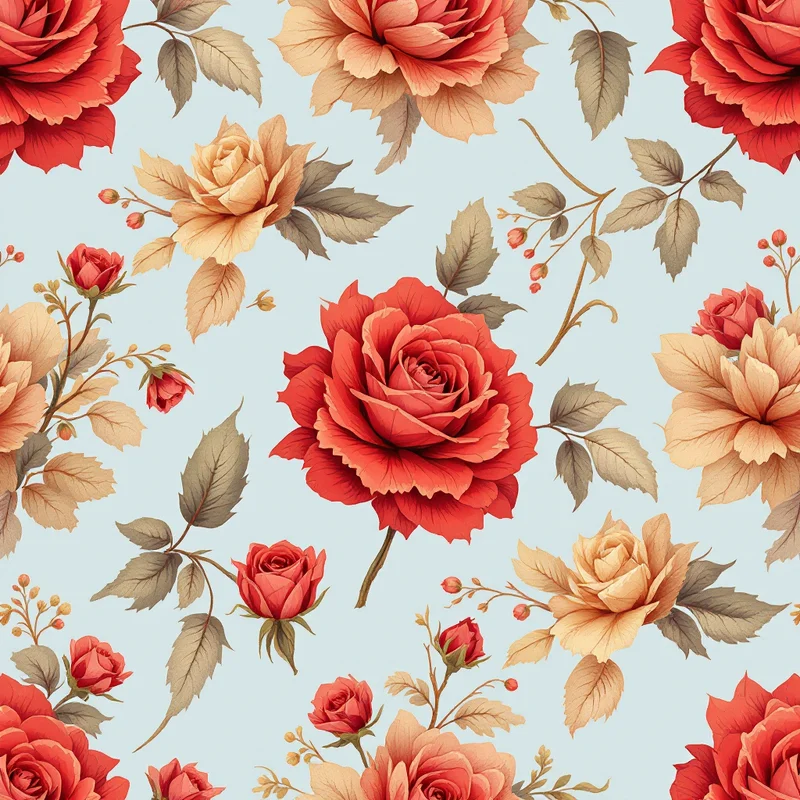
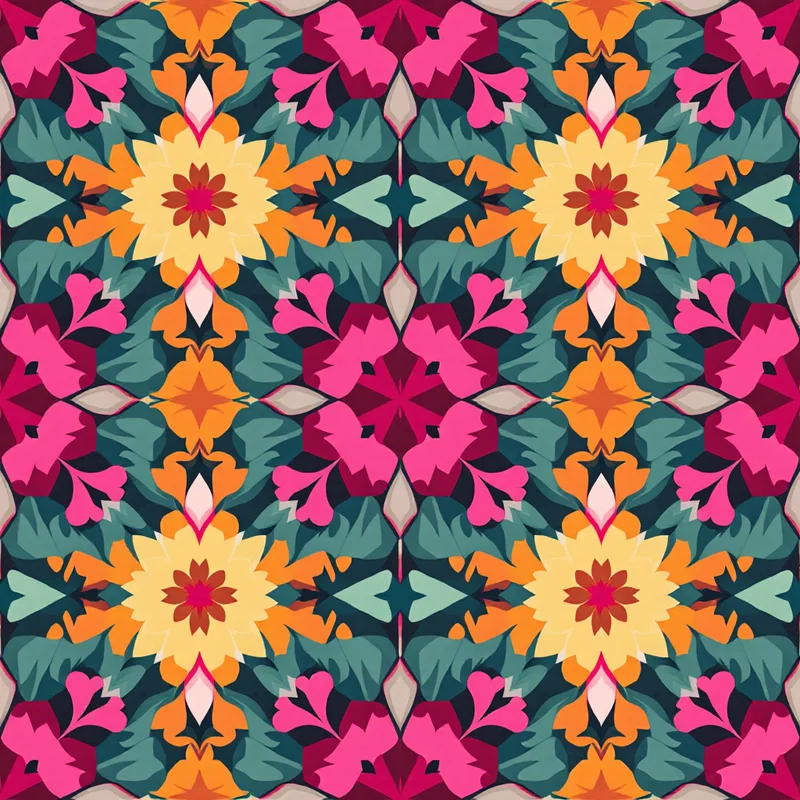
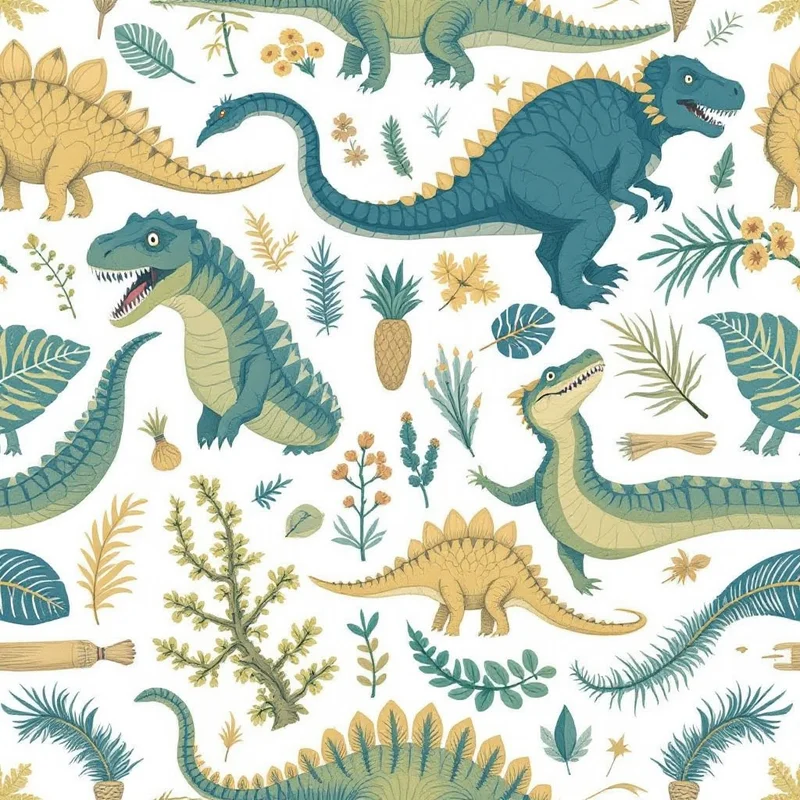
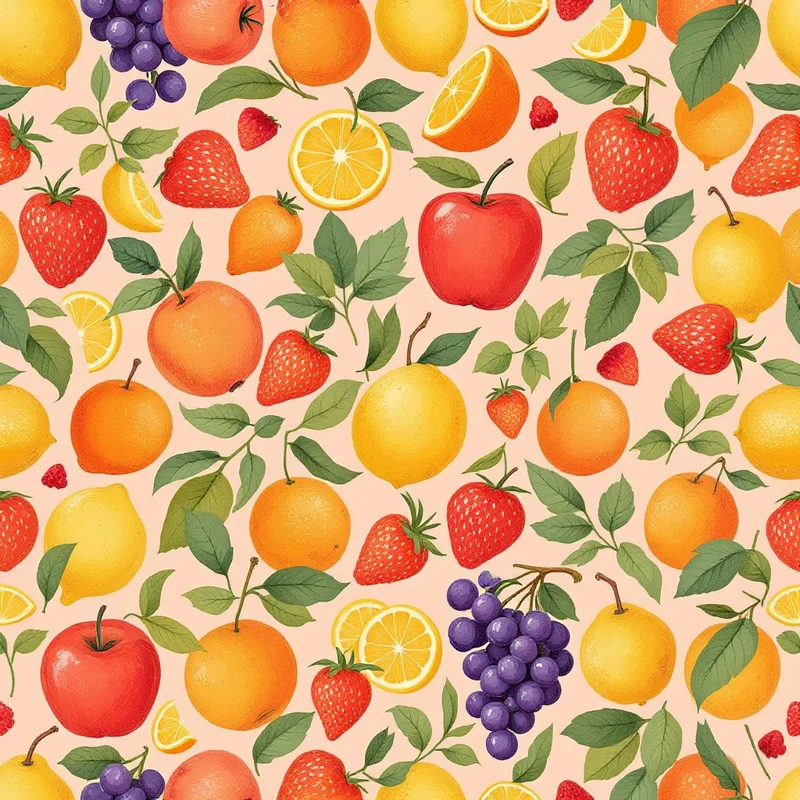
The field is wide. Geometric work leans on grids, half-drop offsets and clean line weights. Botanical and floral designs build from leaves, stems and blooms scattered or arranged in ogee and stripe layouts. Cultural and vintage traditions bring damask, paisley, toile and folk motifs, each with its own color logic and density. Color is doing as much work as drawing: a tight two-tone palette feels modern and graphic, while layered earth tones or jewel shades read rich and decorative. Scale changes everything too, since the same motif tiny and dense reads as texture, while large and open it becomes a statement print.
Commercial applications
Plenty of people need pattern design and not all of them are illustrators. Independent fashion labels want signature prints for collections. Print-on-demand sellers need fresh artwork across mugs, leggings and phone cases. Interior brands cover wallpaper, upholstery and bedding. Stationery and packaging studios wrap boxes, bags and wrapping paper. Crafters and quilters want repeats for fabric-by-the-yard services. Marketing teams need on-brand backgrounds and motifs. What they share is a need for original, owned artwork that tiles correctly and prints sharp, without weeks of manual drafting.
Where to use pattern design for textiles, print and surface work patterns
This is where Pattern Weaver fits. You pick a style and substyle, choose colors, set density and scale, and our AI engine builds the artwork as a true seamless tile. Because the studio is built around that pattern logic rather than a generic image tool, the repeat lines up on every edge by default. You can nudge the motif, swap the palette, tighten or loosen the spacing, and regenerate until the rhythm feels right, so the design stays yours to steer rather than a one-shot guess.
Customization & export
When the look is locked, export is built for real production. Patterns come out as seamless tiles up to 8K (8192x8192), so the artwork holds detail on large-format wallpaper and full-width fabric. PNG and WEBP suit web mockups and digital previews, JPG keeps file sizes manageable for quick sharing, TIFF gives print shops the high-fidelity raster they expect, PDF wraps it for handoff, and SVG covers clean geometric work that needs to scale without softening. You set the tile size and format to match the printer or marketplace, so the file arrives in the shape the job needs.
Pattern design rewards iteration, and that is the real advantage of working this way. Instead of committing hours to a single motif before you know it works, you can test ten directions in the time it used to take to rough out one, compare palettes side by side, and only invest finishing effort in the repeat that earns it. Whether you are filling a seasonal collection, building a print-on-demand catalog, or sourcing a single hero print for a product launch, the goal is the same: original, seamless, print-ready artwork that you own and can take straight to manufacturing.