Design characteristics
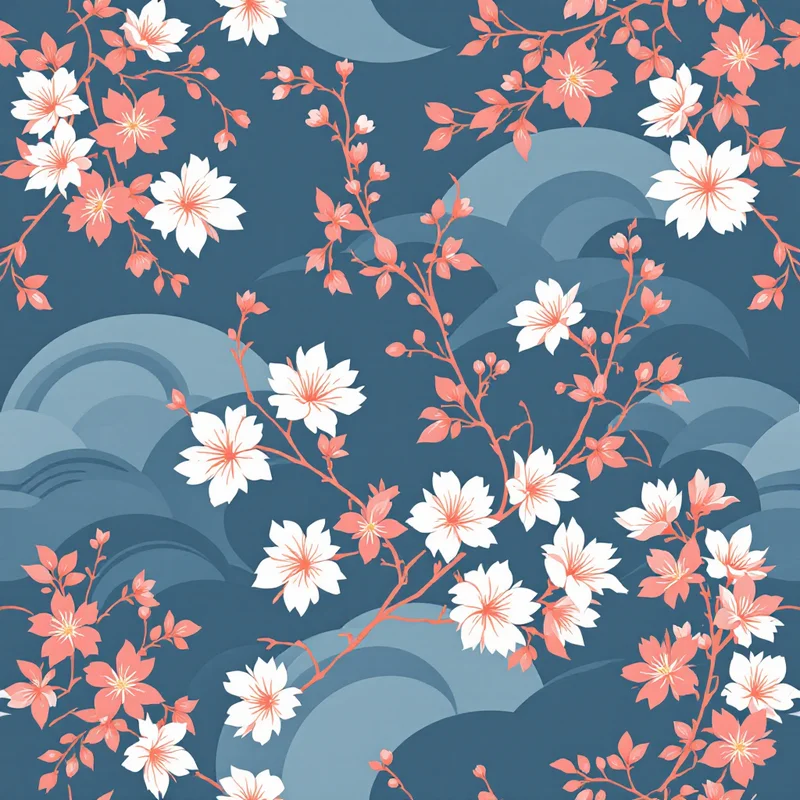
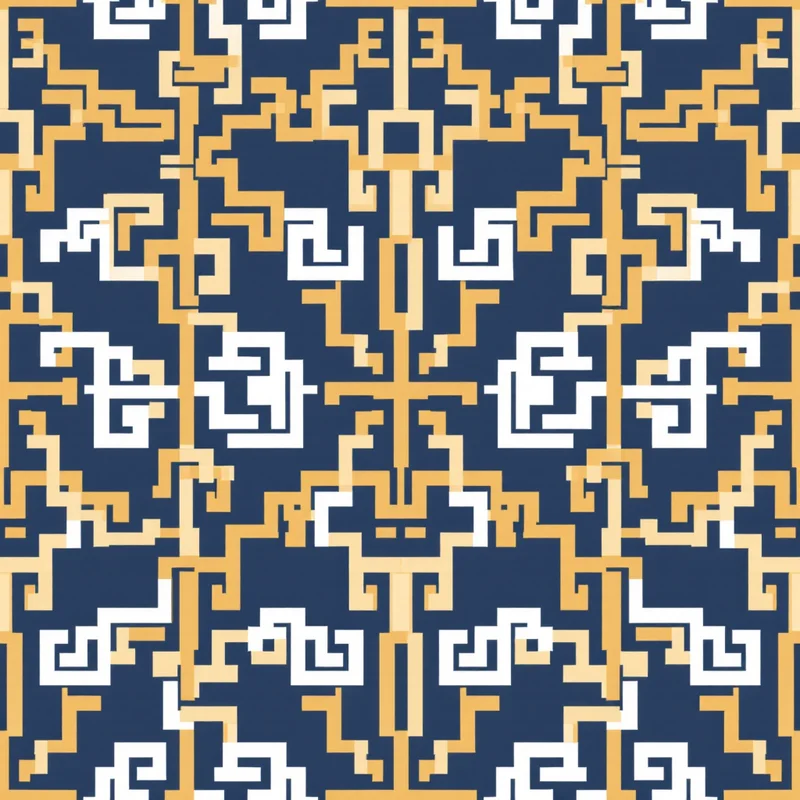
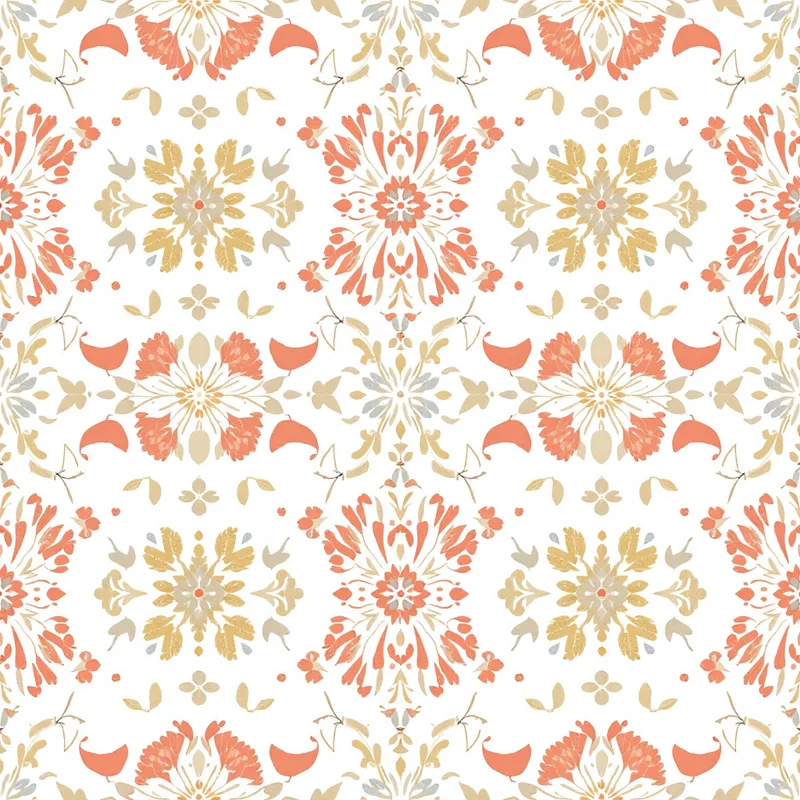
The wabi-sabi philosophy — finding beauty in imperfection and transience — runs through many Japanese pattern aesthetics. Cherry blossom scatters evoke the fleeting beauty of spring. Indigo-dyed Sashiko stitching celebrates the handmade. Ukiyo-e-inspired motifs bring a painterly depth drawn from woodblock printing traditions. These qualities make Japanese patterns some of the most emotionally resonant designs available for textiles, packaging, and interiors.
Commercial applications
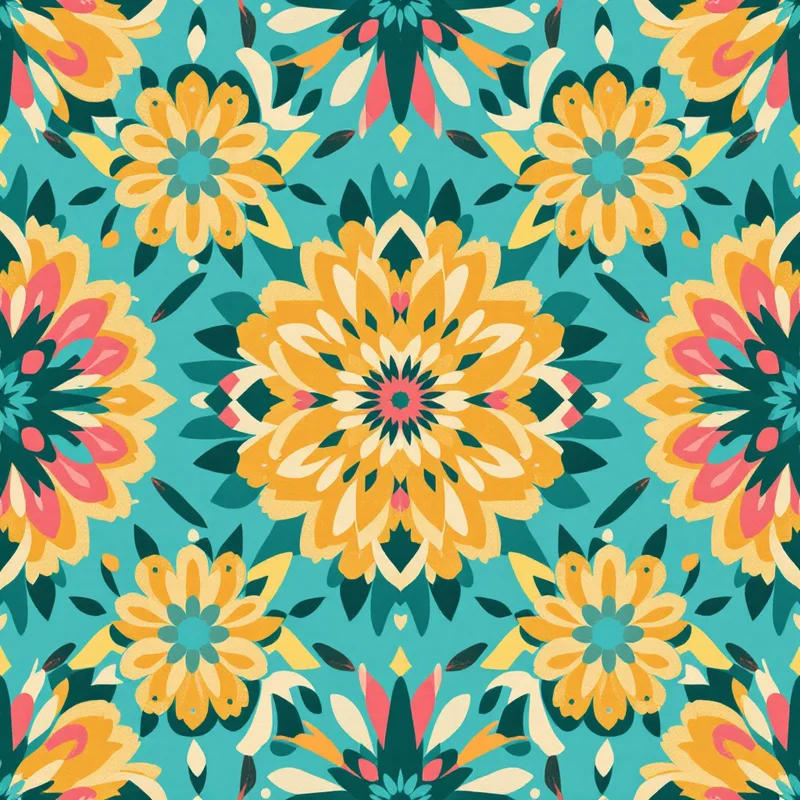
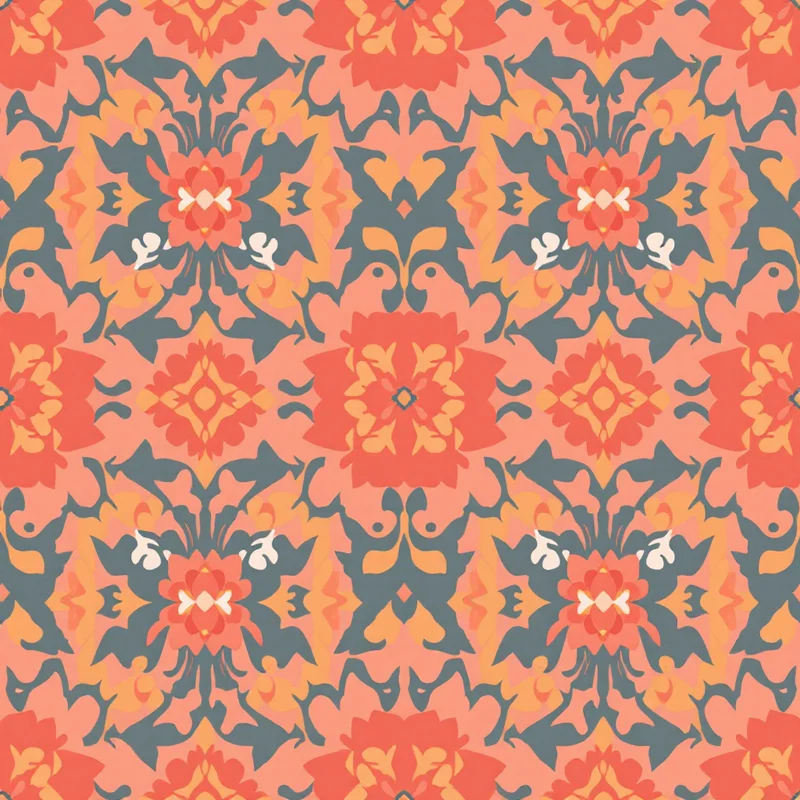
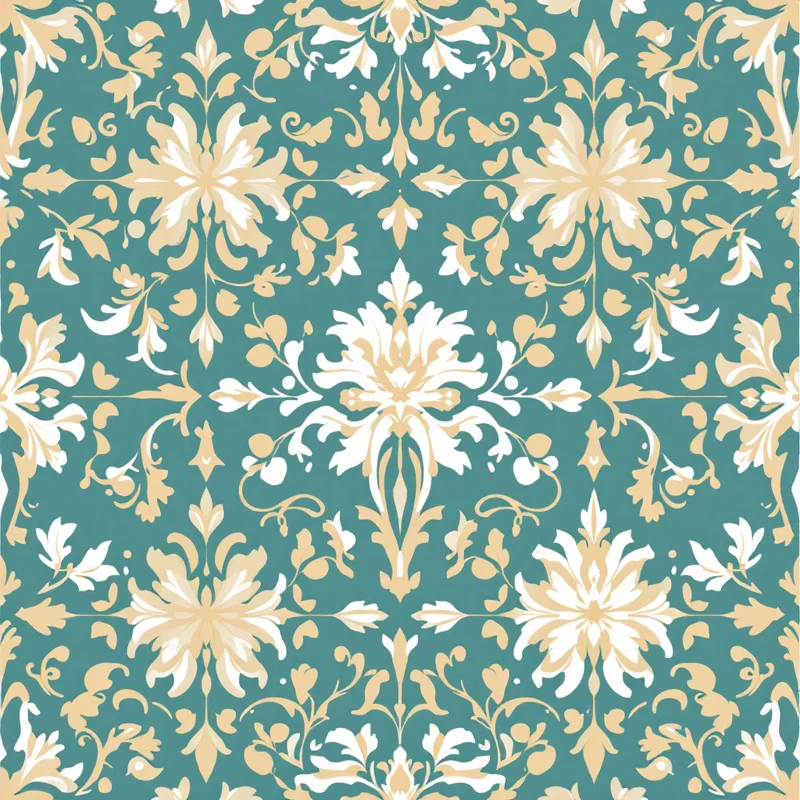
Contemporary applications for Japanese-inspired patterns span fashion, home goods, and branding. A Seigaiha wave repeat on silk scarves or kimono-style robes carries immediate sophistication. Asanoha geometrics work on modern cushion covers, ceramic decals, and notebook covers. Sashiko-style stitching patterns add artisan warmth to denim, aprons, and tote bags. The structured geometry of traditional Japanese motifs also scales predictably, performing well from small accessories to large-format wallpaper.
Where to use japanese patterns
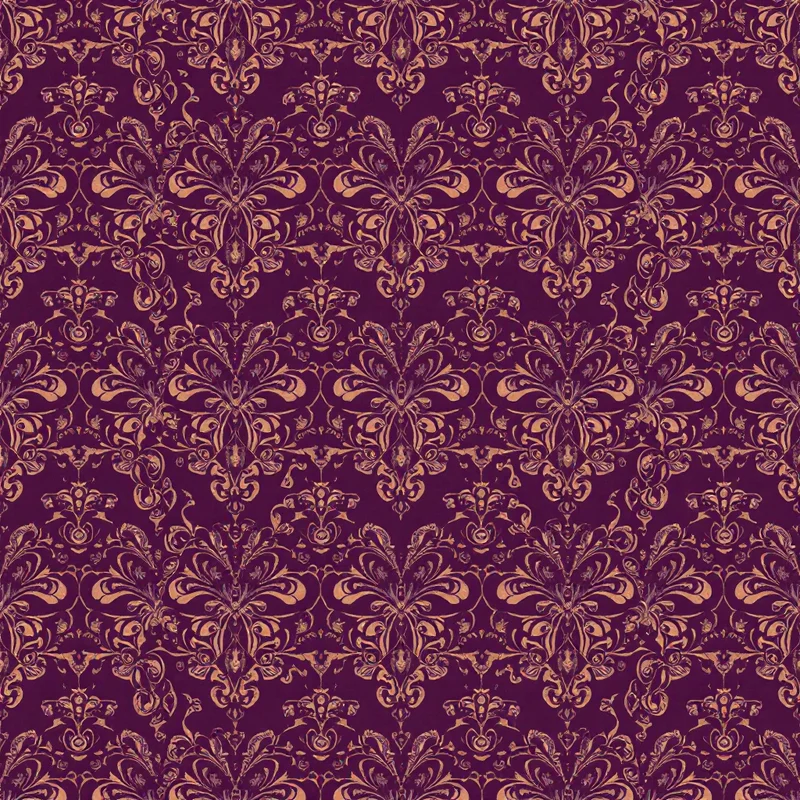
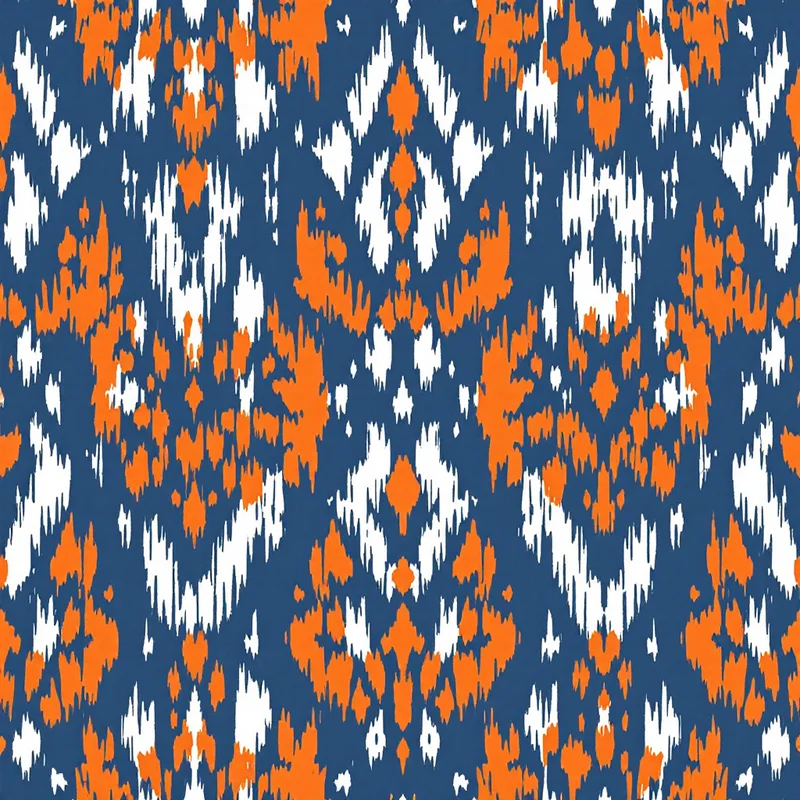
You control palette, density, and rendering style for every design. Shift from traditional indigo-and-white to contemporary pastels or bold color-blocking. Adjust line weight from fine brushwork to graphic boldness. Render in a clean vector style for modern applications or a textured ink-wash finish for heritage aesthetics. These are AI-generated designs inspired by Japanese visual traditions, not reproductions of cultural artifacts — giving you creative freedom while honoring the source.