Design characteristics
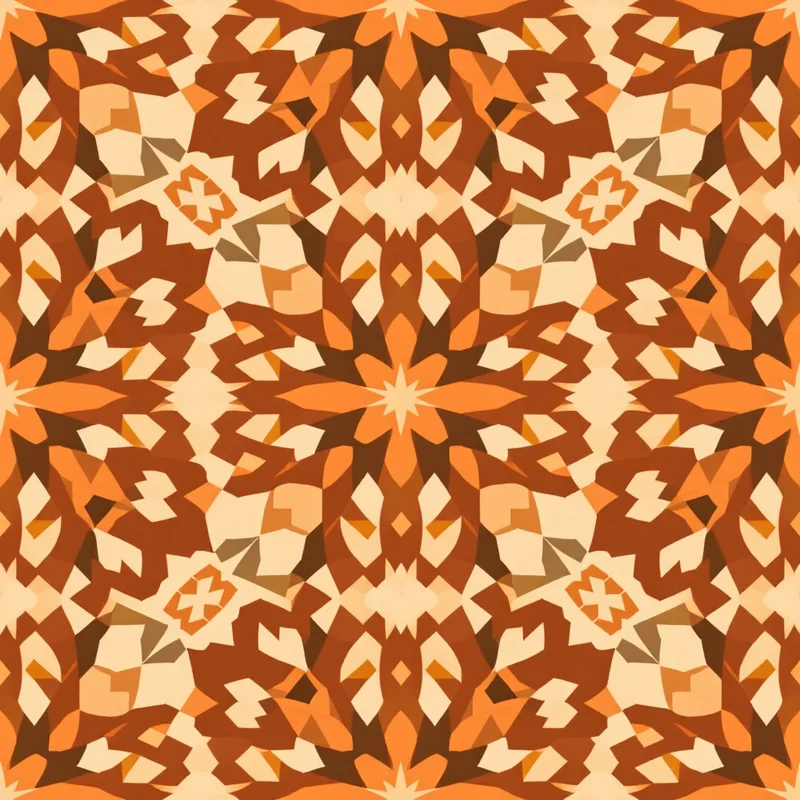
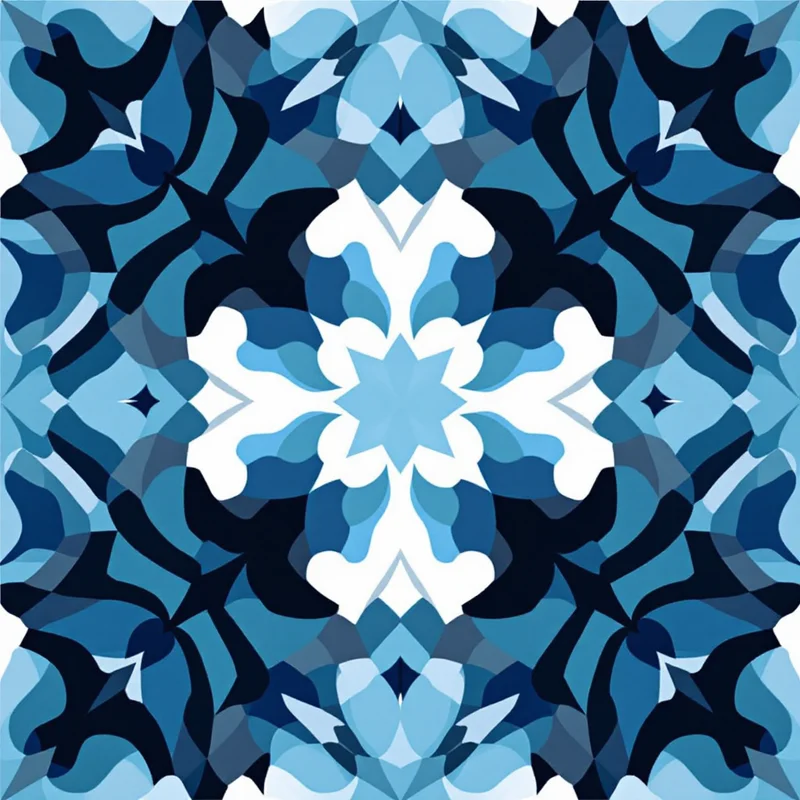
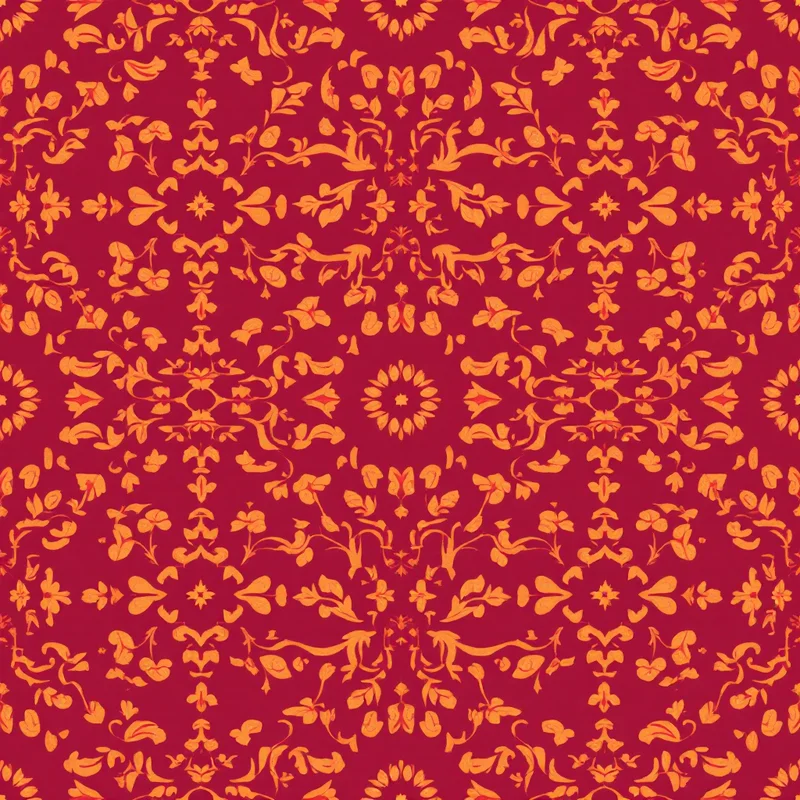
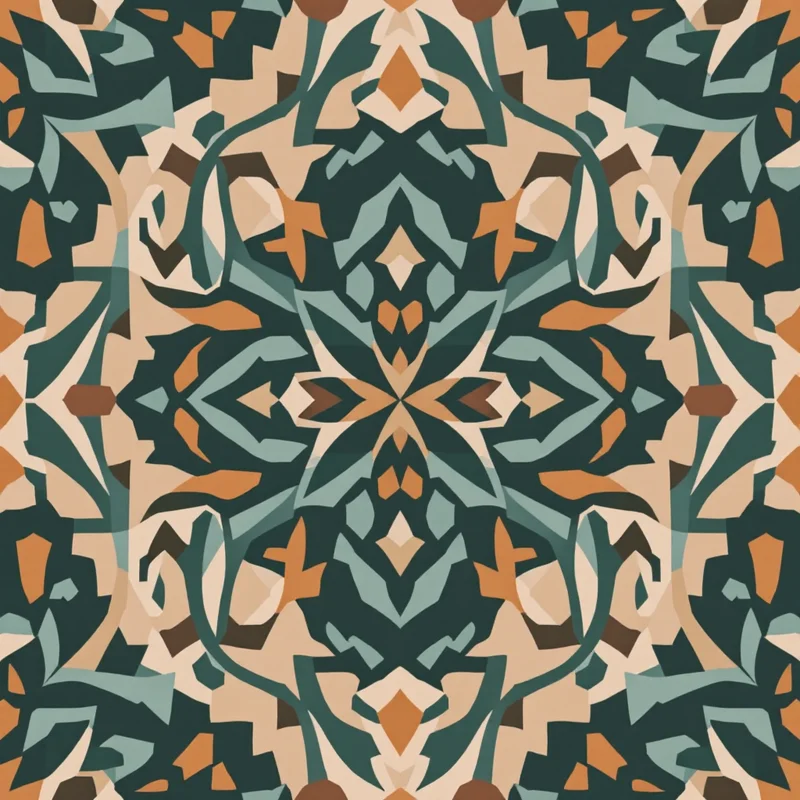
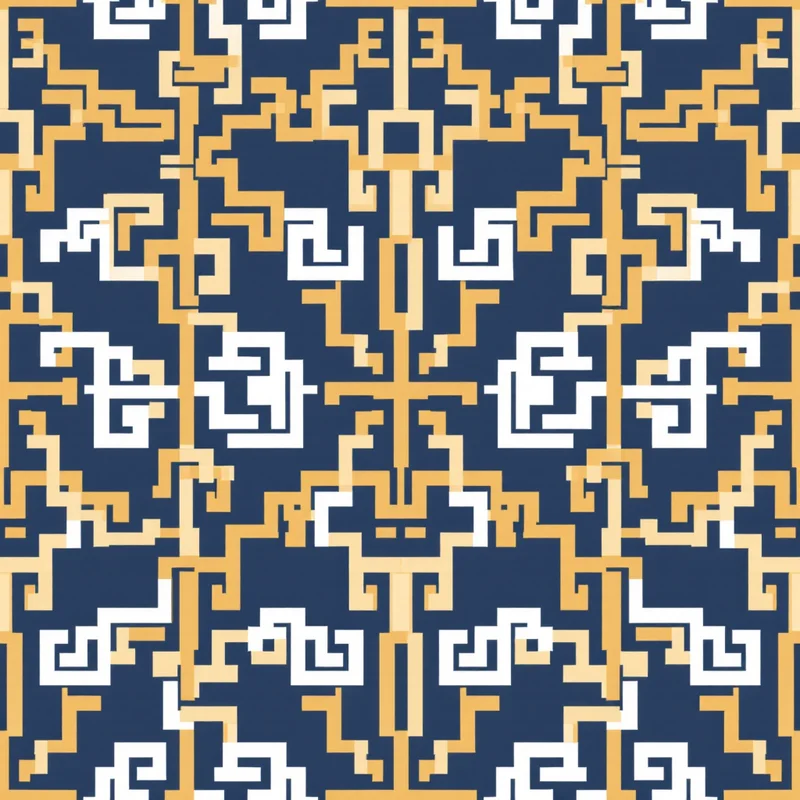
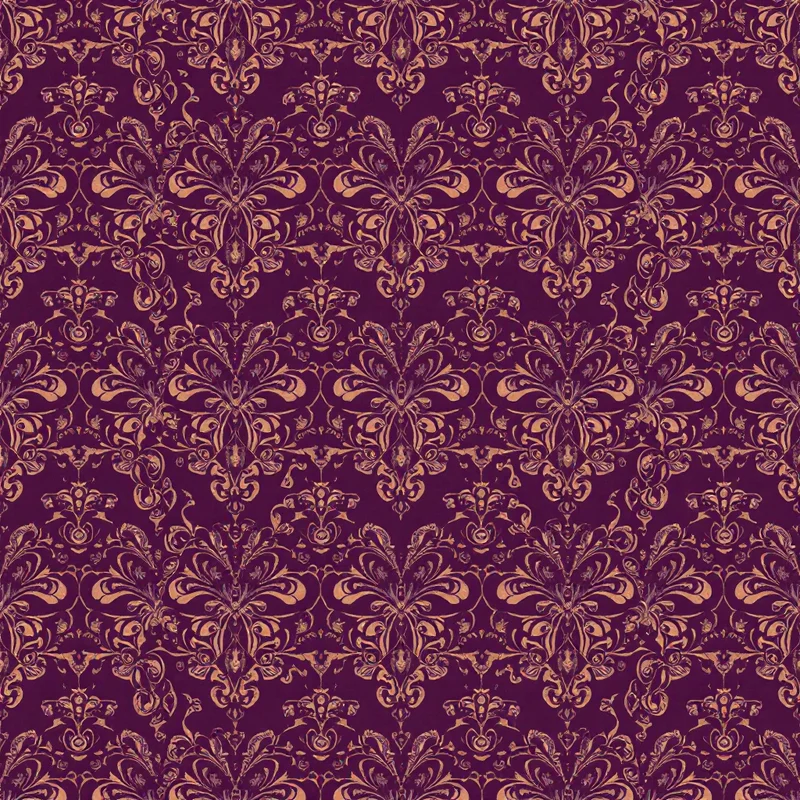
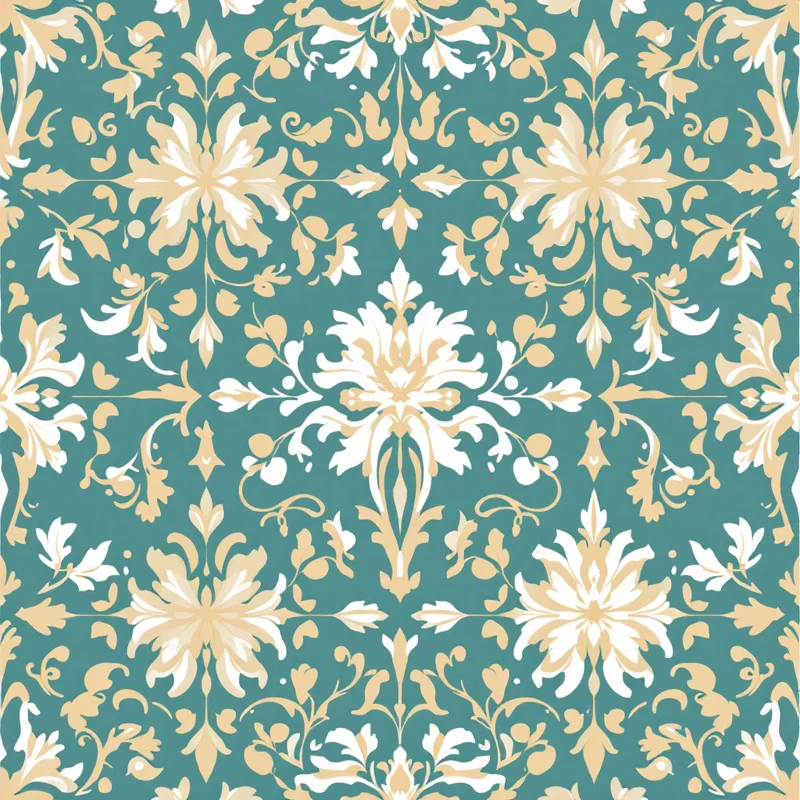
What distinguishes arabesque from other floral or scrollwork patterns is its structural logic. Each element in an arabesque composition follows strict rules of bifurcation and return — a stem splits into two branches, each branch produces a leaf and a new stem, and each new stem splits again, creating a fractal-like expansion that could theoretically continue forever. This mathematical underpinning gives arabesque designs their characteristic sense of inevitability and harmony. Nothing in the composition feels arbitrary or accidental. Every curve resolves, every branch connects, and the overall effect is one of seamless, organic perfection that rewards close examination while remaining visually coherent at any distance.
Commercial applications
In contemporary design, arabesque patterns communicate luxury, cultural depth, and artistic sophistication. Hospitality projects — boutique hotels, restaurants, and spas — use arabesque motifs to create immersive environments that feel opulent and transporting. High-end packaging for perfume, cosmetics, confectionery, and spirits uses arabesque ornament to signal quality and heritage. Fashion designers incorporate arabesque scrollwork into textile prints, embroidery patterns, and accessories for collections that reference Middle Eastern and Mediterranean aesthetics. The pattern's inherent elegance makes it a natural choice for wedding stationery, event design, and ceremonial applications where visual richness is expected.
Where to use arabesque patterns
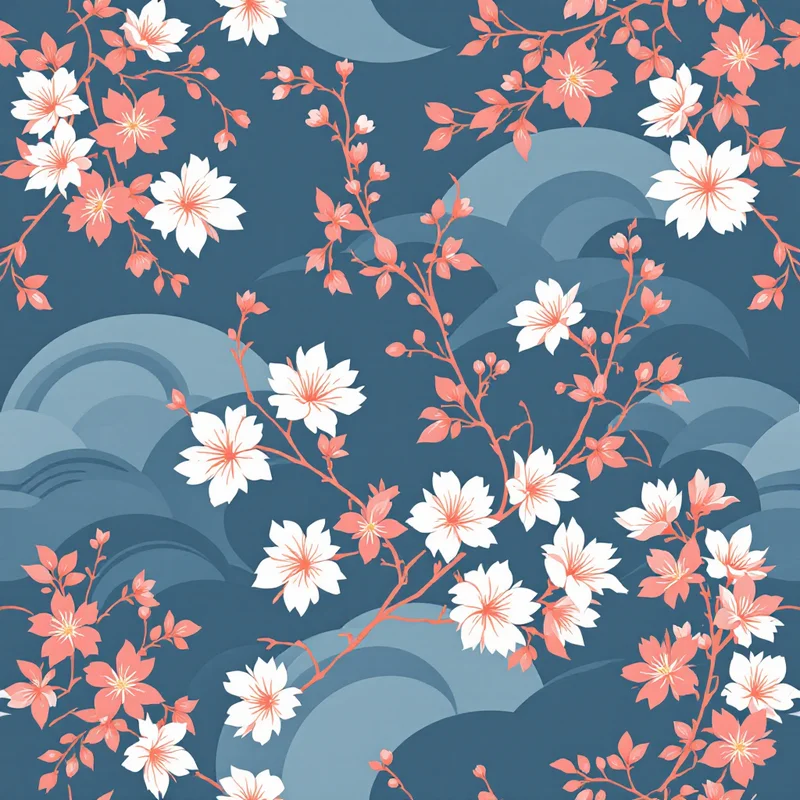
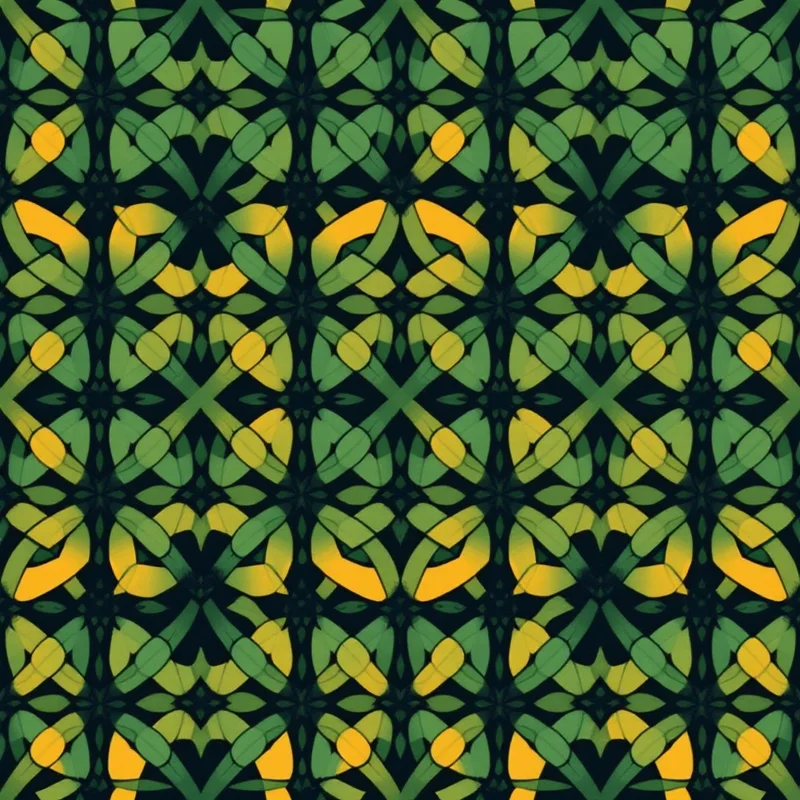
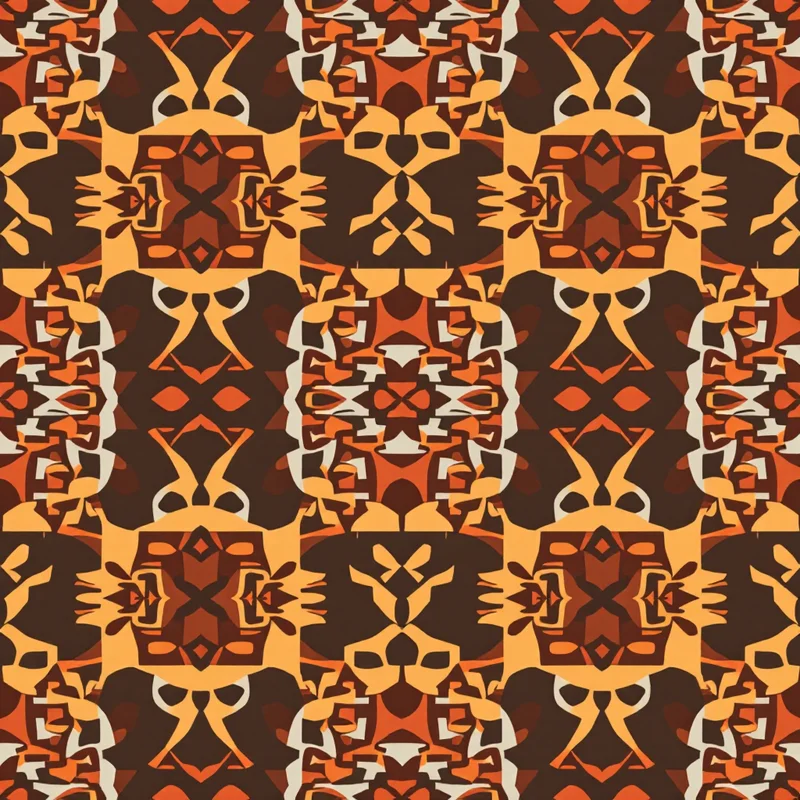
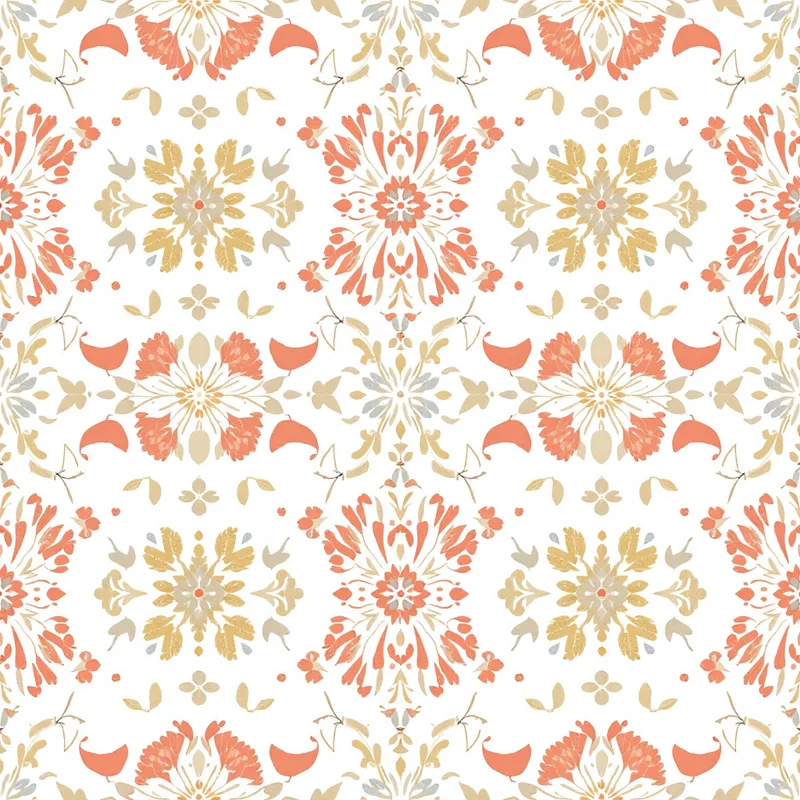
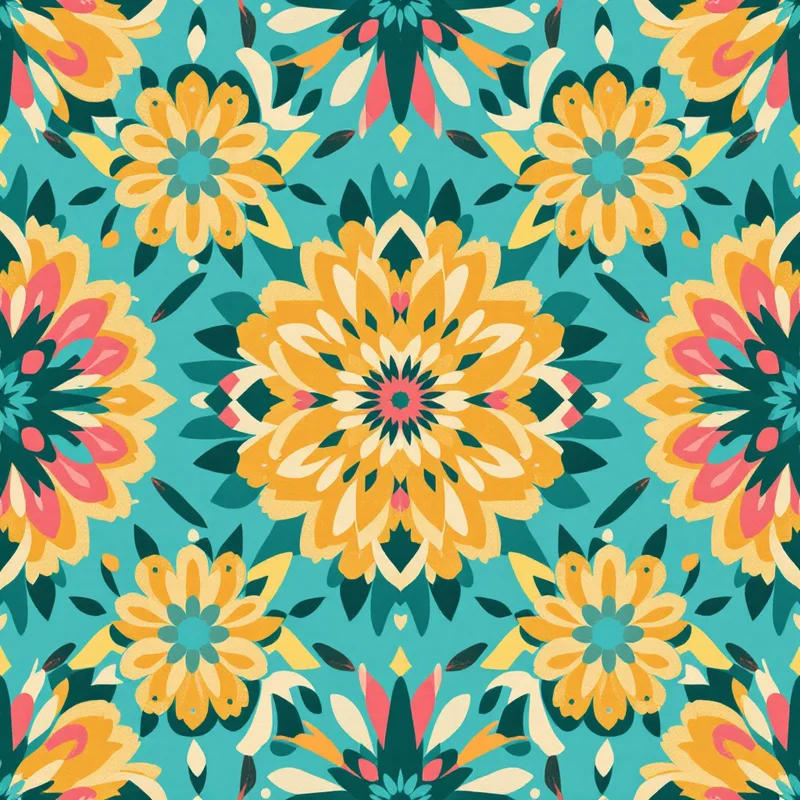
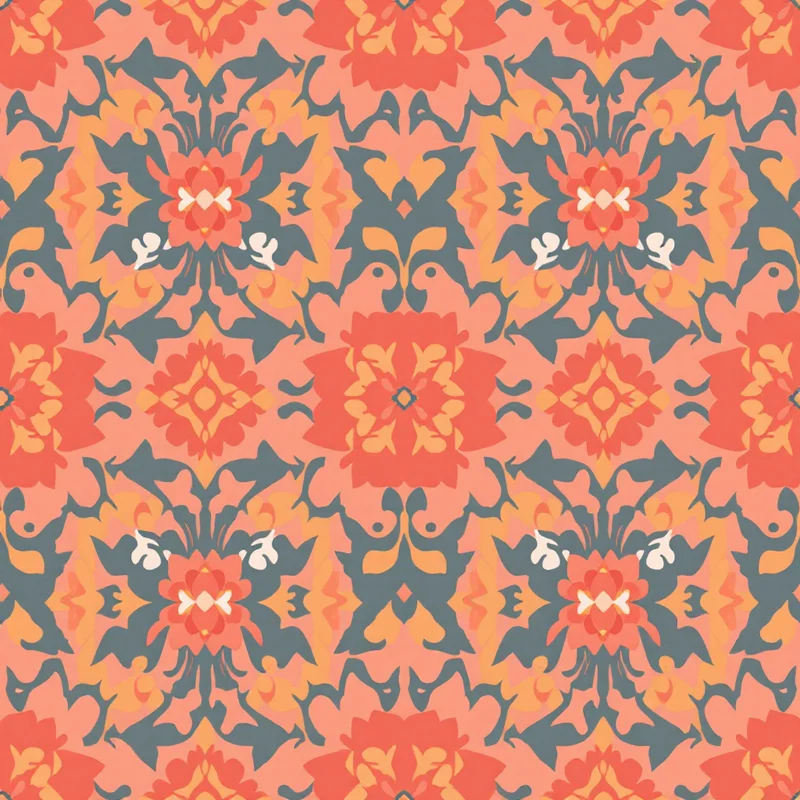
Architectural and interior applications for arabesque patterns are extensive. Carved plaster panels, perforated metal screens, painted ceiling ornament, tiled surfaces, and inlaid woodwork all draw from arabesque vocabulary in both traditional and contemporary buildings. The generator produces arabesque designs that can be used as wallpaper patterns, textile prints for curtains and upholstery, decorative tile designs, and surface ornament for furniture and millwork. The seamless repeat structure means your arabesque pattern can cover any surface area without visible joins, maintaining the sense of infinite, flowing ornament that defines the tradition.
Customization & export
The tool offers comprehensive control over arabesque design parameters. Choose from different regional traditions — Moorish, Ottoman, Persian, and Mughal arabesques each have distinct stylistic signatures. Adjust the density from open, airy scrollwork to dense, carpet-like interlace. Control line weight, leaf complexity, and the ratio of positive ornament to negative space. Select rendering styles including carved stone, painted ceramic, gilded manuscript, woven textile, and clean contemporary vector. Apply any color palette — from traditional Islamic blues, greens, and golds to monochrome schemes for modern applications. Every arabesque pattern generates as a true seamless tile at up to 8K resolution.