



Design characteristics
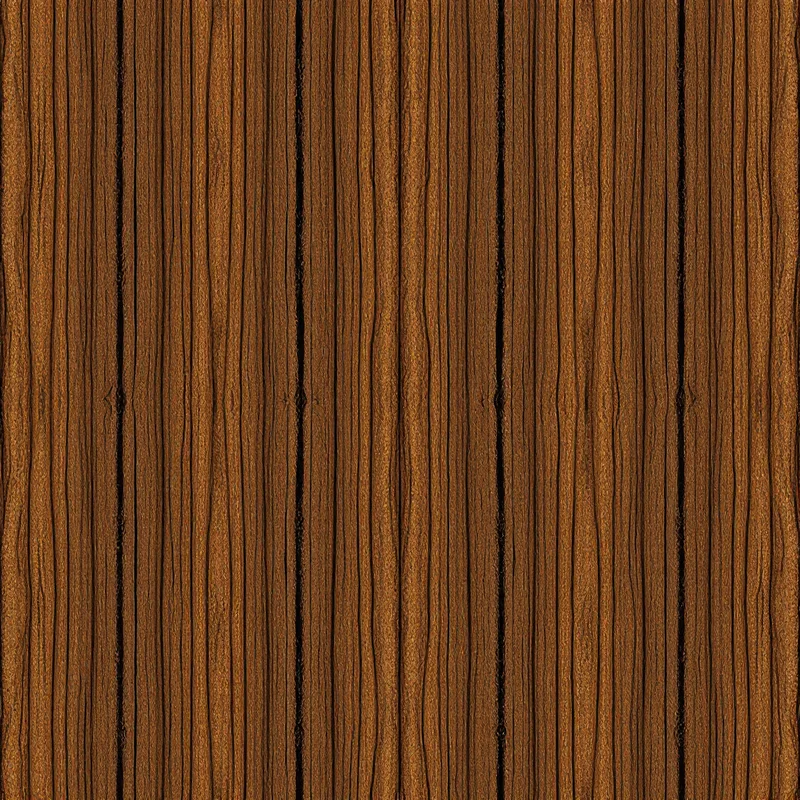
The visual warmth of wood grain makes it one of the most universally appealing surface textures in design. Unlike marble's cool elegance or concrete's industrial severity, wood reads as warm, natural, and inviting. This emotional quality explains why wood-effect surfaces dominate residential interiors — wood-look flooring, wood-grain laminate countertops, wood-textured wallpaper, and wood-printed ceramic tiles collectively represent a massive segment of the interior surface market. The demand for realistic wood textures in digital design mirrors this physical market, with architects, interior designers, and product designers all needing convincing wood surfaces for renderings, presentations, and mockups.
Commercial applications
Different wood species offer dramatically different visual characters. Oak features a prominent, open grain with medullary ray flecks that catch light. Walnut presents rich, dark brown tones with flowing, cathedral-like grain arcs. Pine shows warm golden color with distinctive knot clusters and resinous character. Birch offers a fine, subtle grain in pale cream and light brown. Teak displays a tight, even grain with golden-brown warmth. Cherry darkens beautifully from light pink to rich amber. Ash combines a bold grain structure with light, neutral coloring. The generator models these species-specific characteristics, letting you produce textures that match specific wood types for accurate interior visualization and product design.
Where to use wood grain patterns
In packaging and branding, wood grain textures communicate craftsmanship, natural materials, and artisanal quality. Craft beer labels, specialty coffee packaging, barbecue sauce bottles, artisan bakery boxes, and handmade product wrapping all use wood textures to signal authenticity and hands-on care. The wood grain background tells customers that this product values natural materials and traditional methods, even before they read a single word of copy. Wood textures also perform well in digital branding — restaurant websites, craft brand social media, and artisan marketplace listings all use wood backgrounds to establish visual warmth and handmade character.
Customization & export
The tool provides complete control over grain direction, ring spacing, knot frequency, color tone, and surface finish. Generate flat-sawn grain with wide cathedral arcs, quarter-sawn grain with tight straight lines, or rotary-cut veneer with sweeping, dramatic grain patterns. Adjust from pale, bleached driftwood to rich, dark-stained mahogany. Apply surface finishes from raw unfinished wood to high-gloss lacquer to distressed, weathered barn wood. Create exotic wood textures with burls, spalting, and figured grain for premium applications. Export at up to 8K resolution where the fine grain detail and tonal subtlety of wood textures reproduce with full fidelity across print and digital media.