


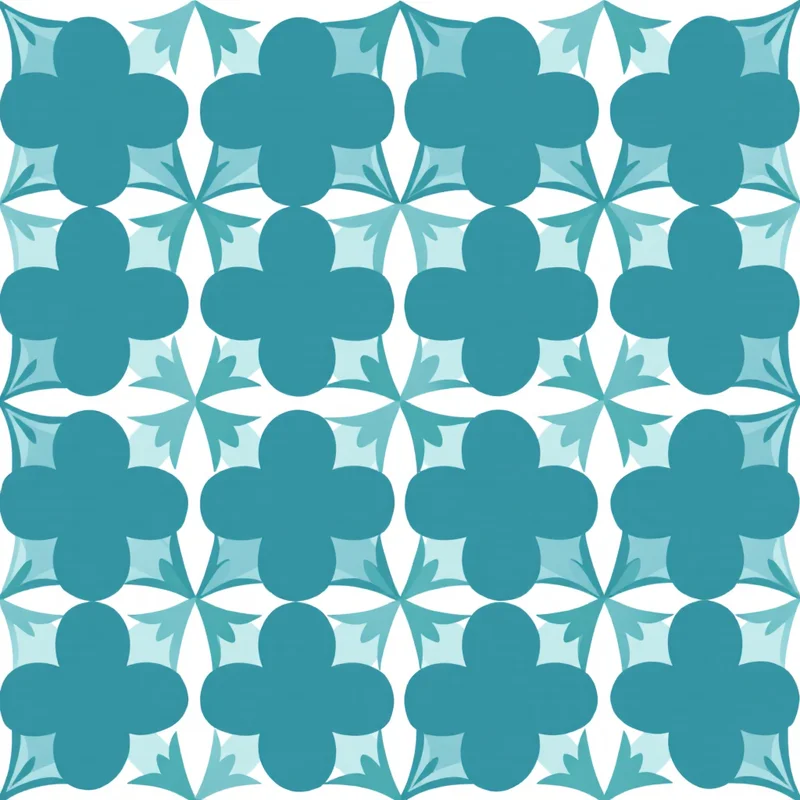
Design characteristics
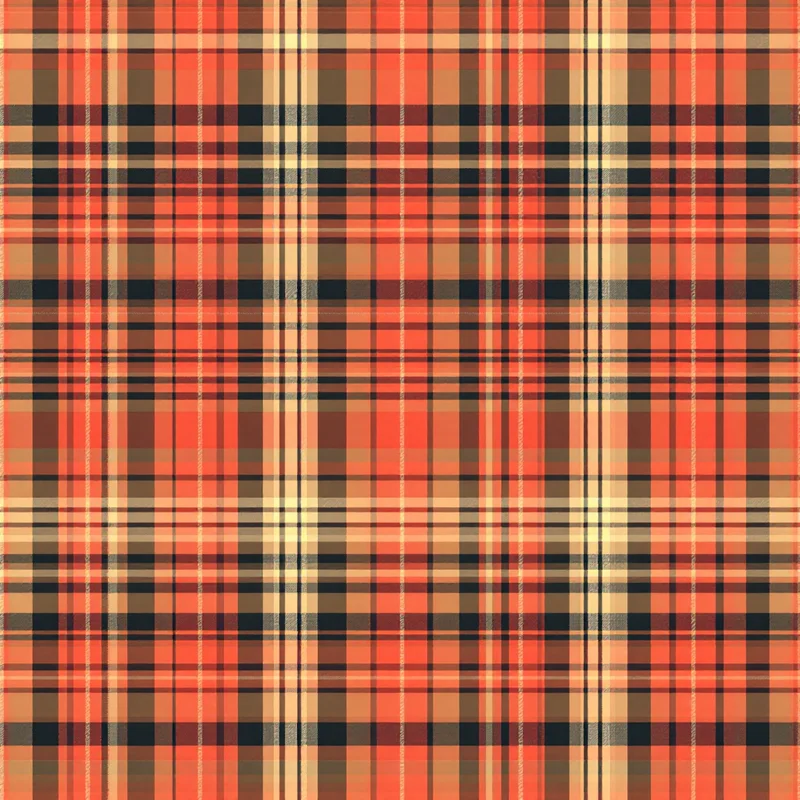
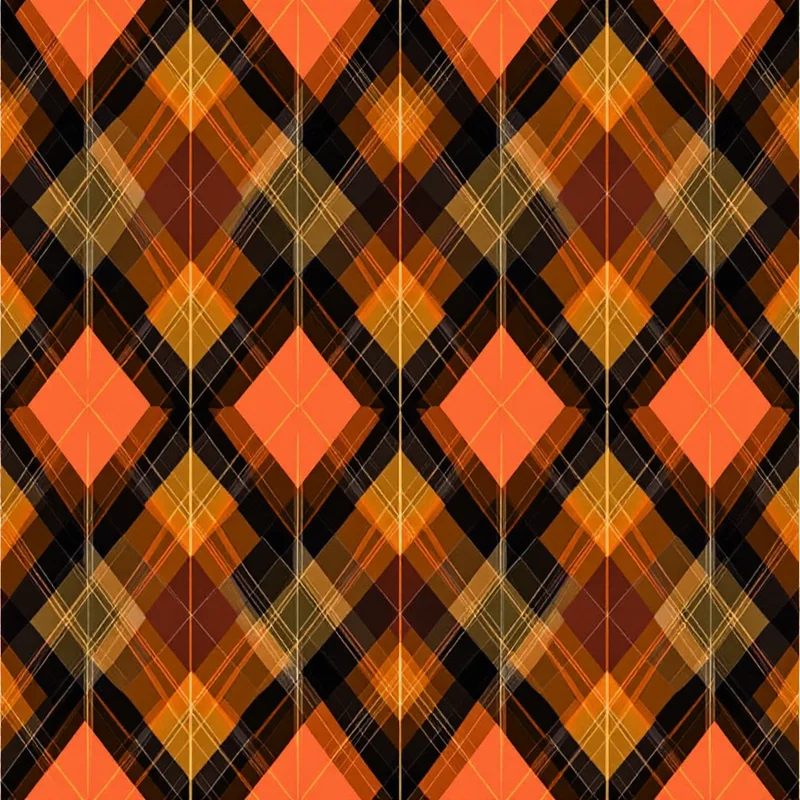
The motif traces back to early twentieth-century British and Italian tailoring, where windowpane checks appeared on wool suiting as a quietly confident alternative to the louder glen plaid or houndstooth. A classic windowpane sits on a solid ground, charcoal, navy, grey, or camel, overlaid with a single contrasting line in burgundy, rust, ice blue, or off-white. Variations multiply from there: double-line panes, two-tone overlays where the vertical and horizontal threads differ in color, and tonal windowpanes that shift the line only a shade or two from the ground for a subtle, near-textural effect.
Commercial applications
Designers reach for windowpane because it organizes a surface without overwhelming it. The open cells leave room for the eye to rest, which makes the pattern read as tailored and structured at small scale yet graphic and architectural when blown up large. It pairs cleanly with solids and works as a quiet companion to bolder prints in a collection. Because the geometry is regular, it also tiles flawlessly, every cell repeats predictably, so there are no awkward seams or drifting alignments across a large run.
Where to use windowpane patterns for textiles, fashion, and home decor patterns
The pattern moves easily between product categories. In fashion it anchors blazers, trousers, shirting, scarves, and tote linings; in home decor it suits upholstery, throw pillows, table linens, and curtains; as wallpaper it brings grid structure to an accent wall without the heaviness of a full plaid. Scaled down and softened, windowpane works for gift wrap, stationery, and packaging where a refined grid signals understated quality. Scaled up with a heavy line weight, the same logic becomes a bold contemporary graphic for accessories and statement upholstery.
Customization & export
Pattern Weaver lets you dial in every variable that matters for this look. Set the line weight and cell size through the scale control, choose how tightly the panes sit using density, and assign exact ground and line colors so the contrast reads the way you want, from whisper-tonal to high-contrast. Switch between single-line, double-line, and two-tone overlays, then preview the seamless tile before committing. When the design is right, export it at up to 8K resolution (8192x8192) in PNG for digital mockups, TIFF for high-fidelity textile printing, or PDF for press-ready layouts, all repeat-tested so the grid stays true across yards of fabric or rolls of wallpaper.
Whether you are sampling a suiting collection, refreshing a homeware line, or designing print-on-demand goods, windowpane gives you a timeless structure that photographs cleanly and sells across seasons. Pattern Weaver turns a few choices about color, scale, and line into a production-ready seamless file in seconds, so you can iterate through a dozen colorways before lunch instead of rebuilding the grid by hand each time.