


Design characteristics
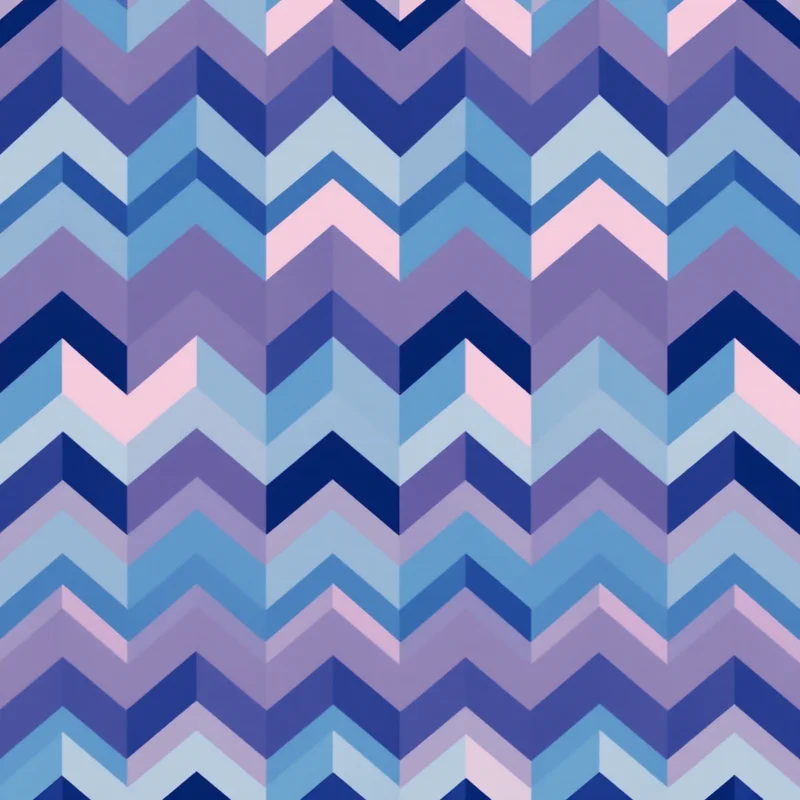
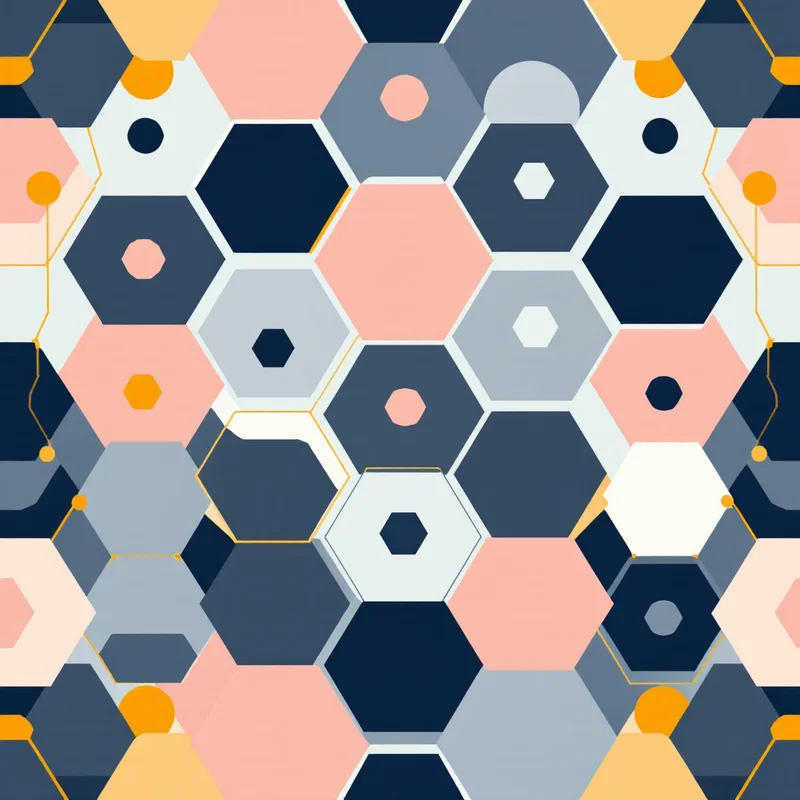
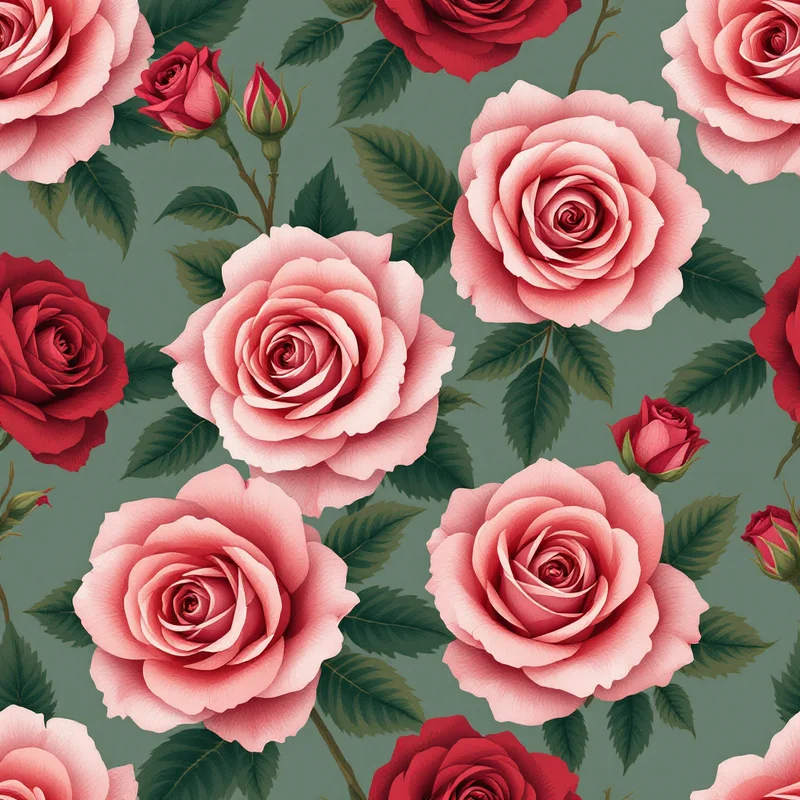
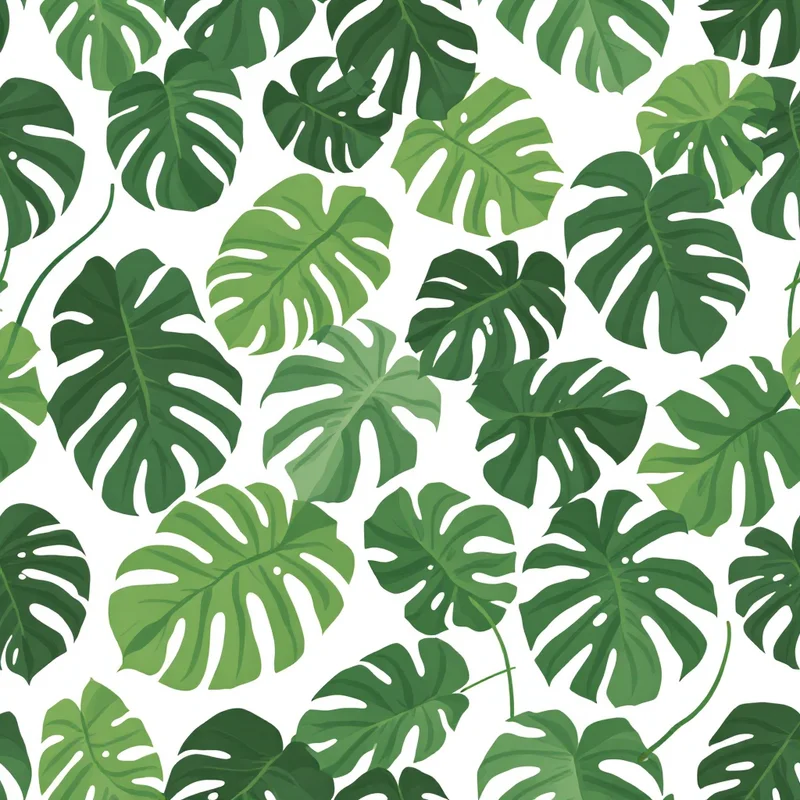
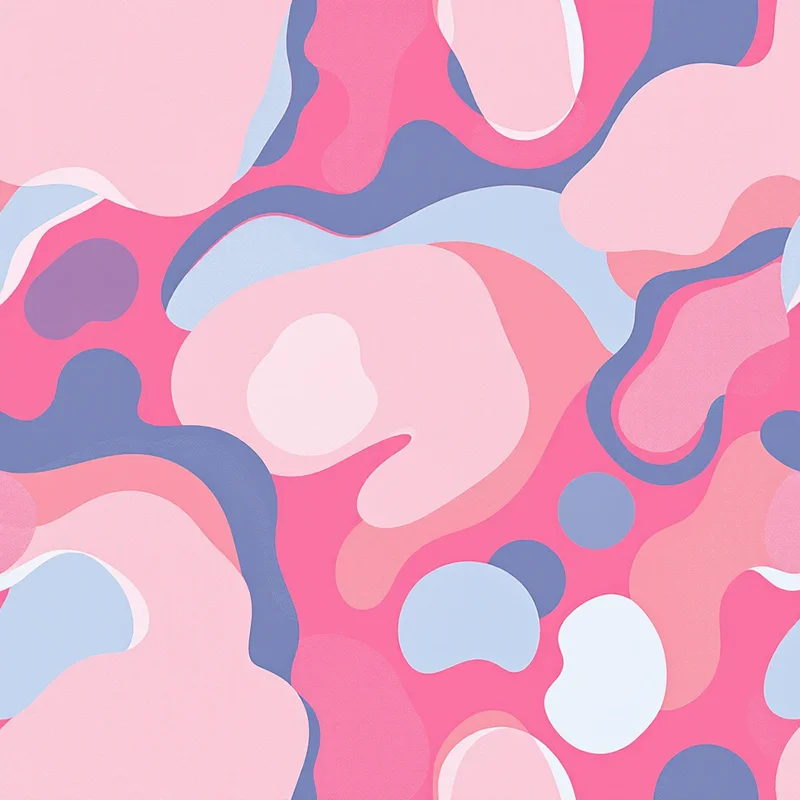
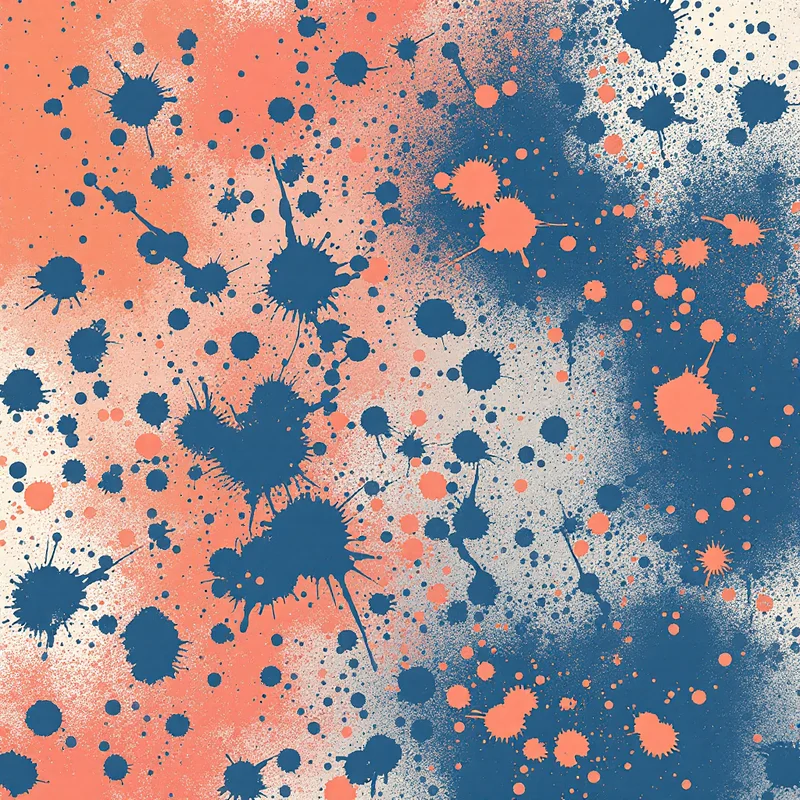
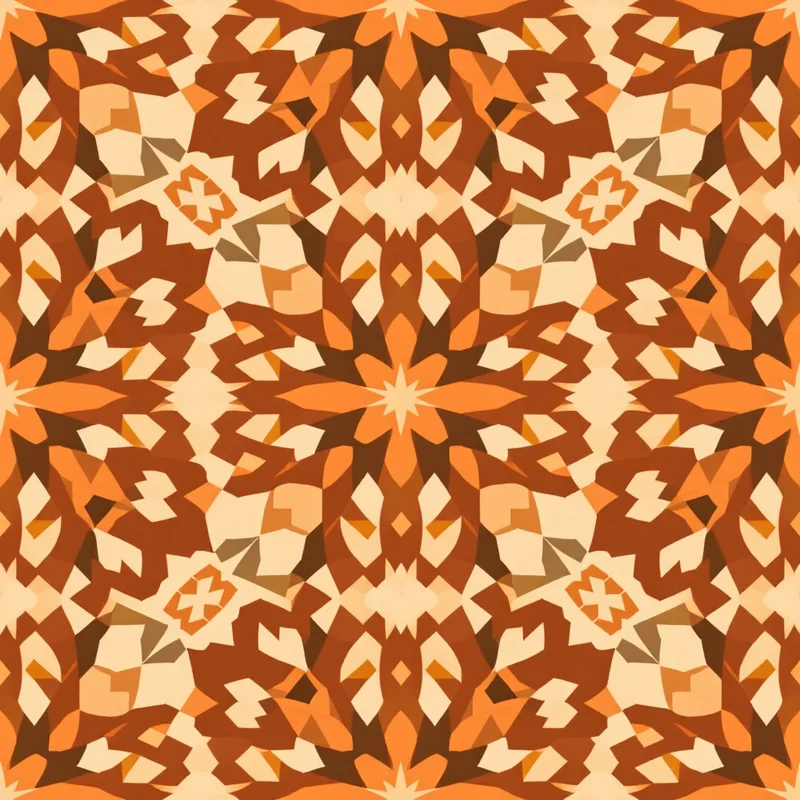
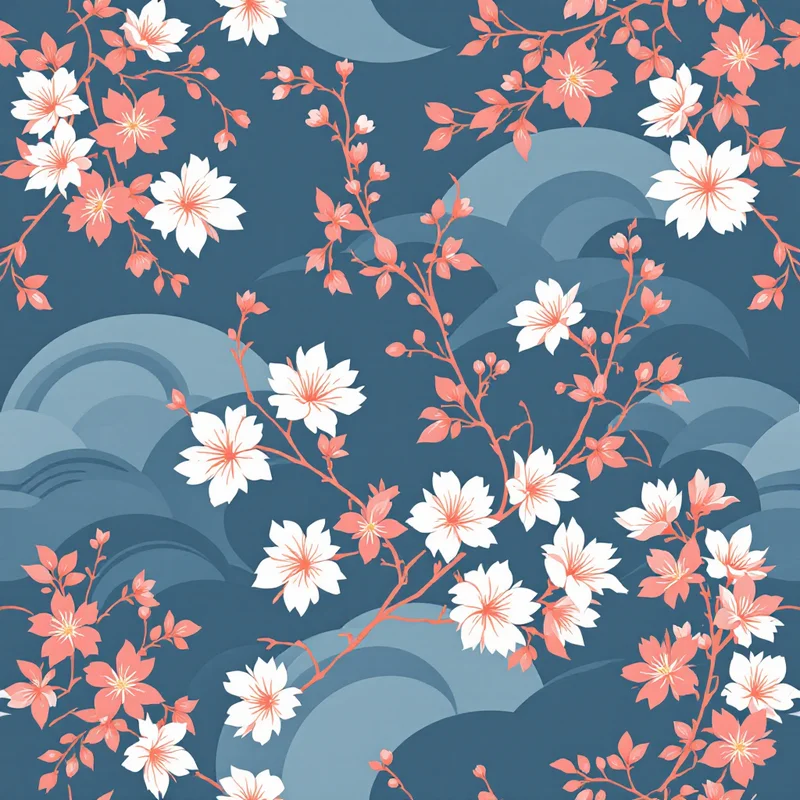
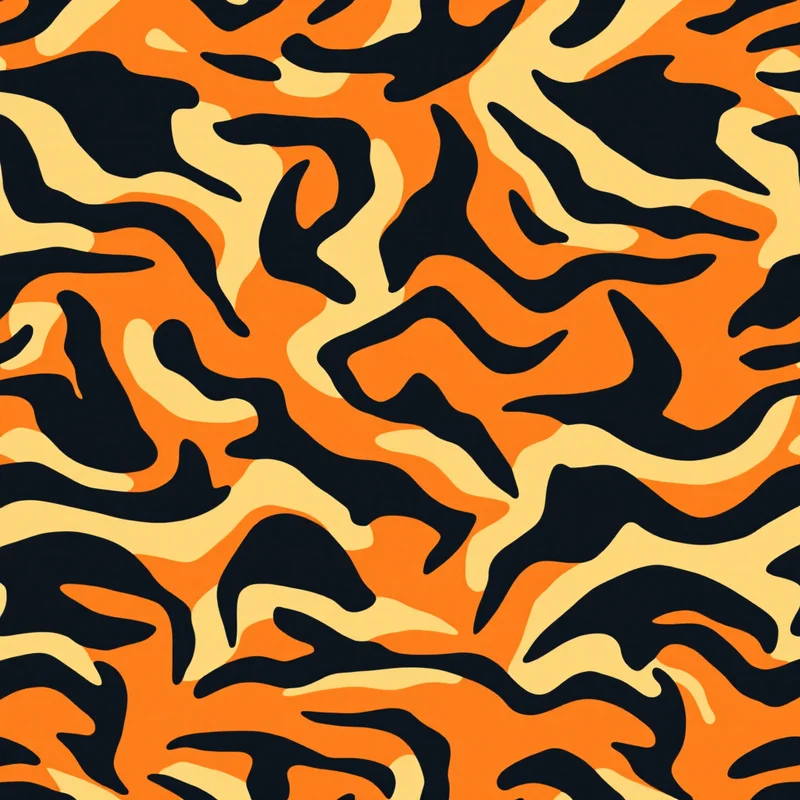
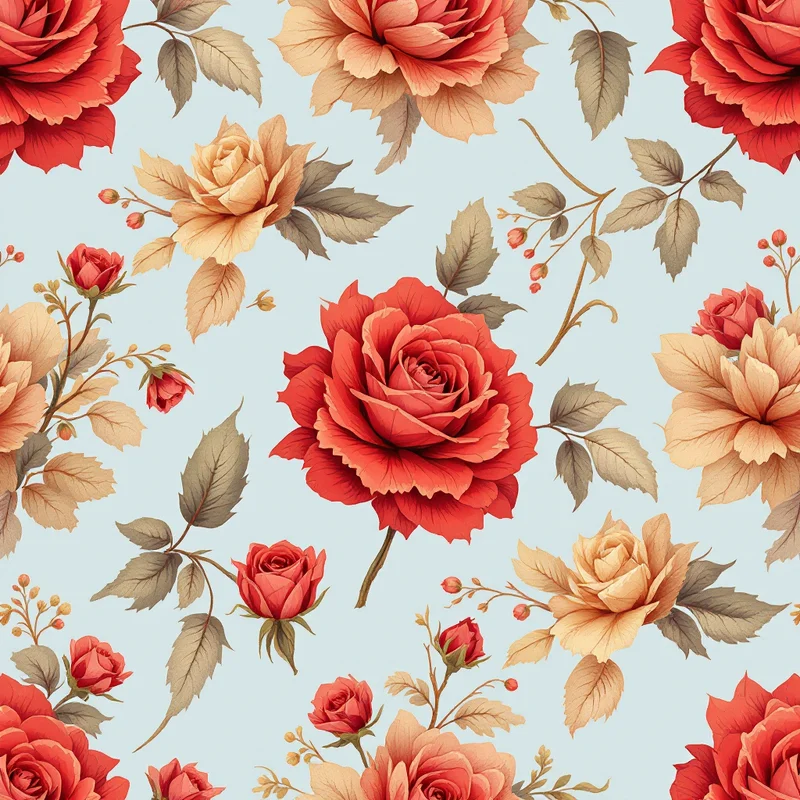
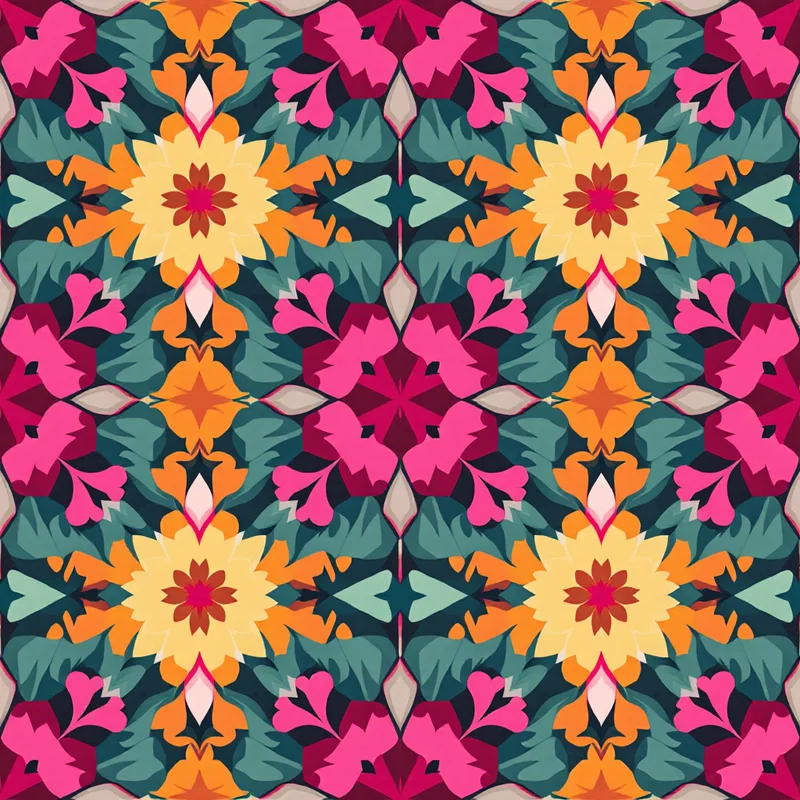
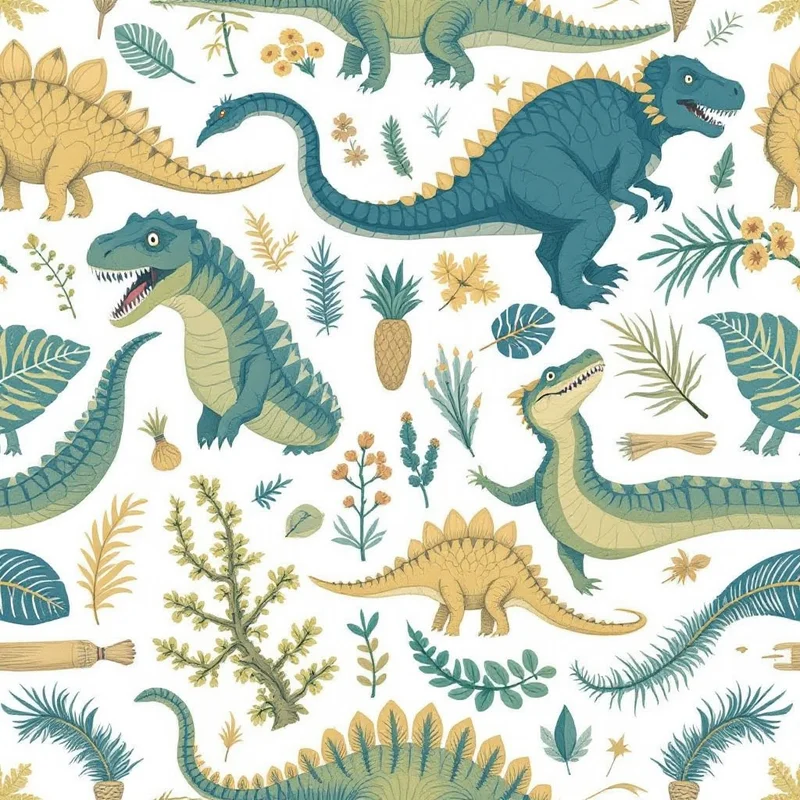
Motif choice tends to follow the room. Damask, scrolling acanthus, and trellis work suit formal and traditional pieces; clean geometrics, herringbone, and small-scale dots fit mid-century and contemporary seating; botanical and large-leaf prints carry a relaxed, organic feel for casual rooms. Stripes and ticking are upholstery workhorses because they align easily along a frame, and woven-look textures like boucle, chevron, and tweed give a fabric that quiet, tailored look without a loud motif. Scale is the decision that makes or breaks the result: small, dense repeats hide seams and read as texture, while large-scale florals or medallions become a statement that needs careful placement on the frame. The studio lets you set that scale precisely, so you can preview how big each element will sit before committing.
Commercial applications
Color for upholstery leans toward longevity rather than trend spikes, since furniture is replaced far less often than a throw pillow. Grounded neutrals like greige, oatmeal, slate, and charcoal anchor most collections, with deeper jewel tones, terracotta, ochre, forest green, and navy used as the statement pieces. Whatever palette you choose, you control it fully and can map a design to an exact brand or interior scheme.
Where to use upholstery patterns: custom seamless designs for furniture fabric patterns
The people building these designs are furniture makers, interior designers specifying custom fabric, soft-furnishing brands, and print-on-demand sellers offering made-to-order cushions and headboards. They use Pattern Weaver to skip stock libraries and own a print outright, then take it into production. Common end uses include sofa and armchair covers, dining chair seats and backs, ottomans and benches, headboards, cushion and bolster covers, bar stools, and built-in banquette seating.
Customization & export
Every design comes out as a true seamless tile, which is the part that matters for furniture. Because the edges match, the pattern repeats across a wide upholstery-weight bolt with no visible break, so a cutter can place panels anywhere on the yardage. You set the motif, the repeat density, the element scale, and the full color story, then regenerate until the layout sits right for the piece you have in mind. When it is ready, export the tile up to 8K (8192x8192) in TIFF for fabric mills and digital textile printers, PDF for press-ready production files, and PNG for mockups and product listings, with JPG, WEBP, and SVG available for the rest.
That workflow means a single chair design or a full upholstery collection can move from idea to a file your manufacturer accepts without a separate studio in between. Pick a motif that fits the furniture, set the scale to match the frame, lock your colors, and hand over a seamless, print-ready repeat built specifically for upholstery work.