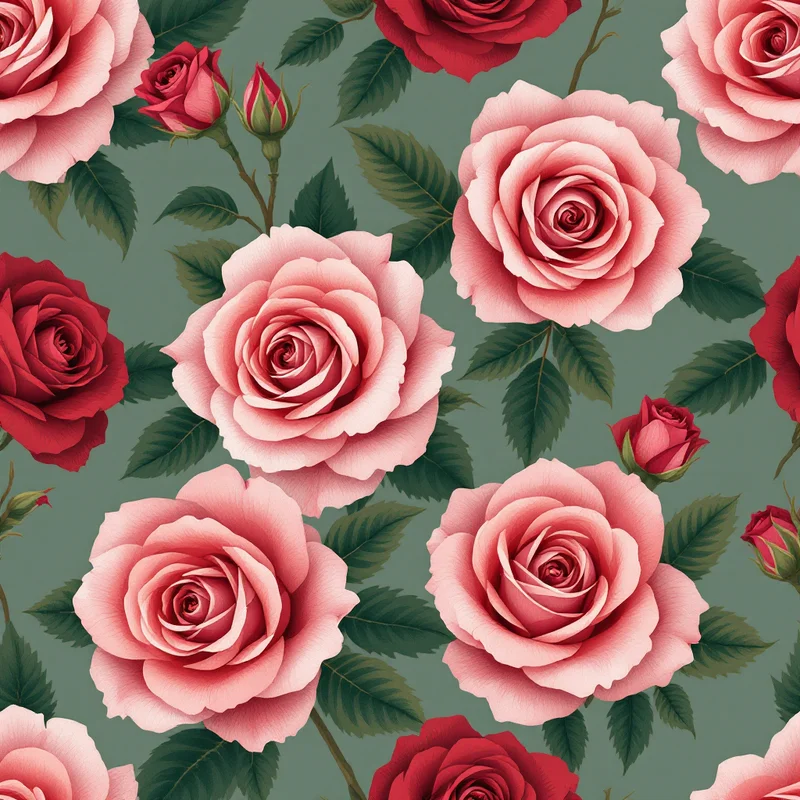
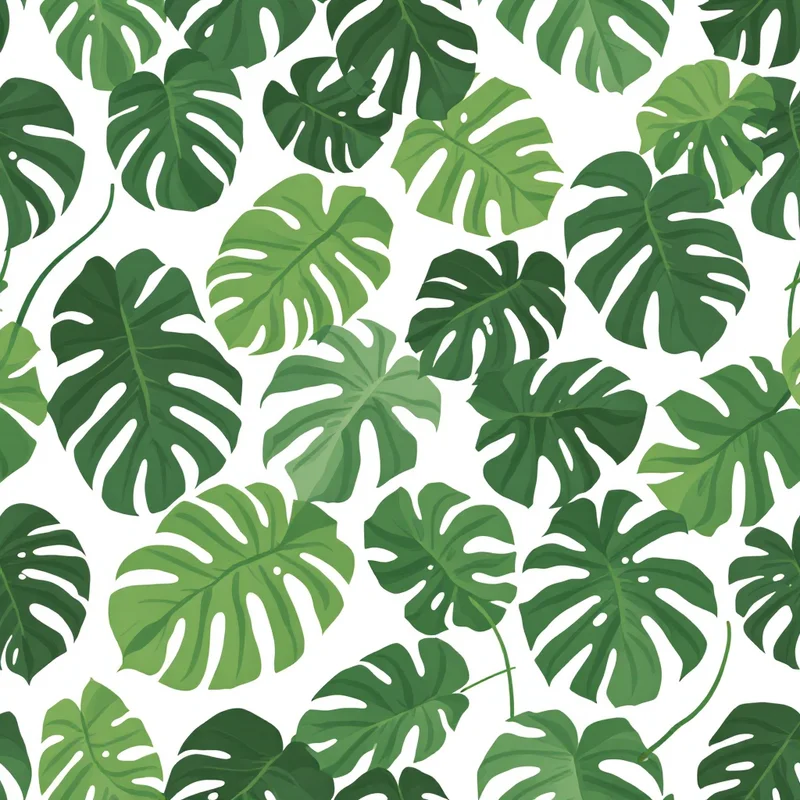
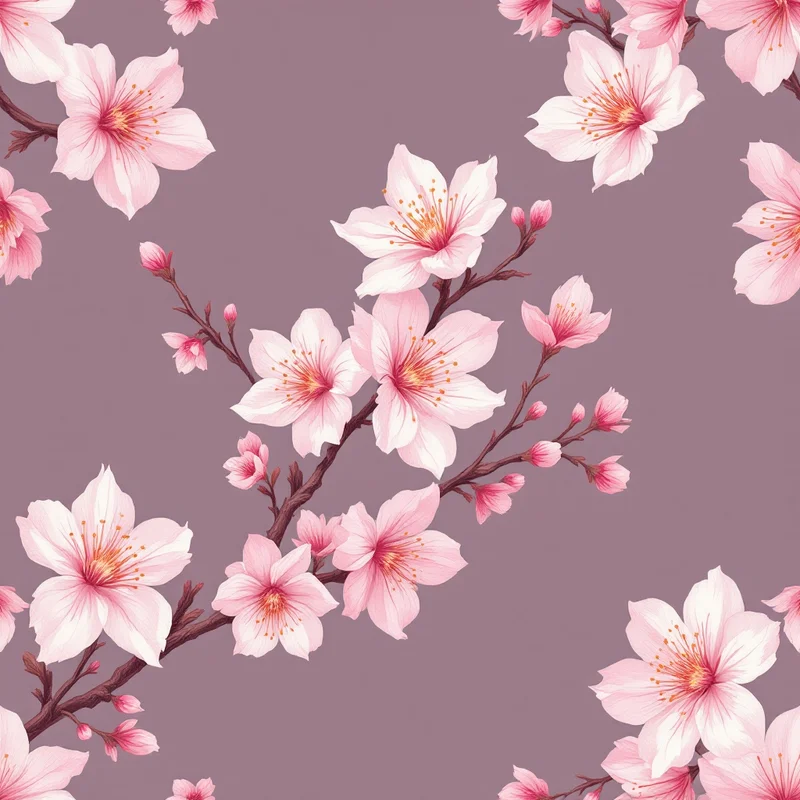
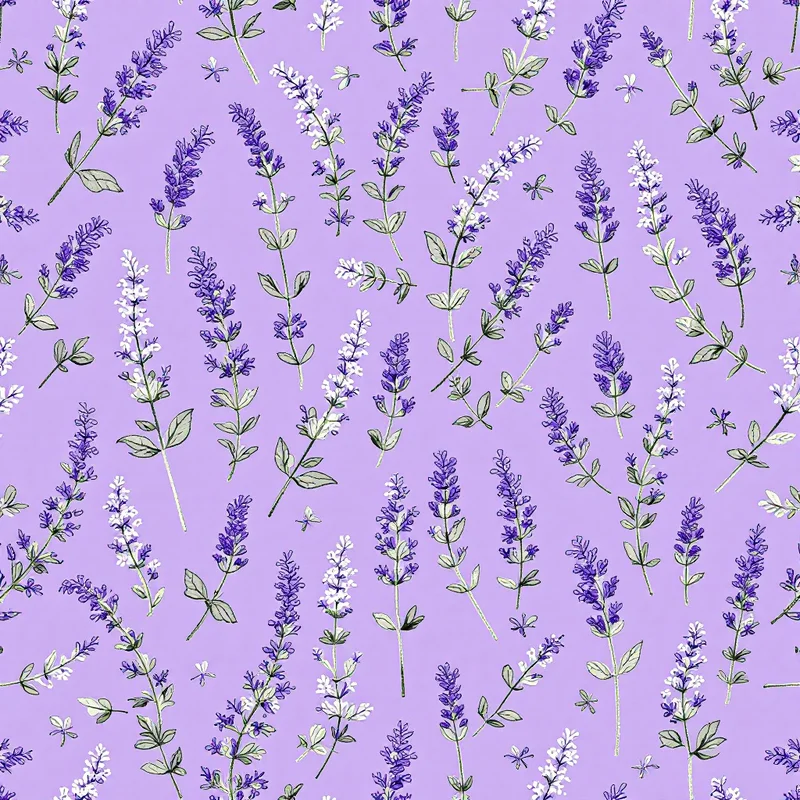
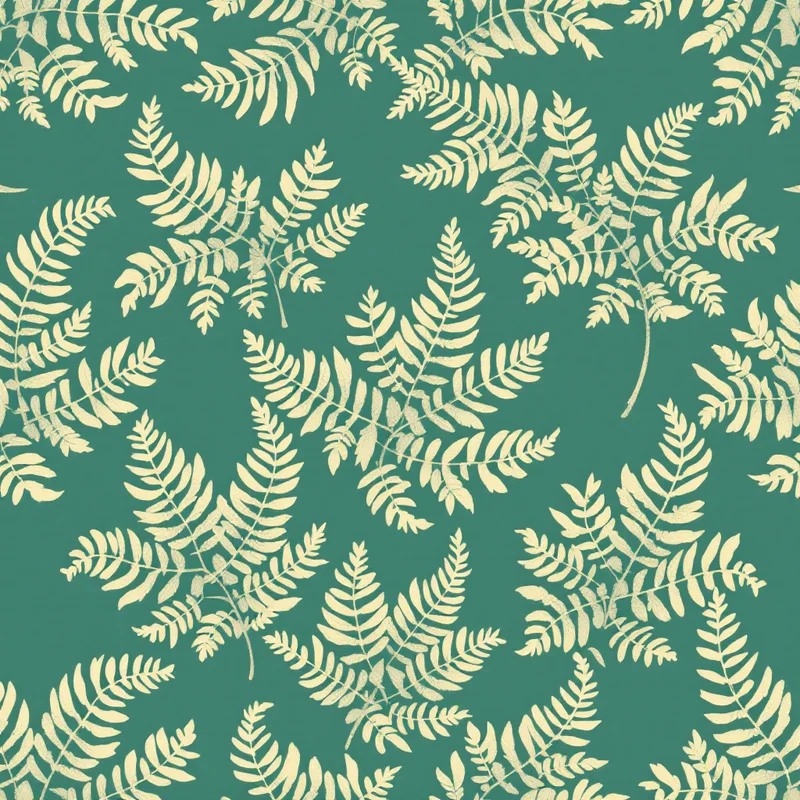
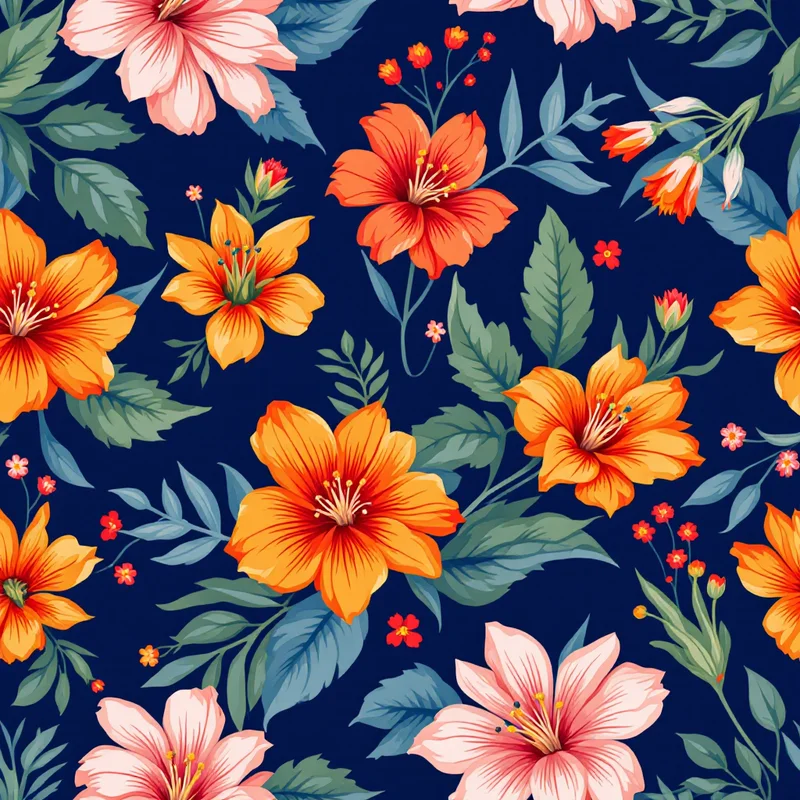
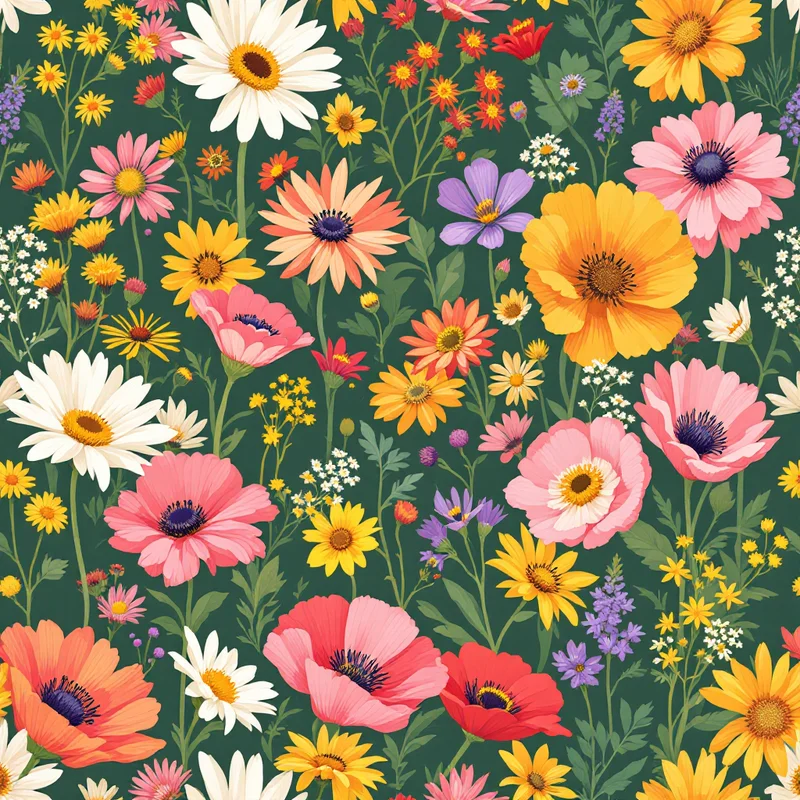
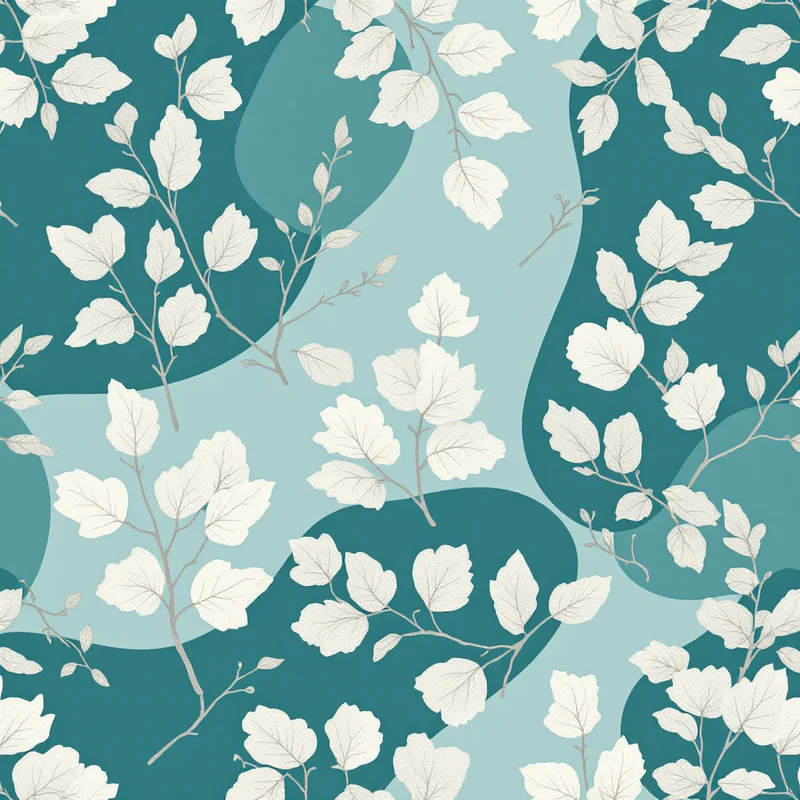
Design characteristics
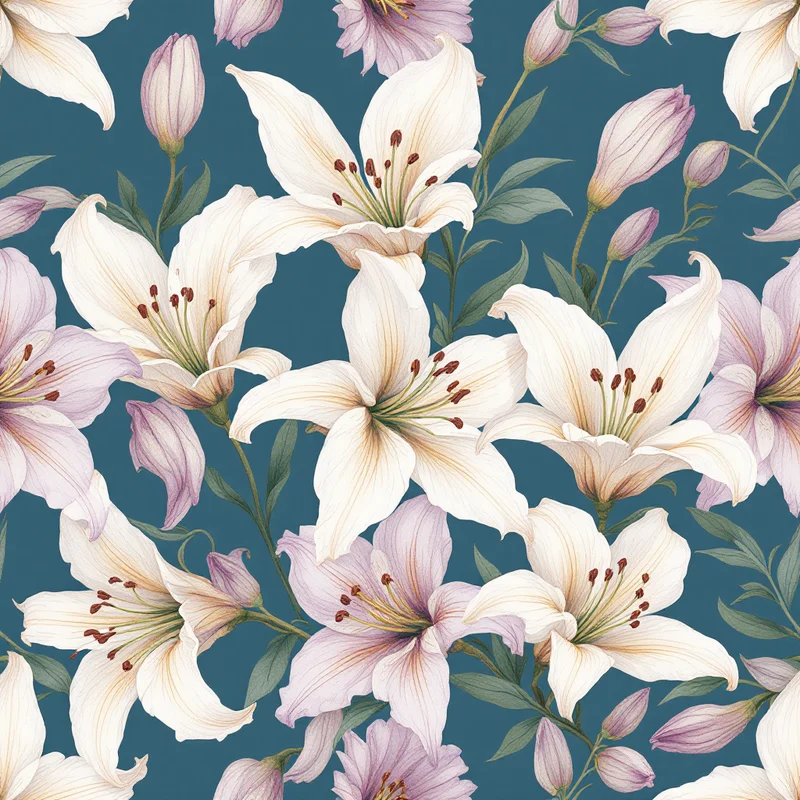
The motif carries real history. Tulips arrived in Europe from the Ottoman Empire in the 1500s and set off the famous Dutch "tulip mania," and that heritage still shapes how the pattern looks today. You will see two dominant lineages: the stylized Turkish and Iznik tulips with their pointed, flame-like petals and dense tile arrangements, and the rounder, naturalistic Dutch tulips painted in the still-life tradition. Scandinavian and folk-art versions strip the flower down further into bold, symmetrical stamps, while Liberty-style and chintz interpretations cluster many small tulips into all-over meadows.
Commercial applications
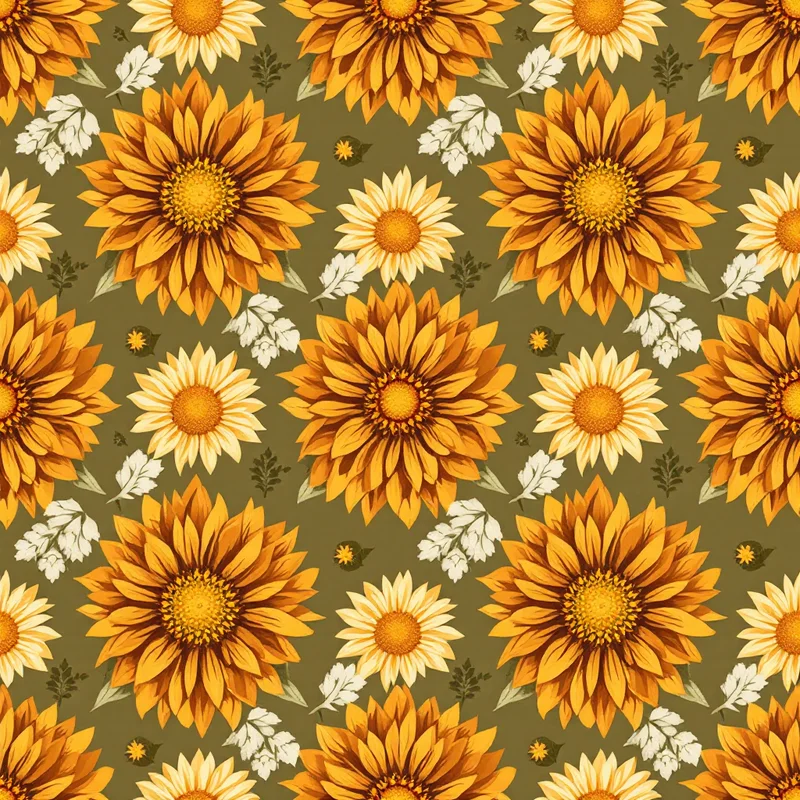
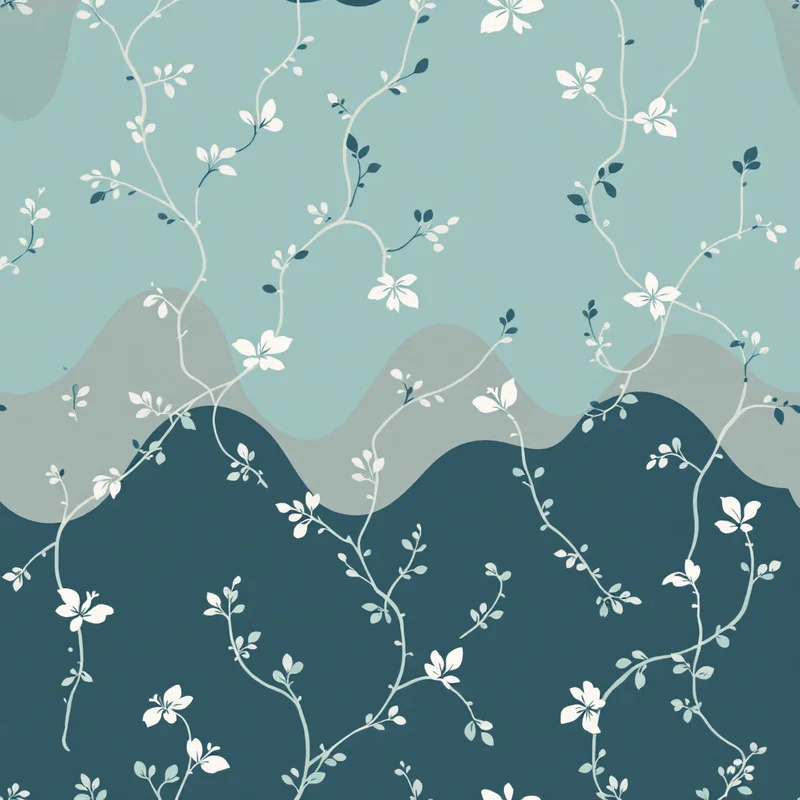
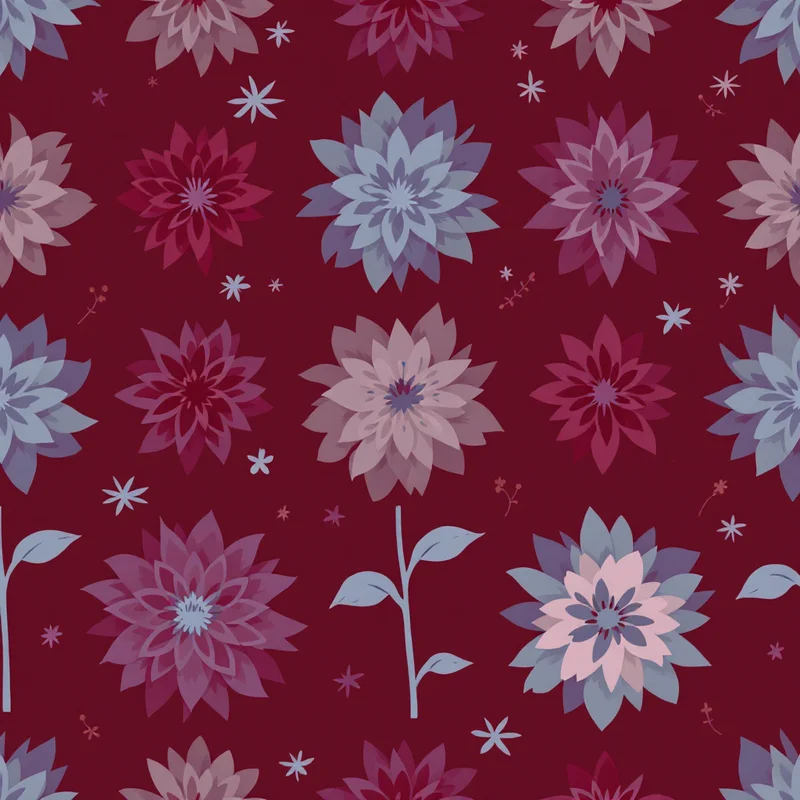
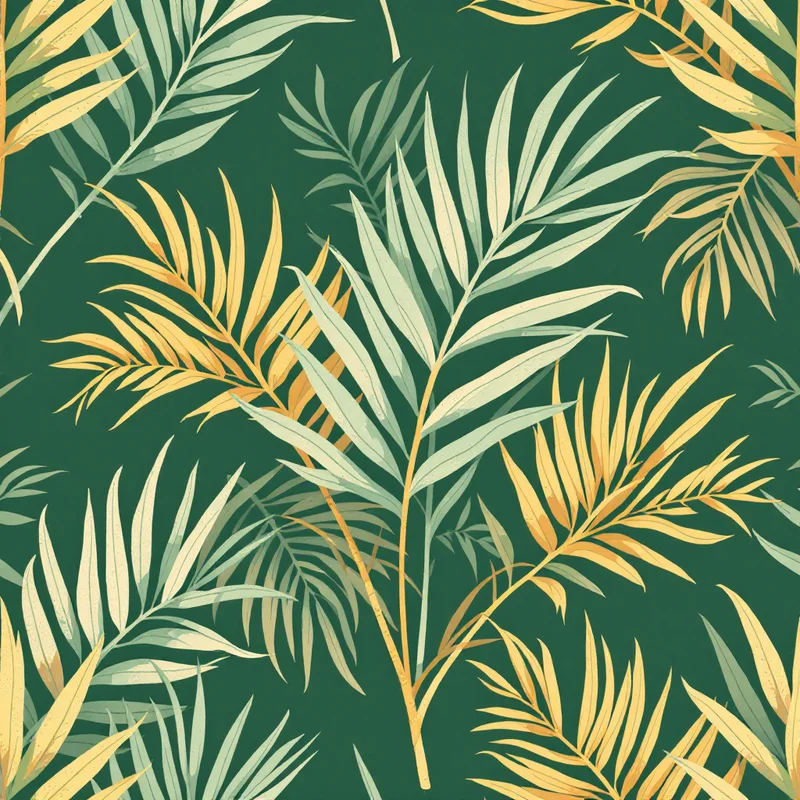
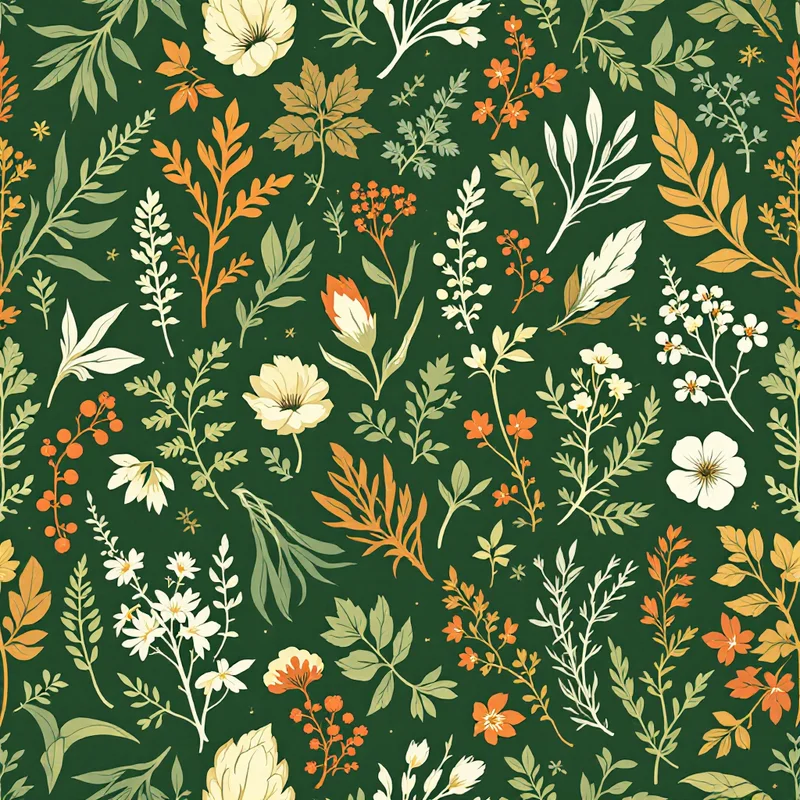
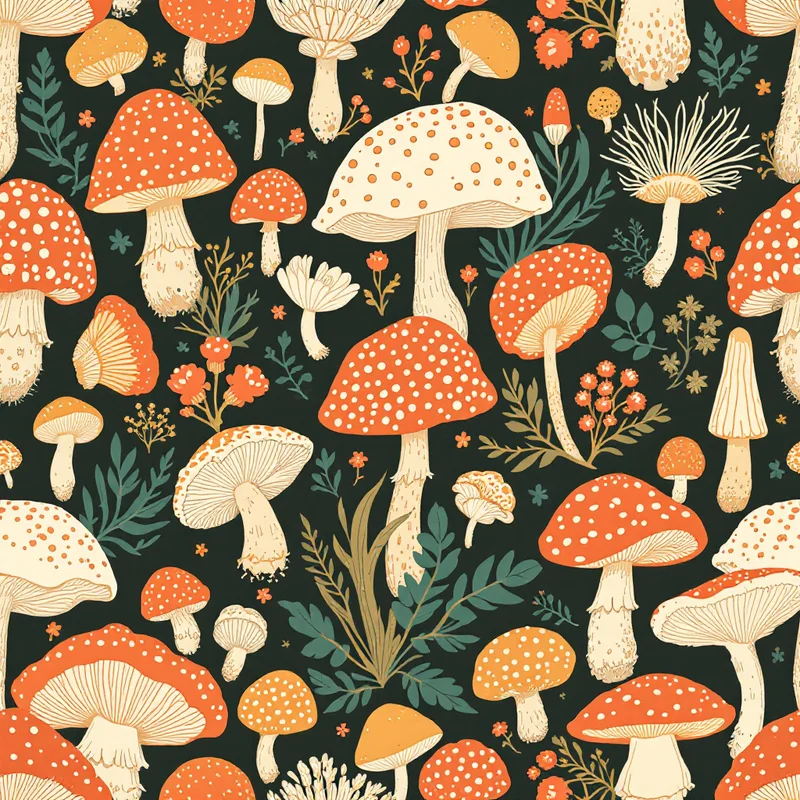
Color is where tulip patterns earn their keep. The flower comes in an enormous natural range, so designs move easily from classic red-and-white and sunny yellow to deep plum, coral, blush pink, and the prized "broken" bicolor streaks that originally drove the craze. Spring palettes lean on fresh greens and soft pastels, while moody, dark-ground arrangements pair saturated blooms against near-black or forest backdrops for a more luxurious feel. This flexibility lets a single tulip layout shift mood completely just by recoloring it.
Where to use seamless tulip patterns for textiles, wallpaper, and print patterns
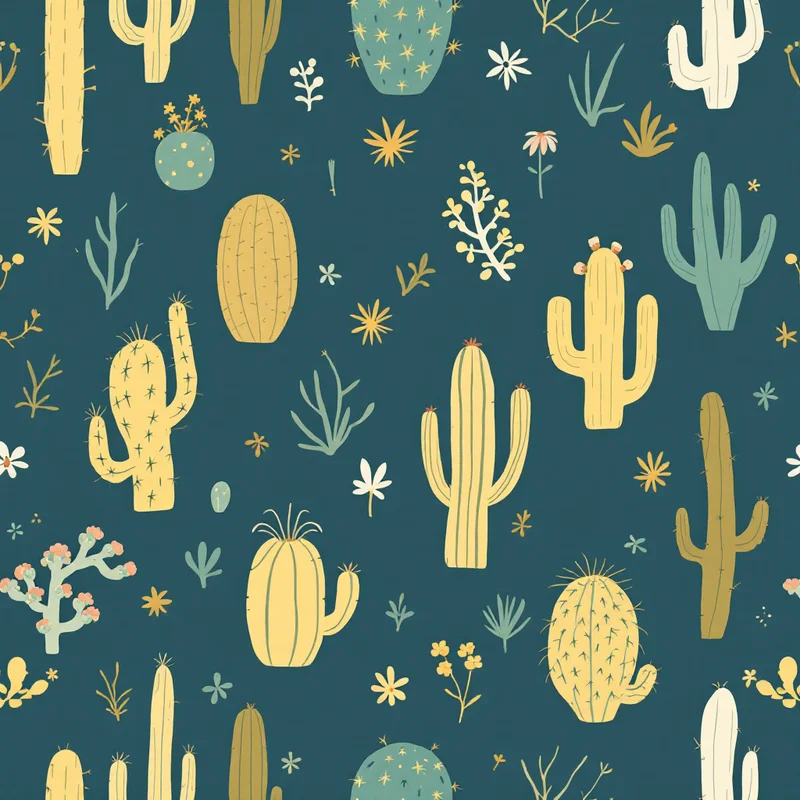
Designers reach for tulip prints because they sell across an unusually wide product range. They appear on quilting cotton, dress fabric, and scarves; on bedding, curtains, and feature-wall wallpaper; on ceramic and tin packaging for tea, honey, and cosmetics; and on stationery, tote bags, phone cases, and gift wrap. The flower's spring and Easter associations make it a reliable seasonal performer, while its tidy geometry suits everything from nursery decor to upscale home textiles and fashion collections.
Customization & export
With Pattern Weaver you can dial a tulip print to fit any of those uses. Push density from a sparse, breathing layout to a packed meadow, scale the blooms up for bold wallpaper or down for ditsy apparel, and steer the color story toward folk brights, Dutch realism, or muted modern neutrals. The studio keeps the repeat seamless so tiles line up cleanly with no visible seams, then exports production-ready files up to 8K (8192x8192) in PNG, TIFF, JPG, WEBP, PDF, and SVG, ready to hand straight to a printer or print-on-demand service.
Pattern Weaver's engine treats the tulip as a true motif rather than generic filler, so the petals, stems, and leaves stay coherent across every variation you generate. That means you can explore dozens of directions, lock in the one that fits your collection, and trust that the final tile holds together at print resolution, whether it wraps a candle jar or covers a king-size duvet.