Design characteristics
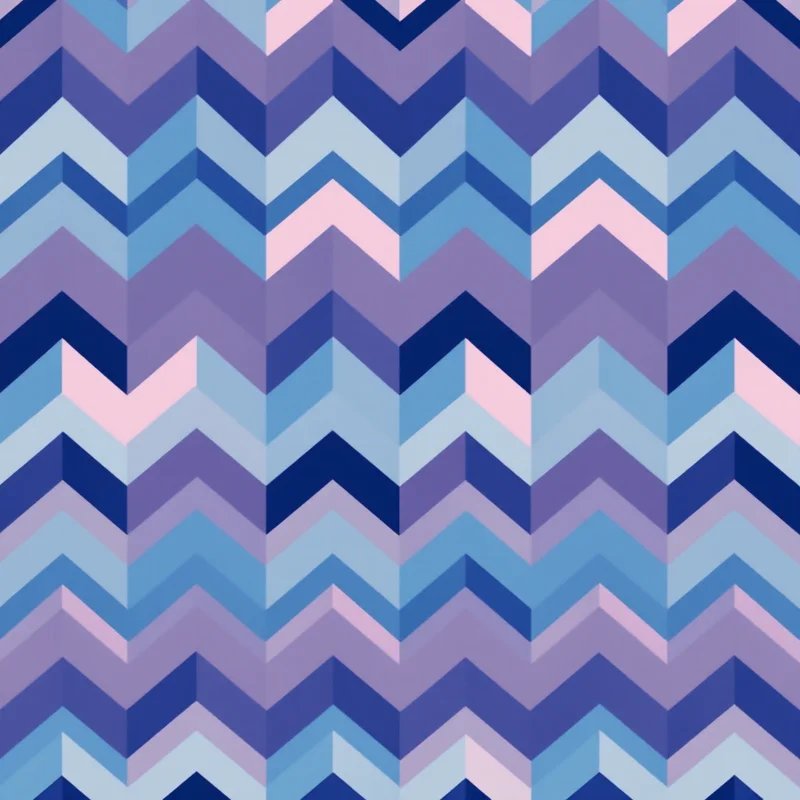
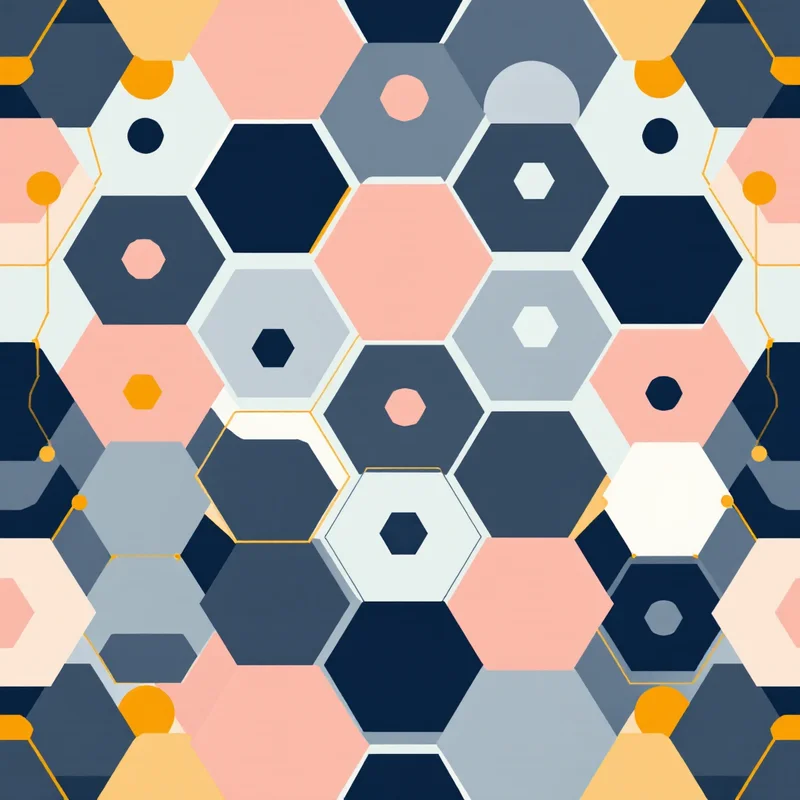
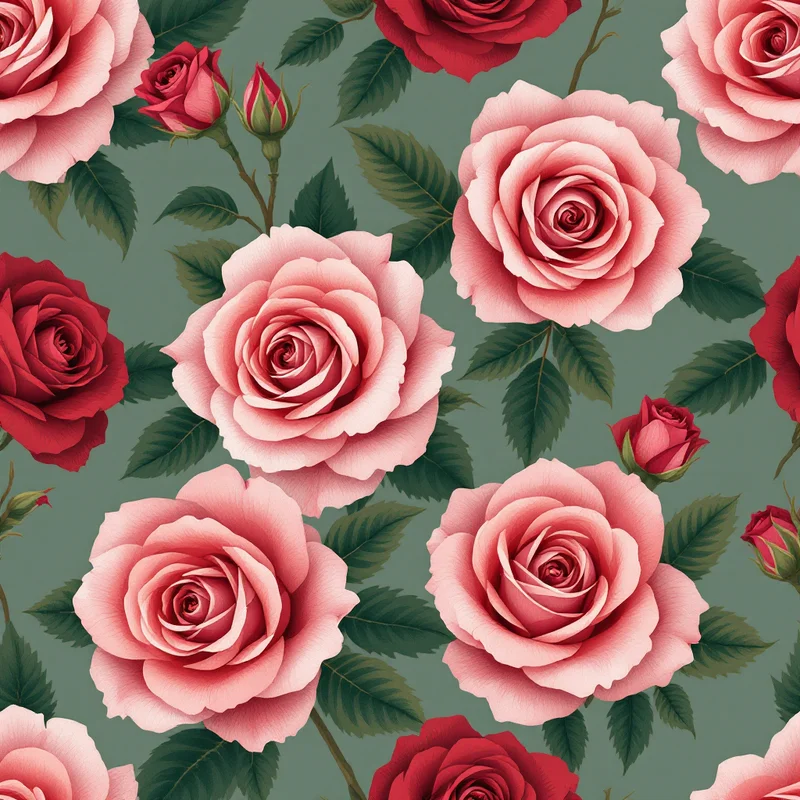
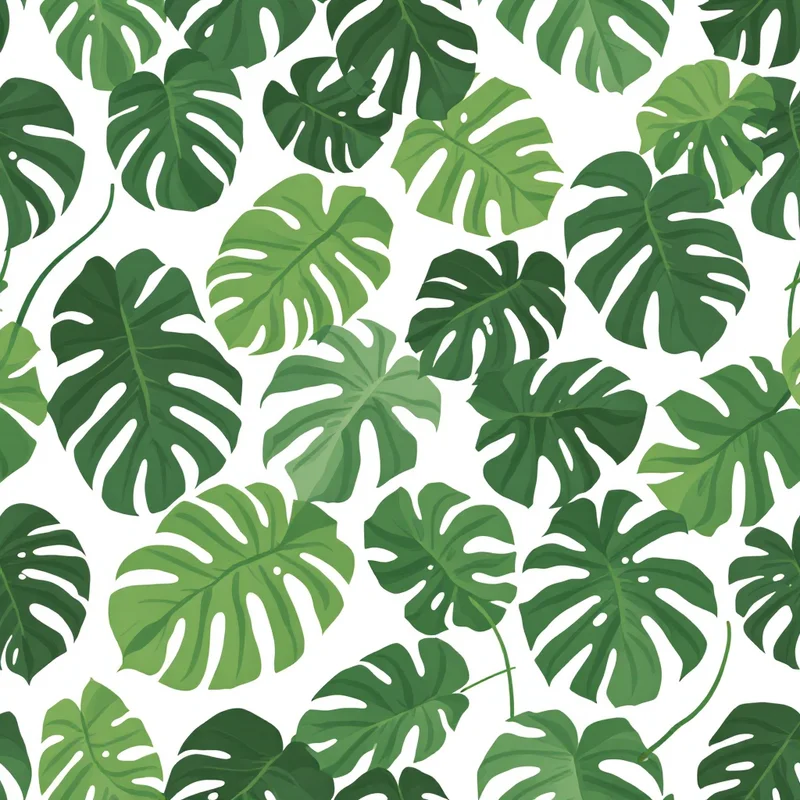
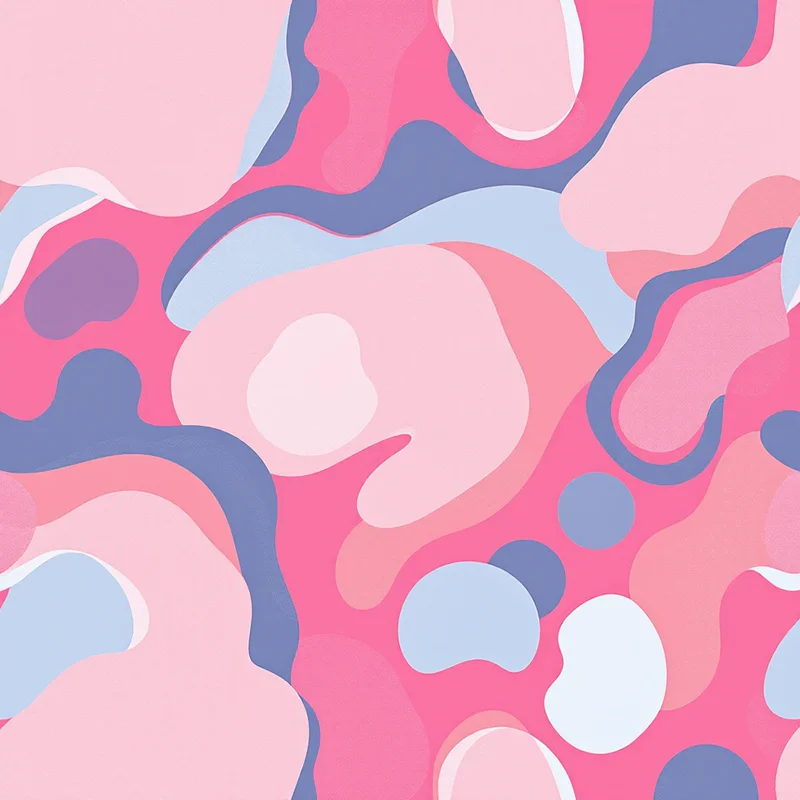
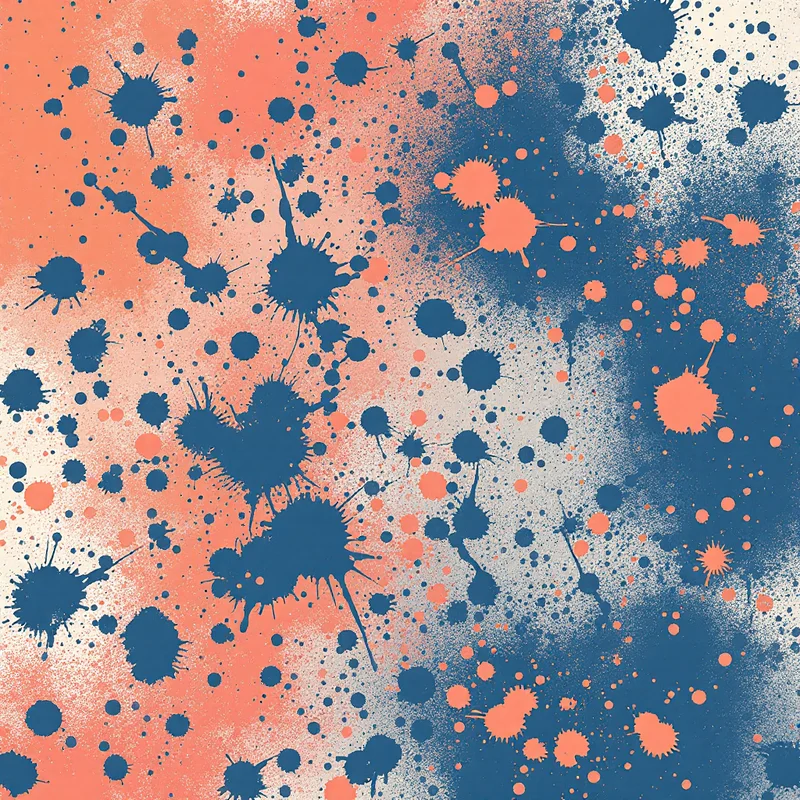
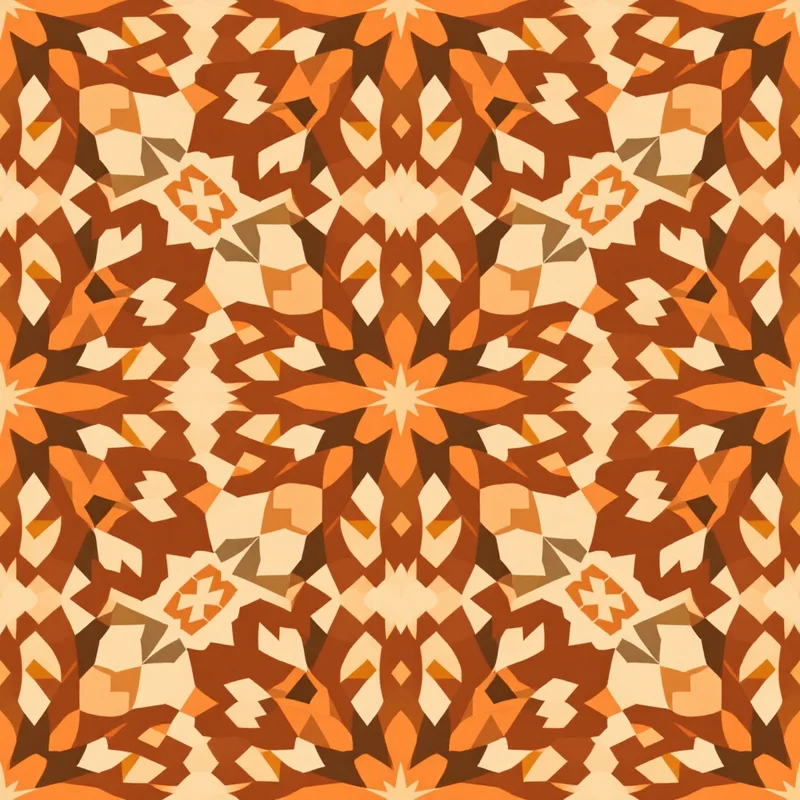
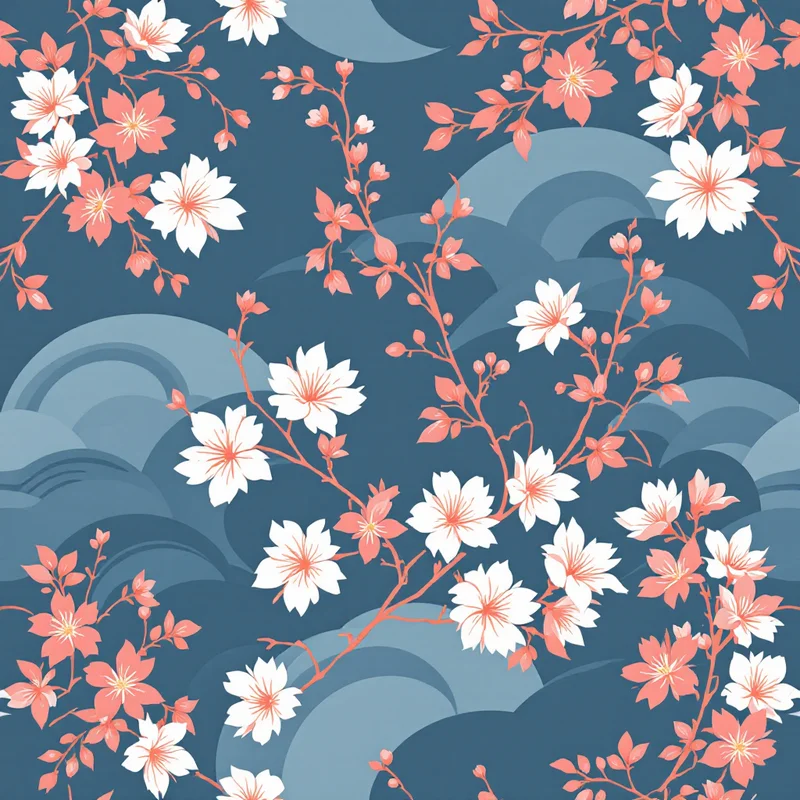
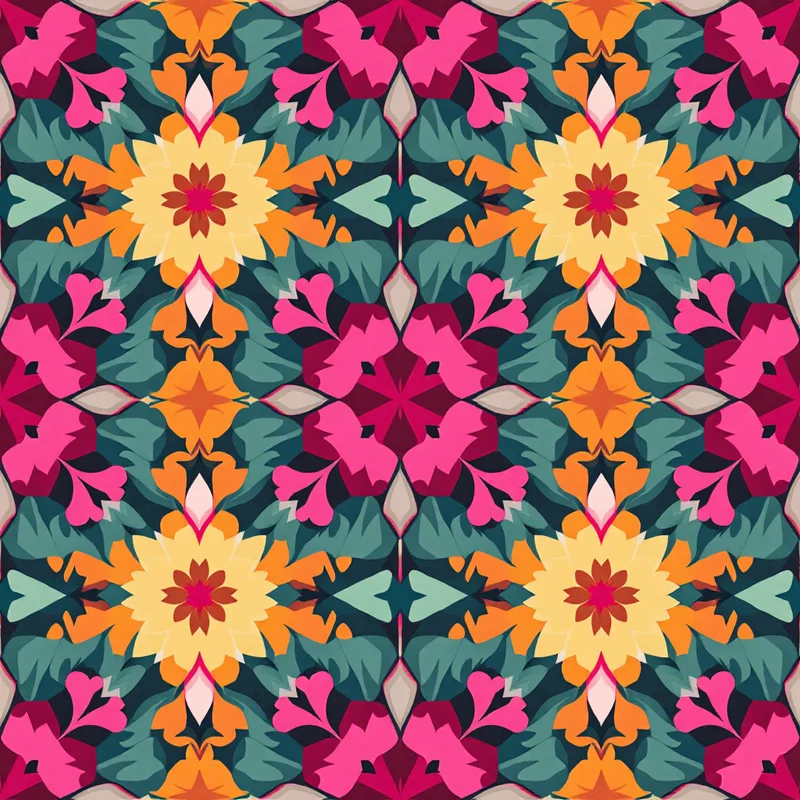
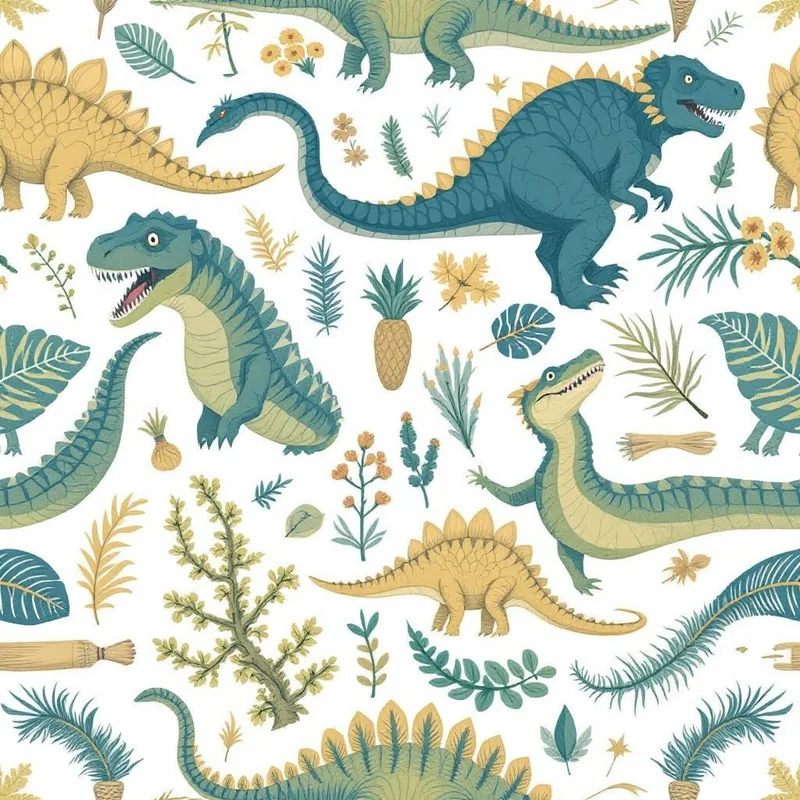
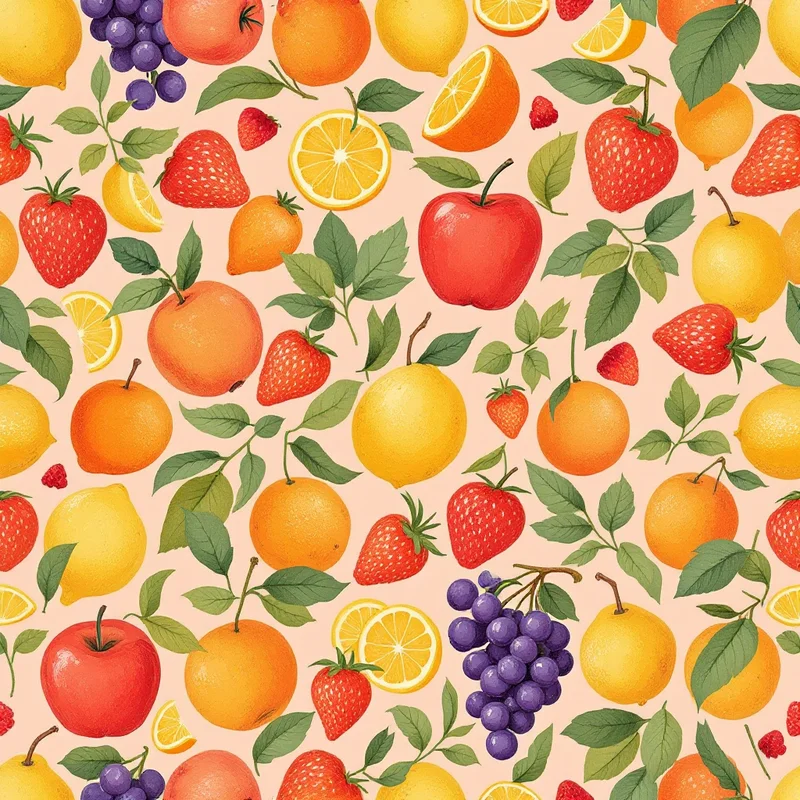
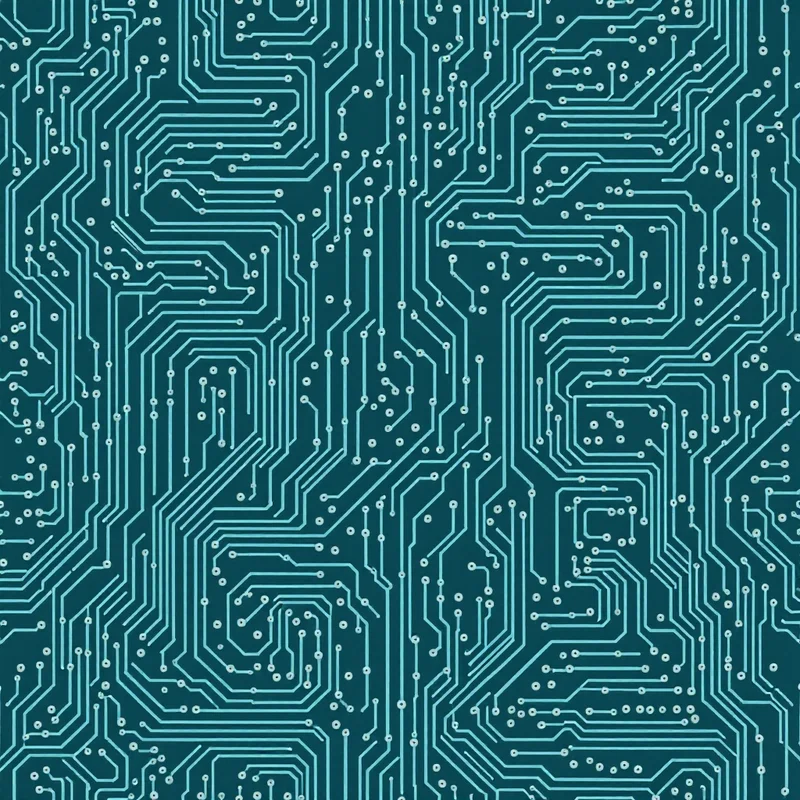
Tileable patterns span every visual style. Some are tight geometric grids — hexagons, scattered dots, herringbone, plaid checks, and even brick or half-drop offsets that stagger each row for a more natural rhythm. Others are organic and flowing — tossed florals, leafy vines, watercolor blobs, marble veining, and terrazzo speckle. Color choices range from soft pastel and muted earth tones for calm, low-distraction backgrounds to high-contrast monochrome and saturated brights for bold statement prints. What stays constant across all of them is the math of the repeat: every element that runs off one side reappears on the opposite side, so the tile reads as one continuous surface no matter how many times it is laid down.
Commercial applications
Designers, developers, and makers search for tileable patterns because they need coverage without seams. Web and app developers use small tiles as repeating backgrounds that load fast and stay crisp behind content. Game and 3D artists need wrapping textures for floors, walls, and terrain that loop without a telltale grid. Print-on-demand sellers, fabric designers, and home-decor brands need repeats that hold up when stretched across yards of cloth, rolls of wallpaper, or sheets of wrapping paper. Crafters making digital papers, scrapbooking kits, and planner stickers want the same thing. The shared requirement behind all of these is a tile that hides its own edges and scales without falling apart.
Where to use tileable patterns patterns
Concrete uses run wide. On the textile and product side, tileable repeats become apparel prints, quilting cotton, upholstery, bedding, scarves, leggings, tote bags, packaging, gift wrap, ceramic and floor tile artwork, and surface graphics for stationery and home decor. On the digital side, the same tiles serve as website and UI backgrounds, social media canvases, phone and desktop wallpapers, and seamless game and product-render textures. One well-built tile can move from a phone screen to a bolt of fabric to a feature wall without ever exposing a seam, which is exactly why a true repeat is worth building once and reusing everywhere.
Customization & export
With Pattern Weaver you describe what you want, then shape it: pick the motif and substyle, set your exact colors, and dial in scale and density so the repeat reads sparse and airy or dense and immersive. The studio builds the design as a genuine seamless tile rather than cropping a flat picture into a square, so the edges line up by construction instead of by luck. Generate a batch of variations, swap colorways in seconds, preview how the tile reads when it repeats, and lock the version that fits your project before you commit any credits to a full export.
When the tile is right, export it at up to 8K resolution (8192x8192) — high-resolution PNG for print-on-demand and digital art, lossless TIFF for fabric mills and professional print workflows, and vector-ready PDF for scalable layouts and large-format use. Pattern Weaver keeps the repeat intact at every size, so a tile that looks seamless in preview stays seamless on the final surface, whether that surface is a one-inch sticker or a wall.