Design characteristics
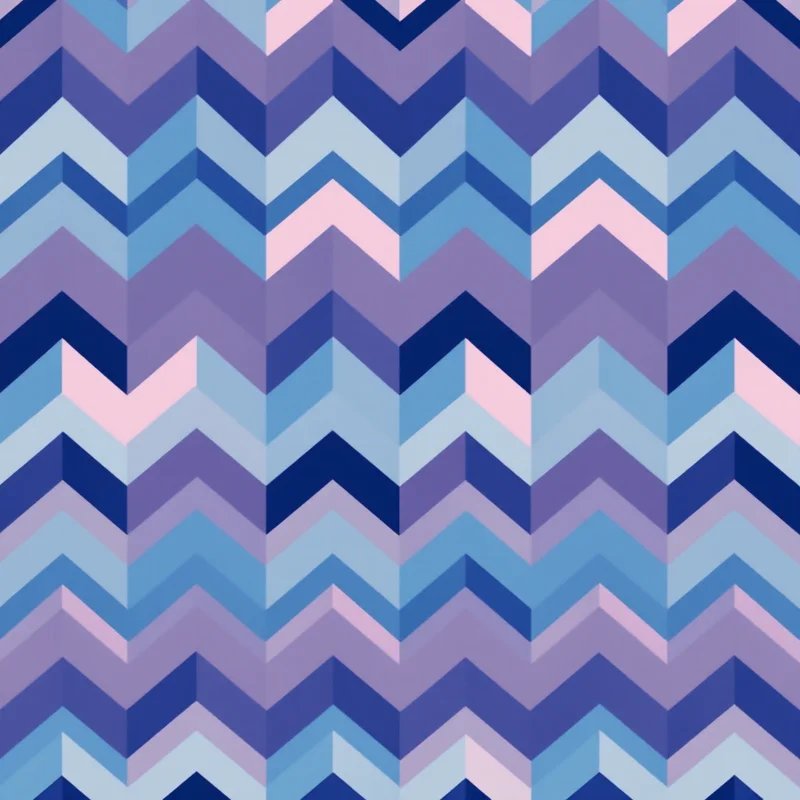
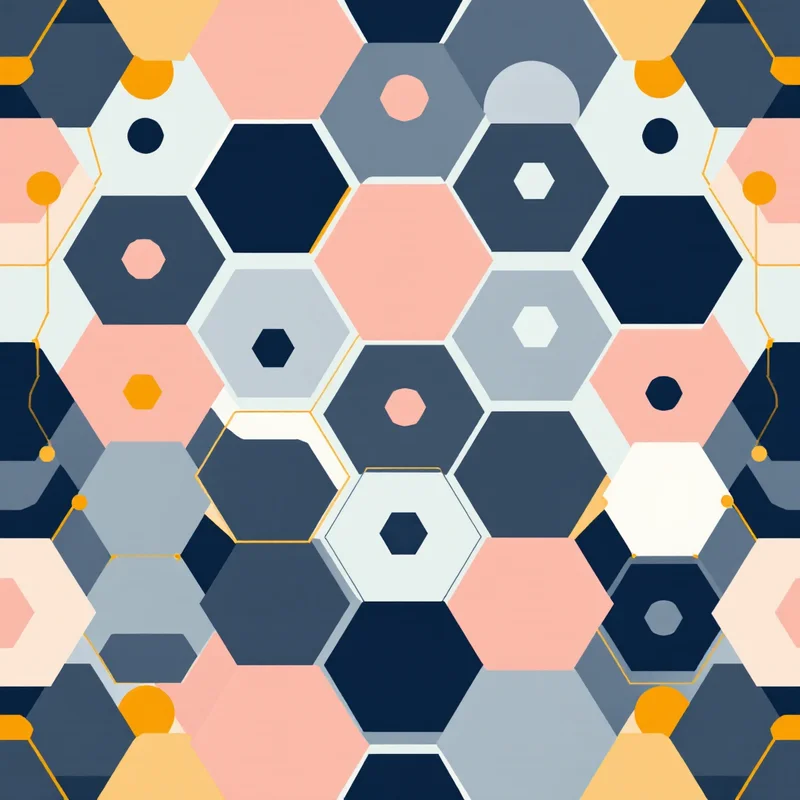
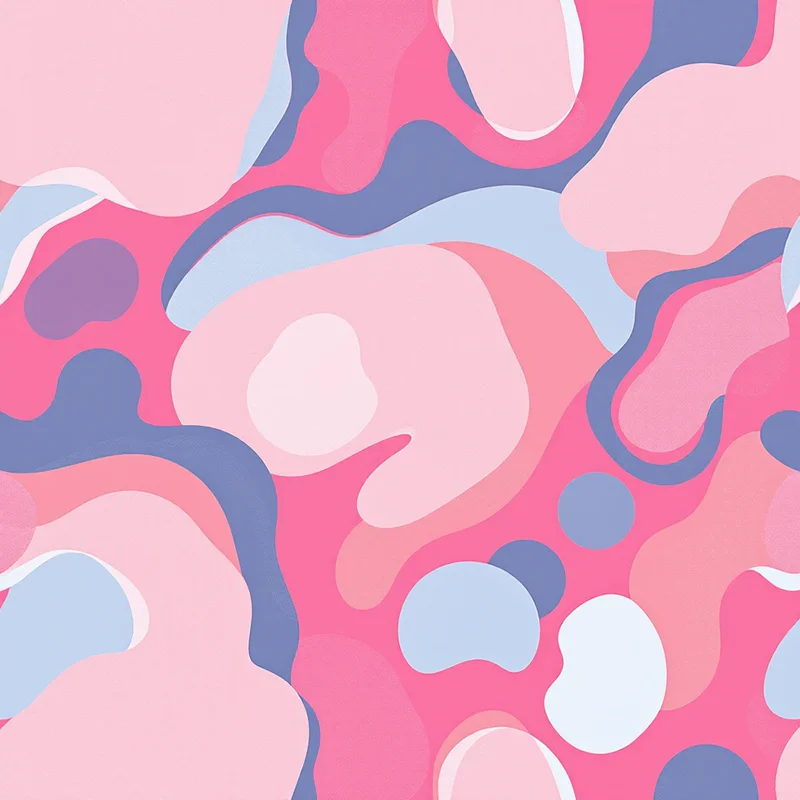
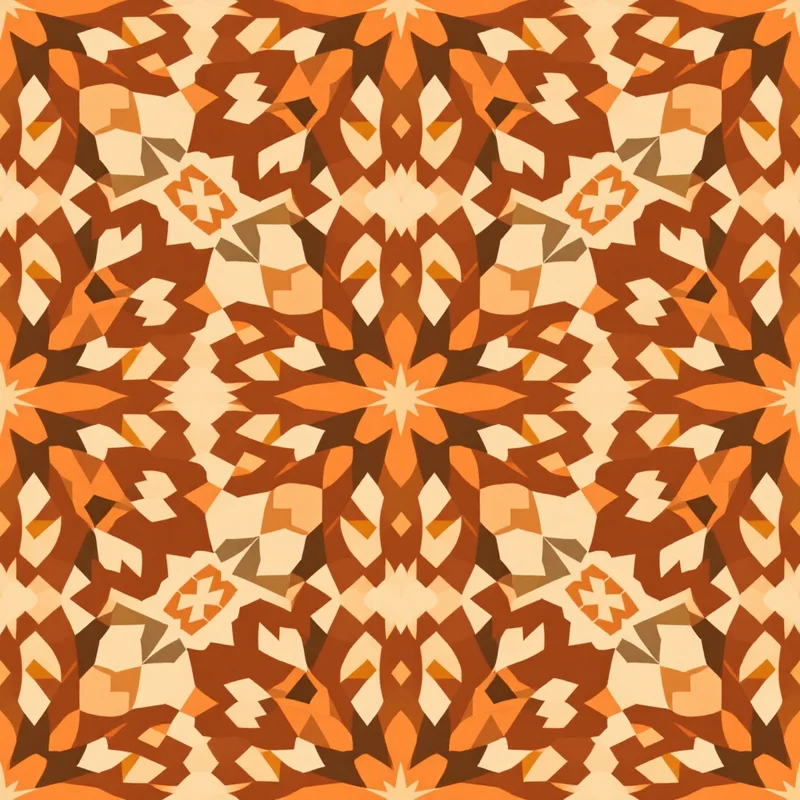
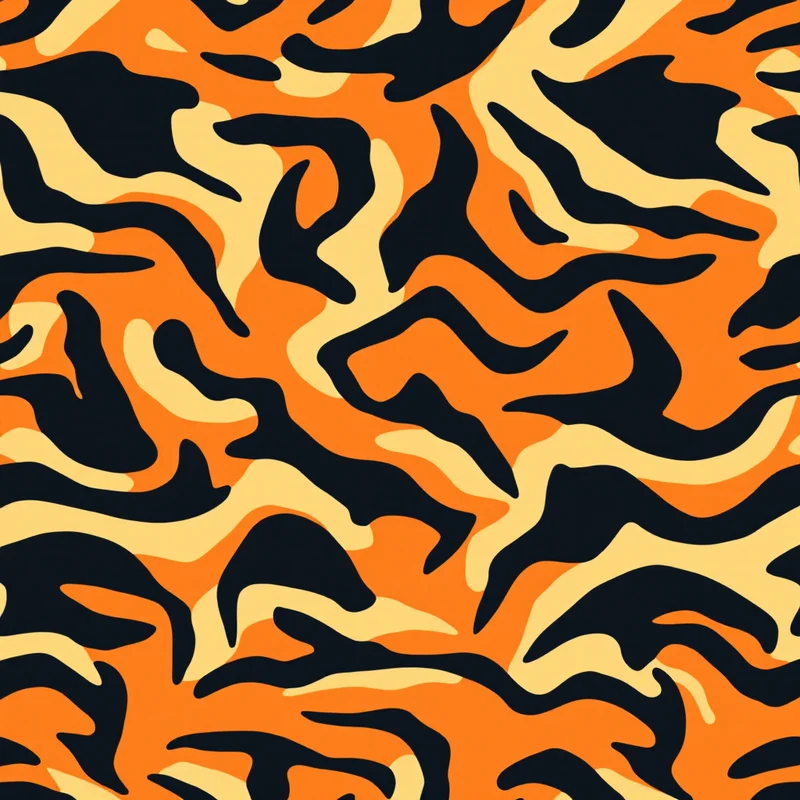
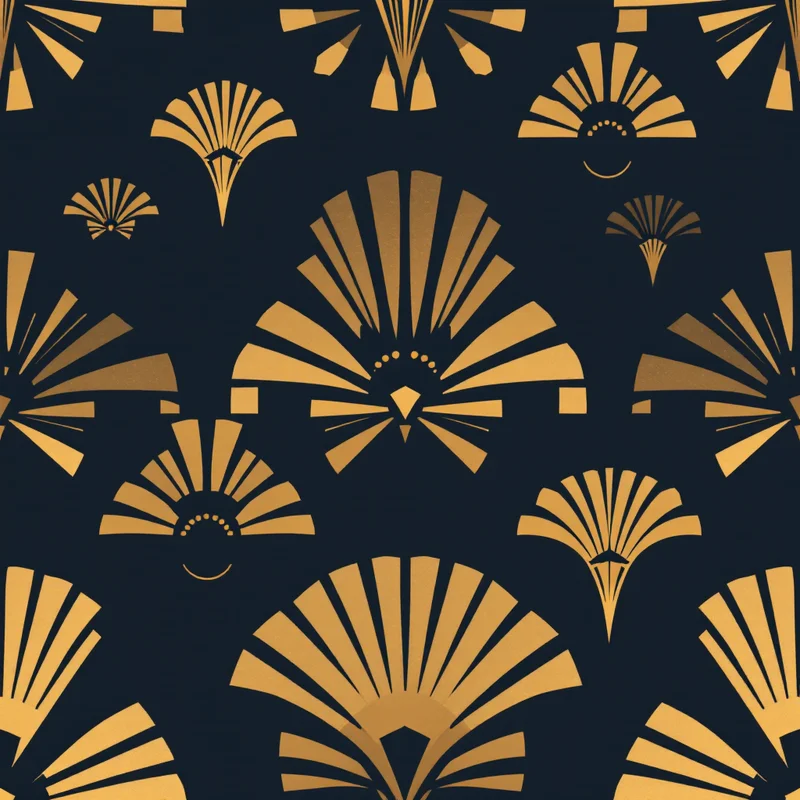
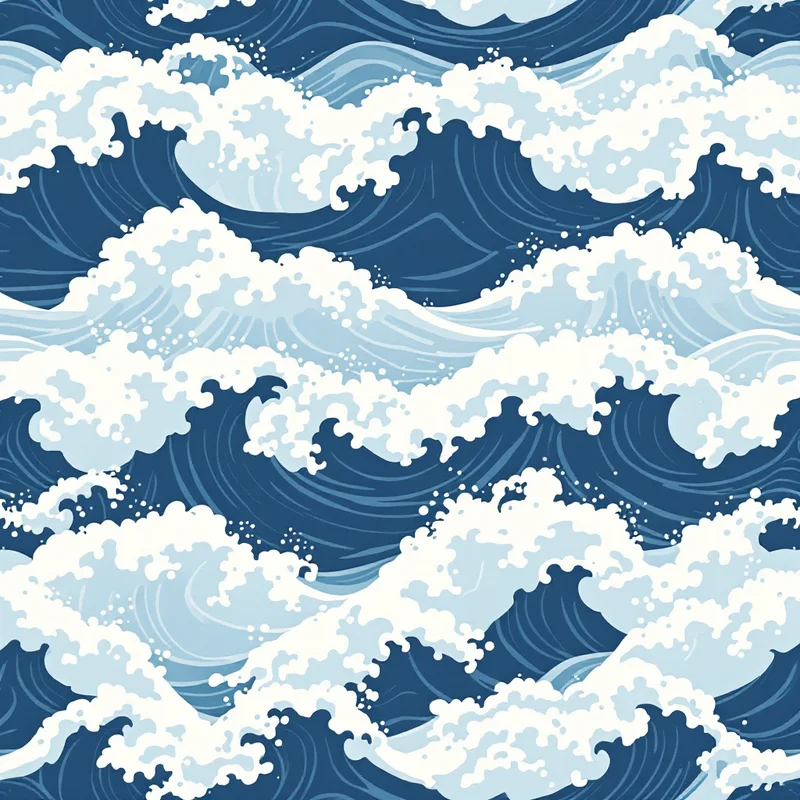
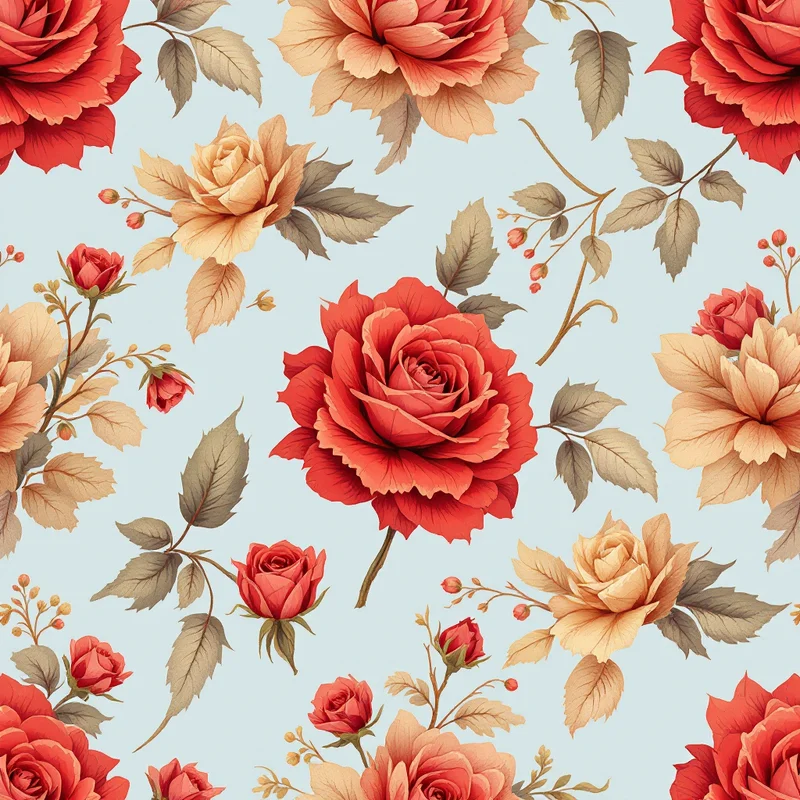
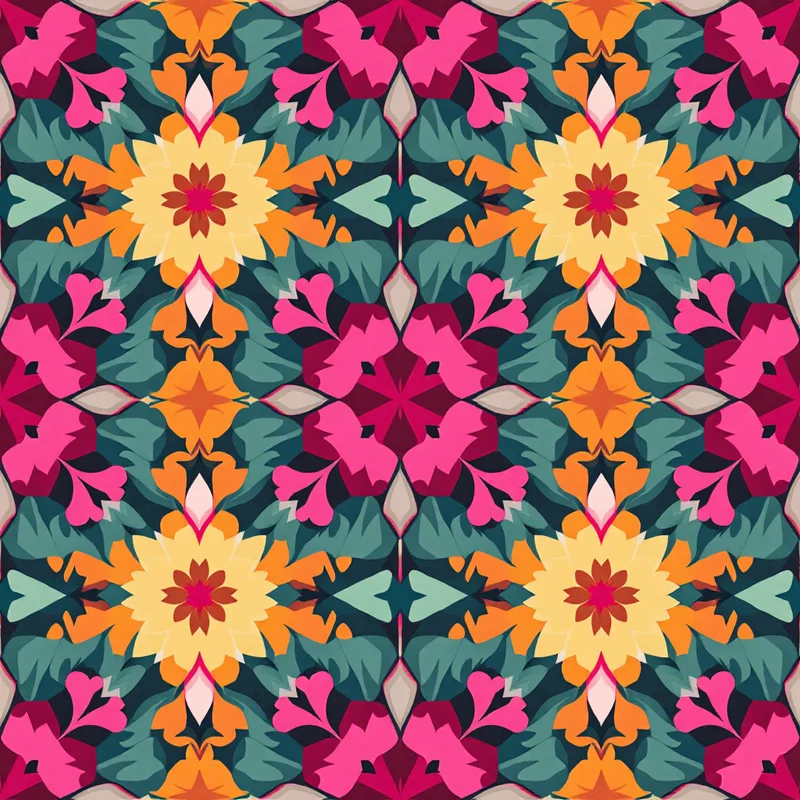
Tile patterns draw on a long visual lineage. Moroccan zellij and Portuguese azulejo gave us interlocking stars and arabesques; Victorian and encaustic cement tiles brought bold quatrefoils, four-point florals, and geometric medallions; mid-century kitchens leaned on checkerboards and hexagons. Each tradition shares a quartered or rotational symmetry that lets four or eight copies meet at a shared corner. Typical palettes range from cobalt-and-white delftware and terracotta-and-cream Mediterranean schemes to high-contrast monochrome cement tiles and saturated jewel tones for encaustic revivals.
Commercial applications
Designers reach for a tile generator because hand-aligning a seamless repeat is slow and error-prone. One mismatched pixel at the boundary creates a visible grid line that multiplies across the whole surface. Pattern Weaver handles the edge logic automatically, so the unit you preview is the unit that prints, letting you focus on motif, color, and spacing rather than registration. That reliability matters most when the same artwork has to survive being scaled up for a duvet and scaled down for a phone case.
Where to use tile pattern generator for seamless repeats patterns
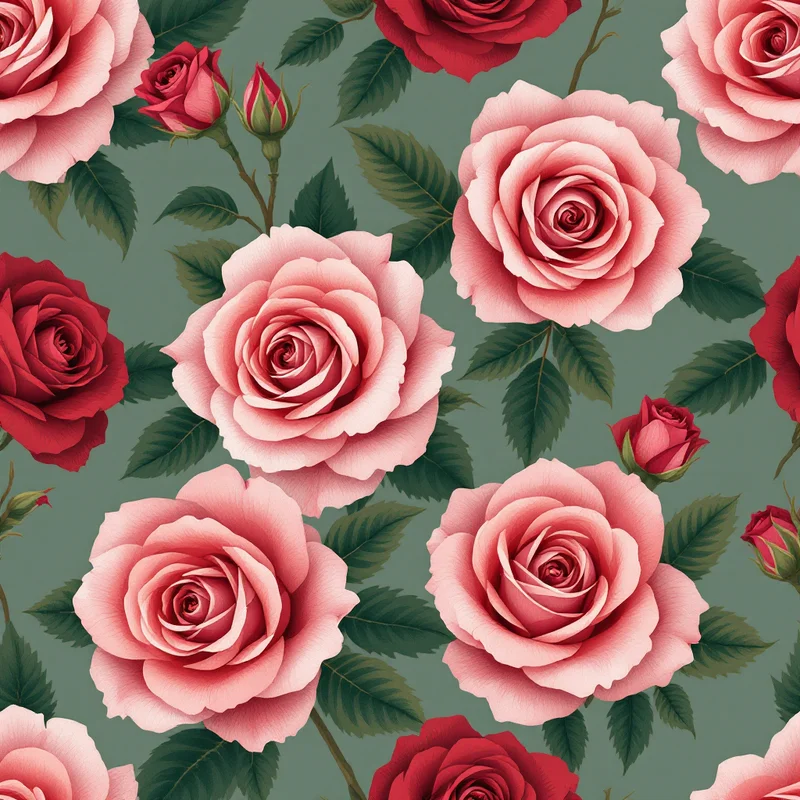
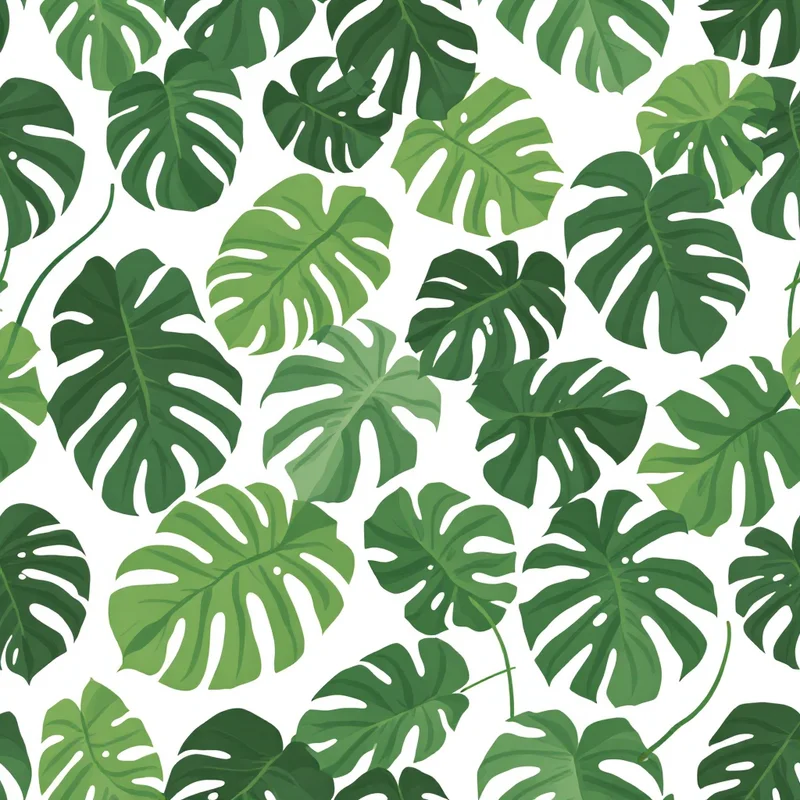
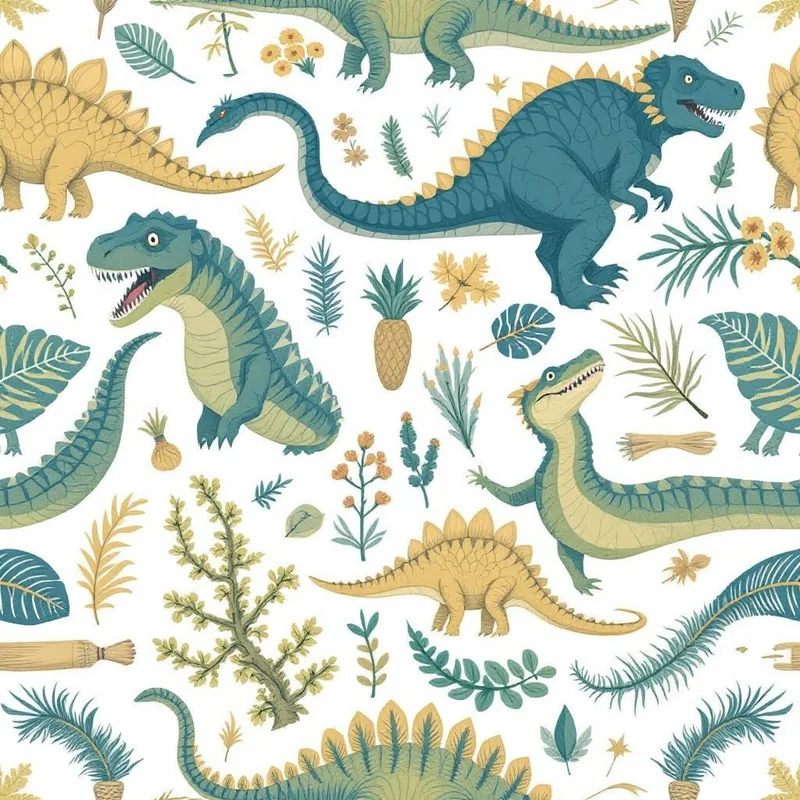
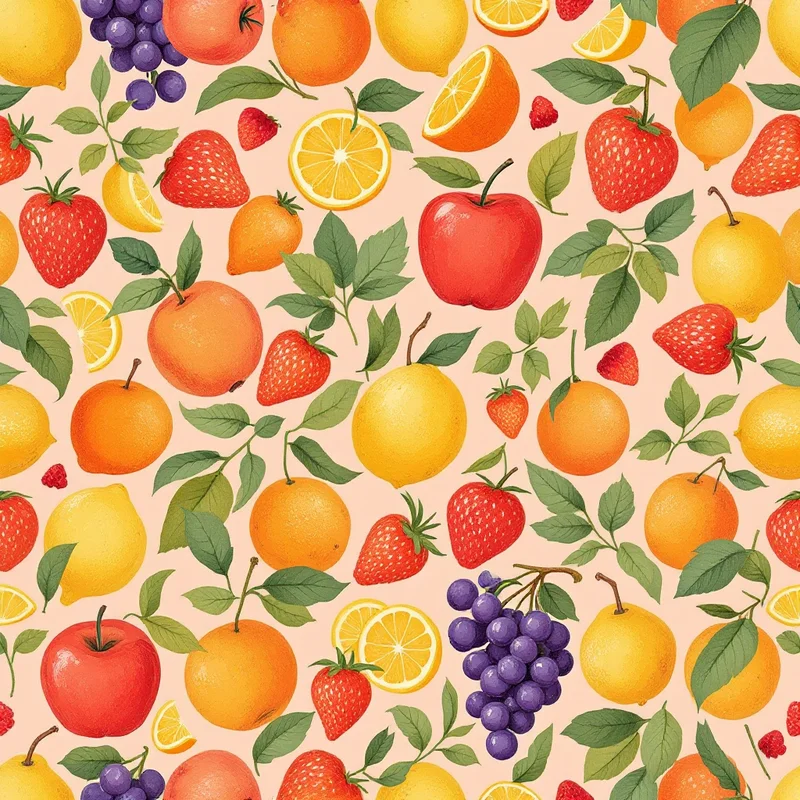
The same tile drives a wide range of products. In textiles and fashion it becomes upholstery, cushion covers, scarves, and apparel yardage. In interiors it maps onto removable wallpaper, ceramic and porcelain tile prints, rugs, and shower curtains. For commercial work, a clean repeating tile is ideal for gift wrap, branded packaging, stationery, tote bags, and notebook covers, where a small unit can fill any dieline without manual tweaking. Because the file is a true repeat, manufacturers can step-and-repeat it across any roll width or sheet size.
Customization & export
Customization is where a tile generator earns its place in a studio workflow. You control density to move from airy, breathing layouts to dense, fully packed surfaces; scale to set how large each motif reads on the finished product; and color to swap full palettes or fine-tune individual tones to match a brand or season. You can lock a symmetry type, choose grid or offset alignment, and iterate through dozens of variations before committing to one. Because every result stays a true repeat, there is no point in the process where you have to manually clean up the seams, which is the slowest and most fragile part of building tiles by hand. Once a tile is right, export it at up to 8K (8192x8192) so it holds crisp detail on large-format print, then drop the same file into a duvet mockup, a tile catalog, or a packaging dieline without any rework.
Pattern Weaver exports in the formats production teams actually use: PNG and WEBP for digital mockups and web, TIFF for high-resolution textile and ceramic printing, PDF for press-ready packaging and stationery, and SVG for scalable vector work, plus JPG for quick sharing and review. Vector SVG output is especially useful for clean geometric tiles like hexagons and quatrefoils, where crisp edges matter at any size. Combined with automatic seam matching and full control over color, scale, and density, the studio turns a single idea into a manufacturing-ready tile in minutes rather than hours, whether you are designing one cushion or an entire coordinated collection of fabric, wallpaper, and gift wrap.