

Design characteristics
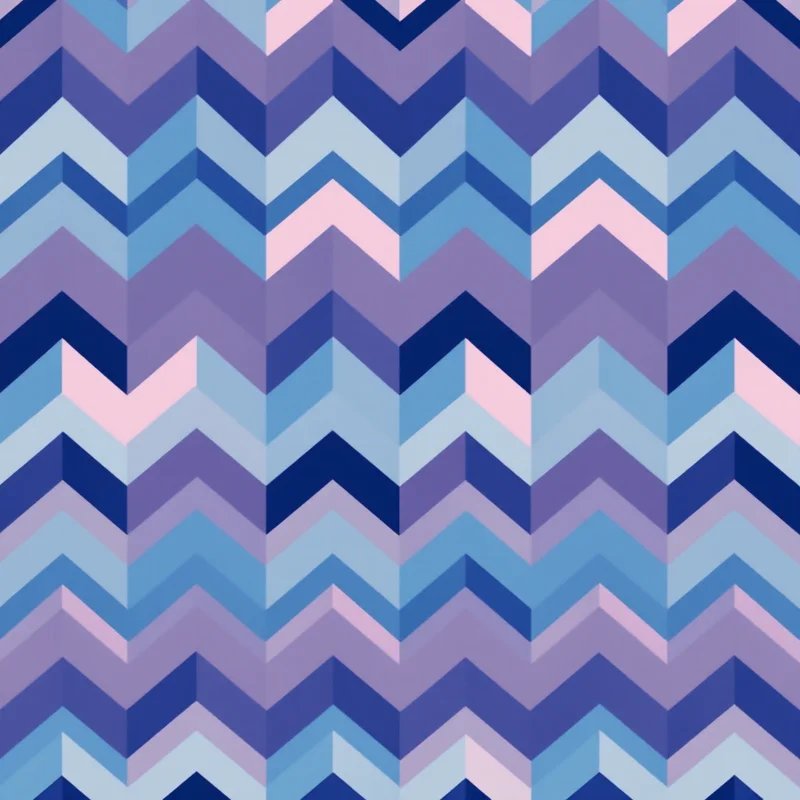
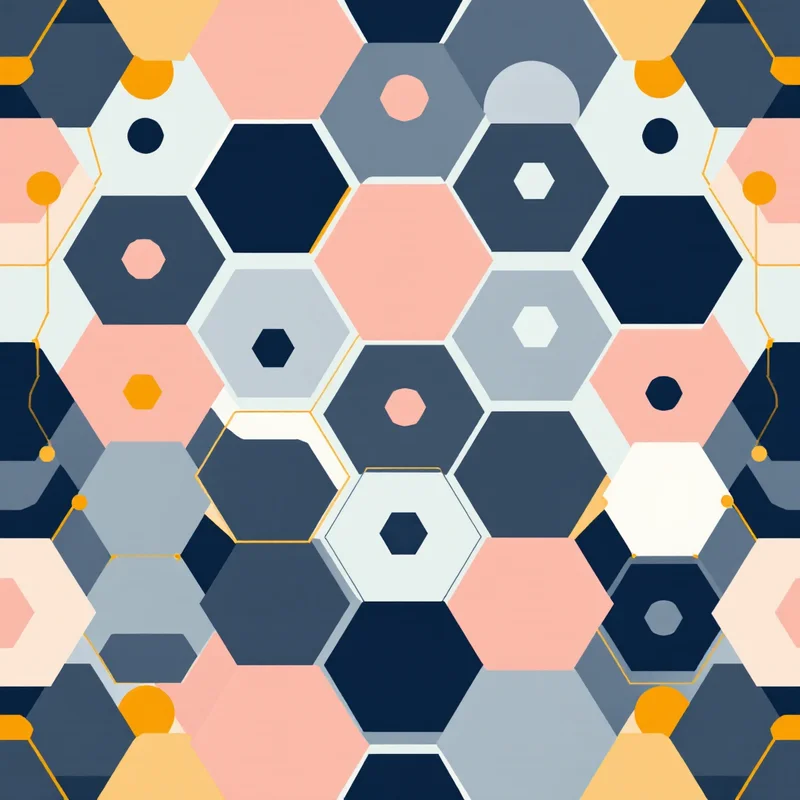
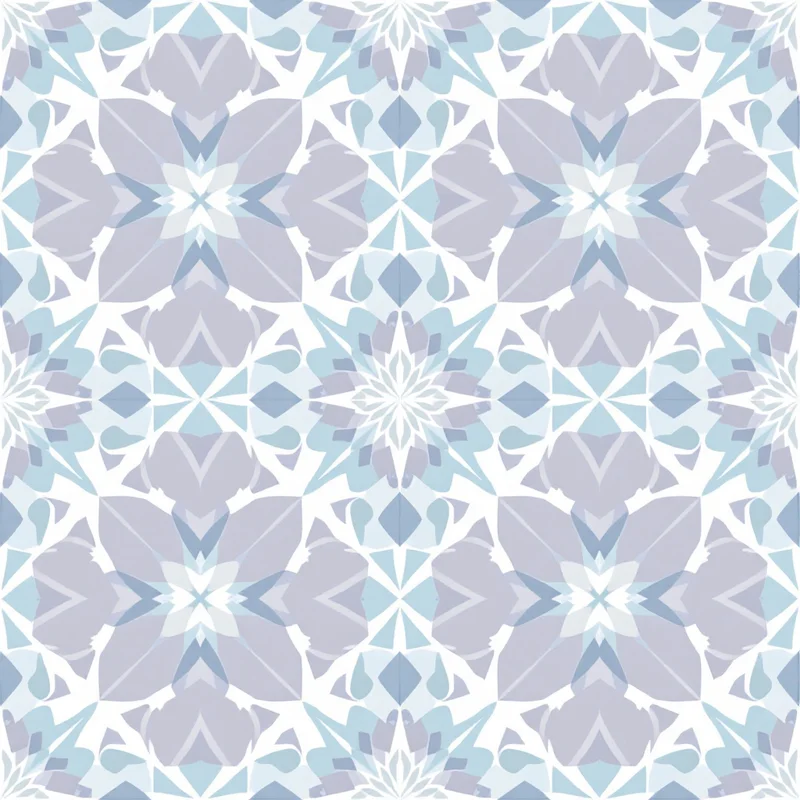
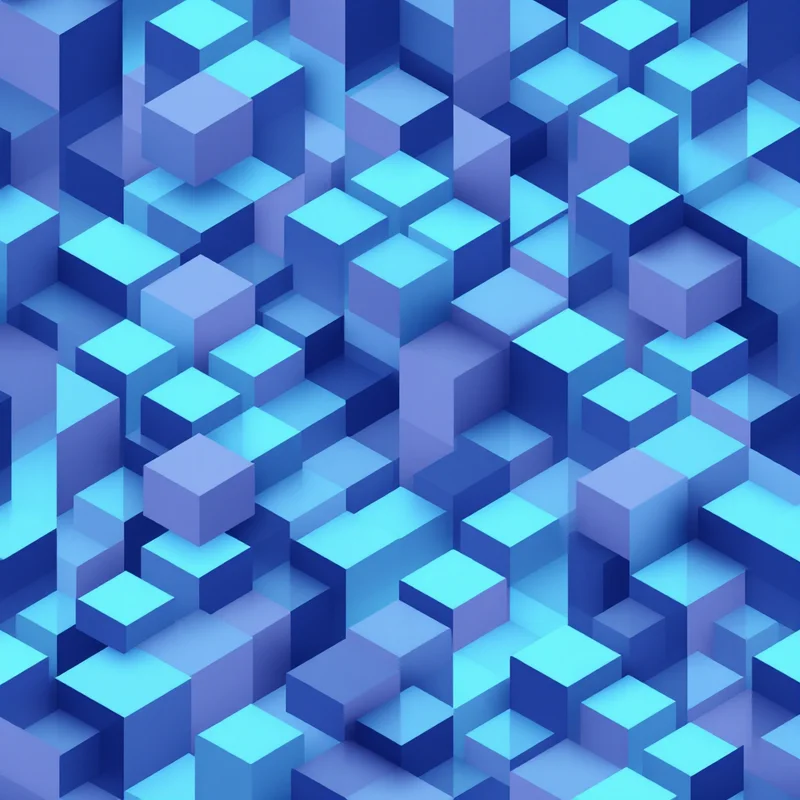
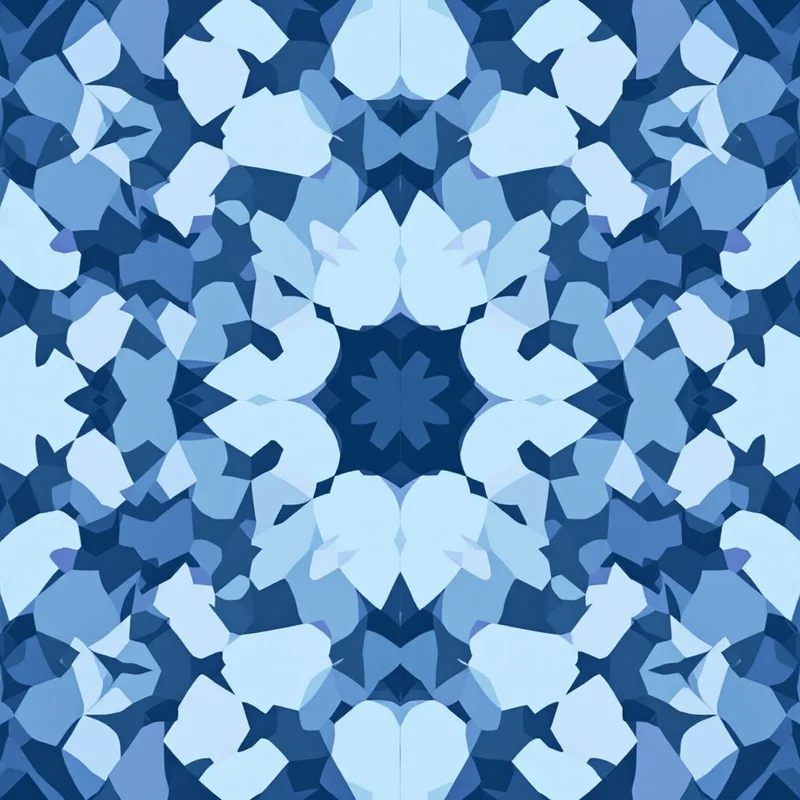
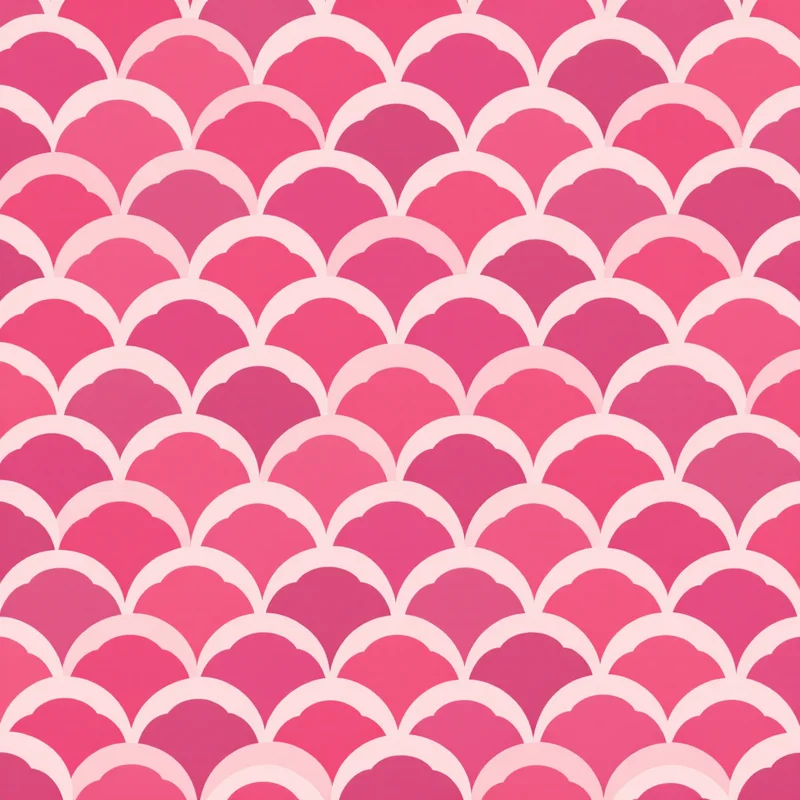
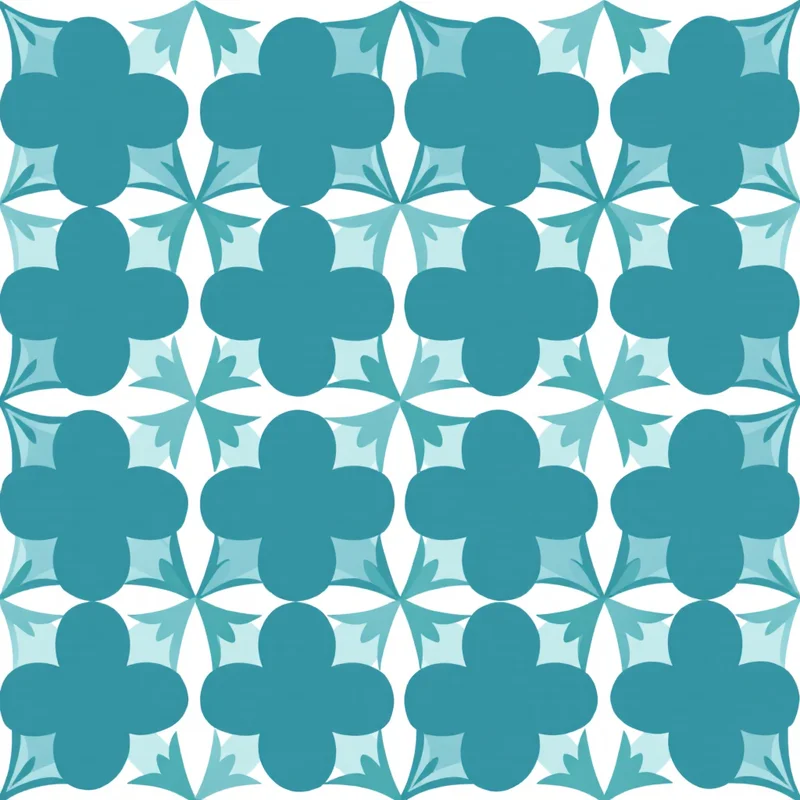
Visually, tessellations split into three families. Regular tessellations use one shape repeated, equilateral triangles, squares, or hexagons, for a clean, structural feel. Semi-regular tessellations mix two or more regular polygons at each vertex, producing the snub-square and truncated-hexagon layouts common in Islamic tilework and bathroom mosaics. And figurative tessellations, in the tradition popularized by M.C. Escher, morph the tiles into recognizable creatures or objects that interlock like puzzle pieces. Each family carries a different mood, from the engineered calm of pure hexagons to the playful trickery of shapes that turn into fish.
Commercial applications
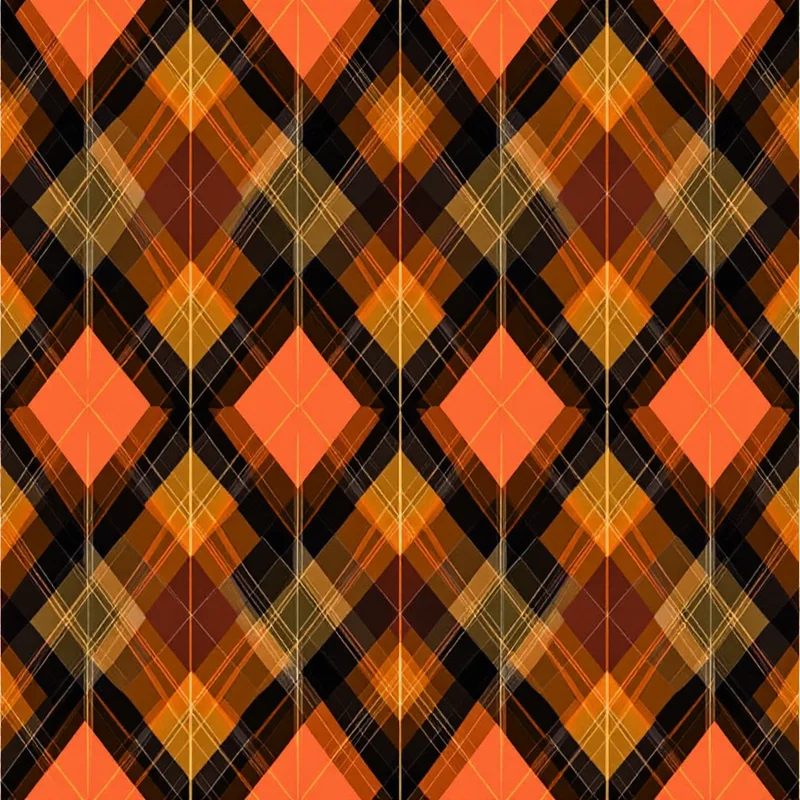
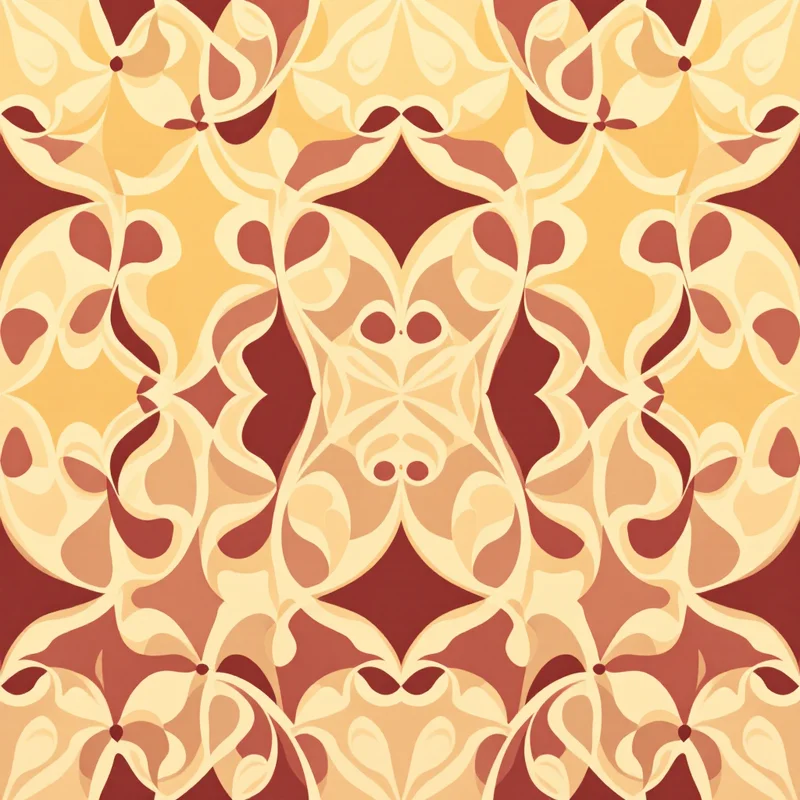
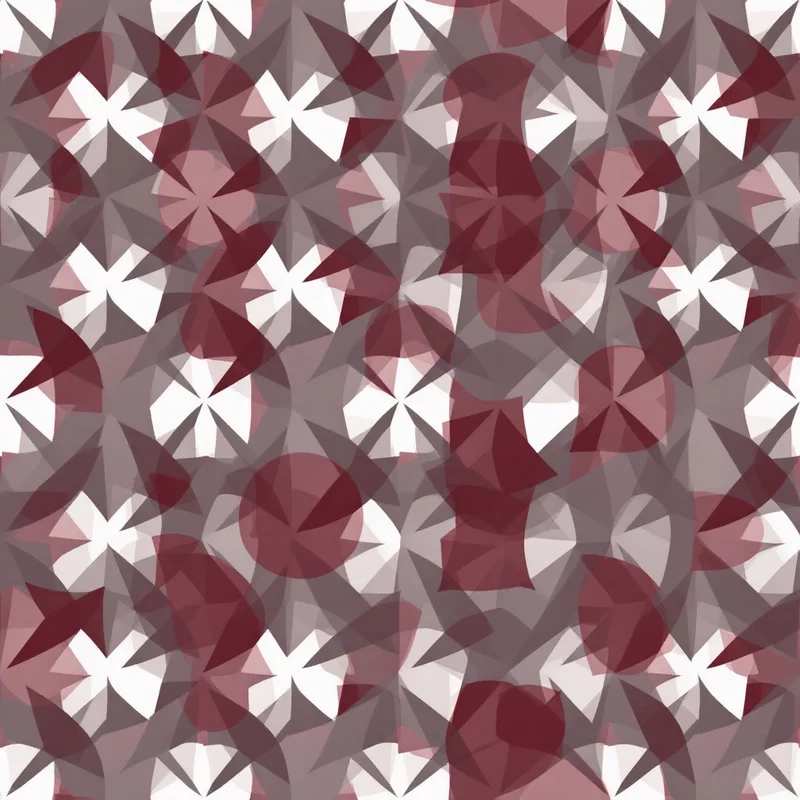
Color choices steer the read more than the geometry does. High-contrast pairings, black against white, navy against gold, terracotta against cream, make the tile boundaries pop and emphasize the interlock. Tone-on-tone palettes in greys, sages, or dusty blues let the structure recede into texture, ideal for upholstery and wallpaper that should support a room rather than dominate it. Two-color alternating fills create the classic checkerboard or honeycomb rhythm, while gradient fills across a grid of tiles produce an ombre effect that keeps the eye moving.
Where to use tessellation patterns that tile without a single gap patterns
The people searching for tessellation patterns tend to want precision. Quilters and patchwork makers need shapes that align perfectly across seams. Tile and flooring designers want layouts that scale to any room. Surface designers selling on print-on-demand platforms look for crisp geometry that holds up at thumbnail size and full yardage alike. Math and STEM educators want clean diagrams of regular and semi-regular tilings. Each of them needs the repeat to be genuinely seamless, because a tessellation with a visible join defeats its entire purpose.
Customization & export
Pattern Weaver lets you describe the tiling you want, choose the shape family, the contrast level, and the scale, then generates a true seamless repeat where every edge meets its neighbor cleanly. You can dial colors from stark two-tone to layered gradients, push the tile size from tight mosaic to oversized statement geometry, and regenerate variations until the rhythm feels right. Because the output tiles perfectly, it works whether you are printing a single cushion or covering a forty-meter roll of wallpaper.
When the design is set, export at up to 8K resolution (8192x8192) in PNG for digital mockups and print-on-demand uploads, TIFF for fabric mills and high-end wallpaper printers that need layered, lossless files, or PDF for vector-style sharpness in packaging and large-format work. JPG and WEBP cover web previews and listings, and SVG suits cases where you want shapes that stay crisp at any size. The repeat stays seamless at every export size, so a tessellation that looks right on screen tiles just as cleanly across a bolt of fabric or a printed wall.