
Design characteristics
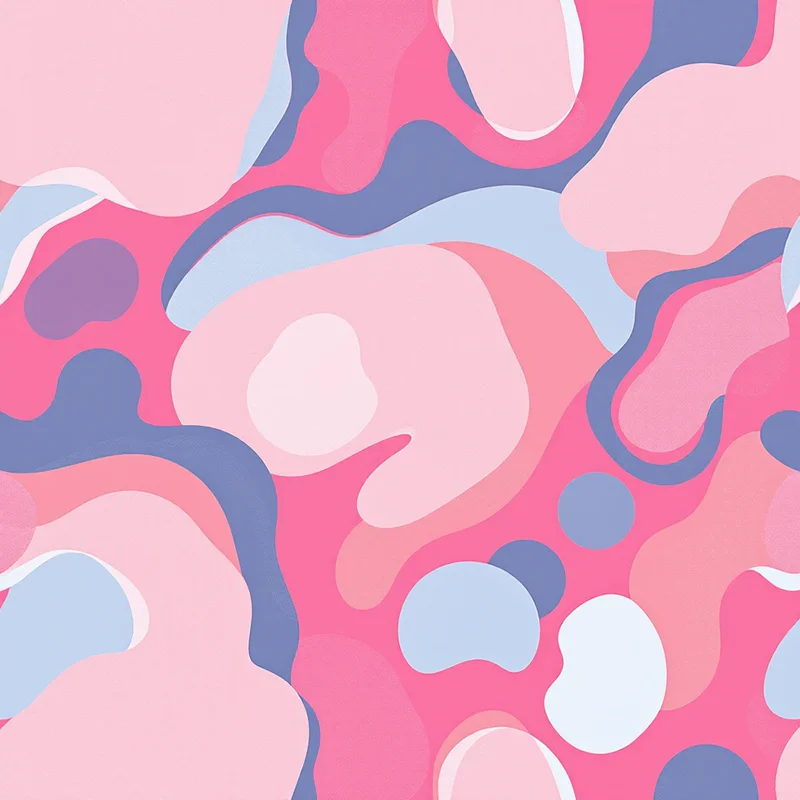
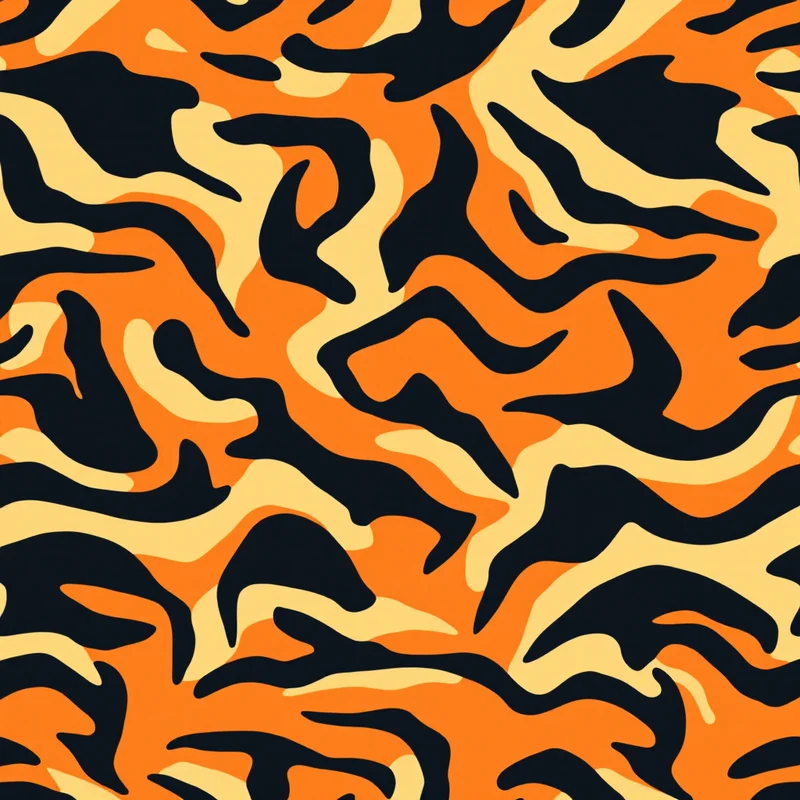
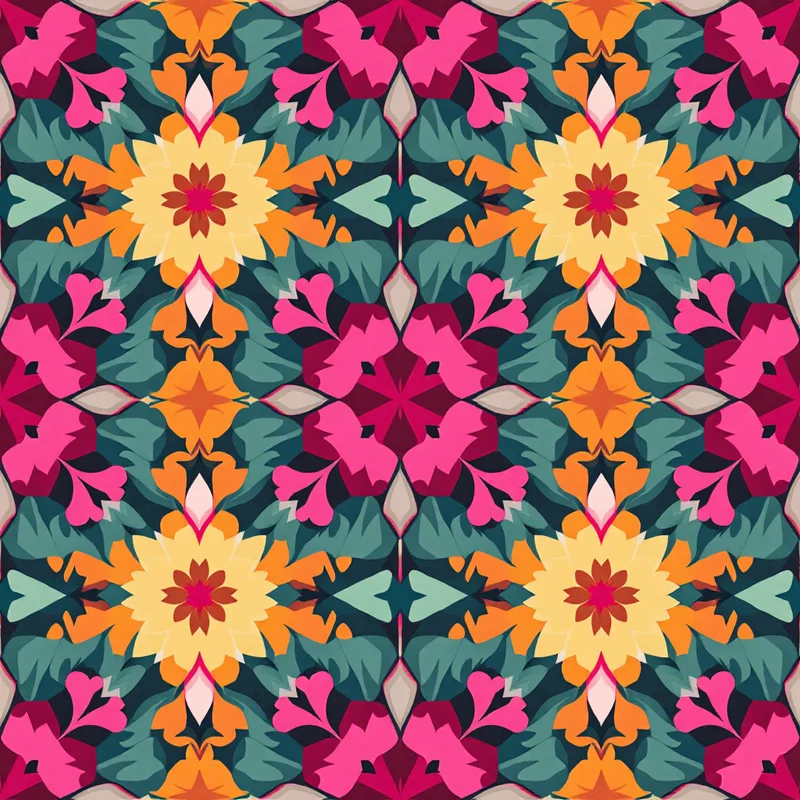
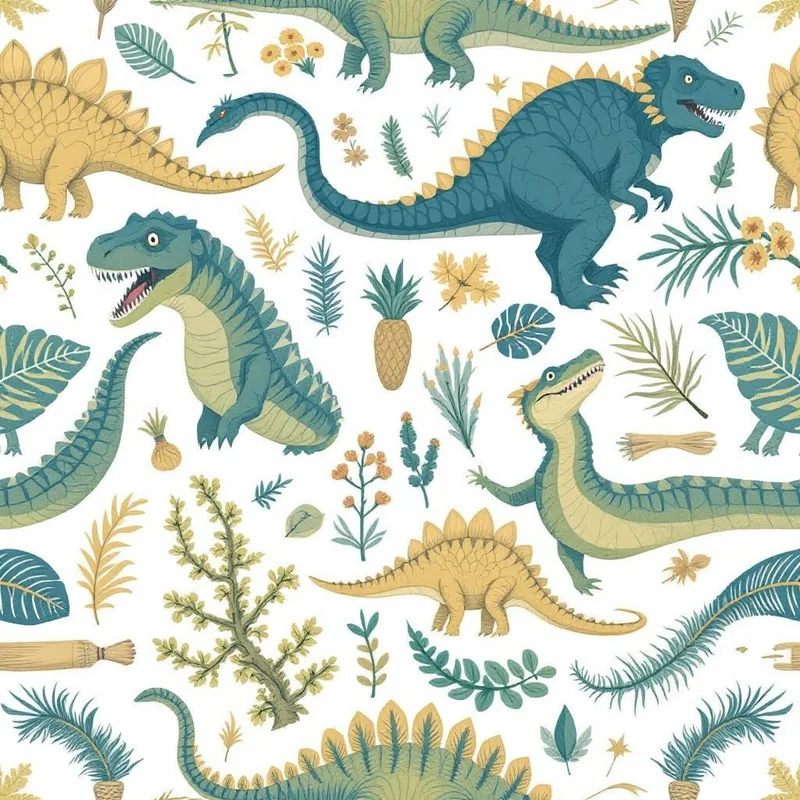
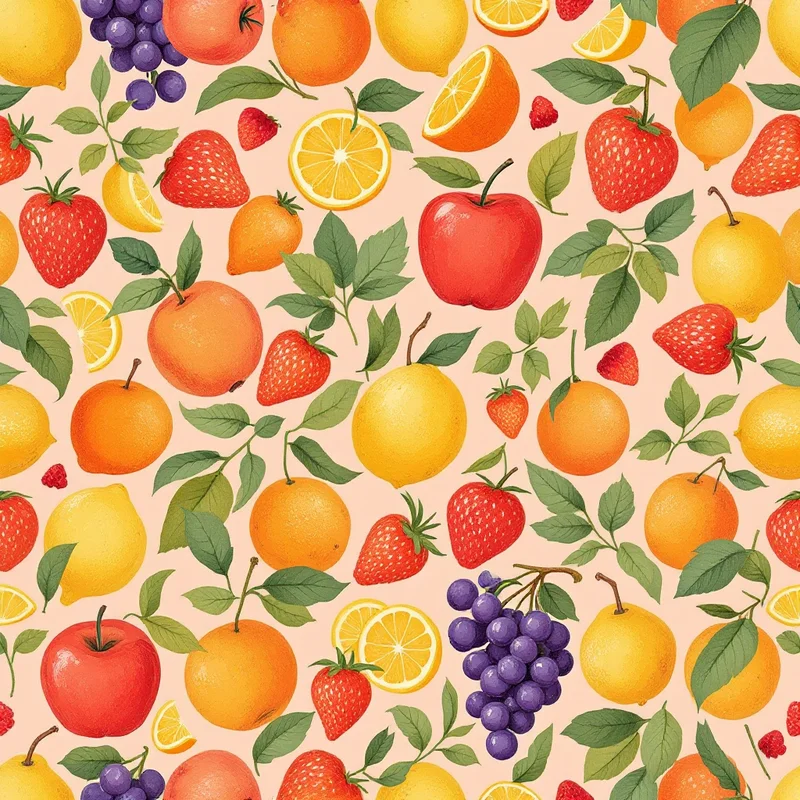
Scale is the first decision for tablecloth design. A wide-open layout with large, spaced motifs suits formal dining and restaurant settings, where the cloth frames the place settings rather than competing with them. Tighter, denser repeats work better for everyday kitchen cloths, picnic spreads, and casual cafe tables where you want a busy, forgiving surface that hides crumbs and wear. The studio lets you dial density and motif size independently, so you can keep a single design language while producing a delicate version for fine dining and a bold version for outdoor use.
Commercial applications
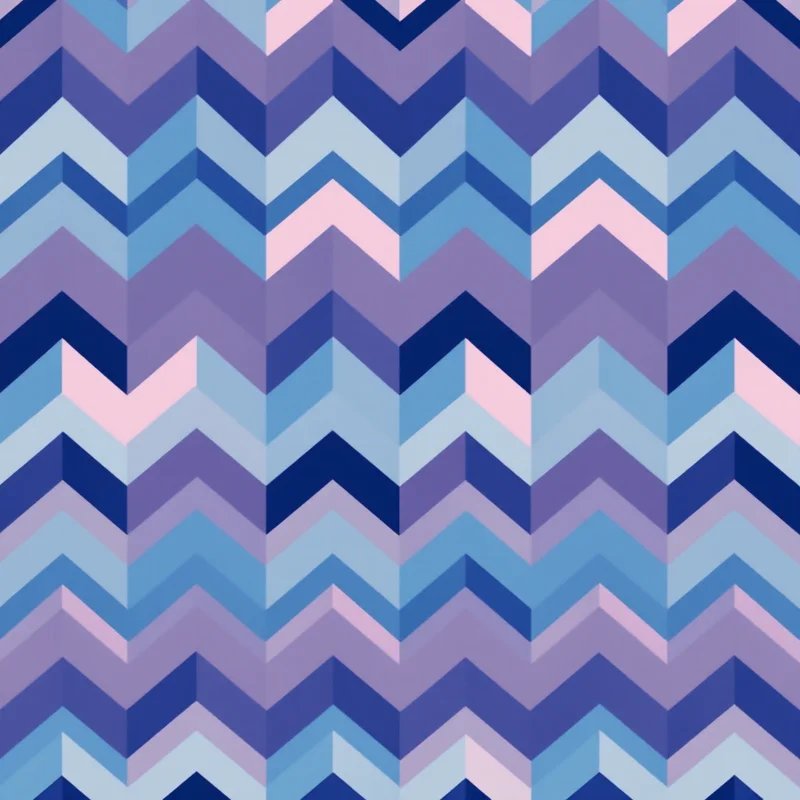
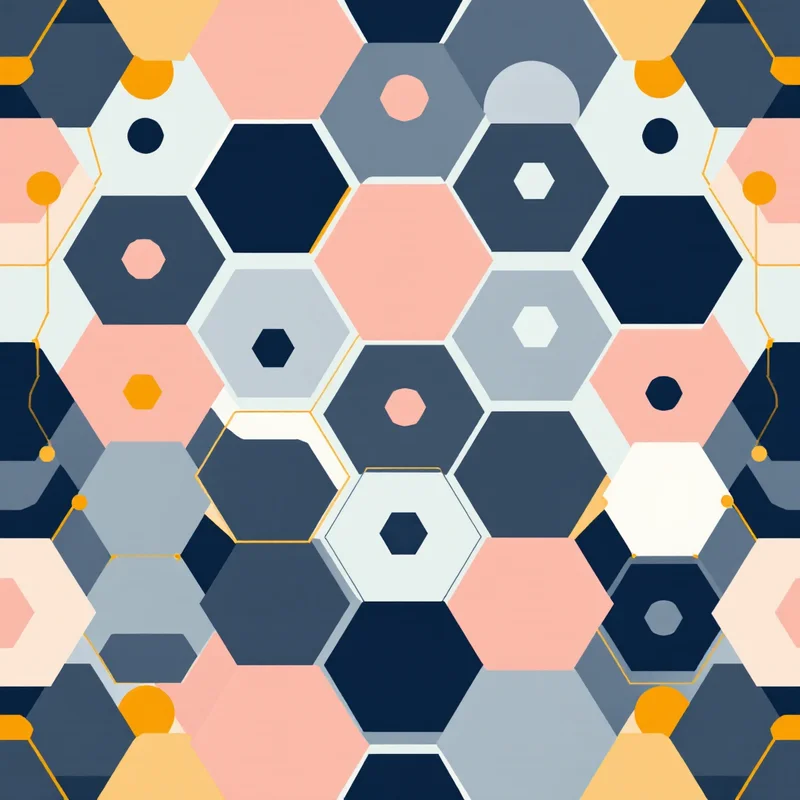
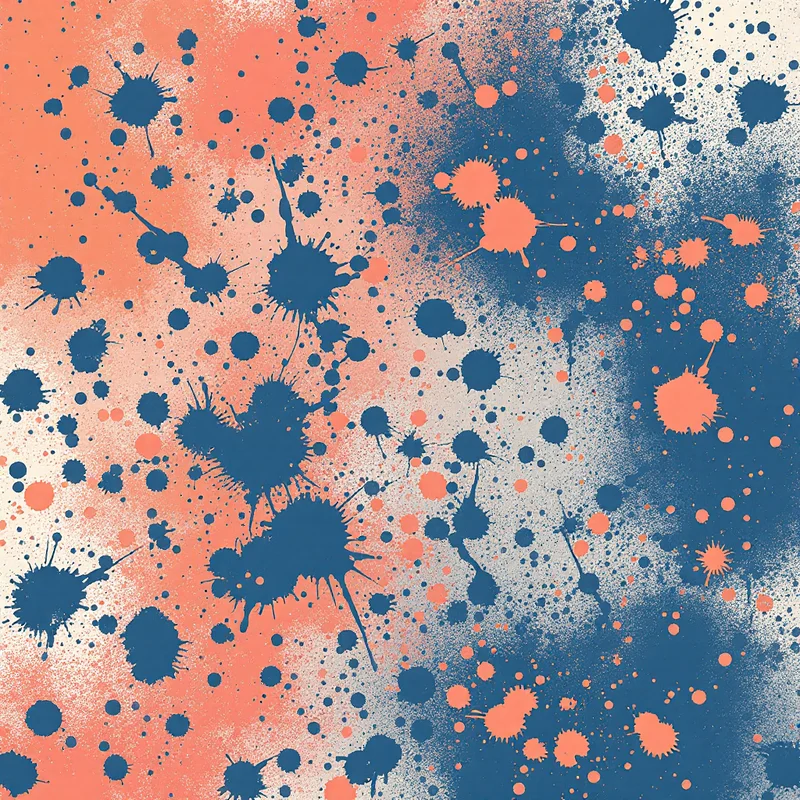
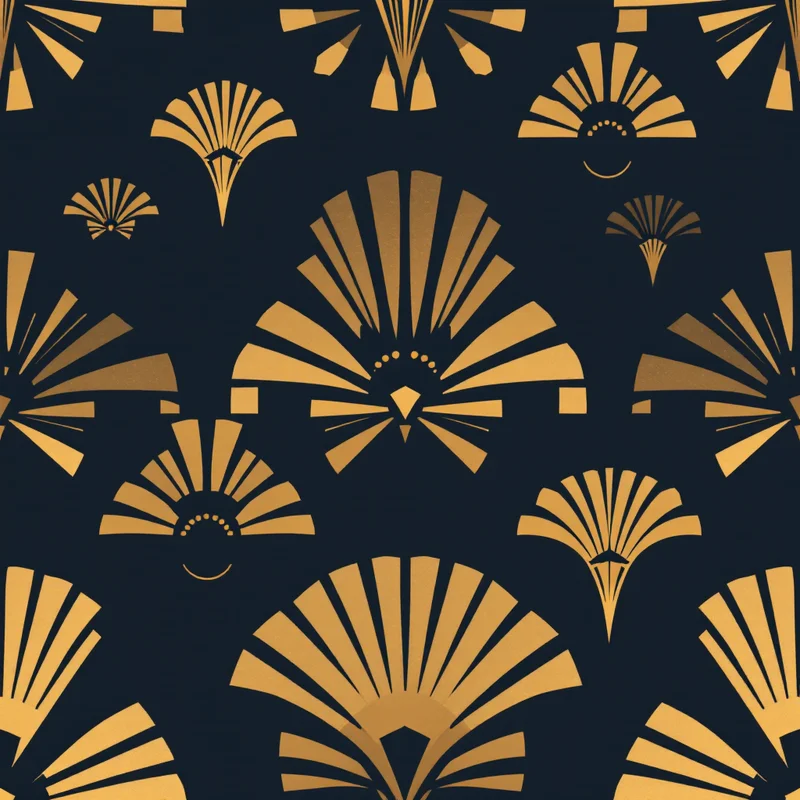
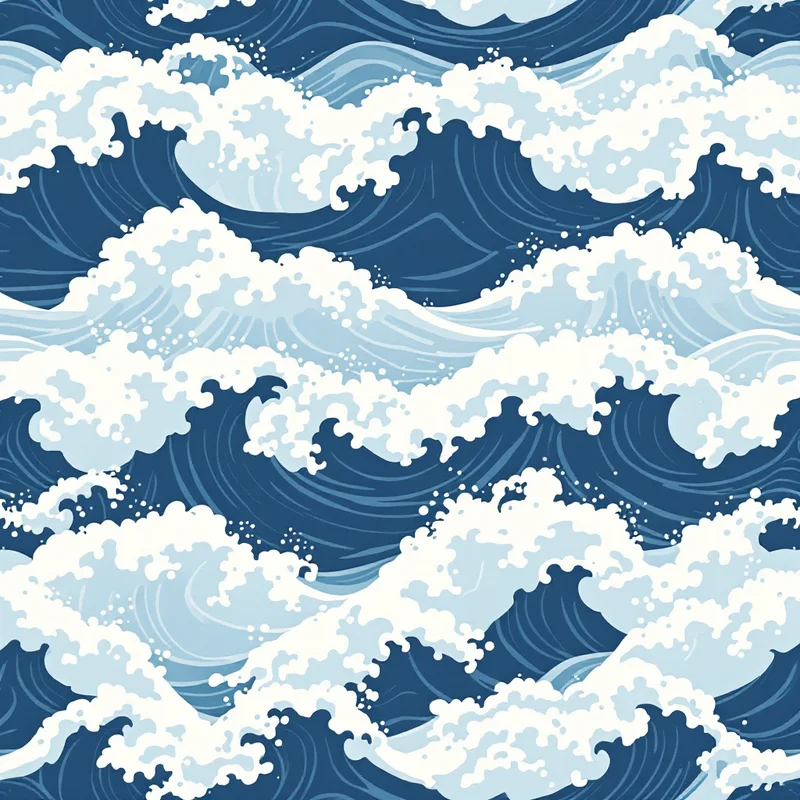
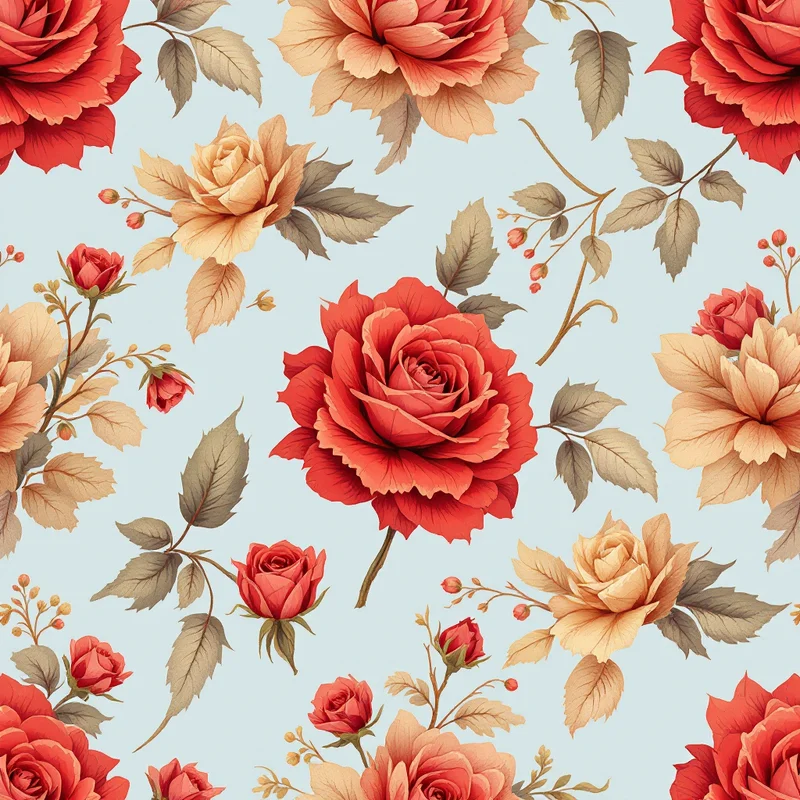
Color and contrast matter more here than on apparel. Tablecloths live with food, candlelight, and tableware, so muted grounds with one or two accent tones photograph well and stay timeless, while high-contrast prints make a statement at events and pop in product listings. You can lock an exact palette, build seasonal variants (warm reds and greens for holidays, soft pastels for spring brunch, deep navies and golds for evening service), and recolor any motif without redrawing it. That makes it easy to ship a full collection from one core design.
Where to use tablecloth patterns built for printing and production patterns
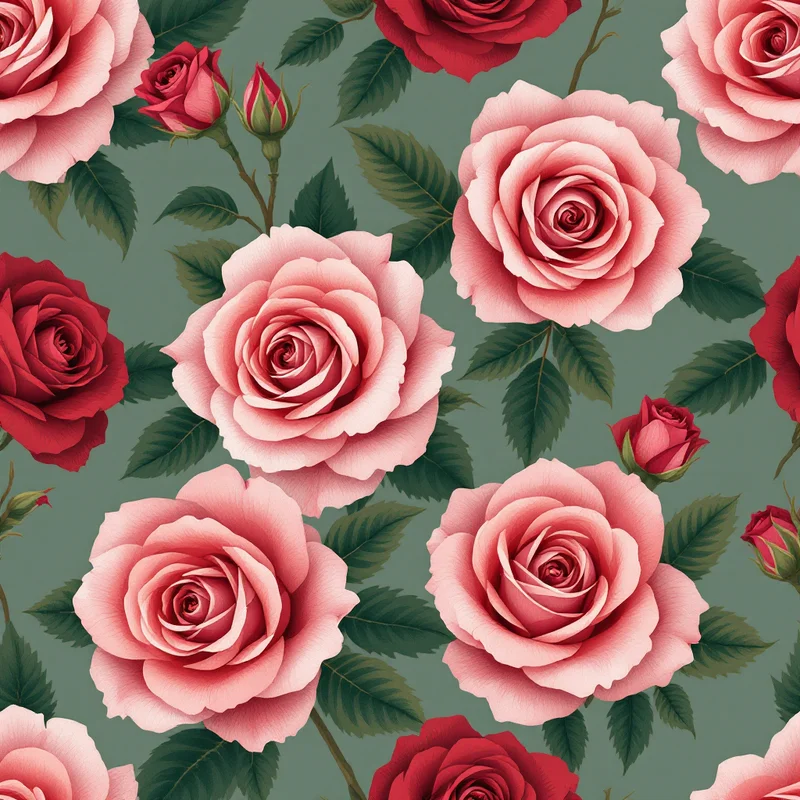
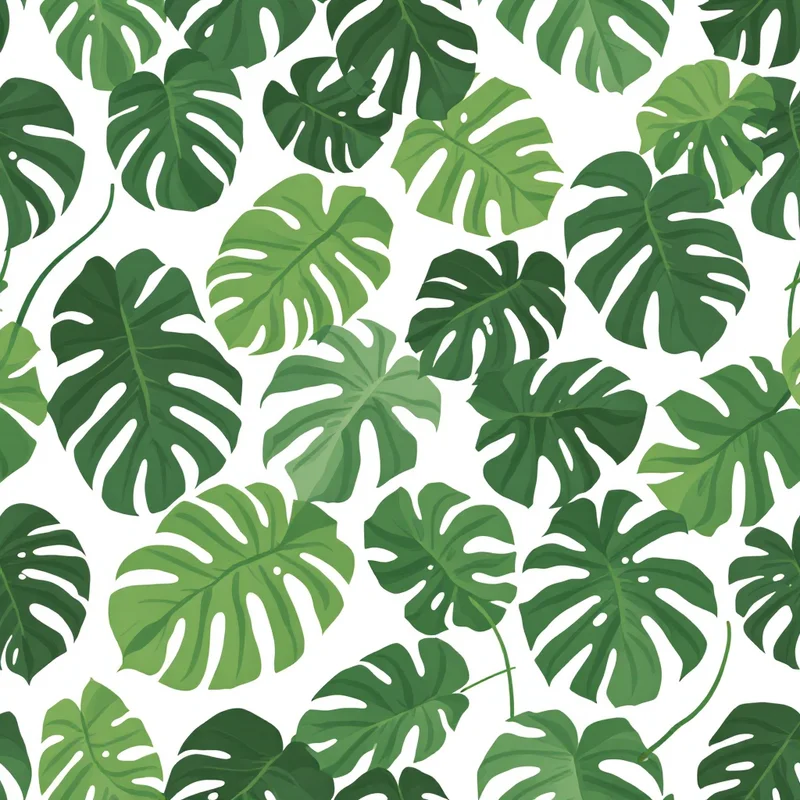
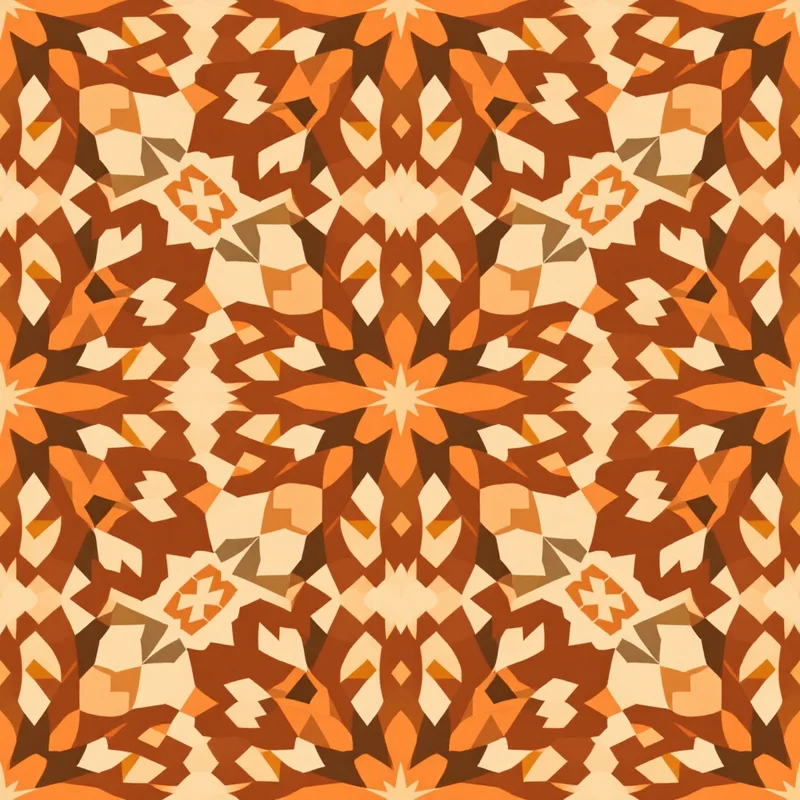
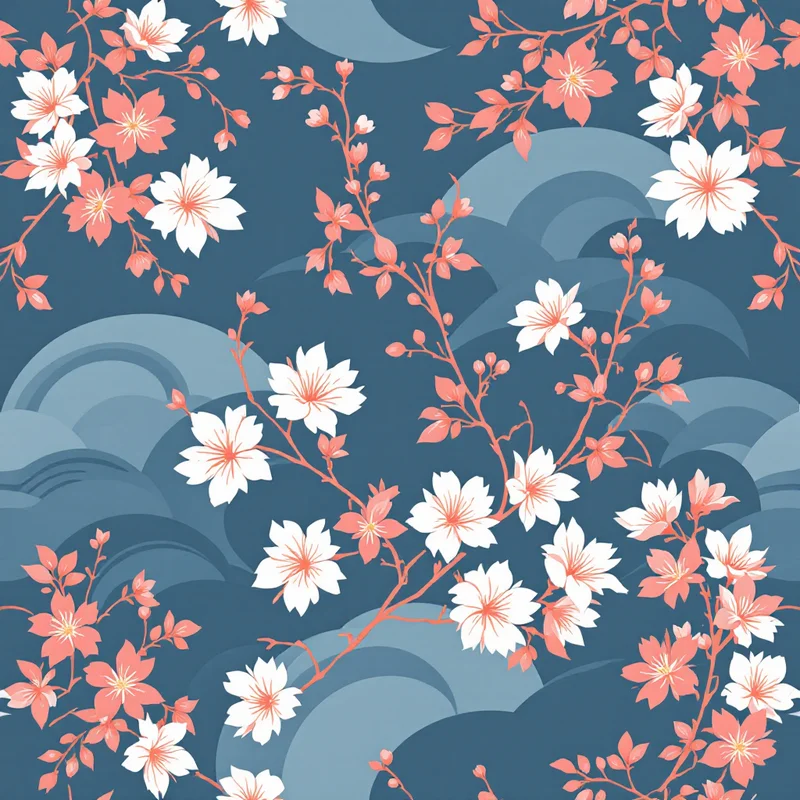
Motif choice should suit the use. Classic florals, damask, toile, and gingham read as traditional and dressy; geometric grids, stripes, and minimalist scatter work for modern and Scandinavian table settings; folk and botanical themes feel right for farmhouse and rustic looks. Border-friendly layouts let you frame the drop edge of the cloth, and corner-aware repeats keep the design balanced when the fabric hangs over the table edge. Because every output is a true seamless tile, your manufacturer can repeat it across any cloth dimension, from cocktail rounds to banquet lengths.
Customization & export
When the design is ready, export it at production quality. Pattern Weaver outputs up to 8K (8192x8192) so the repeat stays crisp when printed across a large cloth, and you can save files as PNG for digital proofs and print services, TIFF for high-fidelity textile printing, and PDF for sending specs to a manufacturer. JPG and WEBP are there for fast web previews and mockups, and SVG suits flat geometric and line-based designs you want to scale without any loss. Every file is yours to use commercially, so you can print on demand, run a small batch, or hand the artwork to a fabric mill.
Whether you are a home sewist making one cloth, a small brand launching a table linen line, or a designer pitching a hospitality client, the workflow is the same: pick a style, tune the scale and colors to the table size, preview the repeat, and download a clean, seamless file ready for the print run.