

Design characteristics
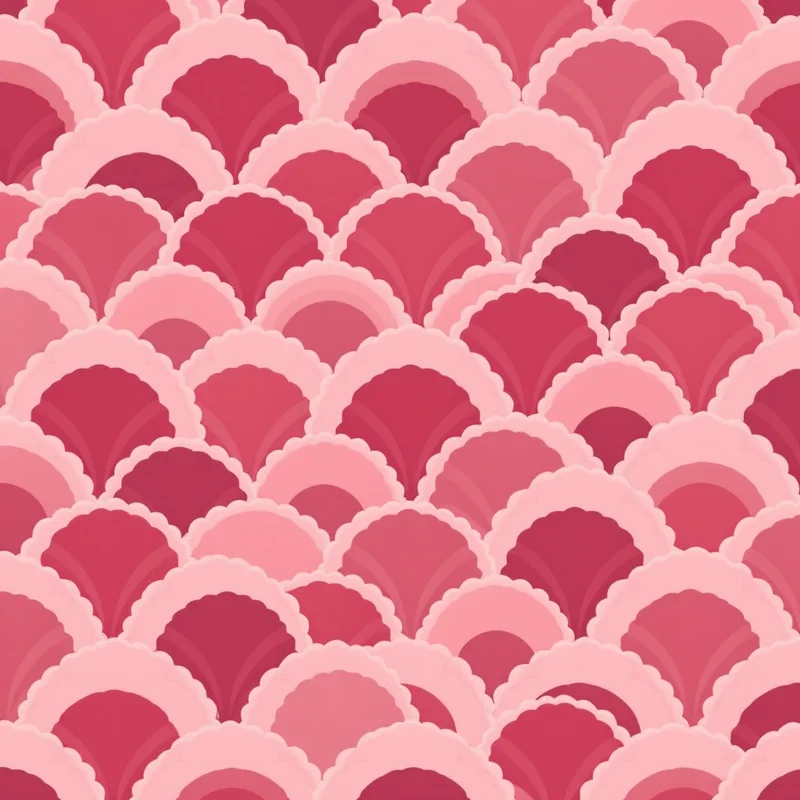
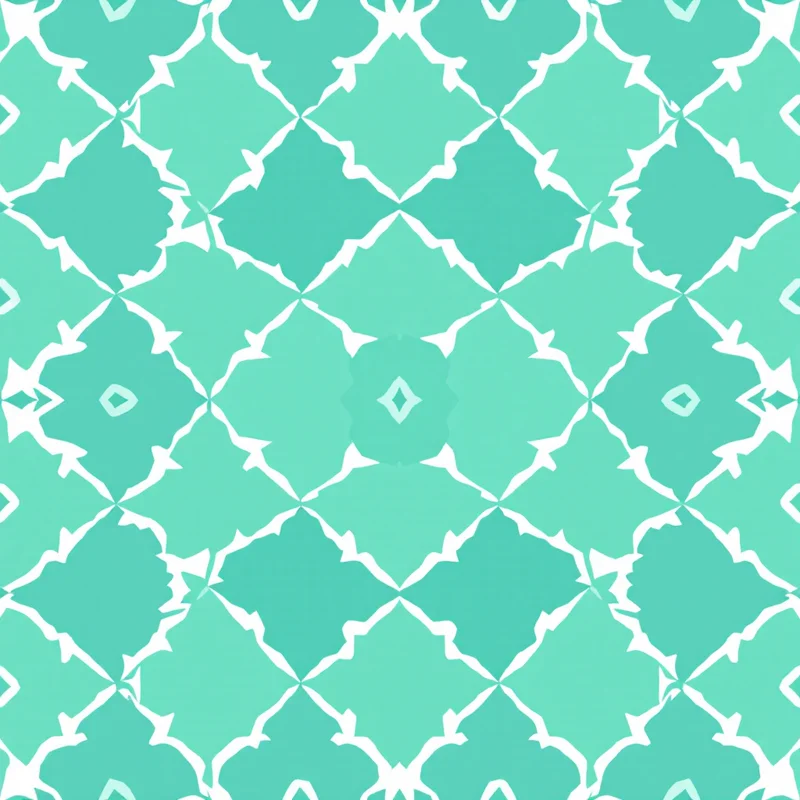
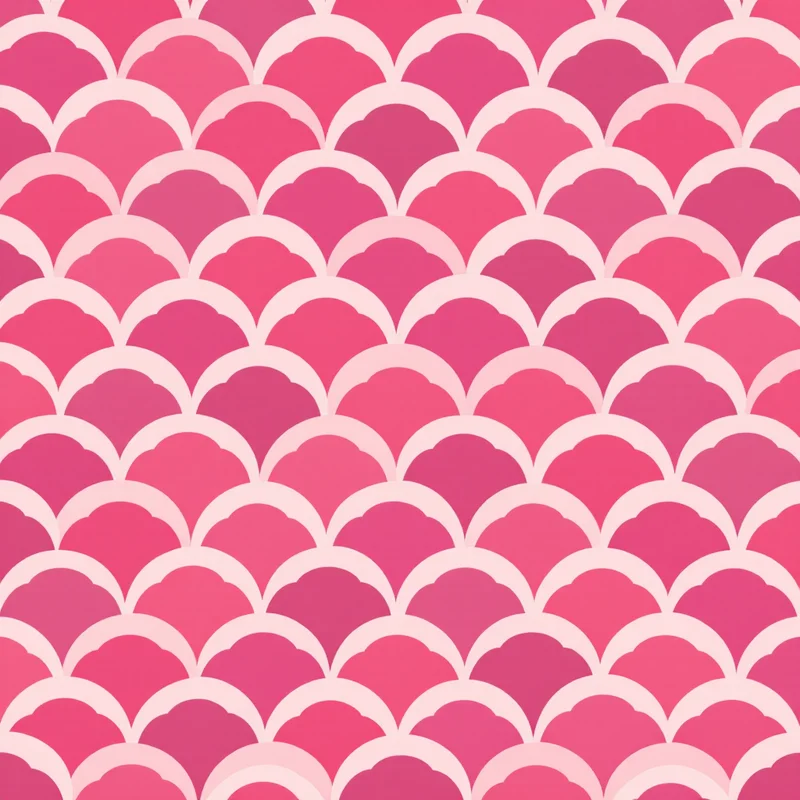
The geometry of the scallop creates a unique visual effect that no other pattern structure can replicate. Each arc nests into the row above, creating a sense of gentle downward movement — like water cascading, scales overlapping, or petals layering. This inherent directionality gives scallop patterns a dynamic quality while remaining perfectly orderly. The eye follows the curves naturally, which creates a meditative, calming effect on large surfaces. This combination of movement and order is why scallops have been used for centuries in both architectural ornament and textile design — they bring life to a surface without introducing visual chaos.
Commercial applications
In interior design, scallop patterns are experiencing a significant resurgence. Wallpaper manufacturers report scallop designs among their bestselling geometric categories, driven by the pattern's ability to work in both traditional and contemporary settings. A metallic scallop wallpaper in gold on navy creates instant Art Deco glamour. A soft watercolor scallop in blush and cream suits a modern nursery. A bold graphic scallop in black and white makes a statement powder room. Ceramic tile designers use fish scale shapes for feature walls in bathrooms and kitchens, where the three-dimensional tile surface adds tactile interest to the visual pattern.
Where to use scallop patterns
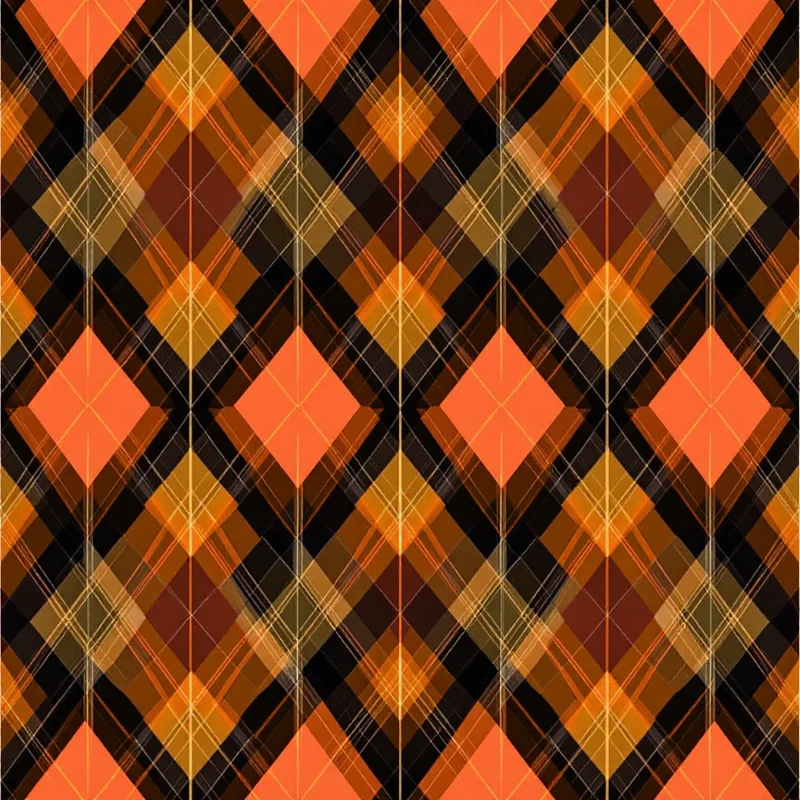
Fashion applications for scallop patterns span multiple market segments. The curved motif works beautifully on flowing fabrics — dresses, skirts, and scarves benefit from the pattern's organic movement. Scallop prints in metallic or jewel-tone palettes are a natural fit for evening wear and special occasion garments. In swimwear and resort collections, scallop patterns bridge the gap between nautical and decorative aesthetics. Accessories like handbags, shoes, and jewelry also incorporate scallop motifs, where the pattern's association with shells and the sea adds a luxurious coastal sensibility.
Customization & export
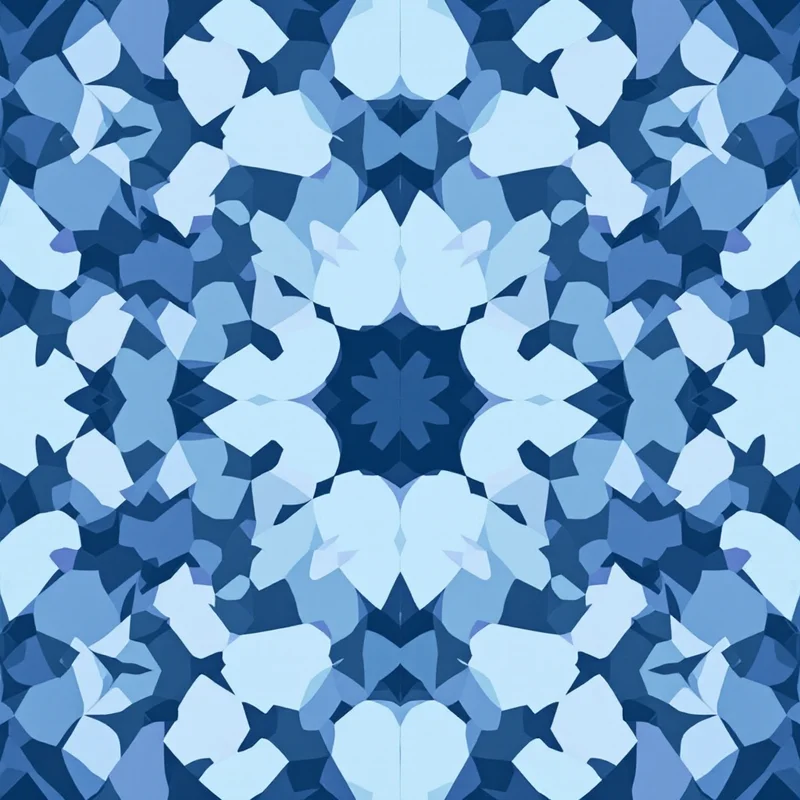
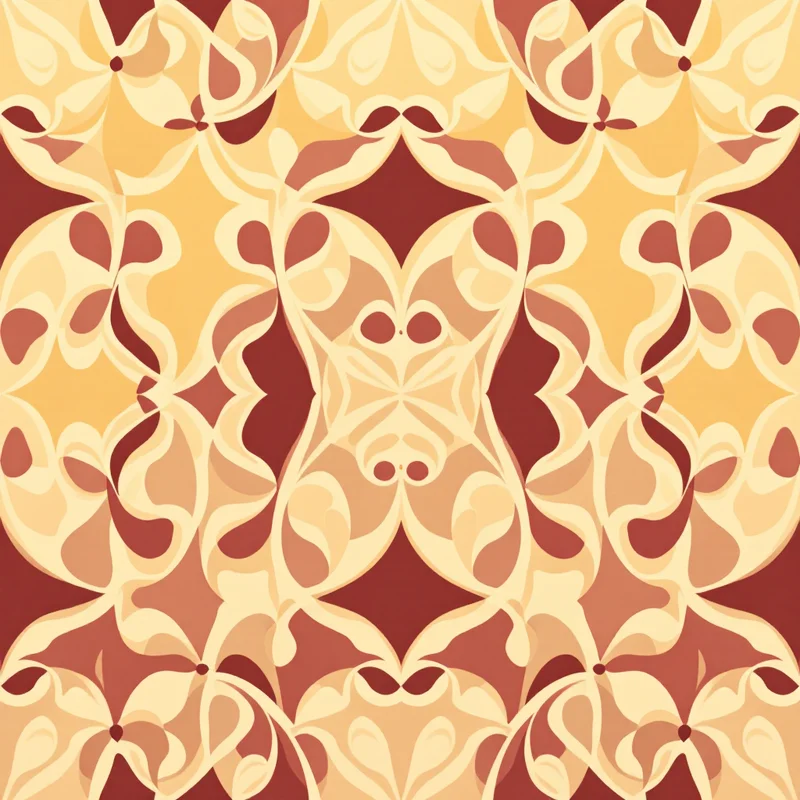
You get precise control over scallop pattern parameters. Adjust the arc proportions from wide, shallow curves to tight, elongated shells. Layer concentric lines within each arc for a Seigaiha-style treatment, or keep arcs as solid color fields for a bold graphic effect. Control the overlap ratio, add decorative details at the intersection points, and choose from rendering styles including hand-painted watercolor, crisp geometric vector, metallic foil, and textured block print. Select any color palette — from monochrome elegance to multi-colored rainbow progressions. Every scallop pattern generates as a true seamless repeat at up to 8K resolution, ready for textile production, wallpaper printing, and digital applications.