


Design characteristics
The satin family carries real history. The weave traces back to medieval Quanzhou (then known as Zaitun) in China, the port that gave the cloth its European name, before silk satin spread along trade routes into Europe where it became the fabric of court gowns, drapery and upholstery. That heritage of refinement is why satin motifs still signal luxury. Designers reach for them when a product needs to feel premium without shouting, the sheen doing the work that a loud print cannot.
Commercial applications
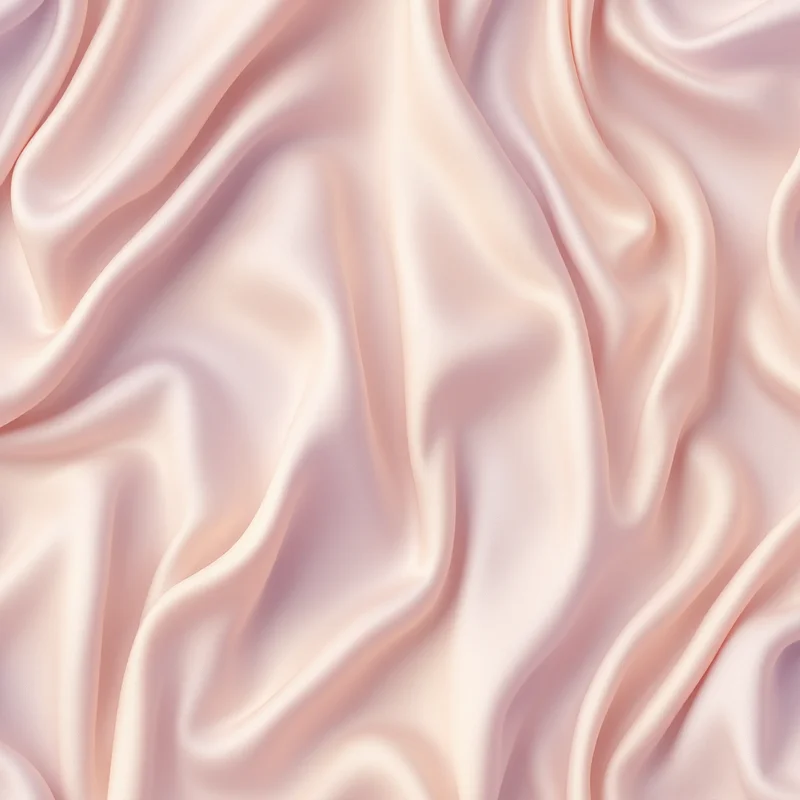
Typical palettes lean into colors that flatter reflection. Deep jewel tones like emerald, sapphire, garnet and amethyst pick up dramatic highlights, while champagne, blush, ivory and pearl grey read as understated elegance. Black satin is a staple for evening and editorial work because the contrast between highlight and void is so striking. Metallic-adjacent tones such as gold, bronze and rose gold push the look toward opulence, and soft pastels give a lighter, lingerie-inspired feel.
Where to use satin patterns for lustrous, fluid surface design patterns
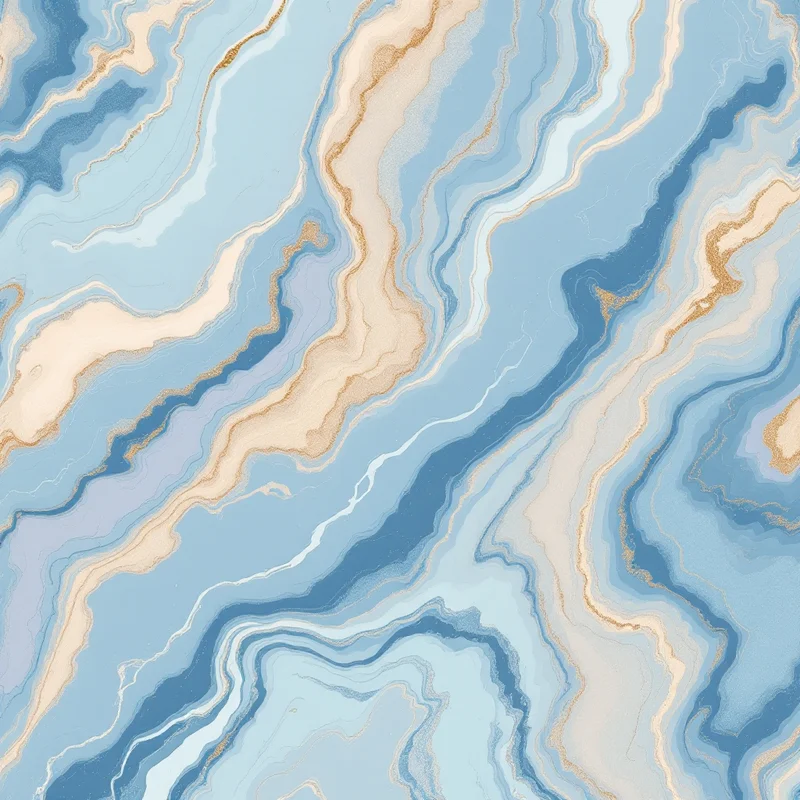
Satin patterns work hard across products. In fashion they suit eveningwear, linings, blouses, scarves and lingerie where drape and shine matter most. For home decor they map cleanly onto cushions, bedding, drapery and headboard upholstery, and as wallpaper they bring a quiet glow to feature walls and dressing rooms. Packaging and stationery designers use satin-look fills for luxury boxes, ribbon graphics, gift wrap and cosmetic labels, while accessory makers apply them to clutches, ties, eye masks and phone cases. Because the design repeats seamlessly, a single tile can scale from a small swatch on a label to a full bolt of printed fabric.
Customization & export
With Pattern Weaver you control the character of every satin pattern. Push the density slider to choose between broad, calm sheen and tightly gathered ripples, adjust scale so the fold rhythm fits a tiny accessory or a wide curtain panel, and recolor the whole design with custom palettes to match a brand or collection. The studio keeps the repeat seamless as you experiment, so highlights flow continuously with no visible tile seams. When a design is ready, export it at up to 8K (8192x8192) in PNG for digital mockups, TIFF for print production, or PDF for a vector-friendly handoff to your manufacturer.
Whether you are designing a single scarf or a full home-textile range, satin patterns give you a finish that feels considered and expensive. Start from a substyle, tune the light, and let Pattern Weaver hand you a print-ready file that drapes beautifully on screen and on cloth.