
Design characteristics
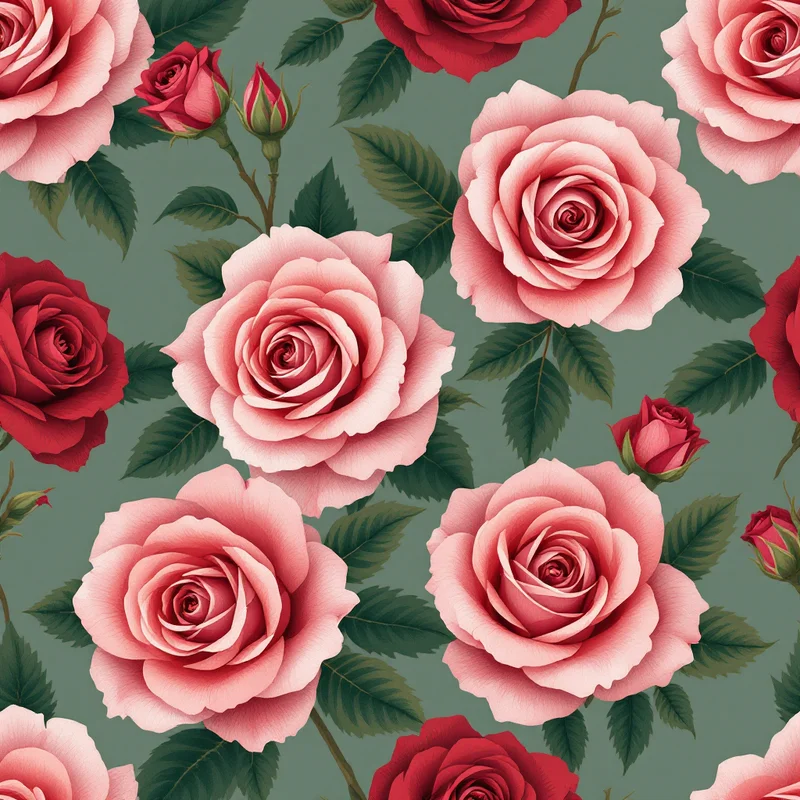
The rose has carried meaning in textiles for centuries, from the heraldic Tudor rose of England to the cabbage roses of 18th-century French chintz and the lush, painterly rose bouquets that defined Victorian wallpaper and English country interiors. That history gives designers a deep well of reference styles, and it is why roses feel equally at home on a vintage tea towel, a romantic wedding invitation, or a modern streetwear hoodie. The flower reads as feminine and nostalgic in soft renderings, yet bold and almost gothic when set against black grounds with heavy outlines.
Commercial applications
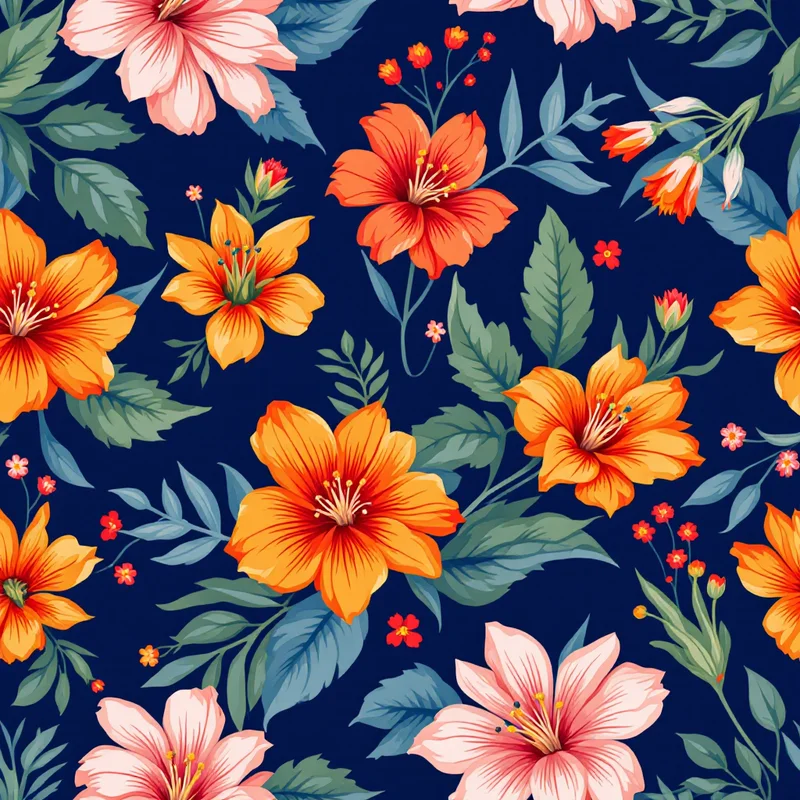
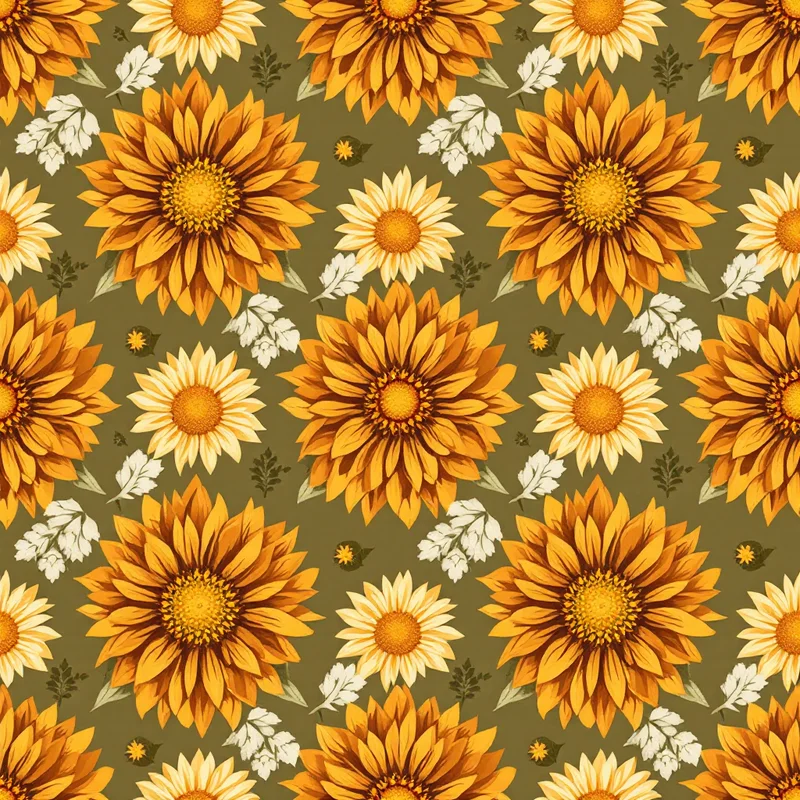
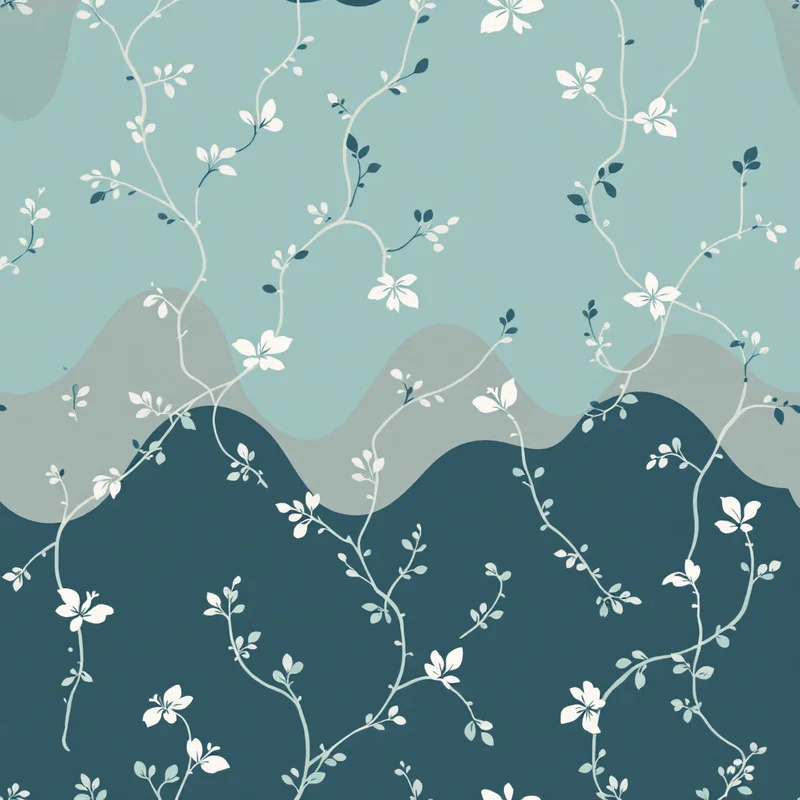
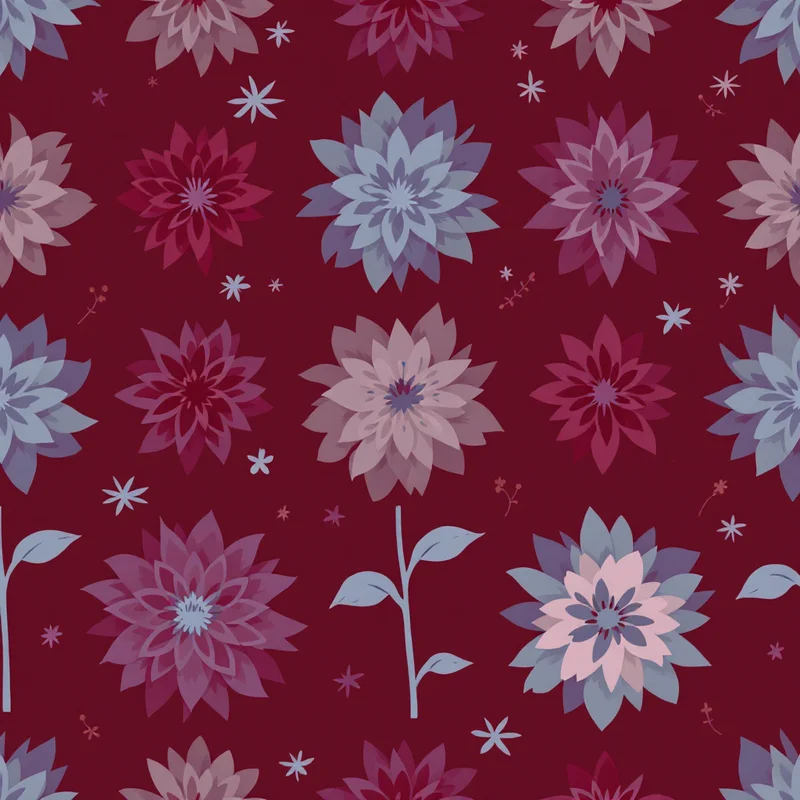
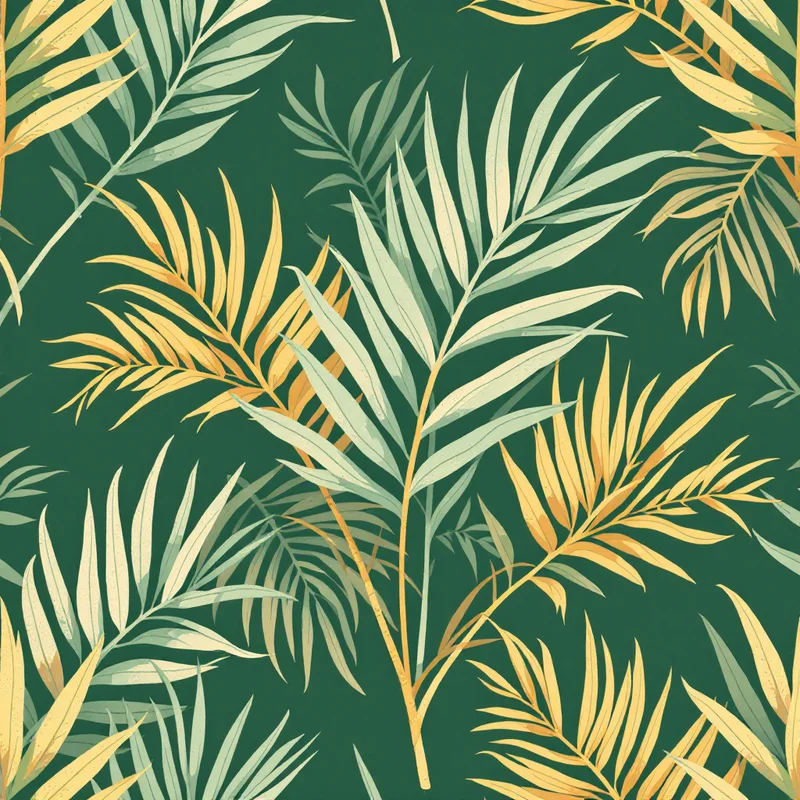
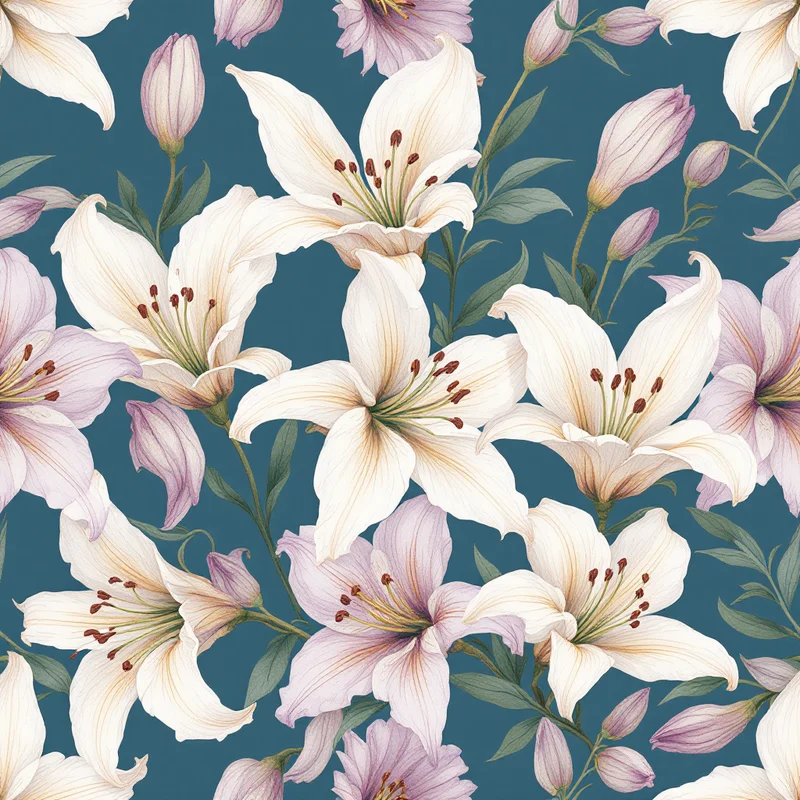
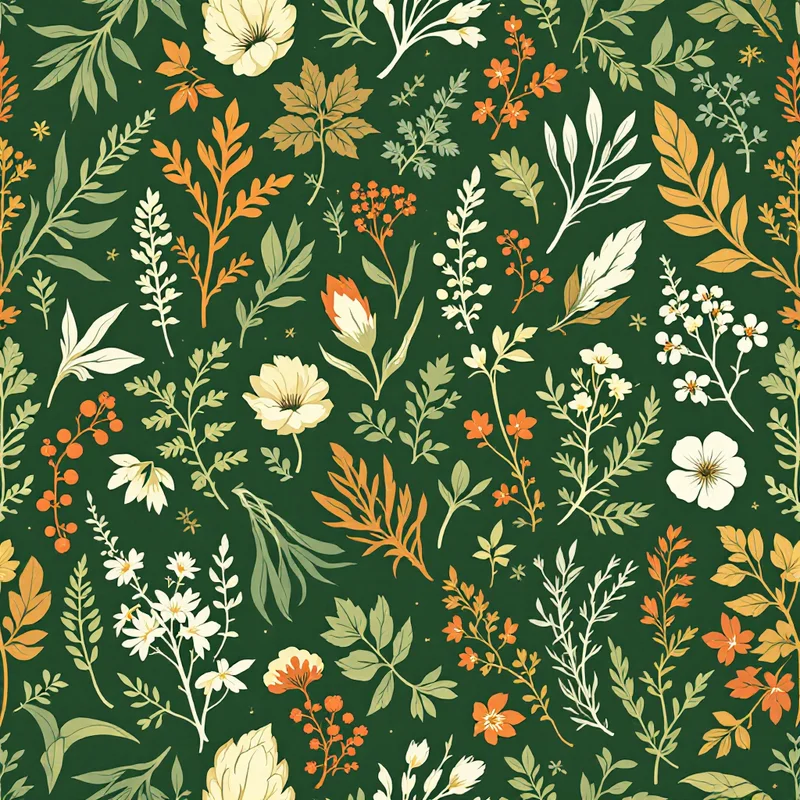
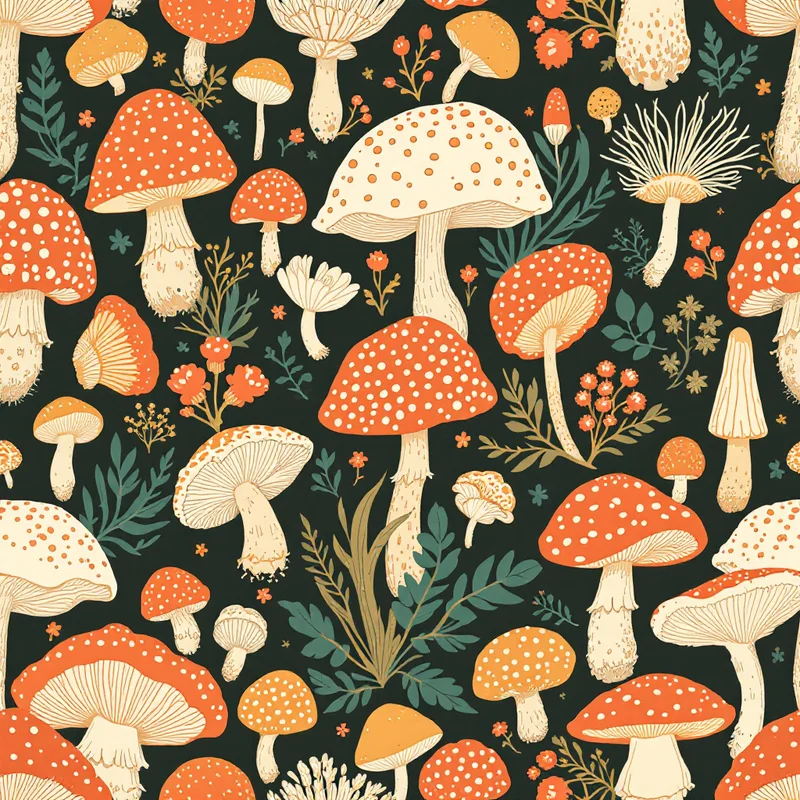
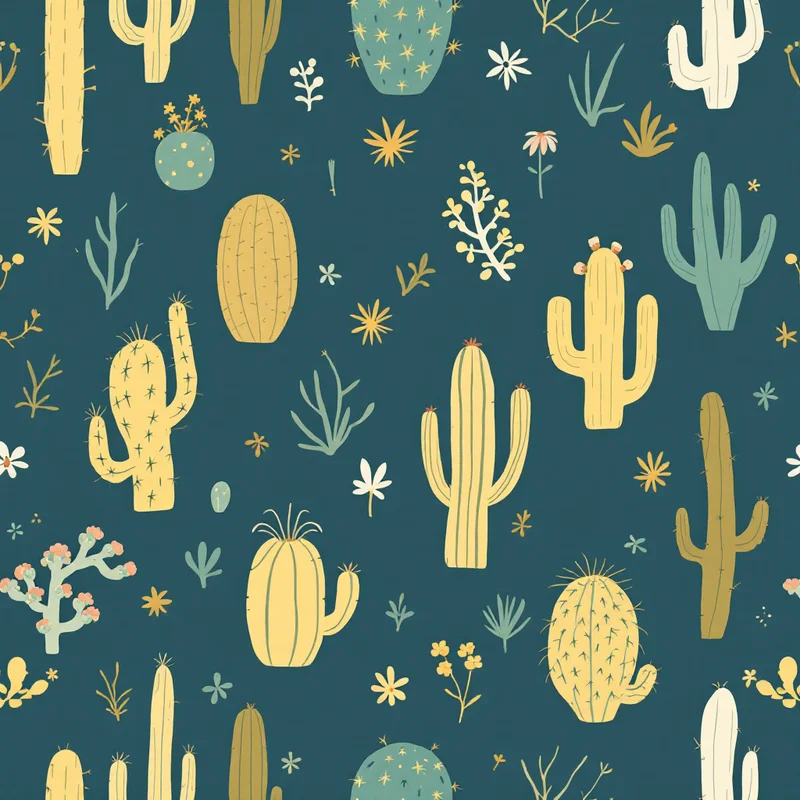
Color is where rose patterns earn their range. Classic palettes lean on blush pink, dusty rose, crimson, and burgundy paired with sage or forest-green foliage. Romantic, vintage looks favor faded sepia roses, antique cream, and muted mauve, while contemporary designs push into coral, peach, lilac, navy backgrounds, or even monochrome ink-line roses. Pattern Weaver lets you steer all of this directly: dial density from a sparse scattered-rose toss to a dense, gap-free millefleur, scale blooms from delicate ditsy buds to oversized statement flowers, and lock a color story so every petal and leaf stays on-brand.
Where to use seamless rose patterns for textiles, fashion, and decor patterns
These patterns work hard across products because the rose flexes by scale. Small, tightly packed rose prints suit dress fabric, blouses, linings, and quilting cotton. Mid-scale repeats fit cushions, bedding, scarves, and gift wrap, while large, dramatic single-stem roses become feature wallpaper, upholstery, and packaging hero artwork. Fashion brands use rose florals for seasonal collections, beauty and fragrance lines wrap them around boxes and labels, and stationery makers print them on cards, notebooks, and wedding suites. Because the design tiles seamlessly, it scales up or repeats across any surface without visible seams.
Customization & export
When the look is right, exporting is built for production. Pattern Weaver outputs print-ready files up to 8K (8192x8192) in PNG, JPG, WEBP, TIFF, PDF, and SVG, so you can move from a screen mockup to a fabric mill, a print-on-demand storefront, or a commercial printer without re-drawing anything. Vector SVG suits logos and scalable packaging accents, TIFF and PDF cover high-resolution textile and litho printing, and PNG or WEBP handle web previews and digital mockups. Adjust the repeat once, regenerate variations, and download every format you need for a full product range.