Design characteristics
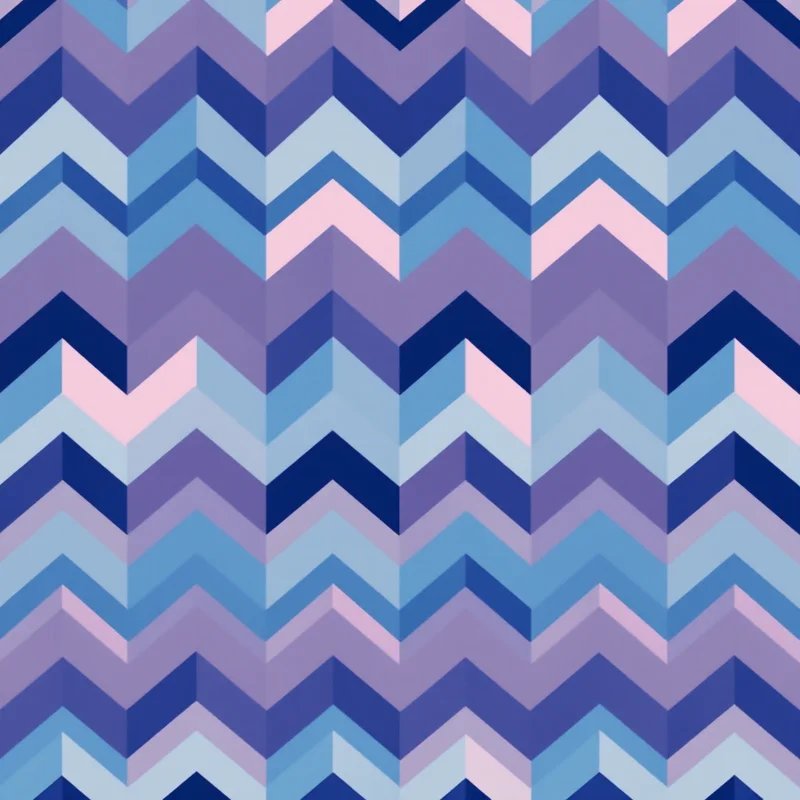
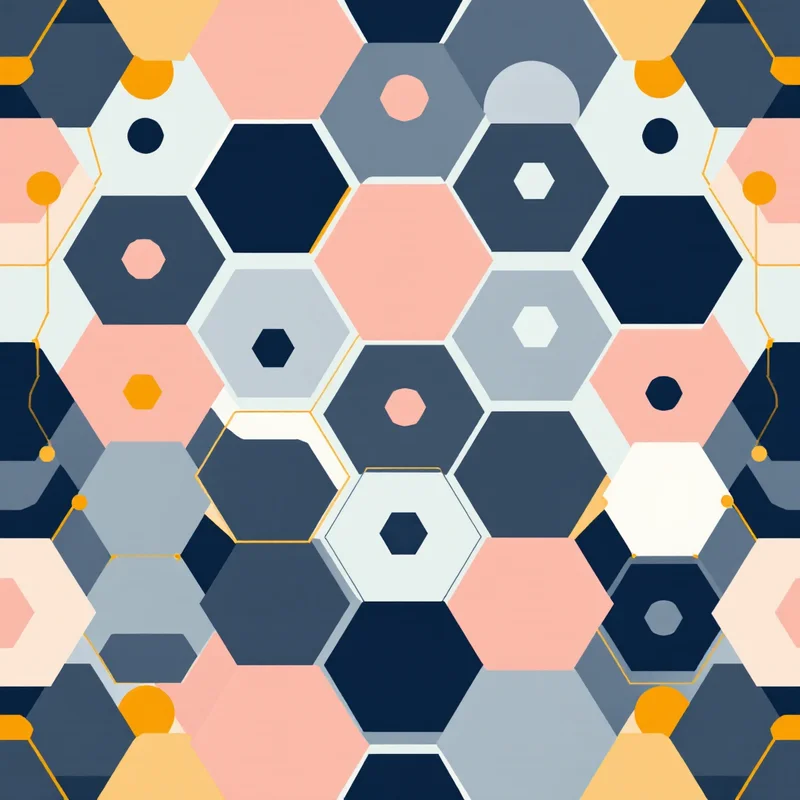
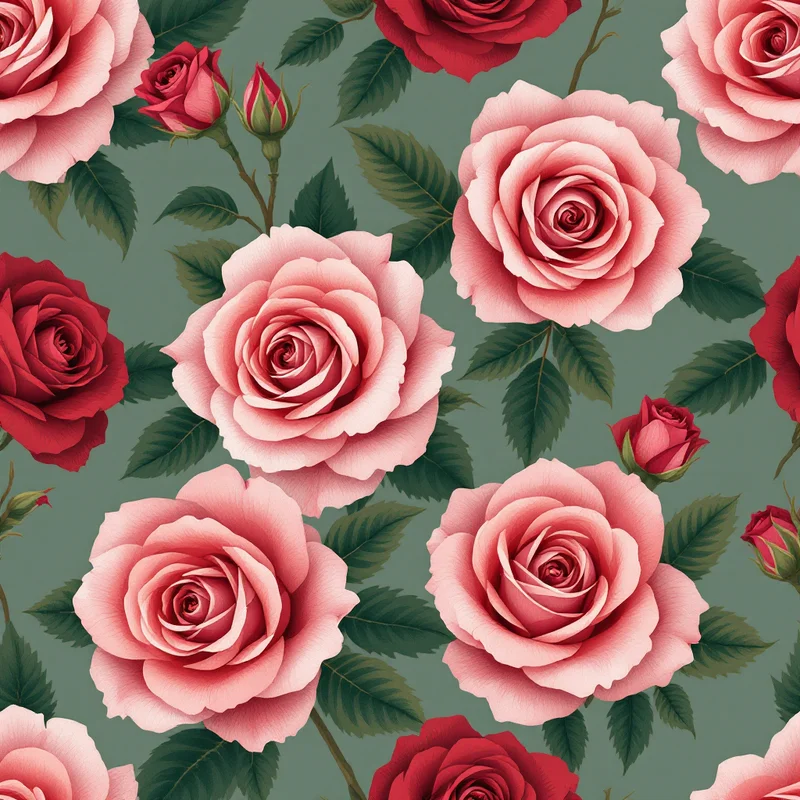
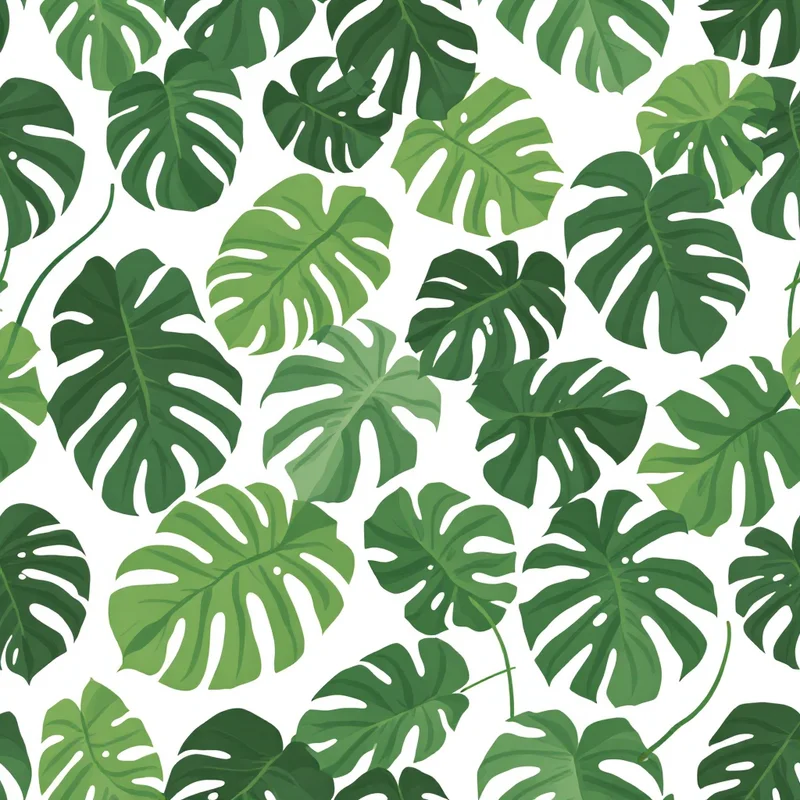
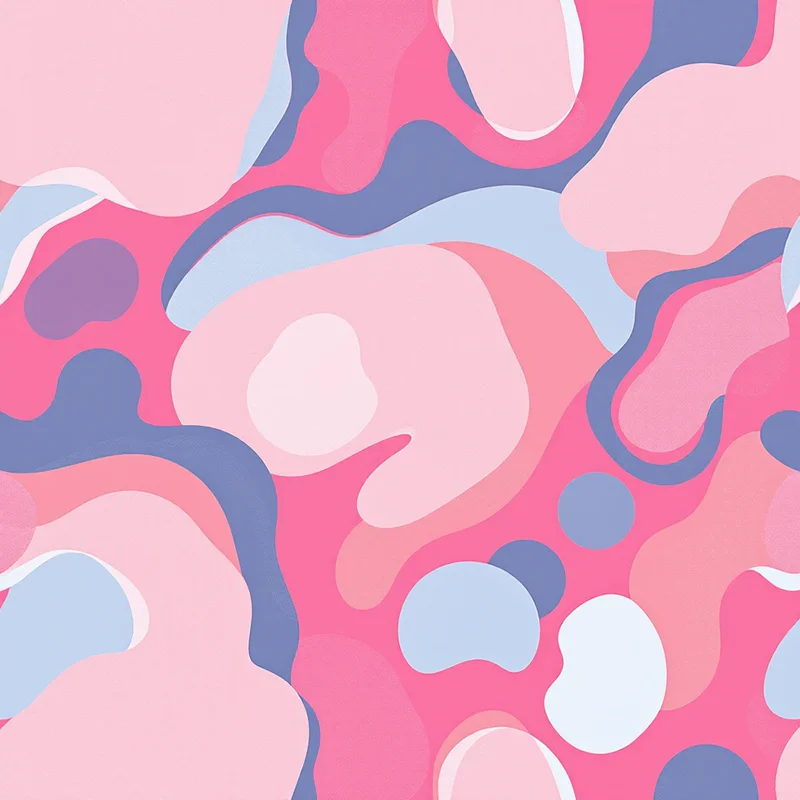
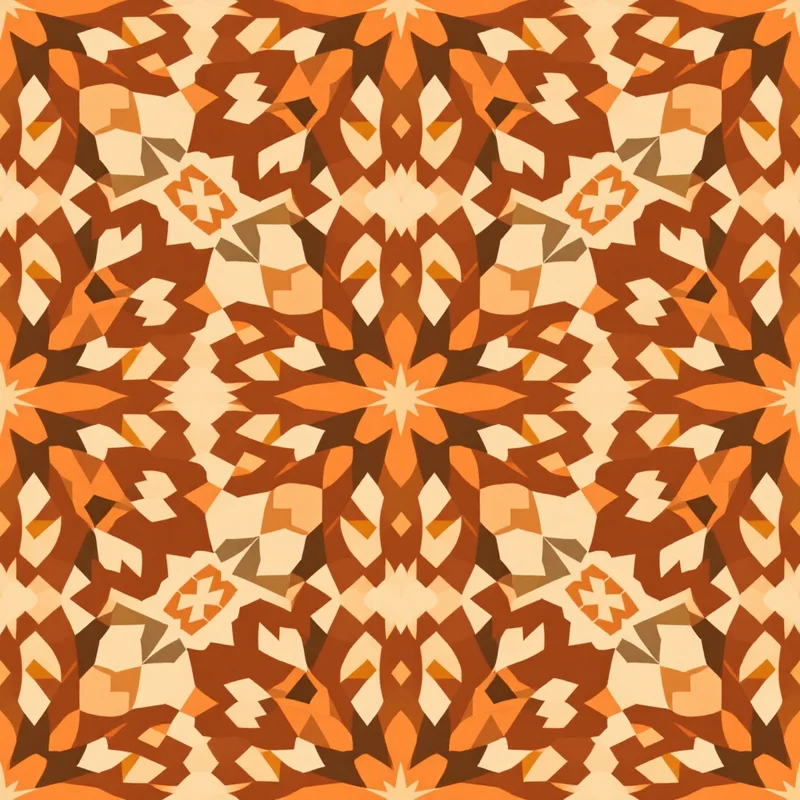
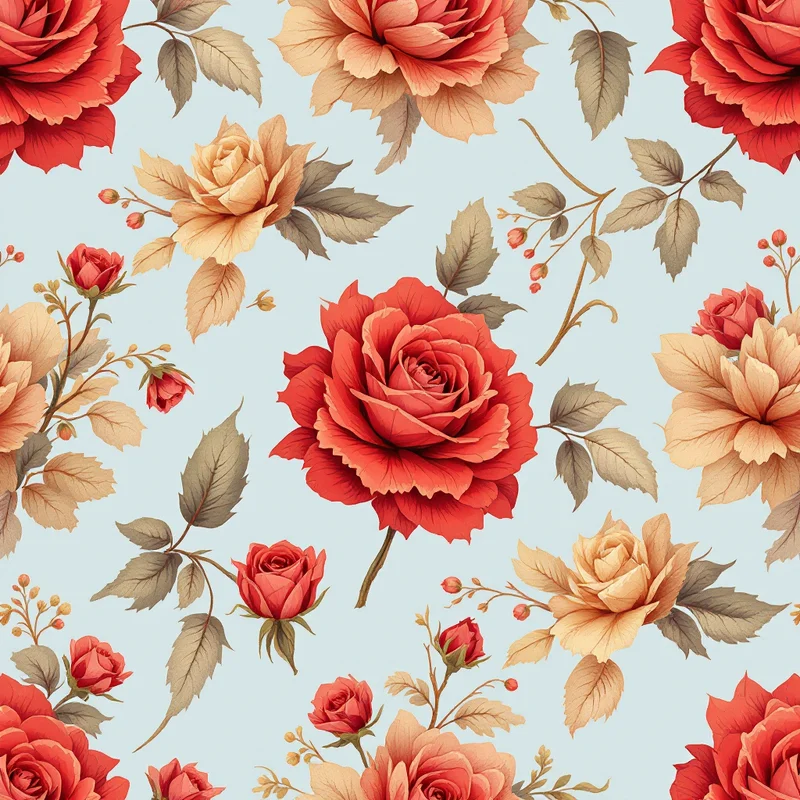
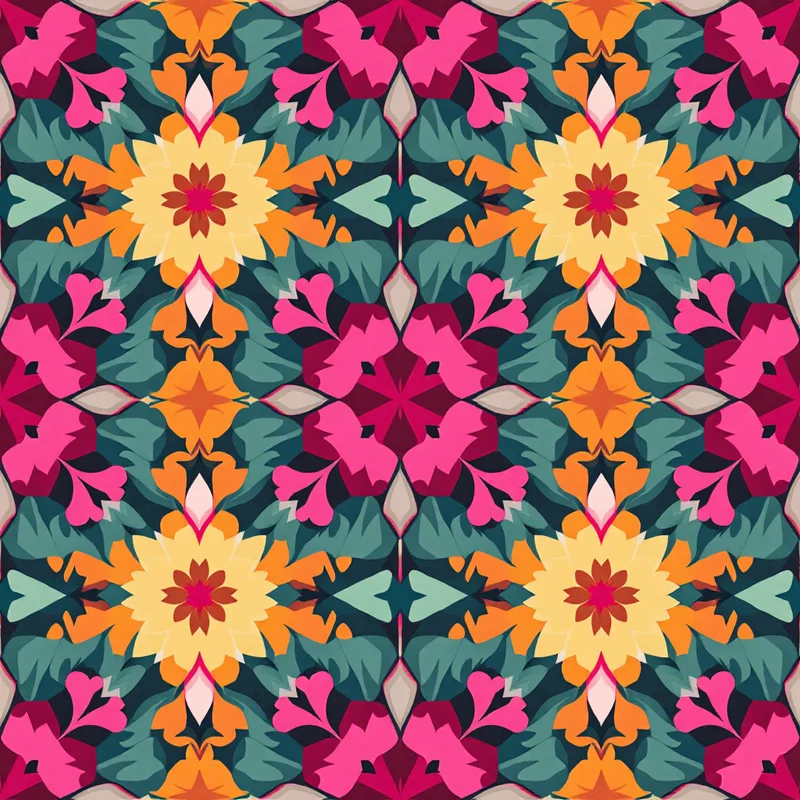
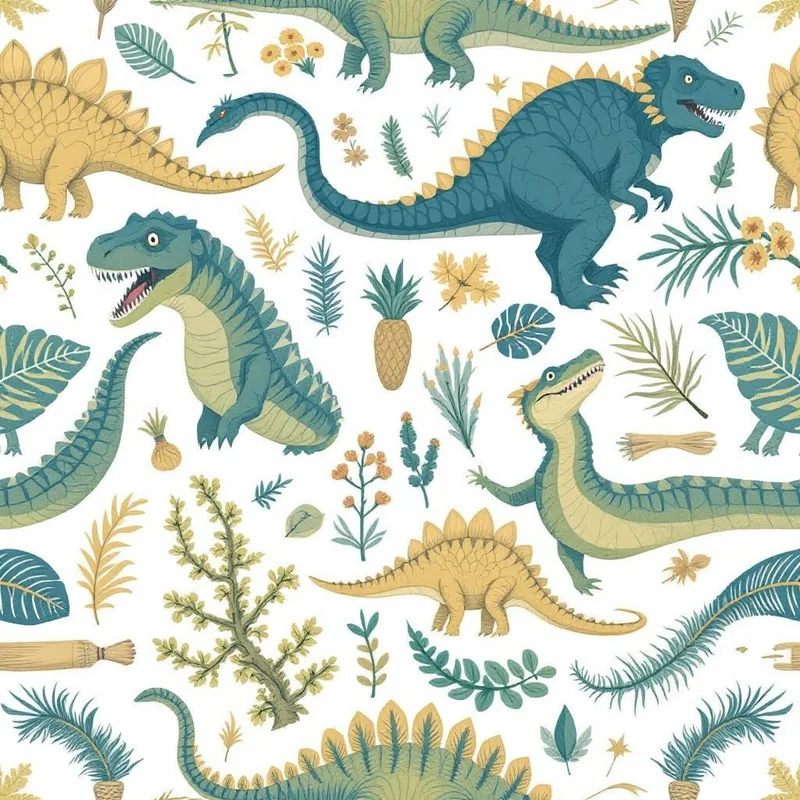
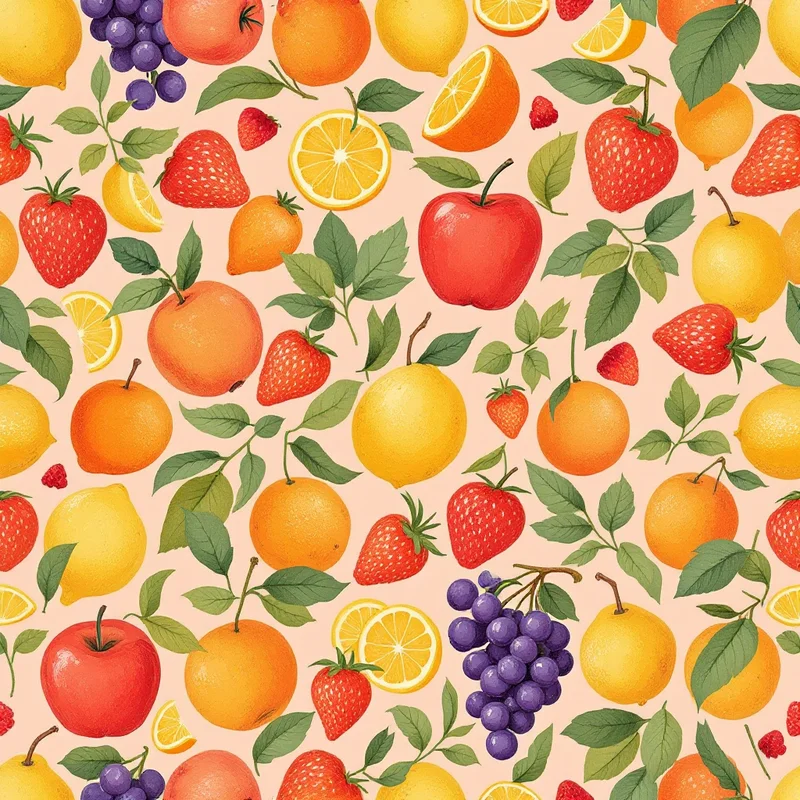
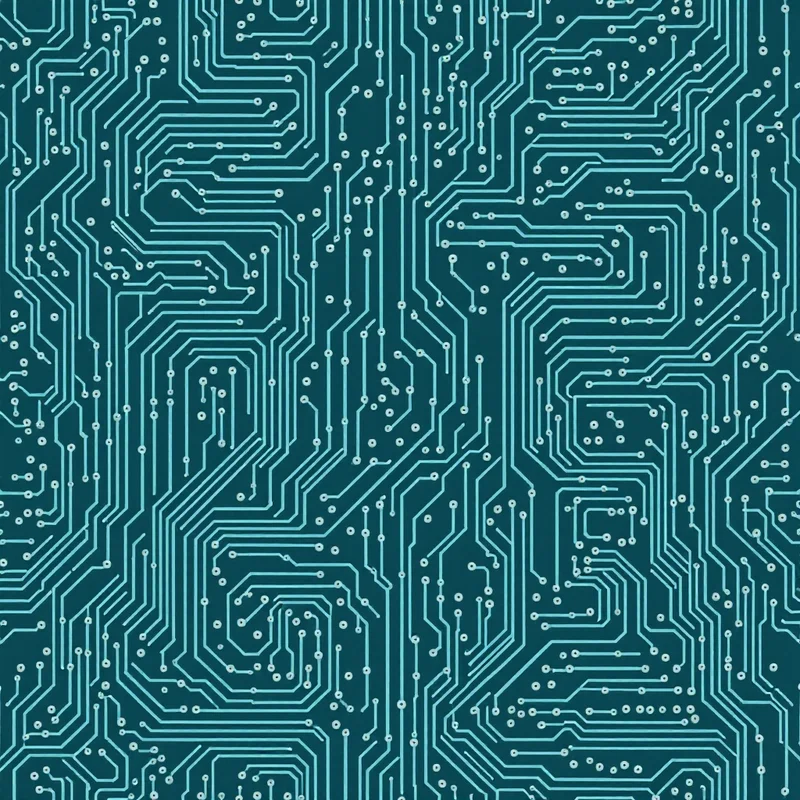
Repeats come in a handful of structural families. A block repeat lines tiles up in straight rows and columns for a clean, grid-like feel often seen in geometric and gingham prints. A half-drop shifts every other column downward, which is the classic layout behind ogee and damask motifs because it hides the grid and keeps the eye moving. Brick or half-brick repeats stagger rows sideways, mirror repeats flip tiles for kaleidoscopic symmetry, and tossed or random-look repeats scatter elements so a floral or botanical spray reads as natural rather than rigid. Choosing the right structure is the single biggest decision in how a finished print feels.
Commercial applications
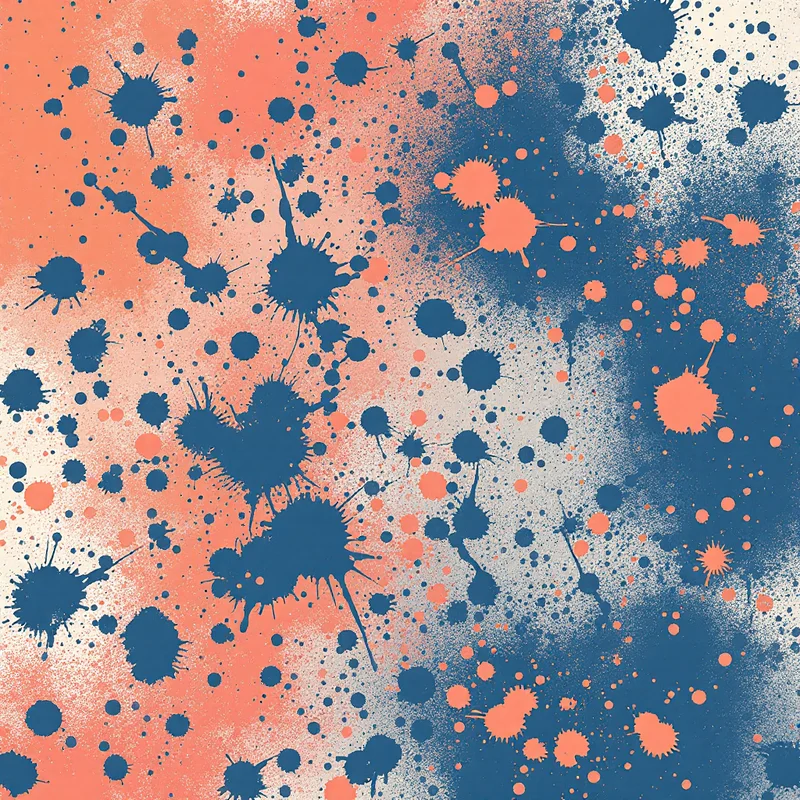
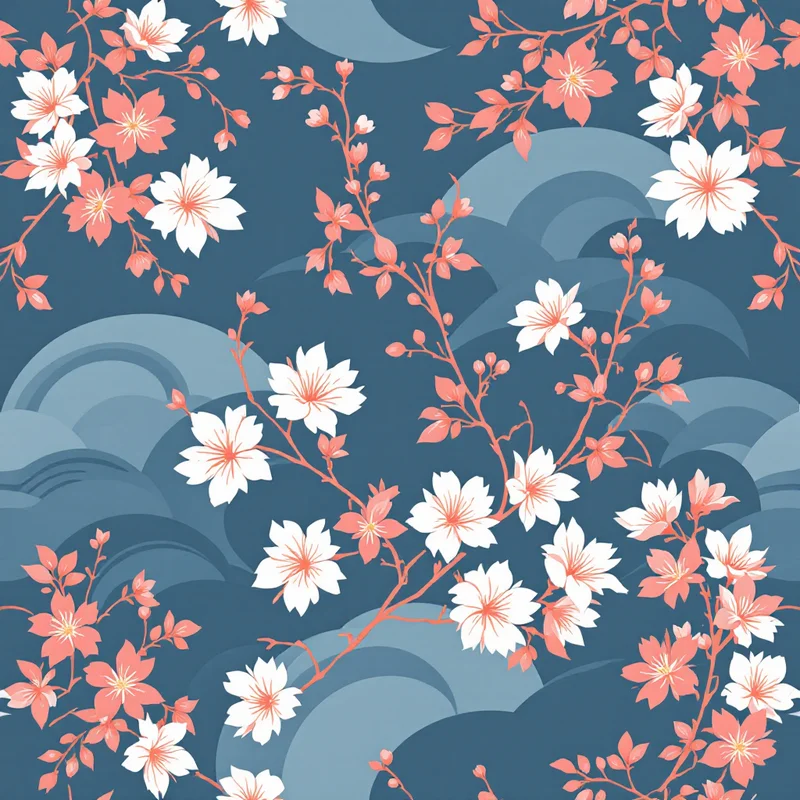
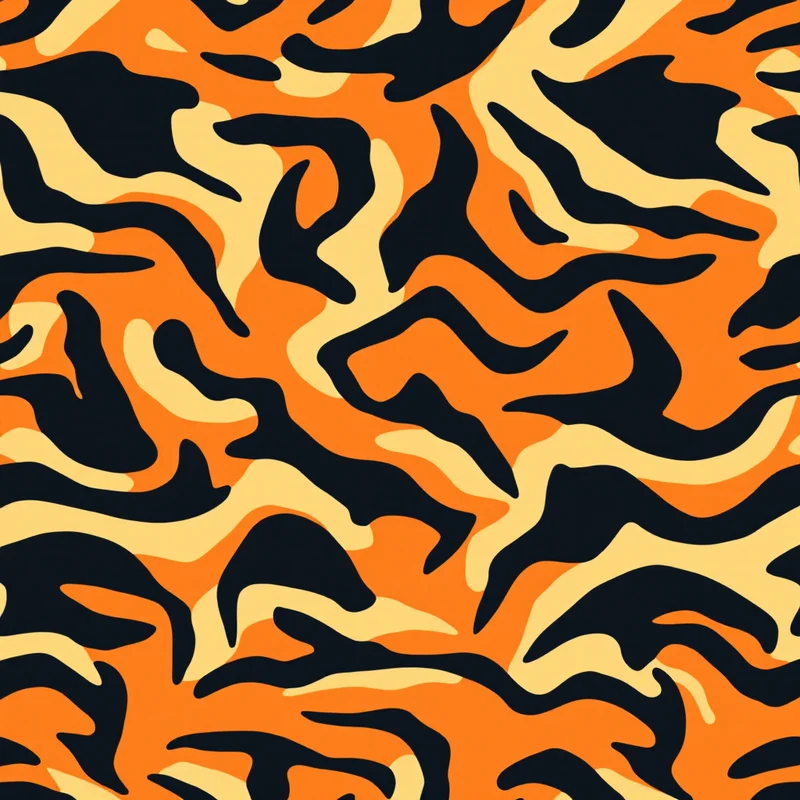
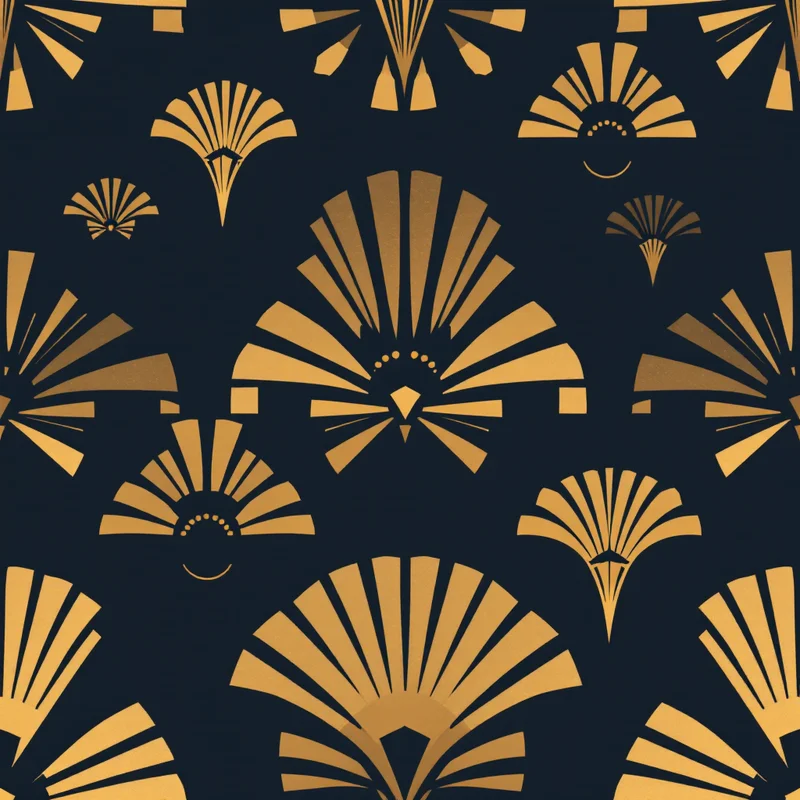
Designers reach for a repeat pattern maker because manual tiling is unforgiving. A motif that drifts even a few pixels at the seam produces a visible tramline that runs the full length of a printed bolt or wallpaper roll, and those errors are expensive to catch after production. An engine that handles the math of the join lets you focus on the artwork itself, whether that is a tight ditsy floral, an art-deco fan, a paisley teardrop, a tartan grid, or an abstract brushstroke. Pattern Weaver compiles your style, motif, and layout choices into a seamless tile so the repeat is correct from the first export.
Where to use repeat pattern maker for seamless surface design patterns
Color and scale carry as much weight as structure. Tonal palettes with low contrast read as texture and work well for backgrounds, upholstery, and stationery, while high-contrast complementary schemes make a motif pop on tote bags, swimwear, and feature walls. Scale changes the whole personality of a repeat: a small-scale ditsy print suits blouses, linings, and gift wrap, a medium scale fits dresses and cushions, and an oversized repeat becomes a statement on curtains, duvet covers, and accent wallpaper. Adjusting density controls how much breathing room sits between motifs, which keeps a busy design from feeling cluttered.
Customization & export
The same seamless tile flexes across an entire product range, which is why studios and print-on-demand sellers value it. One repeat can dress a quilting cotton, a silk scarf, a phone case, a roll of wrapping paper, a ceramic mug wrap, and a wallpaper drop with no redrawing. With Pattern Weaver you set density, color, and scale through simple sliders, preview the tile, then export at up to 8K (8192x8192) in PNG for digital use, TIFF for fabric mills and wide-format print, or PDF for vector-clean packaging artwork. JPG, WEBP, and SVG round out the options for web mockups and lightweight delivery.
From there the workflow is fast: pick a substyle, refine the colorway, dial in the repeat structure and scale, and download a tile that is ready for a manufacturer, a fabric-on-demand service, or your own mockup. The result is a single asset that behaves the same way whether it is printed at the size of a postage stamp or stretched across a ten-foot wall.