


Design characteristics
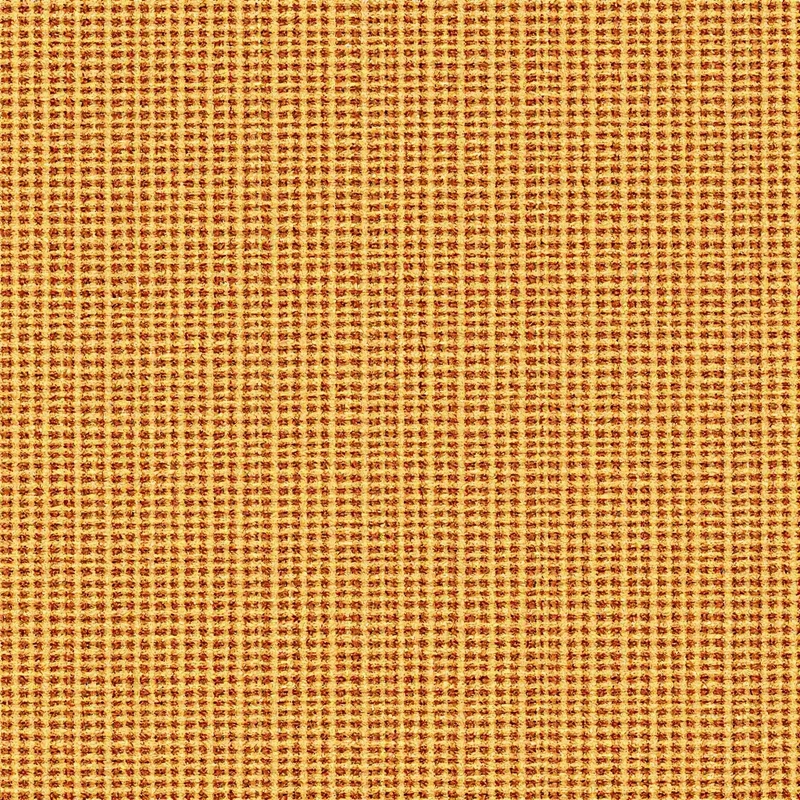
Color is a big part of why these designs feel instantly recognizable. Natural rattan sits in warm honey, blonde, tan, and toasted caramel tones, sometimes bleached to pale ivory or stained to walnut and espresso brown. Painted finishes push it further: crisp white cane on a soft background, black lacquered weave, or sun-faded sage and terracotta for a more lived-in, bohemian feel. Pairing the weave against a contrasting flat ground, such as cream cane over deep navy or charcoal, is one of the most popular treatments and works especially well in interiors.
Commercial applications
The people searching for rattan patterns are usually interior designers, surface and textile designers, print-on-demand sellers, wallpaper makers, and small brands building a coastal, tropical, mid-century, or bohemian look. They want the warmth and craft of woven furniture translated into a flat surface they can print or apply anywhere, without photographing real cane and fighting with lighting, seams, and tiling. The appeal is that a rattan pattern signals natural, relaxed, and quietly upscale all at once, which makes it a reliable choice for resort, spa, and home-decor branding.
Where to use rattan patterns patterns
The uses are wide. On textiles, rattan reads beautifully on cushion covers, table linens, beach totes, and lightweight summer apparel. In fashion, it shows up as trim prints, scarf borders, and accessory linings. For interiors it becomes wallpaper, roller blinds, lampshades, and cabinet-door inserts that mimic real caning. Packaging and stationery teams use it for candle labels, soap wraps, gift paper, and product boxes that want a handmade, organic cue. It also suits phone cases, notebook covers, ceramics transfers, and laptop skins.
Customization & export
Pattern Weaver builds every rattan design as a true seamless repeat, so the cane grid lines up cleanly across an entire wall or a full bolt of fabric with no broken strips at the tile edges. You control the weave style, the tightness and scale of the lattice, the fiber color, and the background, and you can dial the look from a precise, manufactured cane panel to a loose, hand-knotted wicker. Push the scale up for oversized statement walls or down for a fine, all-over textile print, and adjust contrast so the weave stays sharp on dark grounds or soft on tonal ones.
When the design is right, the studio exports production files up to 8K (8192x8192). Choose PNG for crisp web mockups and digital storefronts, TIFF for fabric printing and wallpaper houses that need maximum detail, and PDF for press-ready packaging and large-format jobs. JPG and WEBP keep file sizes light for listings and social, while SVG suits stylized, line-based cane motifs that scale to any size. Every file is yours to use across commercial products, so a single rattan pattern can run from a fabric sample to a finished wallpaper roll.