Design characteristics
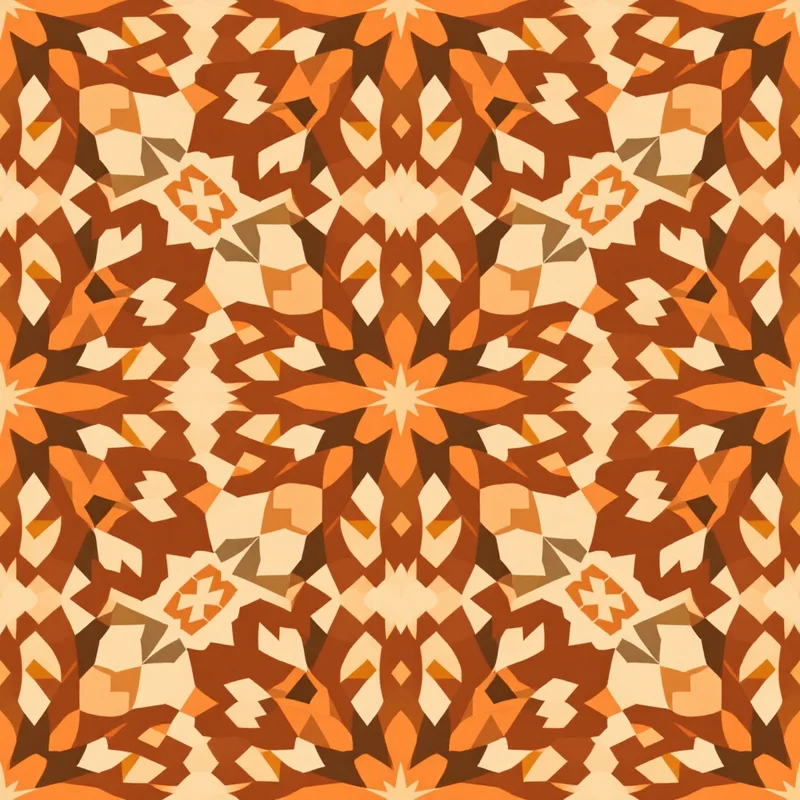
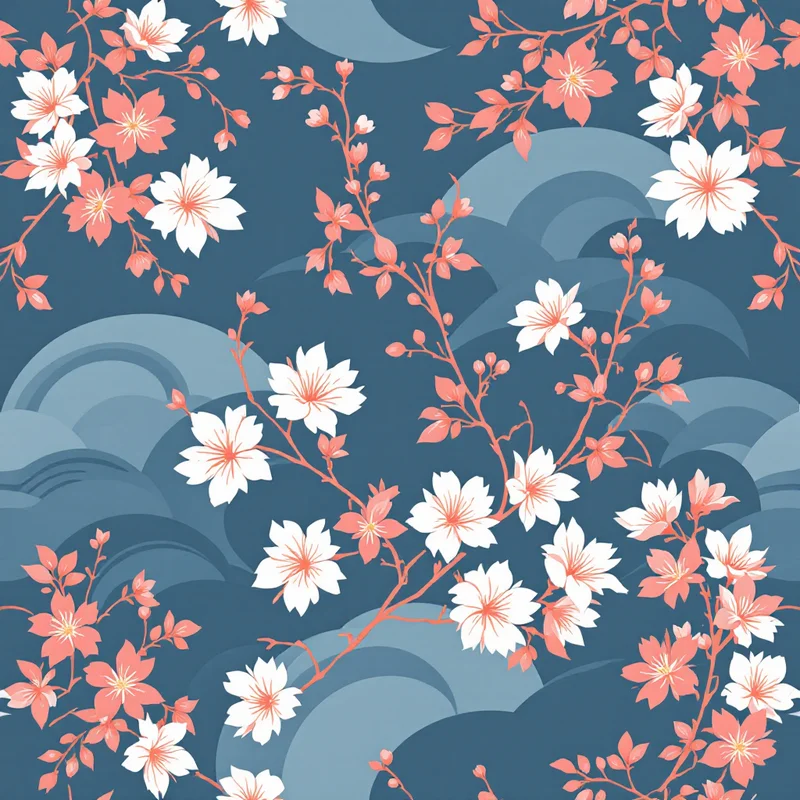
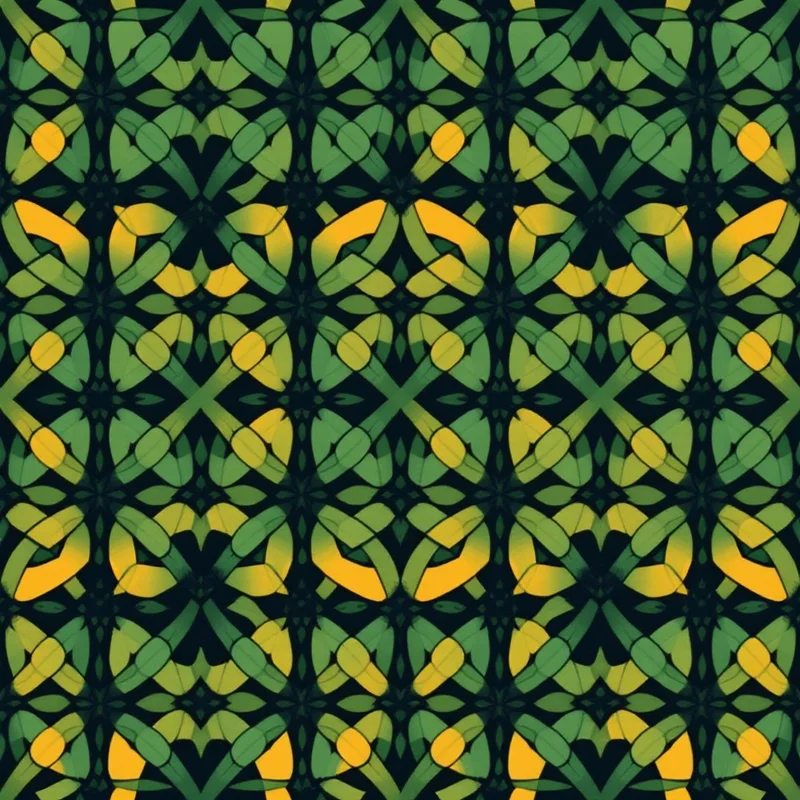
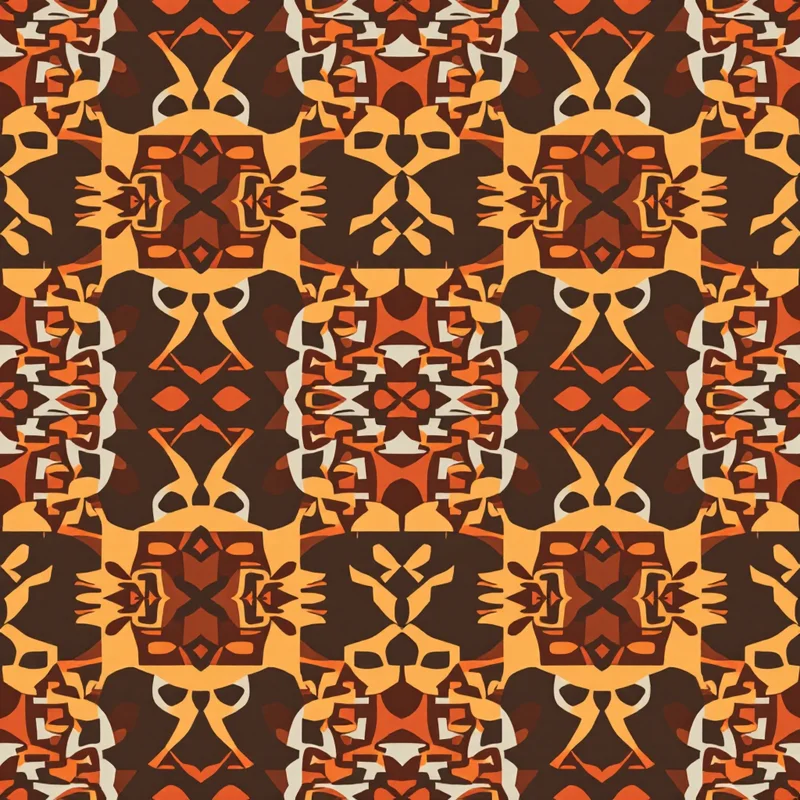
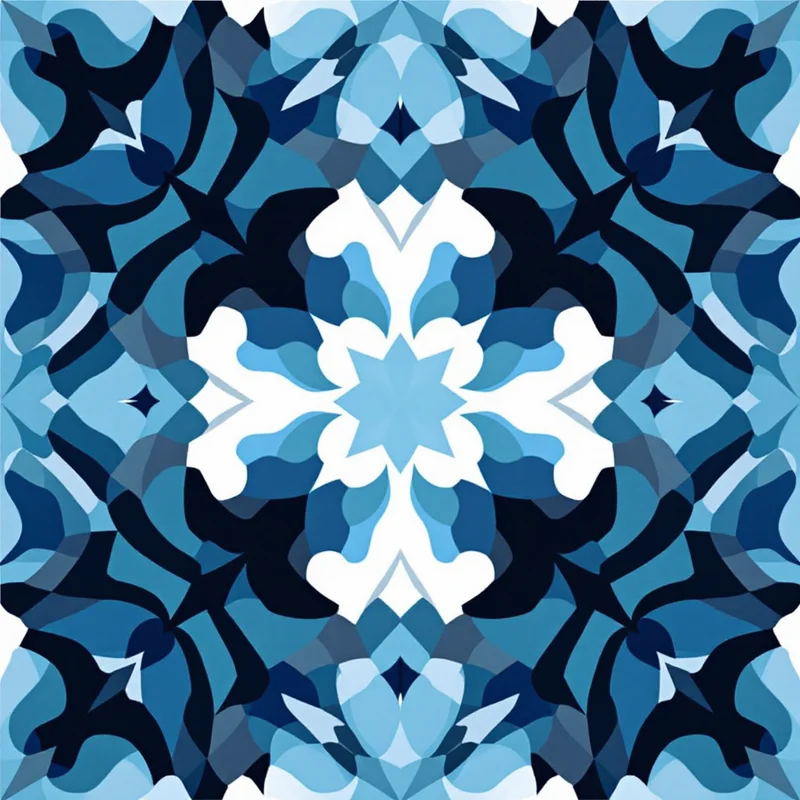
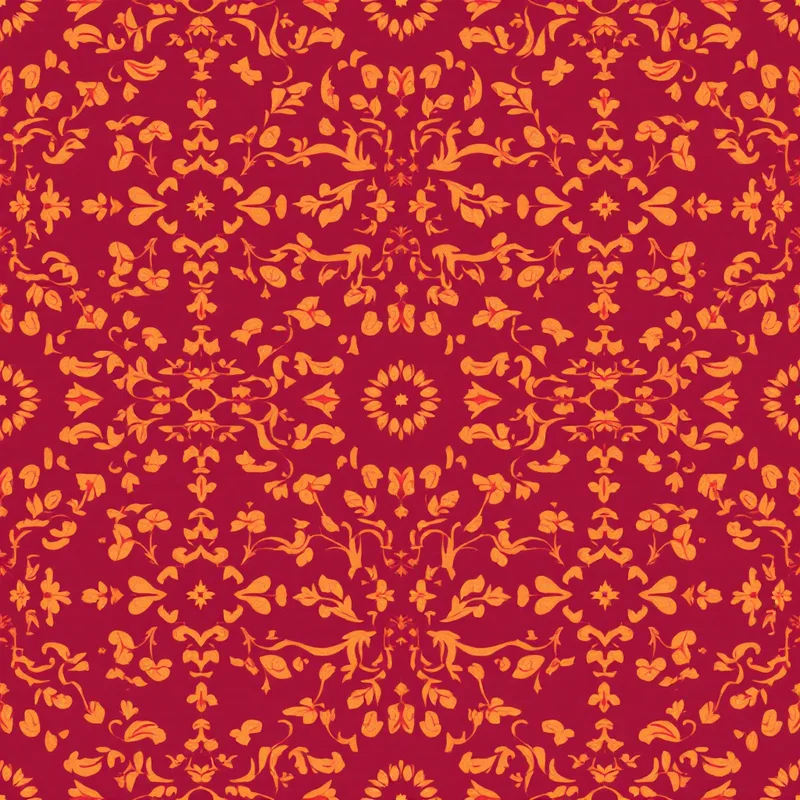
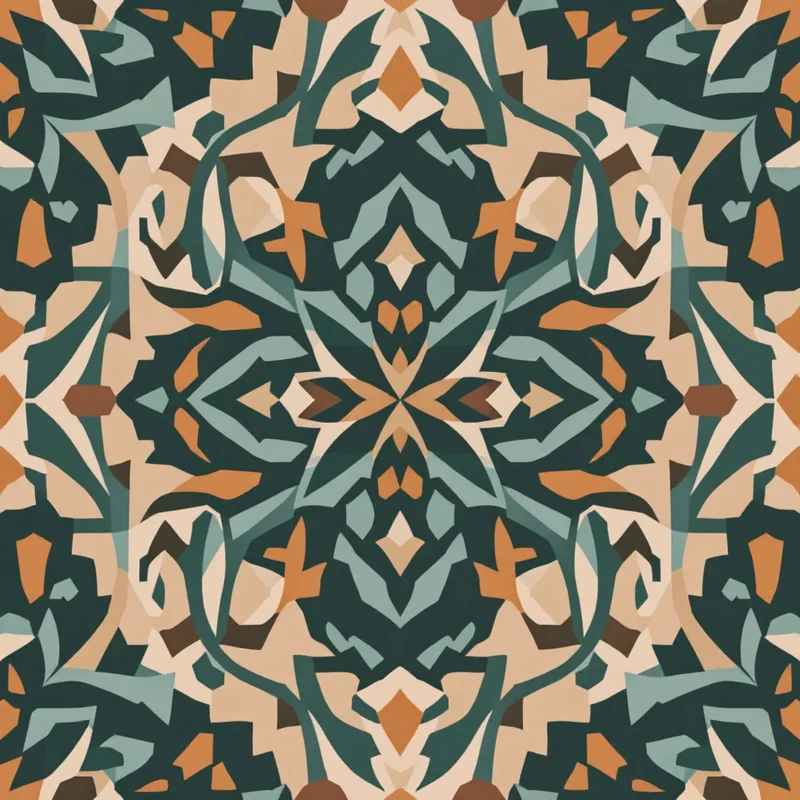
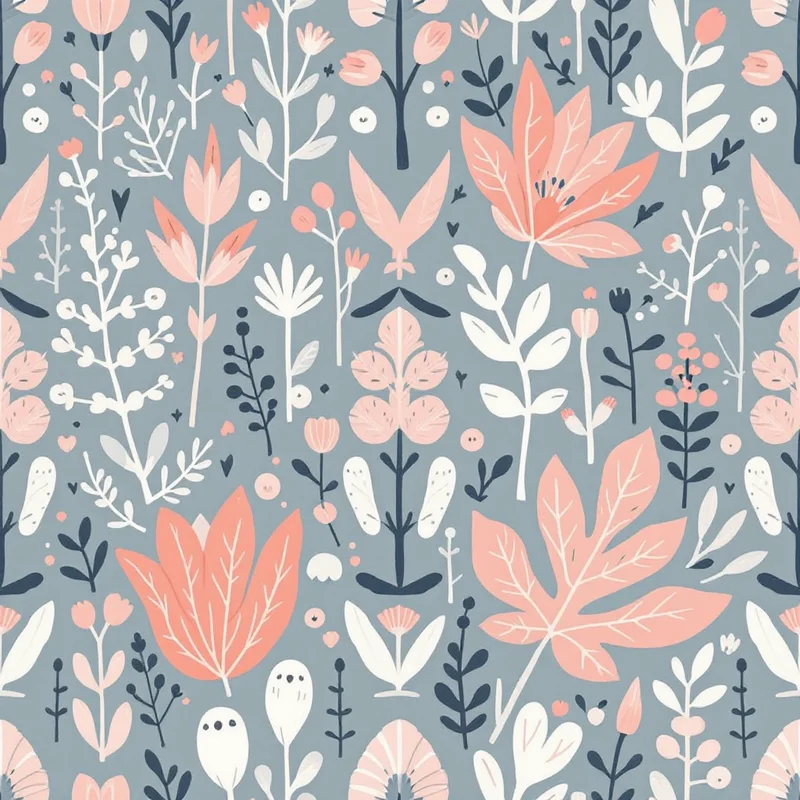
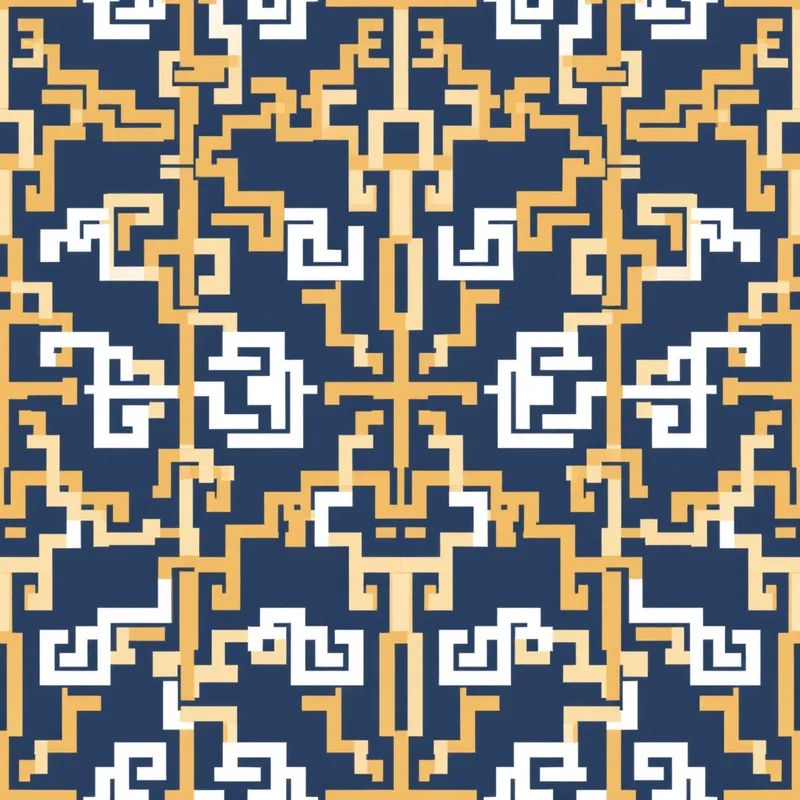
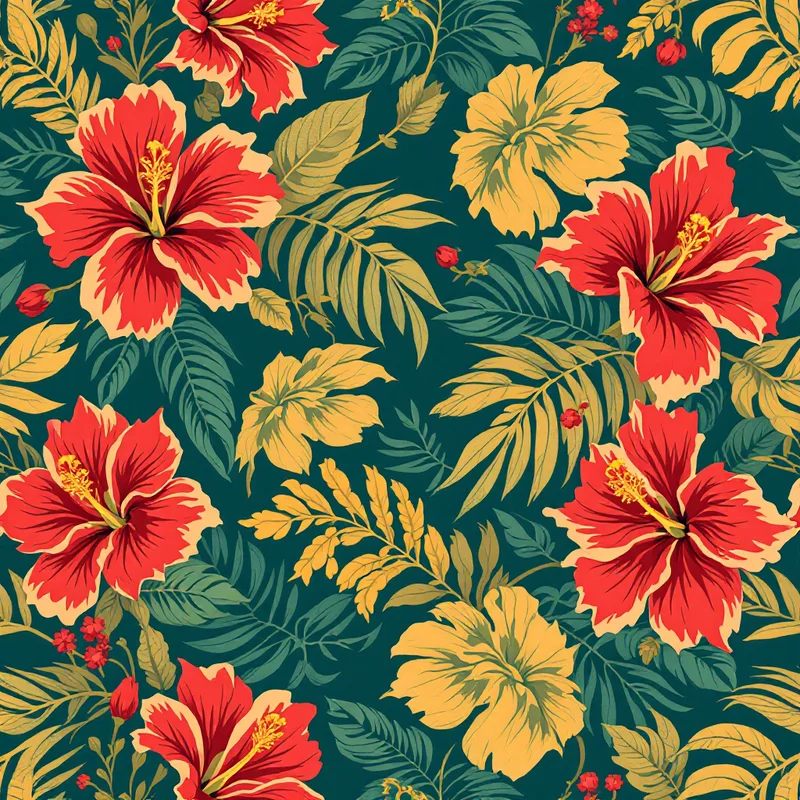
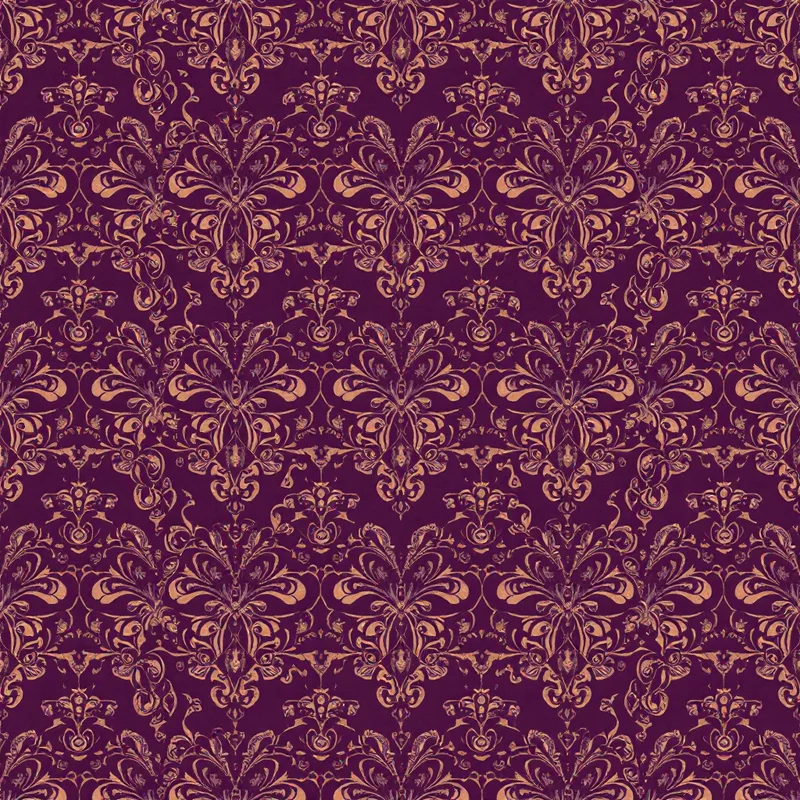
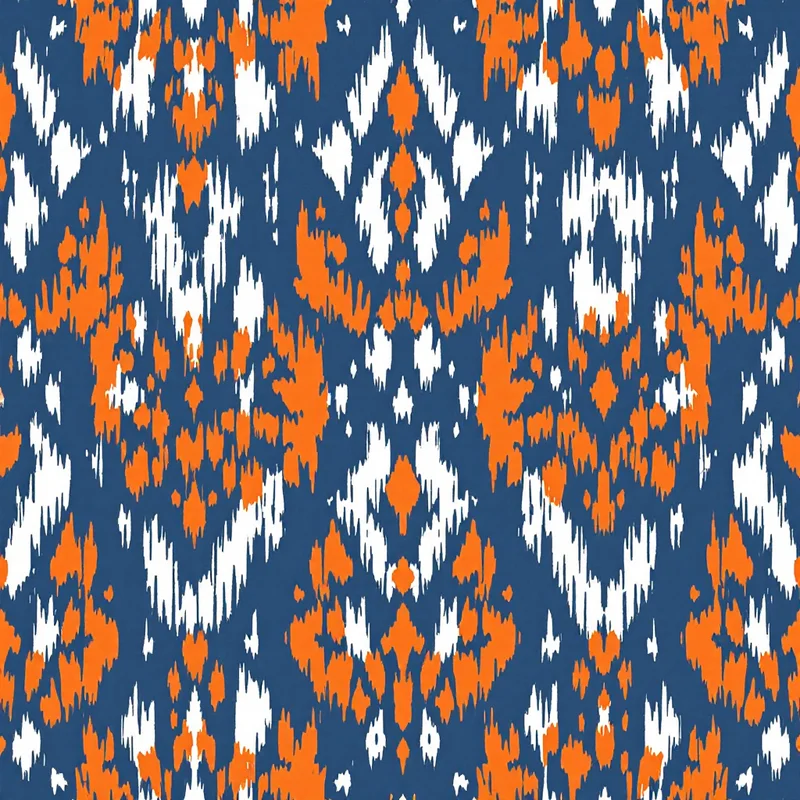
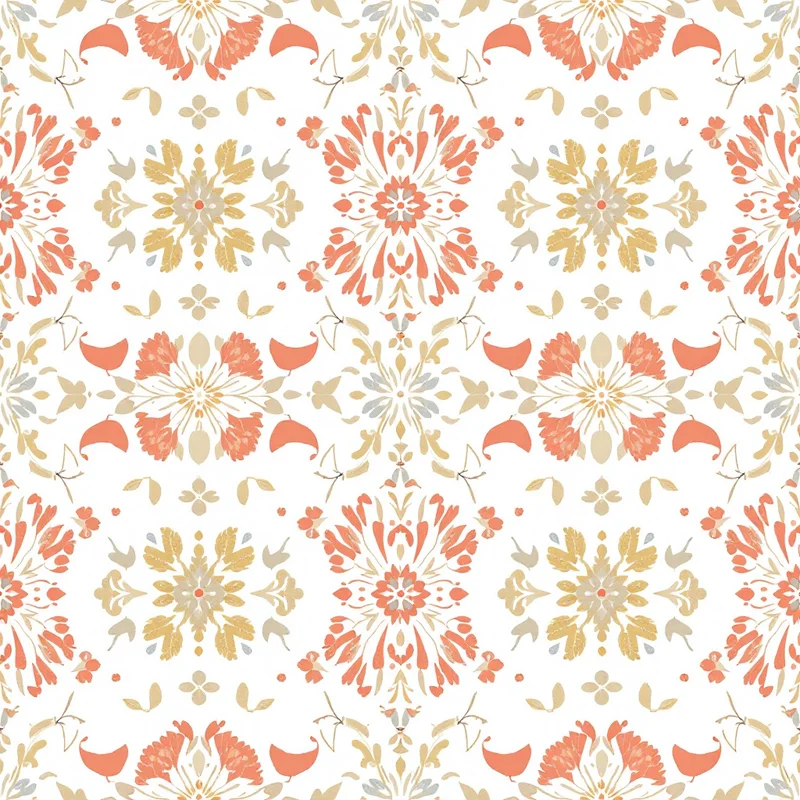
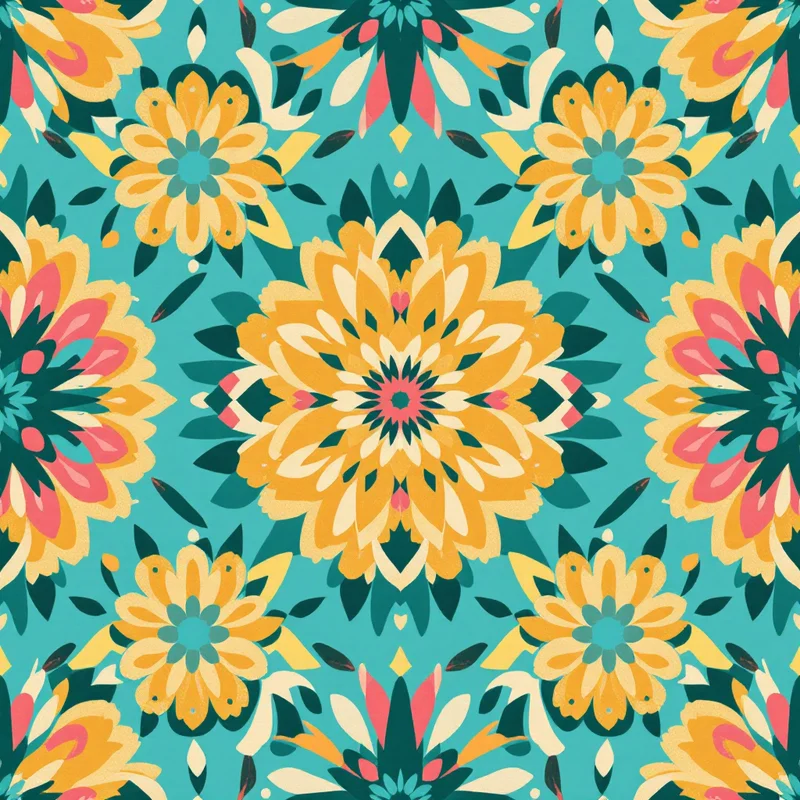
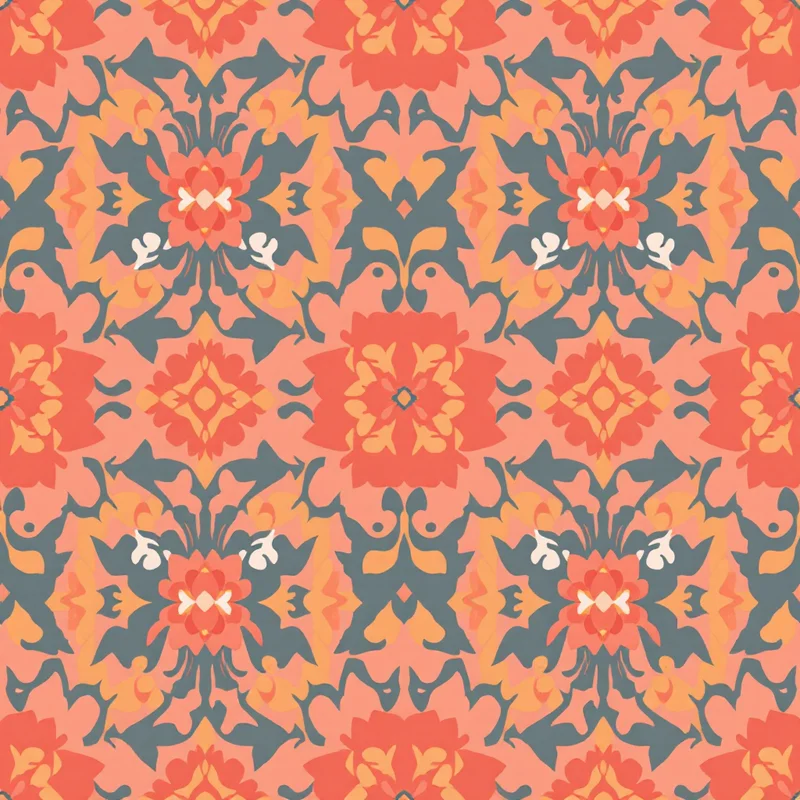
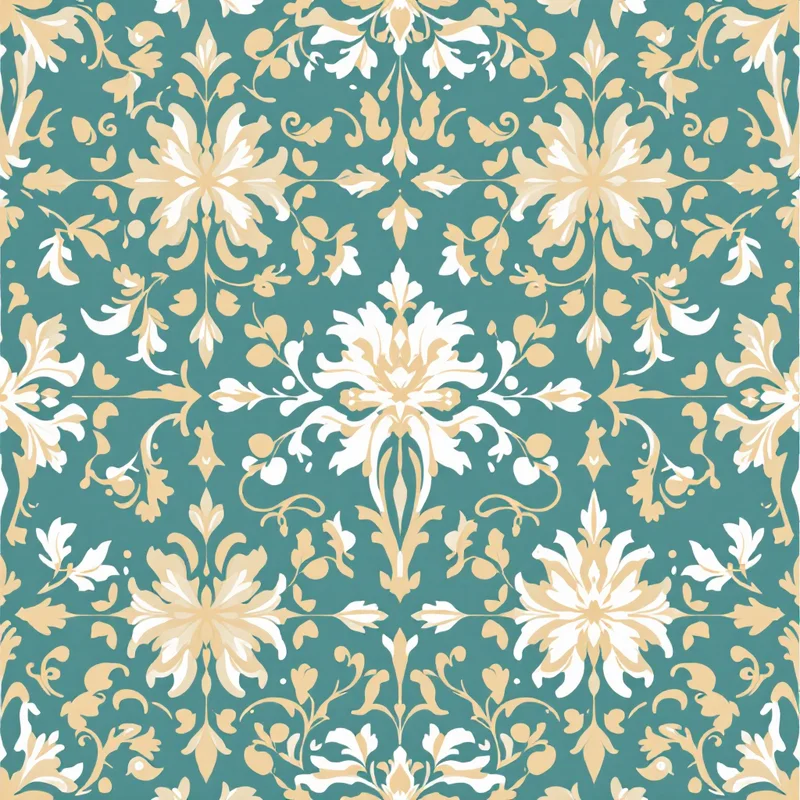
The color story is what makes the style read instantly. Saturated tomato red, leaf green, sunflower yellow, cobalt blue and hot pink sit side by side against clean white or black grounds, often outlined to keep each shape distinct. Symmetry is structural, not decorative: most compositions fold along a vertical axis so a bouquet, a pair of birds or a tree of life balances perfectly left to right. Stylized tulips, roses, daisies, carnations, peacocks and roosters repeat in tidy rows or radiate from a central stem, giving the work a rhythmic, almost musical cadence.
Commercial applications
Designers reach for Polish folk motifs because they carry warmth and heritage while still feeling current. The flat color blocks and bold outlines translate cleanly to screen printing, embroidery digitizing and large-format wallpaper without muddying. The cheerful palette suits products that want to feel handmade and celebratory, and the strong symmetry makes the patterns easy to crop, scale and tile across very different surface shapes.
Where to use polish folk patterns made seamless patterns
Across products the style is versatile. Use a dense Lowicz floral for skirts, scarves, aprons and dirndl-inspired fashion; a sparser rooster-and-tulip layout for tea towels, cushions and table runners; and a Kurpie silhouette repeat for stationery, gift wrap, ceramic transfers and packaging. The high-contrast graphics also hold up on accessories like tote bags, enamel pins and phone cases, and on home decor from duvet covers to ceramic tile murals and nursery wall art.
Customization & export
Pattern Weaver turns a few choices into a finished, seamless tile. Pick a substyle, set the density from a single airy motif to a packed garland, dial the color balance toward traditional red-and-green or a softer pastel reworking, and adjust scale so the same artwork works as a fine all-over print or an oversized statement panel. The studio keeps the repeat truly seamless, so flowers and roosters flow edge to edge with no visible seam line. When the look is right, export up to 8K (8192x8192) in PNG for screen mockups, TIFF for print production, or PDF for handing files to a manufacturer.
Because everything is generated as clean, editable repeats, you can spin a whole coordinated range from one idea: a hero floral, a small ditsy filler and a simple stripe that all share the same palette. That makes Pattern Weaver a fast way to build a Polish-folk collection for a print-on-demand shop, a fashion capsule or a seasonal home line, while staying faithful to the wycinanki and Lowicz roots that give the style its character. The same seamless tile drops straight into a product mockup, a fabric proof or a printer's step-and-repeat, so the journey from a single sketch to a shelf-ready range stays short. A few practical choices help the results sing: Polish folk art reads best when shapes stay bold and outlines stay clean, so heavy density suits a Lowicz garland while a single rooster often shines with room to breathe around it. Keep the white or black ground generous to let the saturated reds, greens and blues pop, and let the vertical symmetry do the heavy lifting, so you can move from a faithful heritage tribute to a fresh modern folk look in minutes and export exactly the size and format your project needs.